
A good Sa Pa trip depends less on fitting in every attraction and more on three decisions: when to go, how much walking you can comfortably handle, and whether to stay in town or in the Muong Hoa Valley. Allow at least two full days. Three days give you room to move Fansipan or a trek to the clearest part of the forecast.
Sa Pa weather can change within a few hours, especially between the town, valley and high mountains. Build a flexible plan, choose transport and accommodation before arrival, and treat mountain views as a possibility rather than a guarantee.
Where to stay: town, valley or a quieter village
| Base | Choose it for | Tradeoff to understand |
|---|---|---|
| Central Sa Pa, around the church and Sun Plaza | Restaurants, town services and a straightforward Fansipan start | More traffic and urban activity; a hotel can still sit up a steep lane |
| Town edge with a valley view | A view-oriented hotel while keeping access to town | The last hill or lane may need a vehicle, especially after dinner |
| Lao Chai and Ta Van area | A village stay and a Muong Hoa valley walking day | Town meals and Fansipan require a separate transfer |
| Ta Phin area | A different village setting and a stay built around local hosts | It is not the same valley base as Ta Van; match walks to the accommodation |
Think in two directions: Sa Pa town is your service base, while a valley property is part of the experience. A room advertised as being in Sa Pa may not be a practical walk from Sun Plaza. Before choosing the view, look at the hotel’s actual approach, the walk from vehicle drop-off to reception, and where you will eat in the evening.
A two-night visit from Hanoi
Day 1: travel to Sa Pa, leave bags and take a short central walk. If you reach town early, add a modest local outing; do not promise a long trek after a tiring road journey. Day 2: use your one complete day for the experience that brought you here, either a valley walk or Fansipan. Day 3: take a short morning activity only if it fits your confirmed departure, then return to Hanoi.
Two nights normally buy one full day between travel days. If you want both a proper village trek and an unhurried Fansipan visit, choose three nights or arrive early enough to make one travel day useful. The two- and three-full-day examples later in this guide assume those days are available locally.
What to put in the Sa Pa budget
Build the trip in five parts: the return intercity journey, the room, your main activity, meals and local transfers. A valley homestay can be good value, but repeated town taxis may offset a lower room rate. A town hotel can make a short visit simpler while leaving the full valley day to a guide.
For a Fansipan visit, the official reference price checked on 10 November 2026 is 850,000 VND per adult for the return cable car. Two adults therefore start at 1,700,000 VND before mountain trains, food or a road transfer. See the complete Fansipan ticket and station guide before choosing a bundle. A trek quote should separately identify guide time, route, return transport, meals and any entry charges.
A useful comparison is one shared town room plus one guided valley day versus a valley stay with the transfers you will actually need. Compare the whole visit, not the cheapest room thumbnail. For an extra third night, include both the room and the additional day of food and activities; it is not automatically a low-cost extension.
Choose your Sa Pa plan by priority
- First visit with limited time: stay near Sa Pa town, reserve one clear-weather window for Fansipan and use the other day for a village walk.
- Trekking and rice terraces: stay in Lao Chai or Ta Van, choose a route that matches your balance and fitness, and keep one vehicle transfer available.
- Easy sightseeing: base yourself in town and combine the lake, stone church area, Ham Rong or a short visit toward Cat Cat without committing to a long valley trek.
- Quiet retreat: choose a valley or mountain-edge property, but confirm road access, meals and the cost of every trip back to town.
If you have only one night, avoid planning a late arrival, a full trek, Fansipan and an early departure together. Travel time from Hanoi or Hai Phong takes a substantial part of the day, and fog or rain can quickly disrupt a tight schedule.
1. Match the season to the experience you want
April and May are often chosen for milder spring conditions, while September and October are popular for autumn scenery and possible harvest color. June through August is warmer and wetter, with greener landscapes but a greater chance of heavy rain. November through March can feel cold and damp, particularly at night and at higher elevations.
Rice-field appearance changes by elevation, village and planting cycle. Do not book around a photograph or assume one exact harvest week applies to the entire valley. Check the recent forecast and current local images shortly before traveling, then keep at least one activity that still works in cloud or light rain.
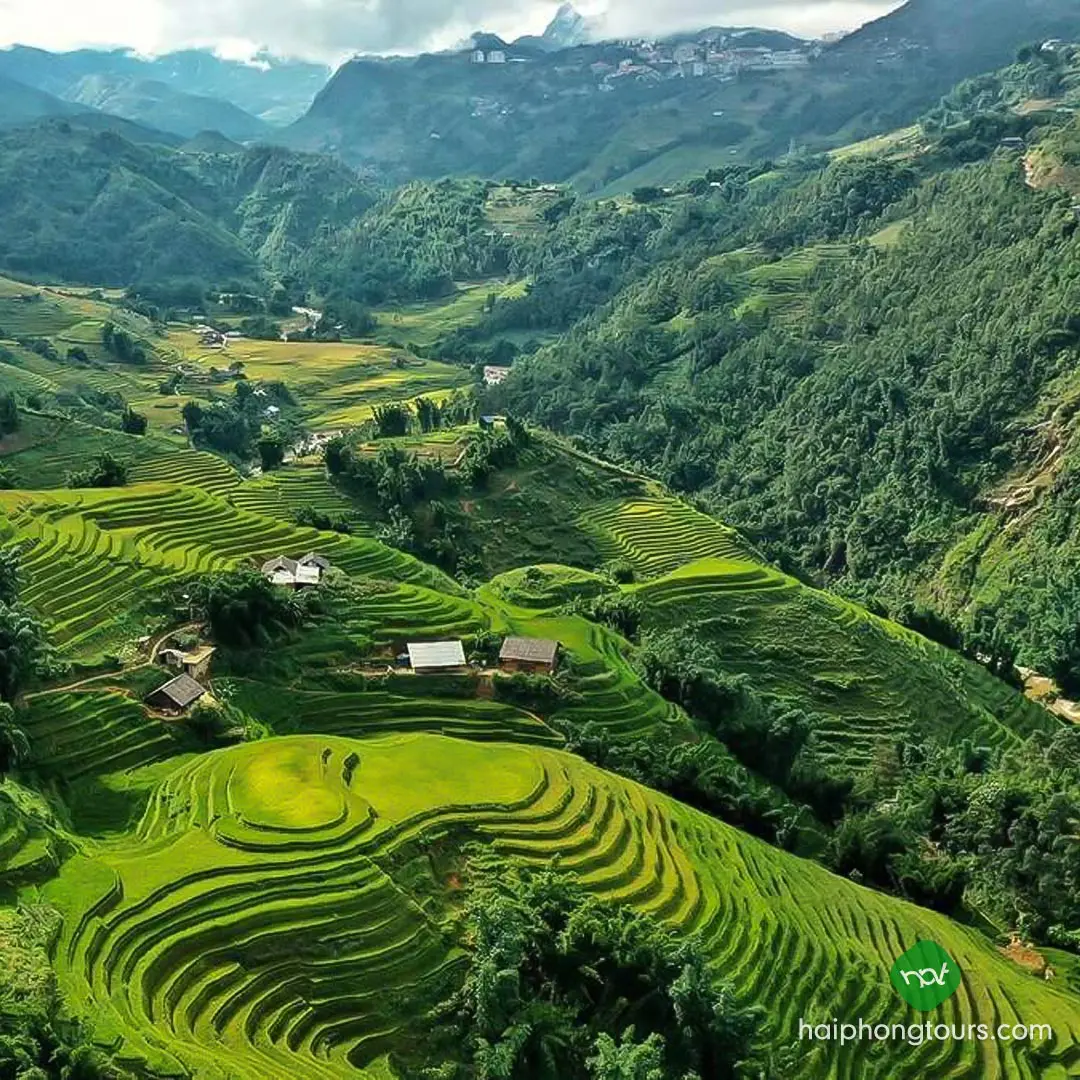
A practical daily rule is to use the clearest forecast window for Fansipan or a wide valley viewpoint. Save cafes, the town center, a massage or a shorter cultural visit for poorer visibility. During heavy rain, avoid steep trails, stream crossings and exposed rock even if a route is still being sold.
2. Pack for temperature changes and slippery ground
Bring light layers rather than relying on one heavy garment. The center of town may feel comfortable while Fansipan is colder and windier. A compact rain layer, shoes with reliable grip, dry socks and a small waterproof cover for documents are useful in most seasons.
- Use walking shoes you have already worn; polished steps and clay trails can become slick.
- Carry water and any personal medicine, but keep your day bag light on steep routes.
- Bring sun protection even when the morning is cloudy because conditions can clear quickly at altitude.
- In colder months, confirm that your room has suitable heating rather than assuming every mountain stay does.
If you are prone to motion sickness, prepare before the mountain-road section. Choose a forward-facing seat when possible, eat lightly before departure and avoid scheduling a demanding trek immediately after a long road journey.
3. Decide between an independent walk and a guided trek
Cat Cat and Ta Phin can be approached as more independent visits when you are comfortable arranging local transport and following the marked visitor route. Longer walks through the Muong Hoa Valley, particularly routes linking several villages, are better planned with a knowledgeable local guide. Trail conditions, shortcuts and vehicle pickup points are not always clear from an online map.
Before accepting a trek, ask for the walking distance, estimated hours, elevation changes, surface after rain and whether a vehicle can collect you early. Confirm whether lunch, village admission, drinking water, toilets and transport back to your accommodation are included. The label “easy” is not precise enough for a traveler with knee, balance or endurance concerns.
For a private or small-group walk, tell the guide about children, older travelers, previous injuries and footwear before departure. A shorter route with time to stop usually gives a better village experience than rushing through a long itinerary.
4. Visit villages with clear expectations
Sa Pa’s villages are lived-in communities as well as visitor destinations. Stay on agreed paths, ask before photographing people, and do not enter a home or field without invitation. If you want to buy textiles or handicrafts, ask what was made locally and agree on the price before the seller packs the item.
Persistent selling can occur around popular routes. A calm, clear refusal is more useful than starting a negotiation you do not intend to complete. If children approach to sell goods, avoid turning the interaction into a staged photo opportunity.
The ancient carved stones in the Muong Hoa Valley have archaeological and cultural value. The site is on Vietnam’s UNESCO Tentative List, which is different from full World Heritage inscription. Do not climb on, trace, wet or mark the stones; follow local access rules and conservation barriers.
5. Plan Fansipan around visibility and walking ability
Fansipan reaches 3,143 meters and weather near the summit can be very different from Sa Pa town. A clear view from your hotel does not guarantee a clear summit, so check the live operating notice and mountain conditions on the morning you plan to go. The cable-car operator can change hours because of weather, maintenance or special programs.
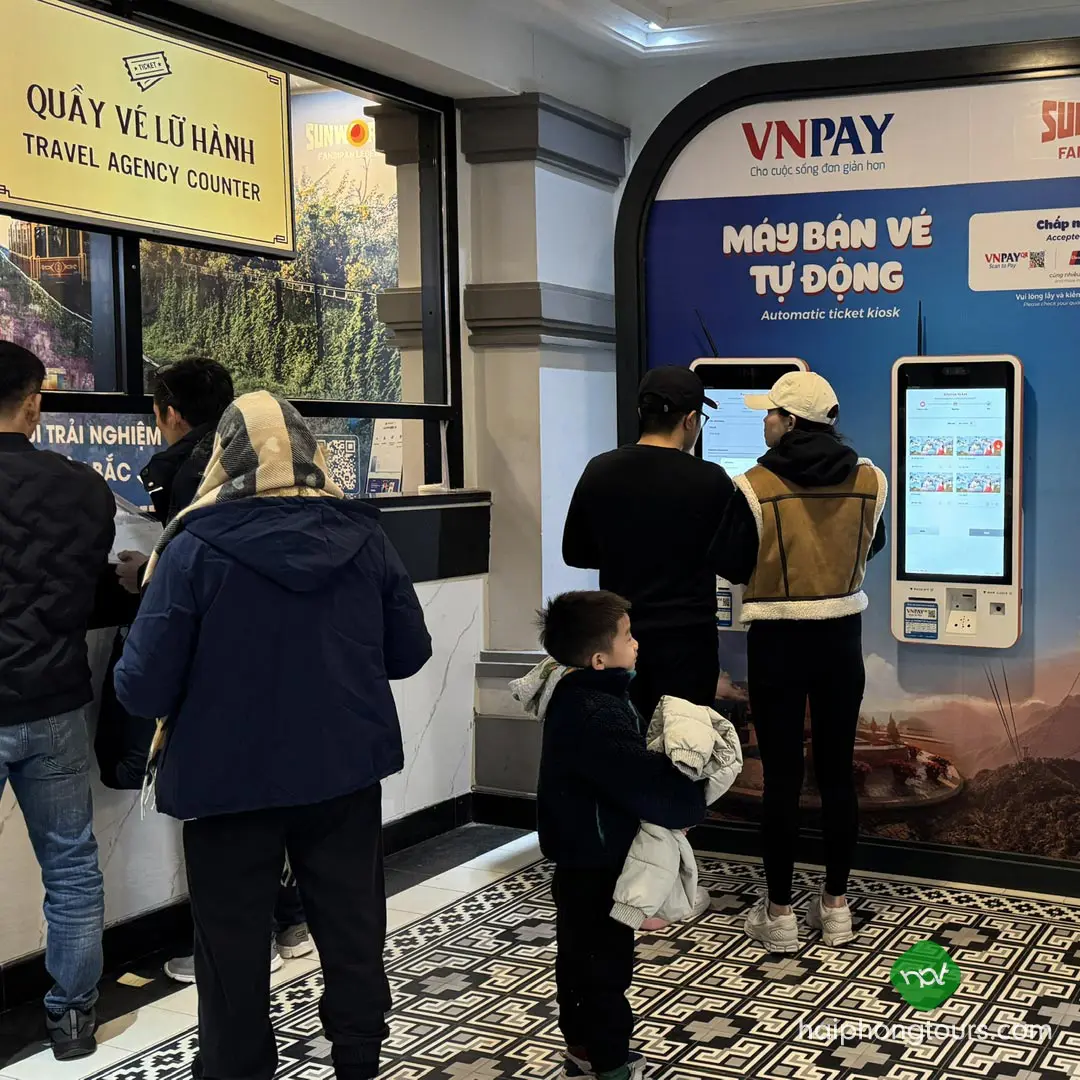

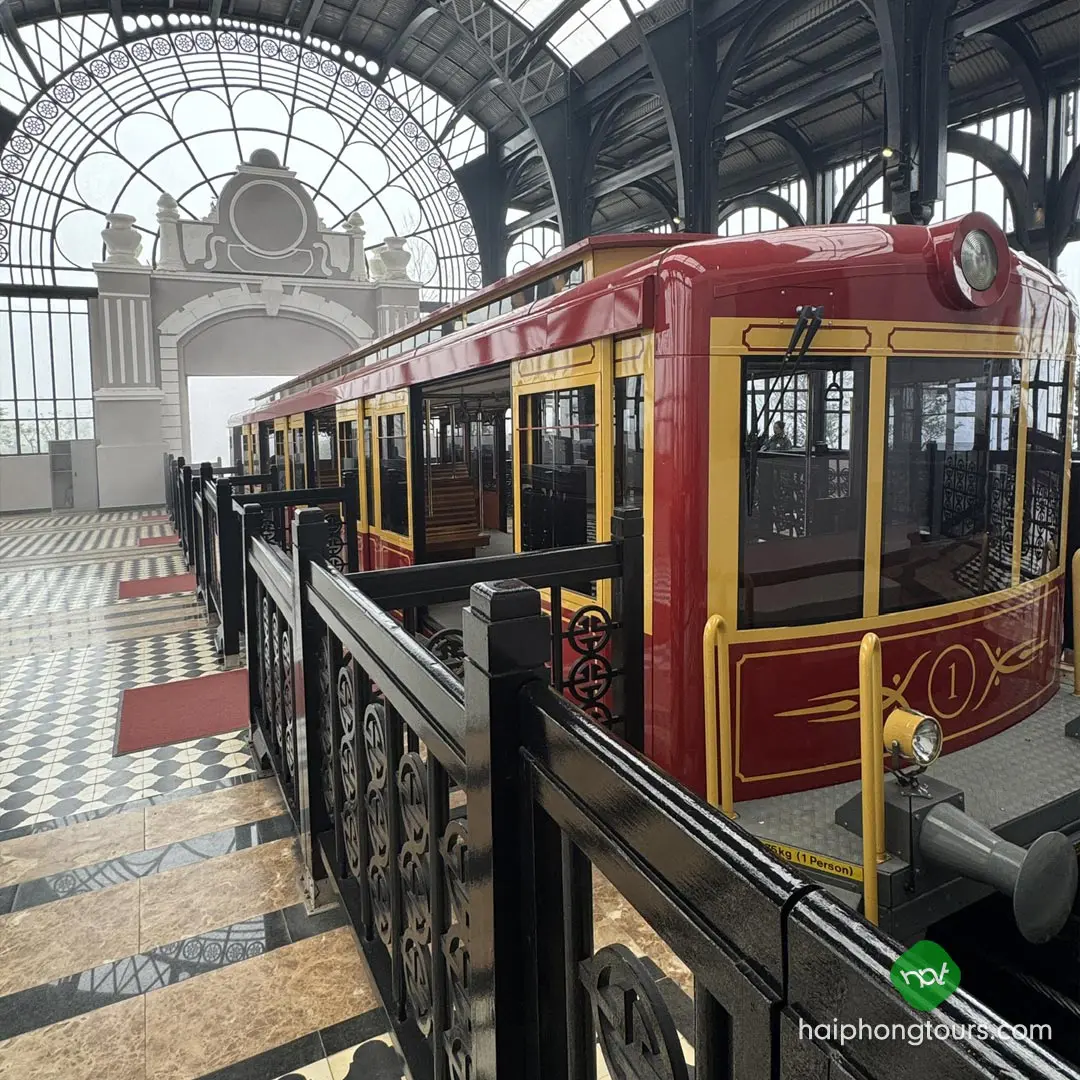
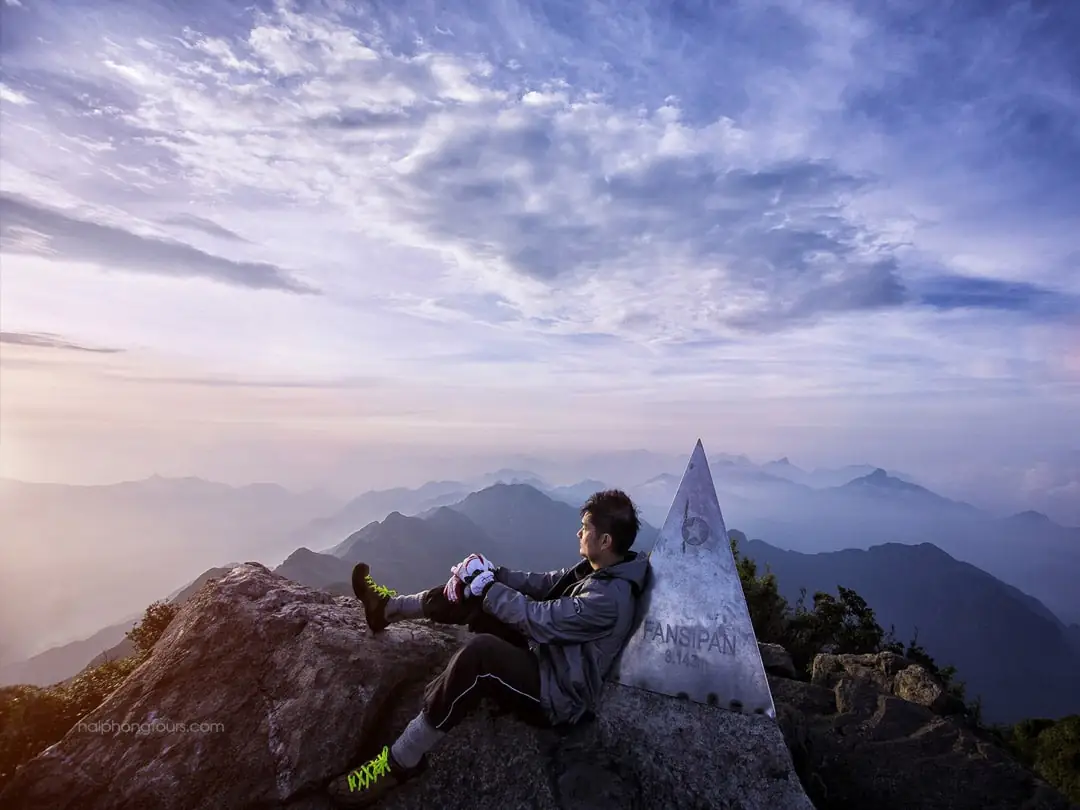
Ticket facilities, a mountain statue, the funicular and the Fansipan summit.
The cable car reduces the climb but does not remove all walking. Reaching the summit area can still involve steps, slopes and time at high elevation. Mountain-rail sections may reduce some walking, but they are separate parts of the journey and should be confirmed when buying tickets.
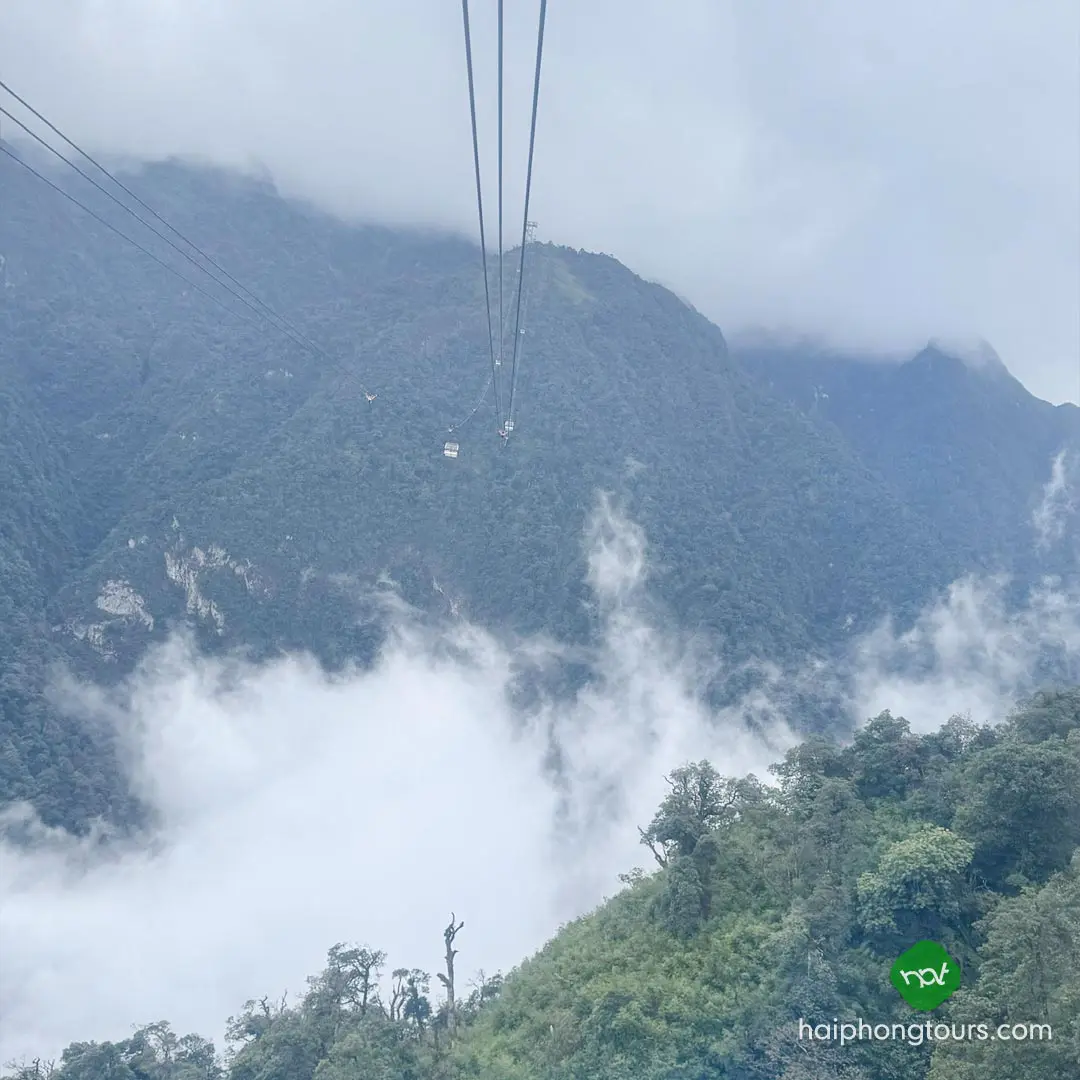
Move slowly, drink water and allow time between transport stages. Travelers with heart, breathing, mobility or altitude-related concerns should seek appropriate medical advice before the trip and avoid treating a summit visit as a compulsory part of Sa Pa.
6. Choose the right way to reach Sa Pa
Sa Pa has no mainline railway station. Overnight and daytime trains stop in Lao Cai, followed by a road transfer up the mountain. Direct buses and vans continue to Sa Pa, but pickup points, luggage limits and the exact drop-off area vary by operator.
A private transfer is useful for travelers with several bags, children, an awkward departure time or accommodation outside the center. Hai Phong Tours offers a current private transfer from Hanoi to Sa Pa with Hanoi Old Quarter pickup and hotel or address drop-off in Sa Pa. Travelers starting in Hai Phong can use the separate Hai Phong to Sa Pa private transfer.
Send the full accommodation address before travel. A booking described as “Sa Pa” may actually be in Lao Chai, Ta Van, O Quy Ho or another area that requires extra time on a narrow or steep road. During rain or road works, the final vehicle-access point can matter more than the straight-line distance shown on a map.
Continuing northeast after your stay? The Sapa to Ha Giang transport guide compares direct buses and private cars, with valley pickups and an arrival plan before starting the Ha Giang Loop. You do not need to return to Hanoi to make this journey.
7. Choose accommodation by base, not just by view
Sa Pa town
Town is the easiest base for restaurants, transport pickups and short stays. It works well if you plan Fansipan and several separate excursions. Check the slope between the property and the main streets; a hotel that looks central can still involve steep steps.
Lao Chai and Ta Van
The valley suits travelers who want terraces, village walks and quieter evenings. It is less convenient for repeated trips to central Sa Pa. Confirm meals, vehicle access, pickup surcharges, heating, hot water and help with luggage before booking.
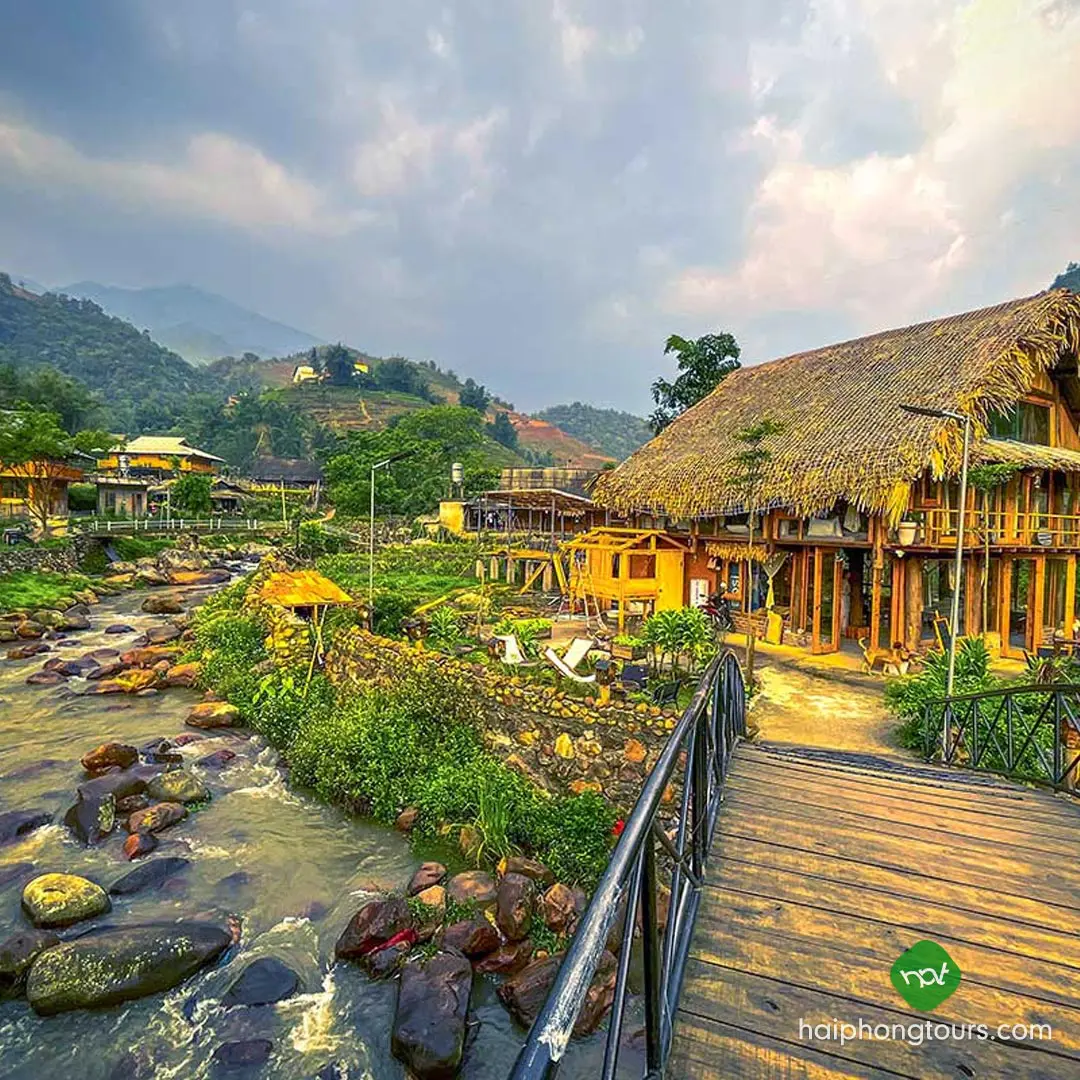
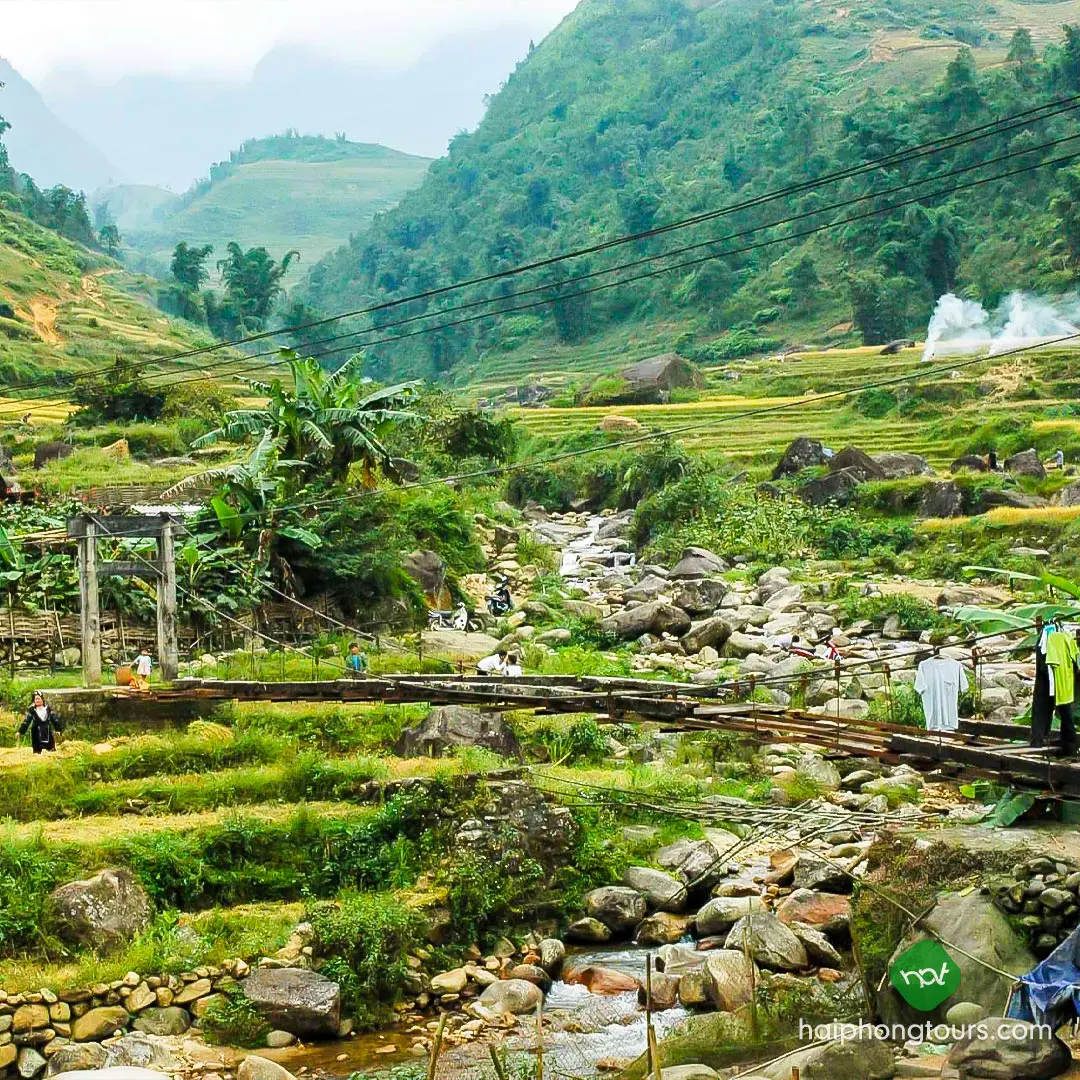
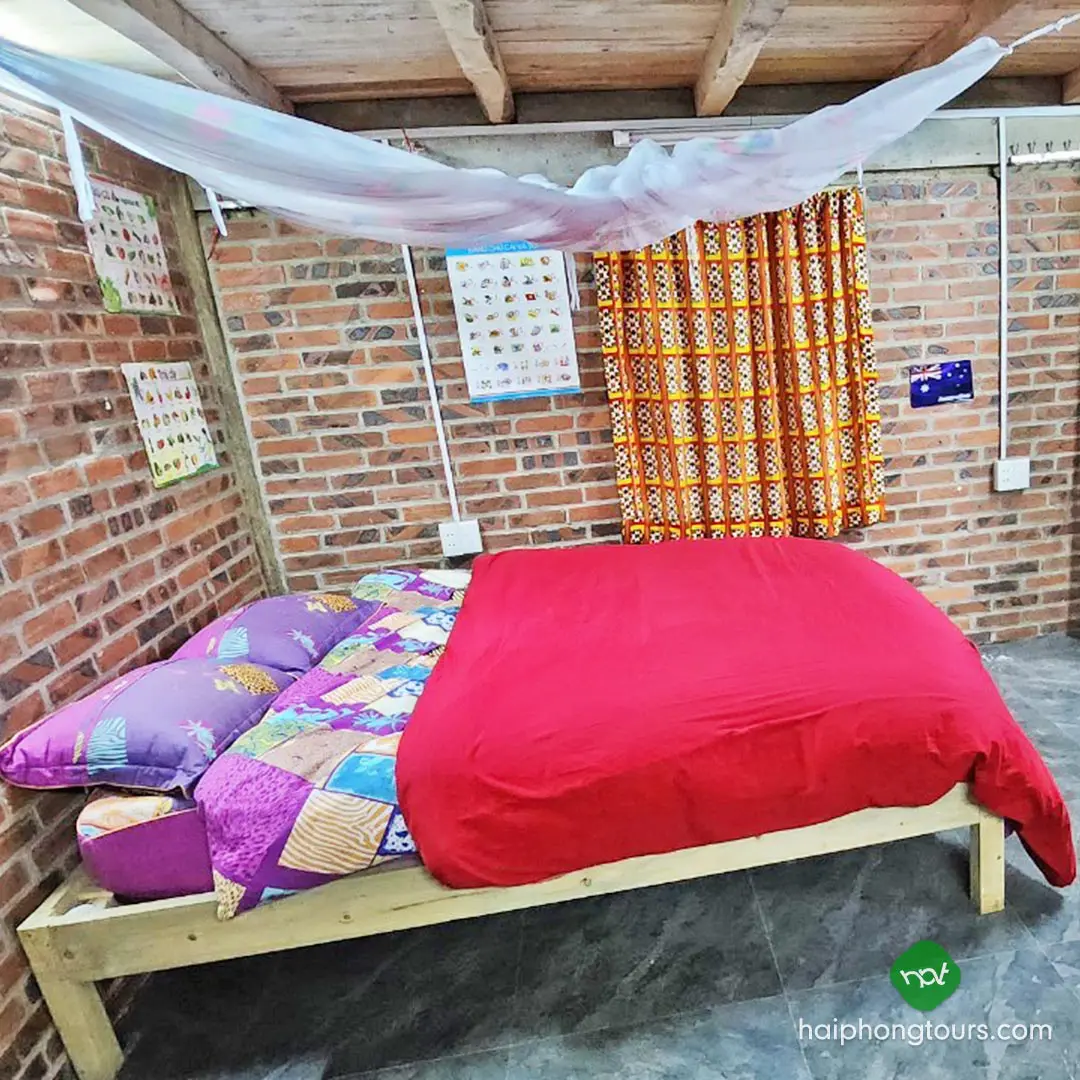
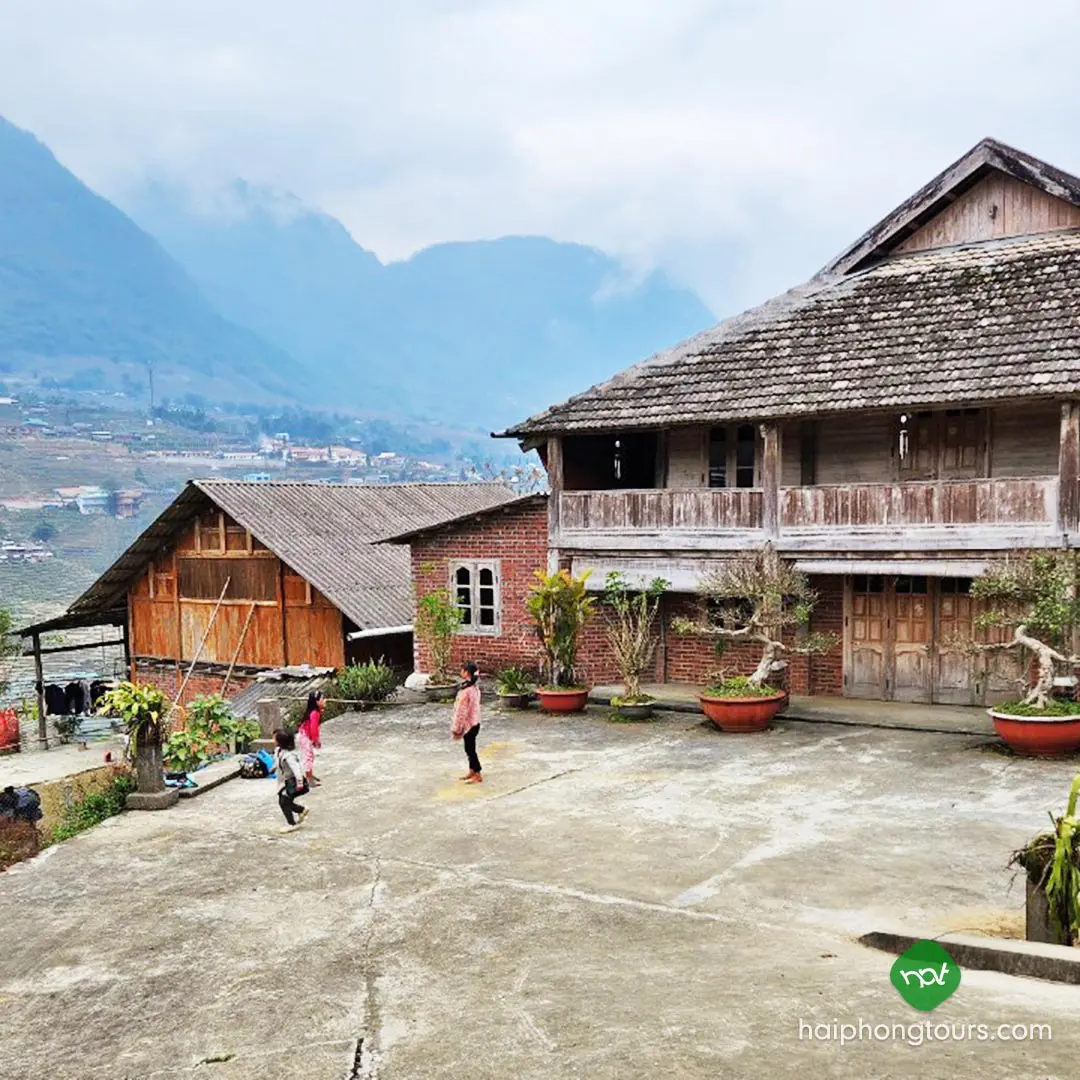
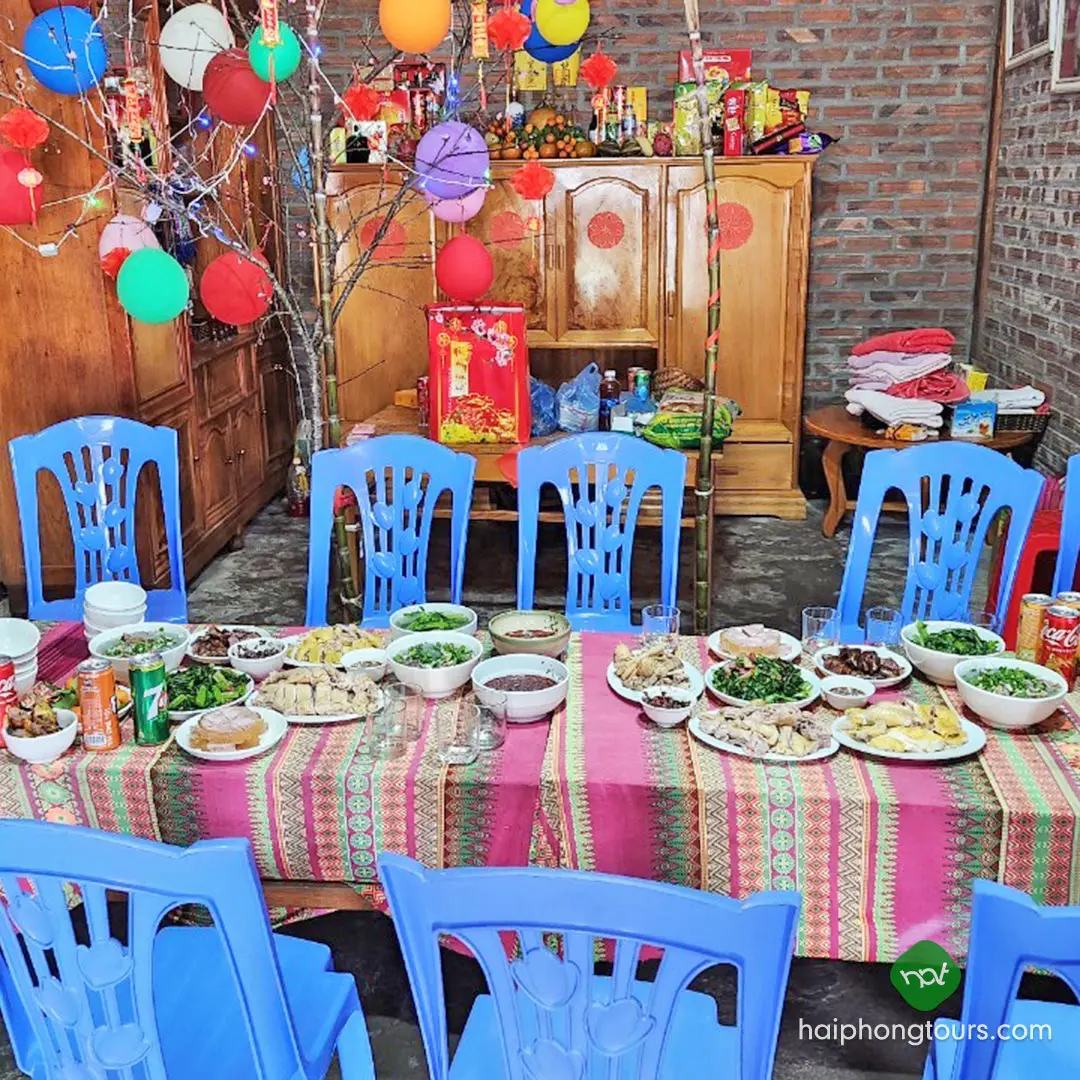
Village scenery, homestay rooms and a shared meal around Lao Chai and Ta Van.
O Quy Ho and remote mountain stays
A remote property can offer more quiet and open scenery, but fog may hide the view and travel back to town takes planning. Establish whether the last road section is suitable for a regular car and what happens if weather affects access.
Use the detailed Sa Pa homestay and bungalow guide to compare town-edge, valley and village locations. Book the exact room category: a view from the cafe, pool or shared terrace does not mean every bedroom has the same outlook.
8. Use a realistic two- or three-day itinerary
Two full days
- Day 1: take a village walk suited to the weather and your ability. Use a guide for a longer Muong Hoa route and arrange the return before starting.
- Day 2: visit Fansipan in the clearest available period, then use the remaining time for central Sa Pa or a short viewpoint stop.
If Day 1 has the better summit forecast, reverse the order. Do not attach a fixed attraction to a fixed day until you have checked visibility.
Three full days
- Day 1: settle in, explore the center and take a short acclimatizing walk.
- Day 2: complete the main valley trek or village route.
- Day 3: use the best remaining weather window for Fansipan, O Quy Ho or another panoramic route.
Leave a comfortable gap before a same-day flight or cruise connection after Sa Pa. Mountain traffic, fog, rain and rest stops can extend road journeys, so an itinerary based on the fastest advertised travel time is fragile.
Practical advice for families and travelers with limited mobility
Sa Pa town has steep streets, uneven pavements and buildings with stairs. Village paths may combine stone, mud, concrete and unprotected edges. Ask for a room near the entrance or lift, verify bathroom access and request a vehicle-based sightseeing plan when long walks are unsuitable.
Families should choose one main activity per half-day and keep warm clothing, snacks and a dry change of clothes accessible. For small children, a carrier is often more practical than a stroller on village trails, but the adult carrying it still needs secure footing.
Common planning mistakes
- Booking a remote room without checking the final road, meal options or luggage transfer.
- Assuming September guarantees golden rice fields everywhere.
- Planning Fansipan at a fixed hour without checking that morning’s weather and operating notice.
- Accepting an “easy trek” without asking for distance, surface and vehicle support.
- Arriving from a long overnight journey and starting a demanding hike immediately.
- Leaving Sa Pa with too little buffer before a flight, cruise or international connection.
For the most resilient plan, reserve the trip components that are hard to replace, transport, your preferred accommodation area and any guided trek, then keep the order of mountain activities flexible. That balance gives you a useful plan even when Sa Pa’s weather changes.
Would you like help fitting this experience into your trip?
Contact us with your travel dates, starting point, available time and group size. Tell us about walking limits or special interests so we can suggest a practical itinerary.