
For a first visit to Sapa, plan one main outing per day: Fansipan for the mountain, a Muong Hoa Valley walk for villages and rice terraces, and the waterfall road for forest scenery. Two full days let you choose two of these; a third gives you more flexibility when clouds or rain change your plans.
The eight experiences below overlap in useful ways. A village walk can include the rice fields and end at a homestay, while Love Waterfall and O Quy Ho belong to the same road trip. Bac Ha and Can Cau markets are farther away and need their own travel day.
Choose your Sapa experiences by time and interest
- Mountain scenery without a summit trek: choose the Fansipan cable car, allowing for transfers, queues and walking above the arrival station.
- Rice terraces and time in villages: arrange a Lao Chai–Ta Van walk, with a vehicle for whichever part you do not want to walk.
- A stay beyond the town center: spend a night in Ta Van and settle the luggage and return arrangements before leaving Sapa.
- A shorter outing from town: visit Ham Rong’s gardens or choose a manageable section of Cat Cat’s stepped route.
- A scenic road outing: combine a waterfall stop with O Quy Ho when road conditions and visibility are suitable.
- A weekly market: build a separate Saturday or Sunday plan around the market you actually want to visit.
1. Visit Fansipan by cable car
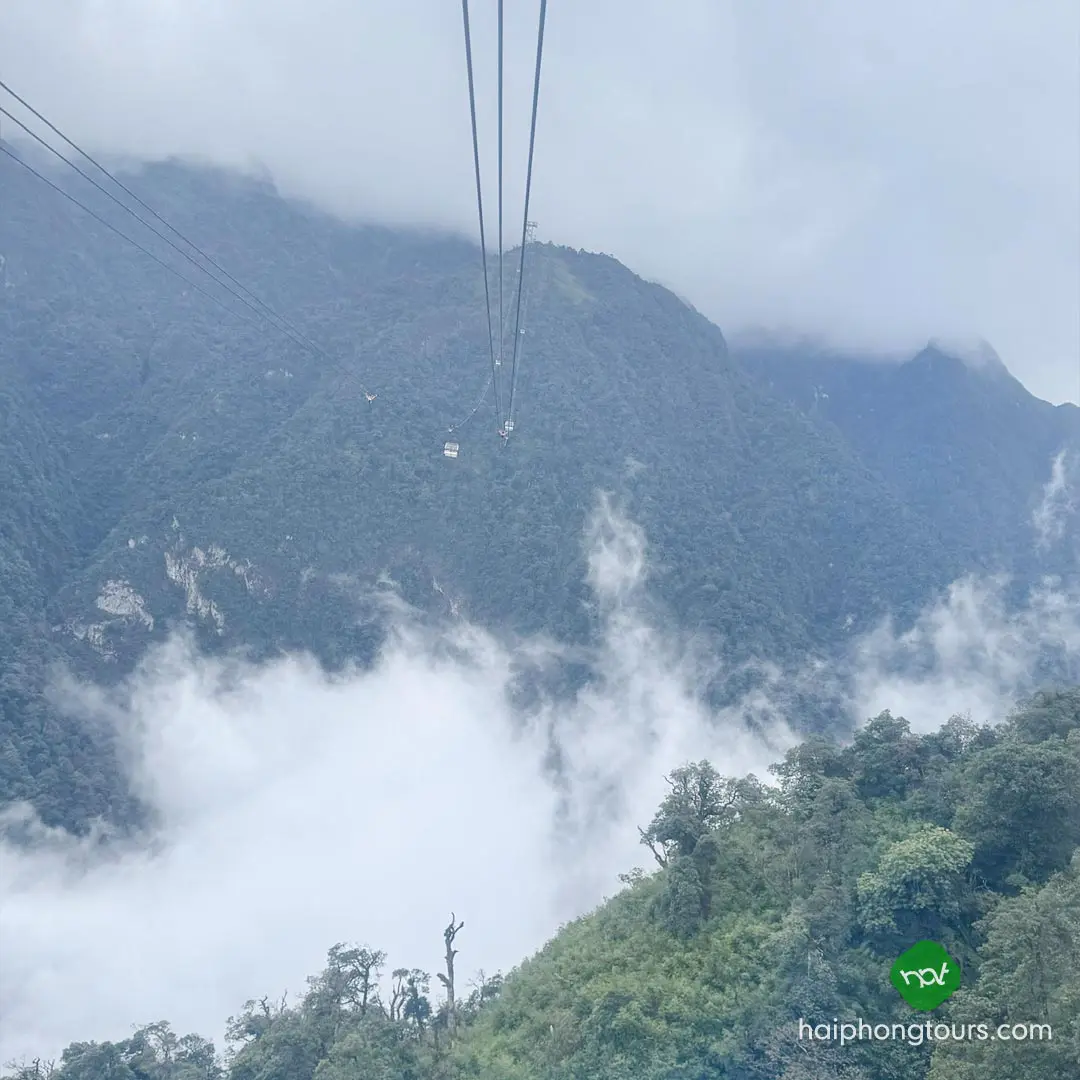
The Fansipan cable car brings you into the high mountain landscape, but it does not deliver you directly to the summit marker. Your outing has three parts: reaching the cable car base, riding up the mountain, then walking or using the upper mountain train for part of the remaining ascent.


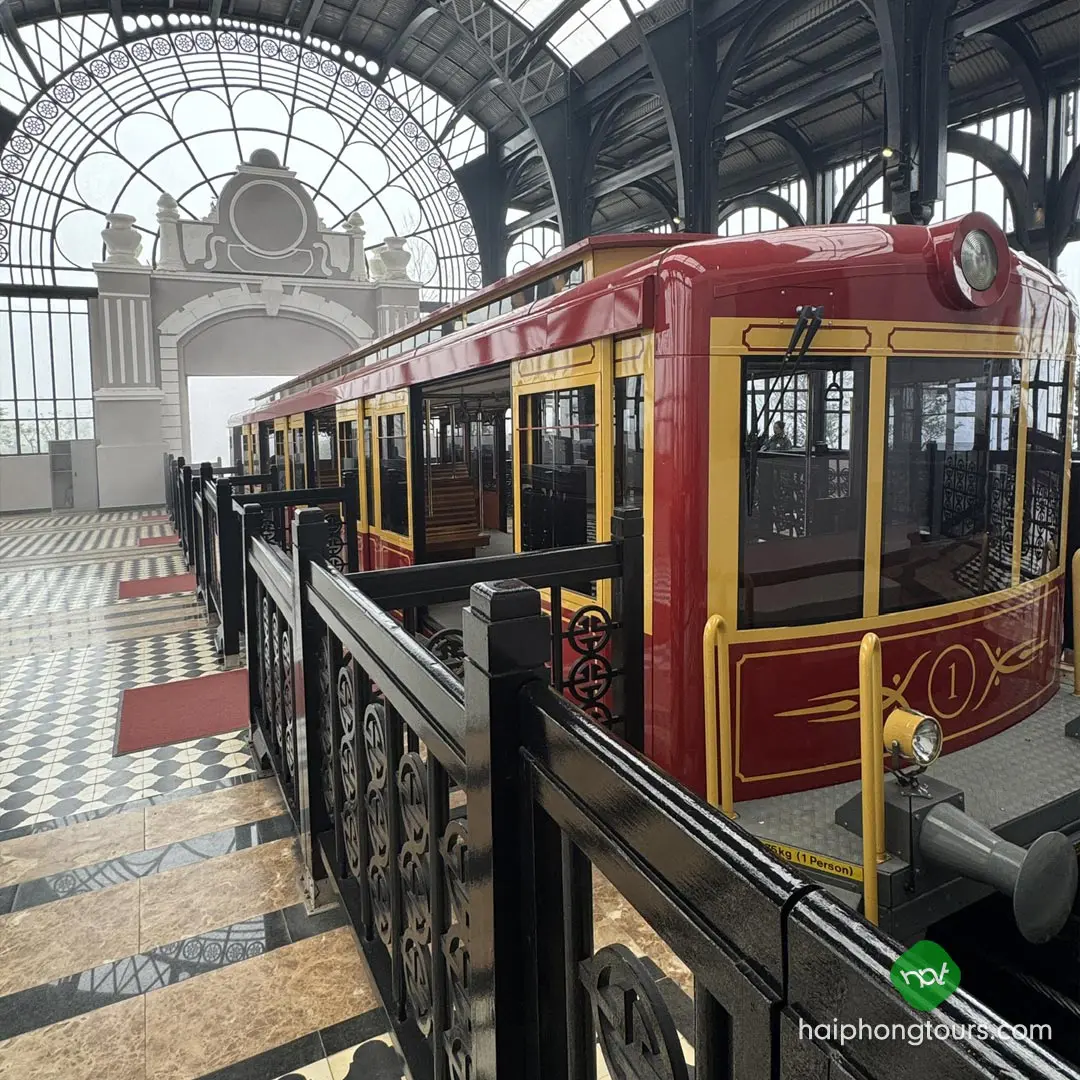

Fansipan ticketing, mountain railway, summit complex and peak marker.
From central Sapa, the Muong Hoa mountain train starts at Sun Plaza and connects to the cable car complex. Traveling by road to the cable car base is another option. Check whether your ticket includes the lower train, the upper train, meals or only the cable car; these are different purchases and combinations.
Allow at least half a day as a planning estimate, with longer for queues, the temple complex and a relaxed pace. Even with the upper train, expect some walking and steps. Take a warm layer and shoes with grip, and check operating conditions before departure. Clear town weather does not guarantee a clear summit.
A guided Fansipan trek is a separate undertaking requiring its own route, preparation and time. Do not add it to a normal sightseeing day as an alternative way back.
2. See the rice terraces in Muong Hoa Valley
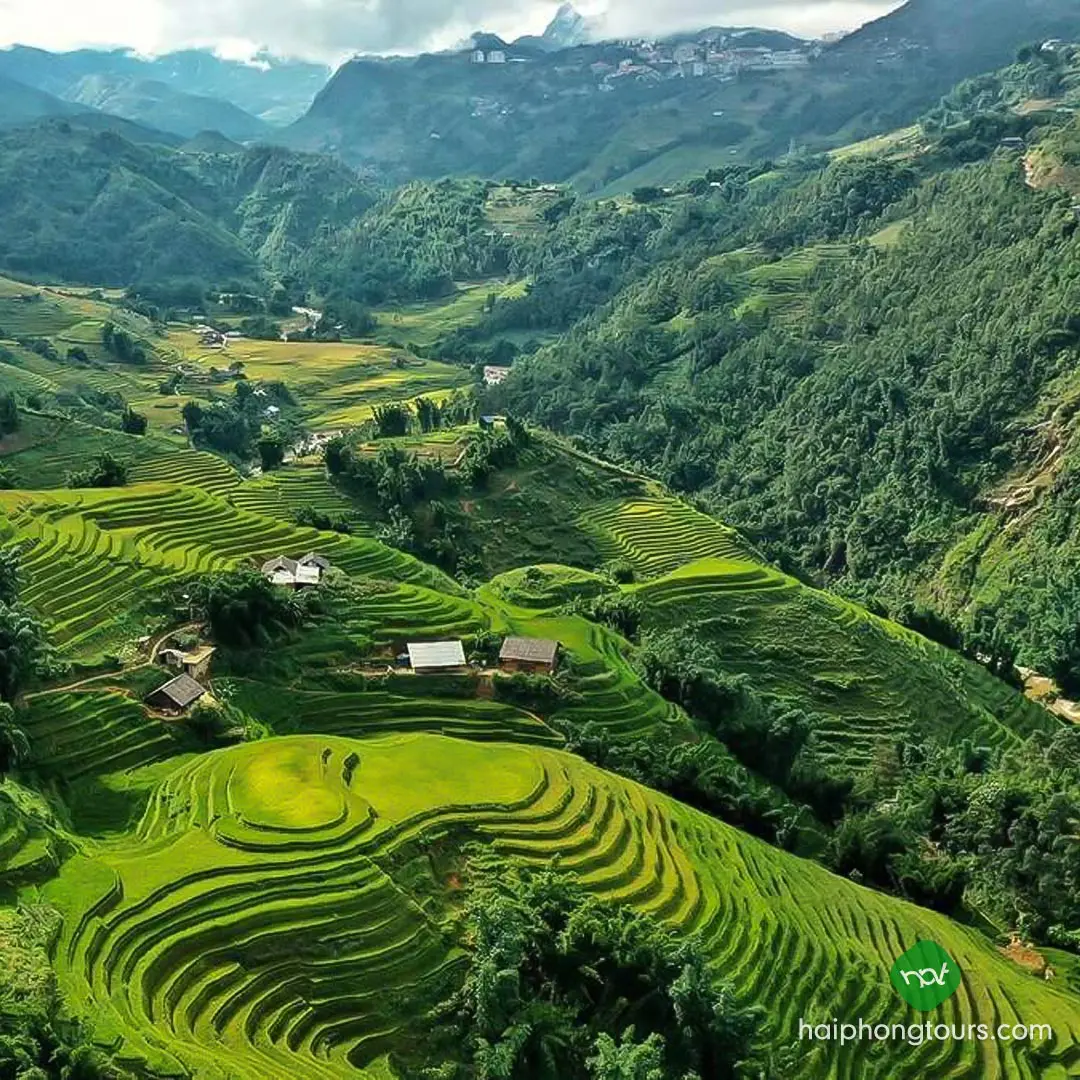
The Lao Chai and Ta Van area is a useful choice if rice terraces are your main reason for visiting Sapa. You can see the valley from road viewpoints, but a walk gives you more time to notice the irrigation channels, field boundaries and changing views between villages.
Choose your route around the crop stage, not just the month. Late summer into early autumn is a useful period to investigate for ripening rice, especially August and September, but individual fields can be harvested at different times. Ask your host or guide what the fields on the proposed route look like shortly before your visit.
Outside the golden-rice period, expect a different landscape: green growth, water-filled plots or harvested fields depending on the season. If photography matters more than walking distance, request fewer stops with more time at each. Keep to paths and ask before entering working fields.
3. Walk through Ham Rong’s gardens and viewpoints
Ham Rong rises behind Sapa’s Stone Church, making it a practical choice when you want an outing from the town center. The route passes gardens and rock formations before reaching higher viewpoints, including San May, often translated as Cloud Yard.
The climb involves stone steps and winding paths. Visiting the lower gardens and completing the route to the upper viewpoint are different commitments; reserve a half-day window for an unhurried visit to the higher areas, and turn back earlier if the steps are tiring.
Choose Ham Rong for gardens and elevated town views. If cloud hides the town, the gardens can still justify a shorter visit, but climbing farther will not necessarily improve visibility. Wear shoes with grip after rain. Its central location does not make the full route suitable for a stroller or anyone needing step-free access.
4. Choose a village walk that matches your fitness
Decide what kind of visit you want before booking a generic “Sapa village trek.” Cat Cat, the Muong Hoa Valley villages and Ta Phin offer different routes and should not be treated as interchangeable stops on one easy walk.
- Cat Cat: a managed sightseeing route near town with steps, craft displays, shops and waterfall scenery. Consider the climb and your exit pickup, especially with young children.
- Lao Chai and Ta Van: a valley outing combining rice landscapes and village paths. Agree on the walking section, vehicle drop-off and pickup rather than assuming you must walk all the way from Sapa.
- Ta Phin: a separate direction for a village visit associated with Red Dao culture. Arrange any craft or herbal-bath experience specifically instead of expecting it to be included in a walk.
Before paying, ask for the approximate walking distance, steepest section, expected road walking and a shorter alternative. A local guide can adapt the route to conditions and help with access across private land. Ask permission before photographing people or entering homes.
After heavy rain, follow local closures and warnings around slopes, streams and damaged paths. Changing the route is more useful than trying to complete a promised distance.
5. Make a separate trip to a weekly highland market
Bac Ha’s main weekly market is on Sunday; Can Cau’s is on Saturday. Both are beyond the immediate Sapa area. Treat either as a full-day road excursion from Sapa, with the departure time arranged around morning trading, rather than a quick stop between local attractions.
Bac Ha suits travelers interested in a substantial market visit with food, produce, textiles and everyday trading. Can Cau is another option when your dates fall on Saturday. Confirm the exact market, meeting point and return destination with the driver or guide; a visit to an ordinary town market is not the same itinerary.
If you want an early start at the stalls without a long drive that morning, consider staying near the chosen market the previous night. Carry small Vietnamese dong notes, agree on prices before buying, and ask before taking close portraits. Do not assume every textile on sale was made by the seller.
Check any onward bus or train connection before committing. A market trip adds substantial road time to a short Sapa stay.
6. Spend a night in a Ta Van homestay
An overnight stay in Ta Van lets you remain in the valley after a day walk instead of immediately returning to town. Dinner and a slower morning can be the main attraction, especially if you prefer time in one place to a longer sightseeing list.
The word “homestay” alone does not tell you whether you will share a family home, sleep in a dormitory or stay in a separate guest room. Before booking, confirm:
- The actual property and room type, including whether the bathroom is private.
- Hot water, bedding and heating arrangements for your travel season.
- Whether dinner and breakfast are included, their timing and any dietary needs.
- How close a car can reach, and whether the final approach involves steps or a footpath.
- Where your main luggage will stay and how you will return to Sapa.
Take a small overnight bag if luggage storage has been agreed. Allow time to collect larger bags before your onward departure; a valley stay and a town-center bus pickup require a connection between them.
7. Follow Golden Stream to Love Waterfall
The Golden Stream–Love Waterfall area lies along the Highway 4D route from Sapa toward Lai Chau. This is a forest walk after you leave the road, with the stream and waterfall forming part of the same outing.
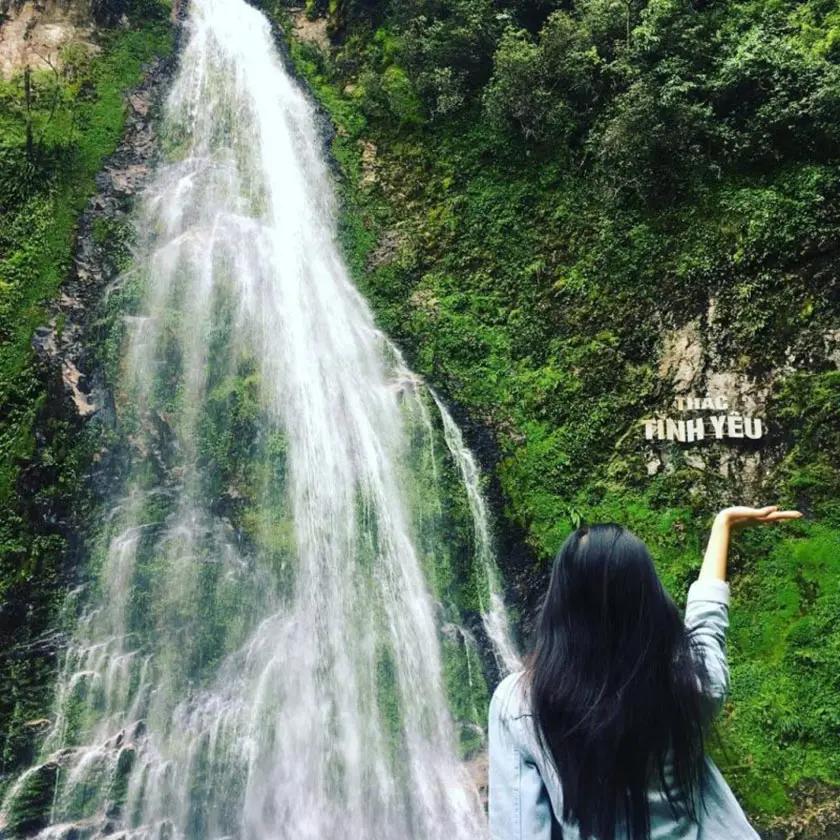
Choose it if you want woodland and moving water rather than another town viewpoint. Allow time for the walk out and back, stops and the road journey; ask at the entrance about the route available that day before setting a pickup time.
Silver Waterfall is a separate stop on the same general road corridor. It offers a more roadside visit, although the viewing route also includes steps. If time or energy is limited, choose one waterfall instead of rushing through both.
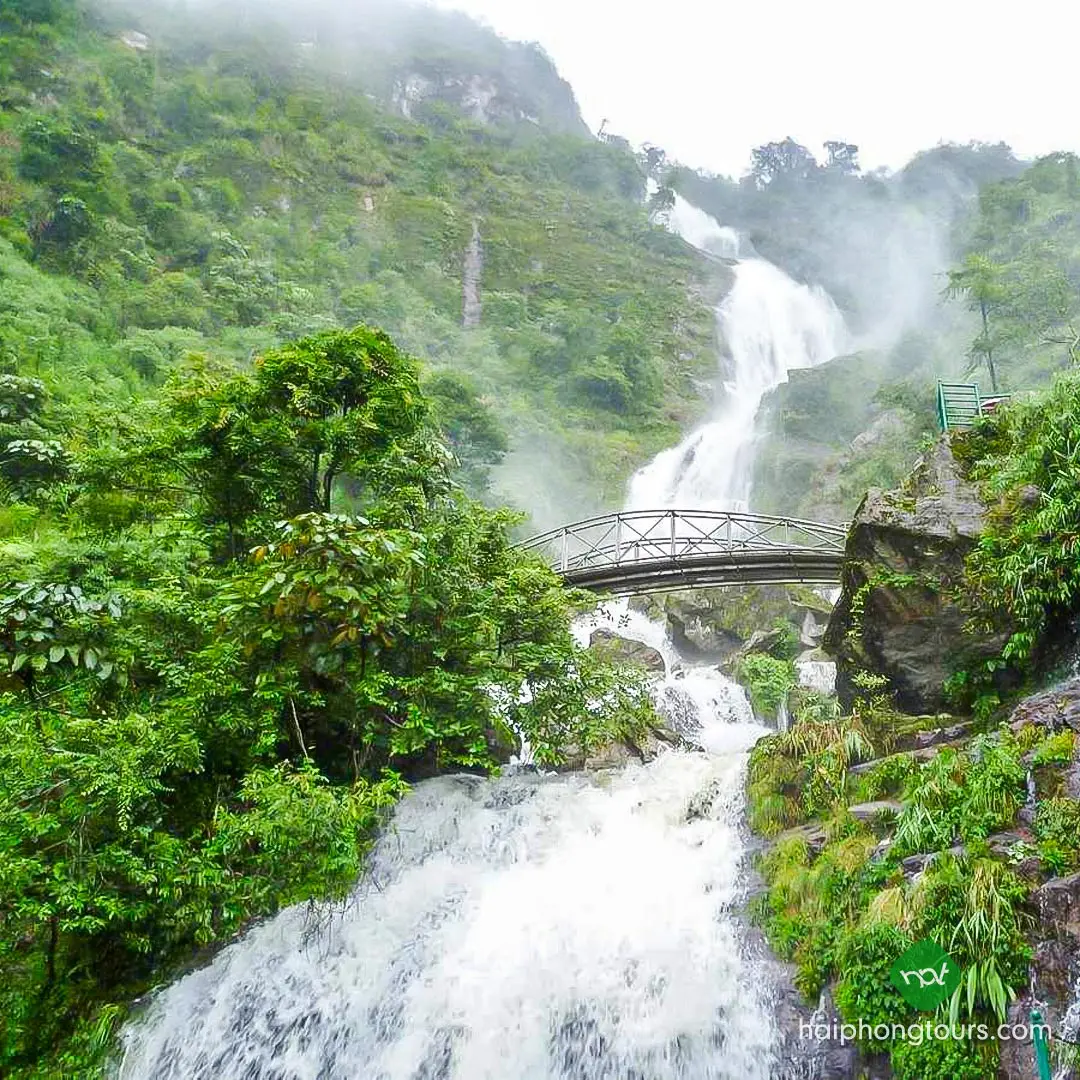
Stay on designated paths and respect barriers around wet rocks and water. Do not build swimming into the plan. Rain can affect both walking conditions and access, so let the day’s local guidance determine which stops are sensible.
8. Take the O Quy Ho road for mountain views
O Quy Ho is the mountain-pass route toward Lai Chau. It pairs geographically with the waterfall road, making it a more coherent outing than crossing between this route and the Muong Hoa Valley on the same short afternoon.
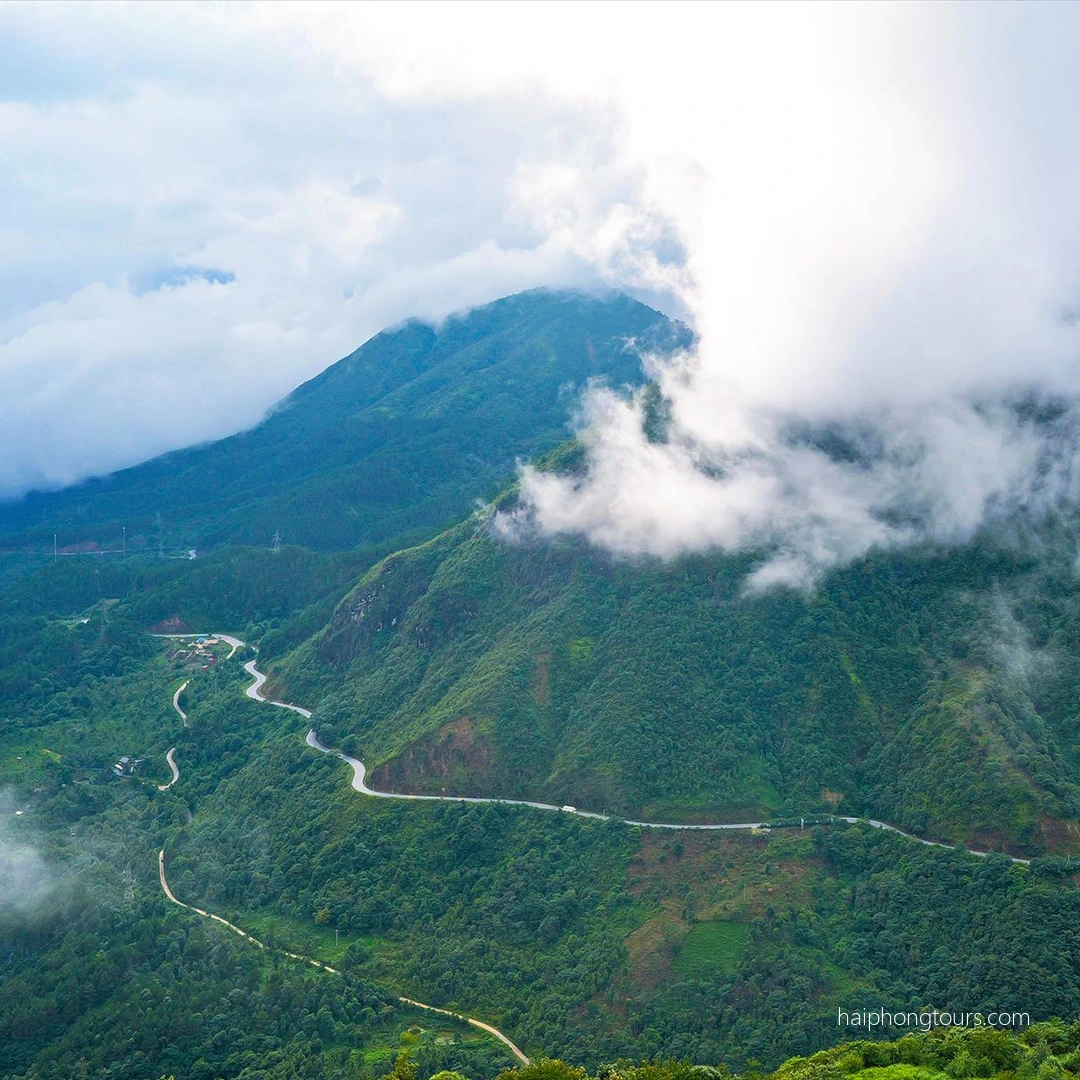
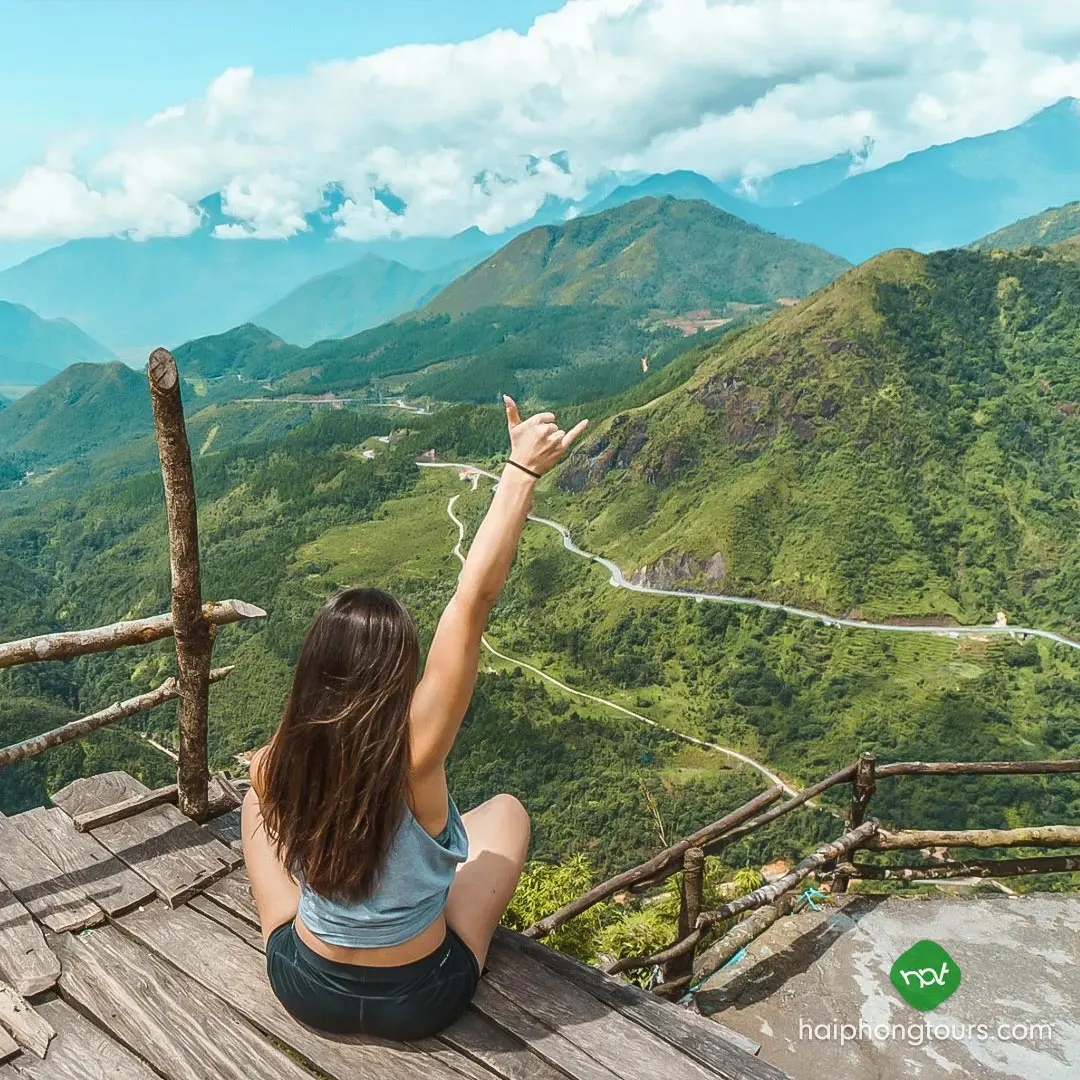
O Quy Ho Pass road and mountain viewpoints.
Distinguish the road itself from the paid Cong Troi O Quy Ho visitor complex. Rong May Glass Bridge is another separate attraction; the names “Heaven Gate,” “O Quy Ho” and “glass bridge” should not be treated as one ticket or one stop.
Ask your driver which viewpoint or entrance is included and where you can stop safely. Visibility matters more than reaching the pass at a fixed hour: there is no year-round sunset time, and mist can hide the mountains completely.
Plan the return before waiting for evening light. Choose designated stopping places, leave space for mountain-road delays and avoid turning a scenic outing into a rushed drive back after dark. In poor visibility, a shorter visit or a different day may be more rewarding.
How to turn the eight experiences into a realistic stay
With two full days in Sapa
Use one day for Fansipan and the other for a Lao Chai–Ta Van walk that includes rice terraces. Keep the evenings for dinner and rest. You can swap the days according to conditions, but check any booked ticket’s change rules first.
If you prefer village life to the summit, replace Fansipan with a walk and homestay arrangement across the two days. Agree on the second day’s finishing point and return time before you book onward transport.
With three full days
Add the waterfall and O Quy Ho road outing, or choose a shorter Ham Rong or Cat Cat visit with more time in town. A market day can replace one of these days when the weekday fits; it should not be squeezed into a Fansipan or village-walking day.
Count these as usable sightseeing days, separate from long arrival and departure journeys. Before confirming the plan, settle your main priority, walking ability, hotel location and final departure time. Those four details will help you choose a Sapa trip you can enjoy without rushing through all eight experiences.
Mountain scenery does not require a village trek. The Sapa without trekking guide builds a two-day plan around Fansipan transport, road-accessible views, food and recovery time.
Useful guides for your trip
Would you like help fitting this experience into your trip? Contact us with your travel dates, starting point, available time and group size. Tell us about walking limits or special interests so we can suggest a practical itinerary.