An ancestral trip in northern Vietnam should begin with evidence, not a flight booking. Collect every old place name, personal name, photograph, date, letter and family story first, then build a location chain from the historic village to its current commune and province or city.
Administrative names changed extensively in 2025, and older documents may use districts or provinces that no longer appear on current booking maps. Allow at least two nights near the likely area and keep one unscheduled day for local introductions, records or a second visit.
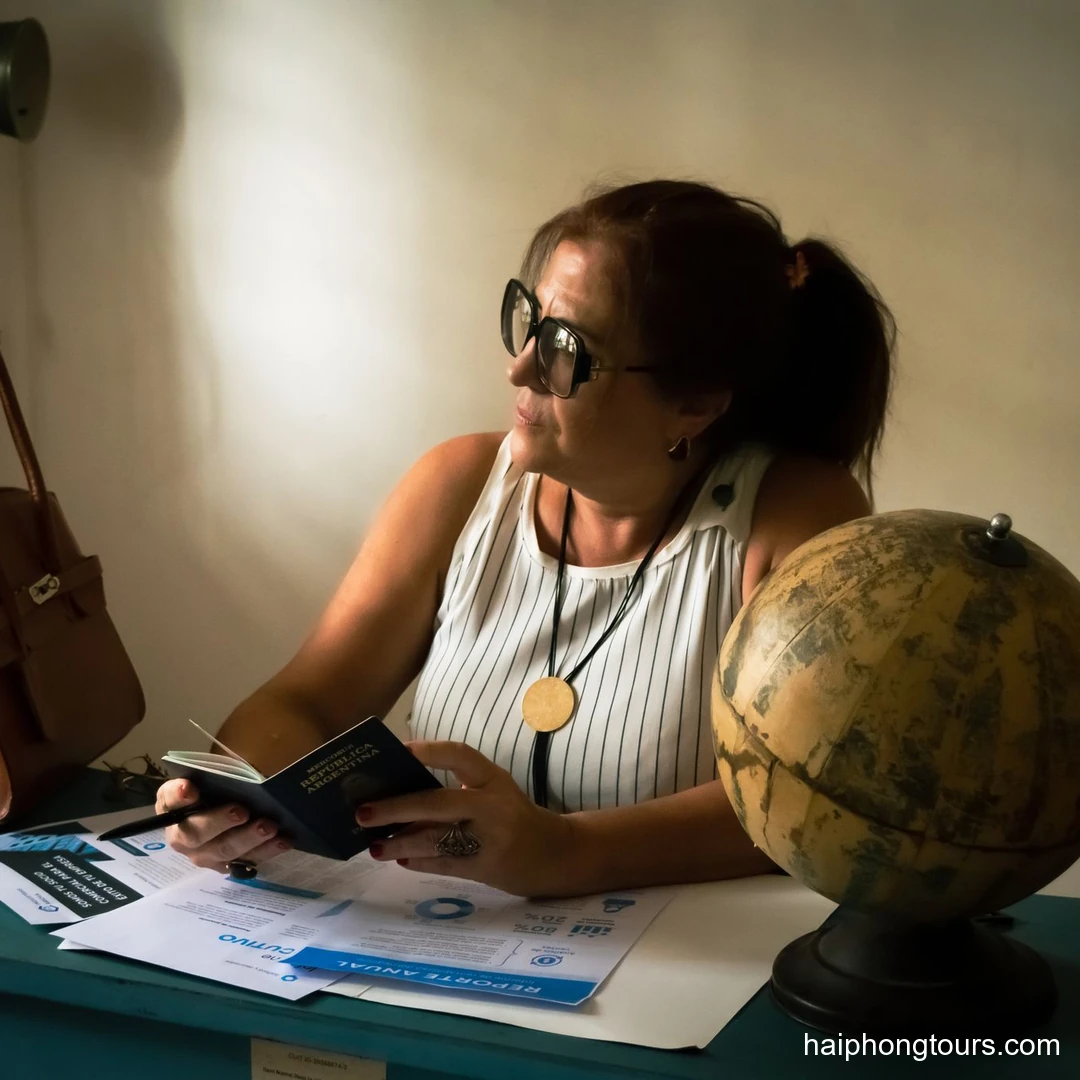
Build a family evidence packet
Create one shared folder and one printed summary. Include:
- Full names in the original spelling, without removing Vietnamese diacritics when they are known.
- Alternative Romanized or handwritten spellings.
- Birth, marriage, migration and death dates.
- Old addresses, village, commune, district and province names.
- School, military, church, pagoda, occupation and association references.
- Front and back scans of photographs, letters and envelopes.
- Names of living relatives and how consent to contact them was obtained.
Keep uncertain information labeled as uncertain. Repeating a family story in several documents does not automatically make it an official record.
Use technology as a lead, not proof
Optical character recognition can extract text from typed documents, while image search may suggest a building or landscape. AI can help group spelling variants and generate search terms. None of these tools proves identity or location on its own.
Verify a match through several independent details: road or river alignment, roofline, mountain profile, sign, institution name and approximate date. Old photographs may be reversed, cropped or taken before reconstruction. Save the original file before enhancing it.
Translate old and new place names
Vietnam moved to 34 provincial-level units and a two-tier local-government model in 2025. Several northern names changed through mergers. Hai Duong, for example, became part of the expanded Hai Phong municipality, while Ha Giang and Tuyen Quang combined under the Tuyen Quang name.
For every historic place, record four fields:
- Name exactly as it appears in the old document.
- Historic district and province, if known.
- Current commune or ward.
- Current province or centrally governed city.
Do not replace the old name in your notes. Keeping both versions is essential when asking older residents or searching a family genealogy.
What records may exist
Useful evidence may come from household documents, civil records, family genealogies known as gia pha, cemetery inscriptions, religious communities, schools and local historical associations. Access is not guaranteed, records may be incomplete, and a foreign visitor may need a Vietnamese-speaking relative or authorized local helper.
Contact the relevant institution before arrival and explain the date range, place and purpose. Do not arrive at a commune office expecting staff to perform open-ended family research while you wait. Bring identification and ask what authorization is required.
Plan the village visit respectfully
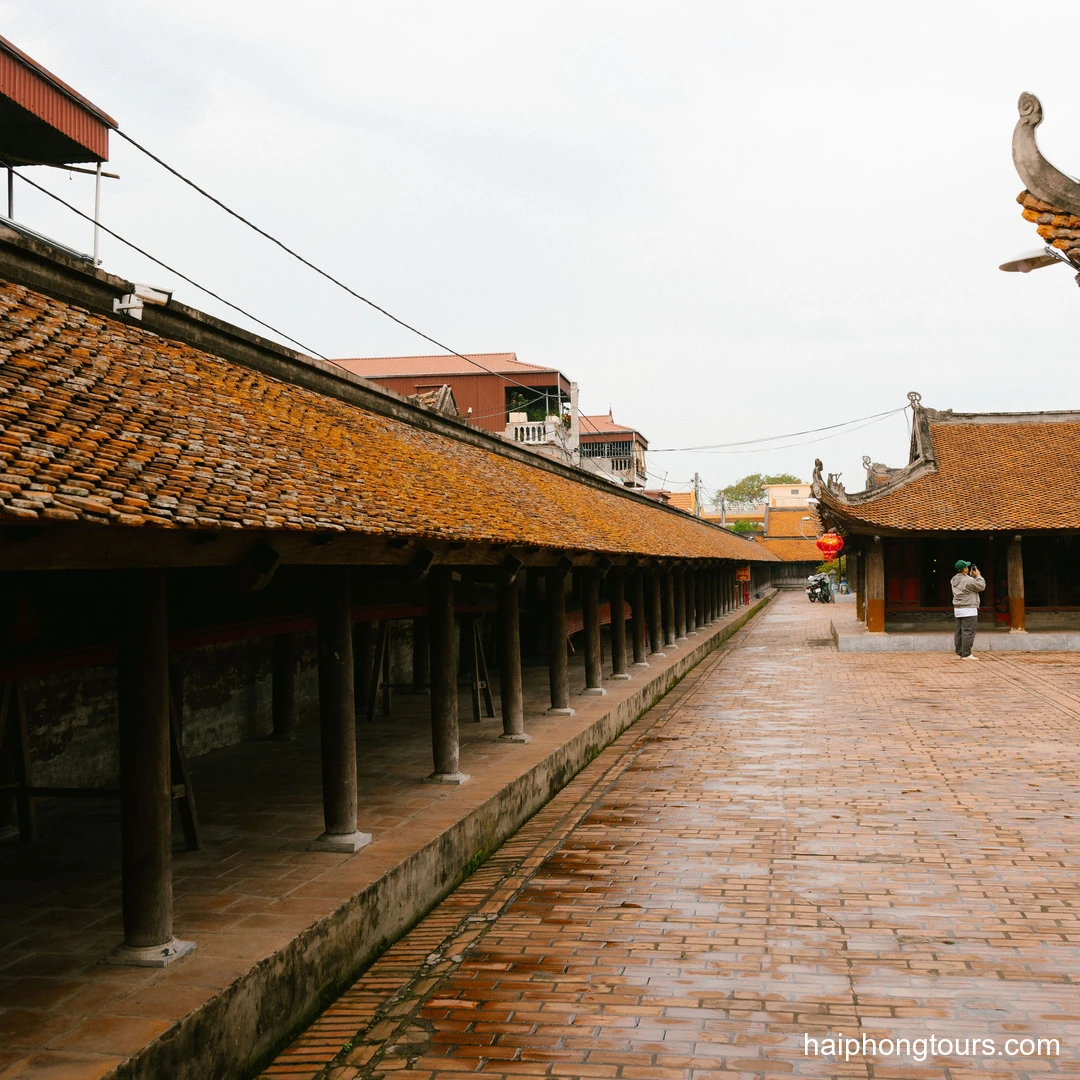
A family home, clan hall, cemetery or village shrine is not a normal tourist attraction. Arrange an introduction through a known relative or trusted local contact where possible. State who you are, why you hope to visit and how any photographs will be used.
- Use a trained interpreter for sensitive conversations.
- Ask before recording audio, video, documents or graves.
- Do not publish names, addresses or family disputes without permission.
- Bring a small respectful gift only when your local contact says it is appropriate.
- Expect tea and conversation to take longer than the photograph itself.
- Do not promise money, immigration help or future contact you cannot provide.
A realistic five-day heritage framework
- Day 1: arrive in Hanoi and meet the interpreter or researcher. Review evidence and current place names.
- Day 2: visit a national or regional museum, archive or historical site connected to the family’s period.
- Day 3: travel to the current town nearest the ancestral place and confirm the next day’s contact.
- Day 4: make the village or neighborhood visit without another fixed activity.
- Day 5: use the buffer for a second meeting, cemetery, institution or corrected location.
If the evidence points to several provinces, plan separate bases. A rushed loop can turn a meaningful visit into repeated road transfers.
Visiting a family cemetery or memorial
Ask a relative, village contact or interpreter to explain access and ritual expectations before entering. Do not move offerings, clean a grave, make a rubbing or photograph names without permission. Record original spellings and dates carefully because family memory, local pronunciation and official romanization may differ.
If an old image is part of the evidence, use the old-photo recreation guide. Travelers bringing older relatives can also compare pacing and room needs in the North Vietnam trip with adult parents guide.
Recreate an old photograph carefully
Confirm the location before staging clothing or a large group. Buildings may now be homes, schools, government offices or religious spaces. Ask the current custodian for permission, keep doorways clear and avoid copying a pose that would be disrespectful today.
Match the angle and background rather than stepping into traffic, fields or restricted land. If the original spot is inaccessible, use a nearby public viewpoint and explain the change in the family caption.
Add historical context without replacing family memory
A heritage route becomes more useful when you understand the surrounding period. The North Vietnam history route guide links major eras to places, while the museum guide helps choose institutions by subject. For rural architecture and settlement patterns, use the village guide and architecture guide.
Public history can clarify migration, war, work and administrative change, but it may not resolve private family events. Keep institutional records, oral history and your own interpretation as separate layers.
Choose help by task
An interpreter helps with live conversation. A guide explains places and history. A researcher traces documents and place-name changes. A driver solves transport. One person may cover more than one role, but ask for evidence of the exact skill you need.
Before hiring anyone, define the deliverable: translated documents, a contact attempt, an itinerary, accompanied interviews or a research report. Agree on privacy, expenses, ownership of scans and what happens if the first location is wrong.
Prepare for an incomplete answer
Records may have been lost, buildings rebuilt and relatives moved. A successful trip may confirm only the district, landscape or institution connected to the family. Do not pressure residents to solve gaps or endorse a relationship they cannot verify.
The most durable result is an organized record of what was known, what was found and what remains uncertain. That makes the journey useful to the next generation even when there is no single dramatic discovery.
Would you like help fitting this experience into your trip? Contact us with your travel dates, starting point, available time and group size. Tell us about walking limits or special interests so we can suggest a practical itinerary.