
Ba Che to Hai Phong begins with a reliable inland pickup. A private car offers the simplest door-to-door plan. A budget journey combines a local vehicle to Ha Long, Cam Pha, Tien Yen or another workable hub with a separate westbound service, but every handover needs confirmation.
Do not describe the pickup only as “Ba Che.” Central Ba Che, the bus station, riverside settlements and upland villages can be far apart. Send the vehicle-accessible pin, Vietnamese place name and host contact before choosing the departure.
Work backward from Hai Phong
- City hotel: flexible enough for a moderate road delay.
- Cat Bi Airport: requires the flight number and airline deadline.
- Hai Phong Railway Station: requires the train and station-arrival time.
- Do Son: a separate district drop.
- Cat Ba: a road transfer plus a current boat or ferry plan.

Secure the first local vehicle
Ask whether the vehicle reaches the property entrance, a commune center or a main-road junction. A pin can mark the building while the practical pickup is elsewhere. Agree on walking distance and luggage help.
Reconfirm the evening before an early departure. Settle the bill, pack and arrange breakfast before the driver arrives. Keep one phone audible because rural directions may require a call between driver and host.
Direct private car
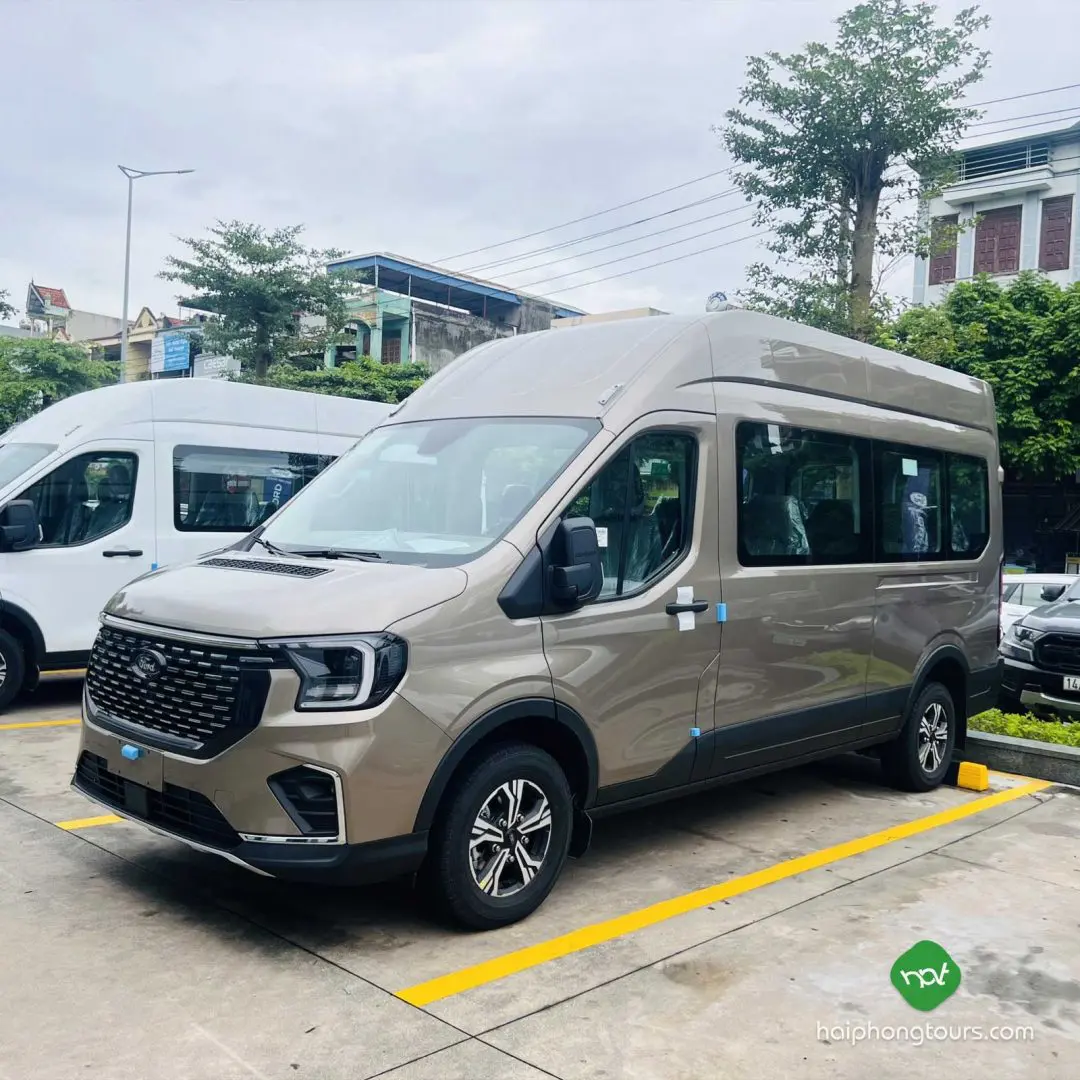
A direct car keeps luggage together and avoids uncertain connections. State the real pickup, Hai Phong entrance, passengers, bags and required arrival. A rural approach adds time before the main westbound journey.
Hai Phong Tours recommends confirming driver rest, tolls, parking and change terms. A sightseeing stop in Quang Ninh or waiting through a meeting must be written into the scope.
A large van is not automatically best. Ask whether it fits the village lane and turning point. Send a luggage photograph when carrying work equipment, bicycles or bulky bags.
Shared journey through a hub
Reserve the local sector before buying the westbound ticket. The driver should meet at the exact property and deliver to a named coach office or stop. Do not rely on a verbal promise to “take you to the bus.”
At the hub, allow time to unload, eat, use a toilet and move between operators. A local delay is not protected by a separate Hai Phong ticket. Choose a later service or an overnight when the chain is tight.
Which hub should you use?
The practical hub depends on the pickup road and current schedules. Ha Long and Cam Pha offer broader transport choices; Tien Yen may suit some eastern approaches. The host’s local knowledge and a confirmed departure matter more than the shortest map distance.
Ask where the westbound vehicle finishes in Hai Phong. A bus station or roadside office still requires a taxi to Cat Bi, the railway station or a hotel.
Build a connection that can survive a delay
A workable public-transport chain has one flexible sector. If the local car is fixed, choose a westbound departure with a generous gap. If the coach is the only useful service that day, arrange the local driver early enough to wait near the boarding point. Do not make both sectors depend on an exact rural-road arrival.
Keep the two drivers’ numbers, but do not assume they will coordinate without instruction. Send each person the same meeting pin and passenger name. If the first vehicle is late, contact the ticket office before the scheduled departure rather than after the coach has passed.
Protecting a flight or train
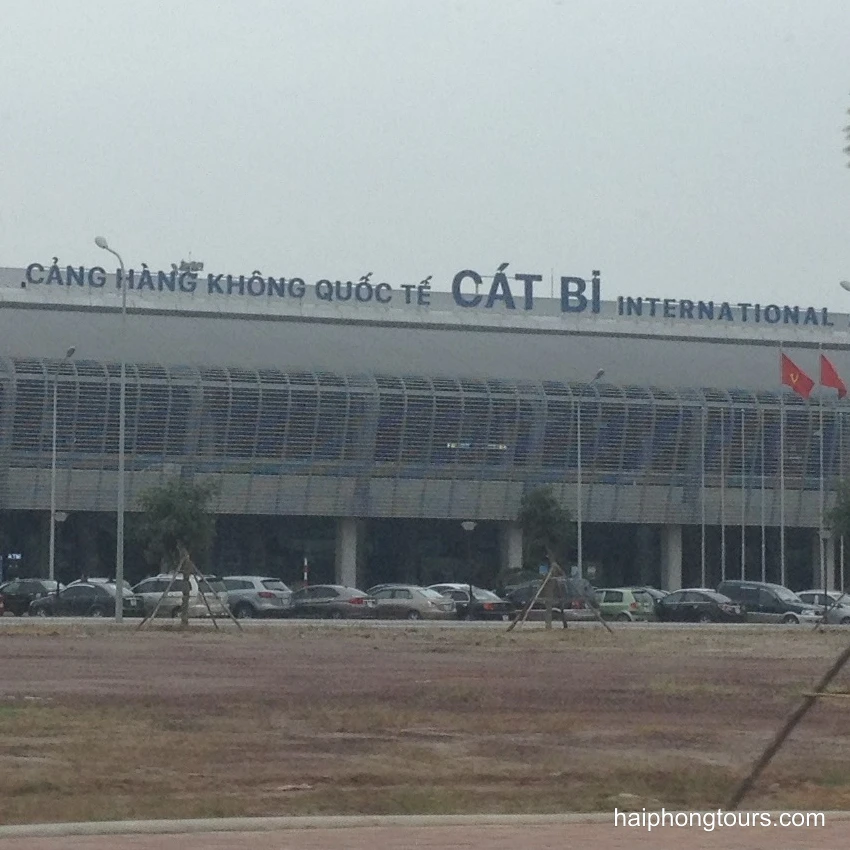
For Cat Bi, work backward from airline check-in and add rural pickup, main-road travel, a moderate disruption and terminal unloading. When the flight is important, travel to Hai Phong the previous day.
For a train, confirm the correct station and boarding time. A shared vehicle ending outside central Hai Phong should arrive much earlier than the train.
Continuing to Cat Ba
Cat Ba adds a water crossing after the Ba Che road journey. Verify the current terminal and boat close to travel. Road and marine weather are separate risks, so an overnight in Hai Phong provides useful protection.
Rain and local road decisions
Heavy rain can affect minor roads, low crossings, slopes and visibility around Ba Che. Check with the host and local driver on the departure morning. Follow official diversions and never ask for a shortcut around a closed road.
Use a simple fallback order: leave earlier, remove optional stops, meet at a safe lower point, or postpone the local departure. Protecting safety matters more than preserving the original timetable.
Food, cash and phone coverage
Carry water, medication and a snack in the cabin. Download maps, tickets and the property address before leaving. Keep enough Vietnamese cash for a local taxi or unexpected meal, but store most valuables securely.
Vehicle size and luggage
Count full-size cases, backpacks and equipment separately from passengers. A seven-seat vehicle carrying six adults may have little room for six large cases. Send a luggage photograph before the car is assigned instead of solving the problem on a rural roadside.
Keep passports, medication, electronics and one warm or waterproof layer in the cabin. If a smaller local car feeds into a coach, confirm that both vehicles accept the bags. Oversized bicycles, samples or tools need written approval and may require a dedicated vehicle.
Arriving in Hai Phong after dark
Confirm whether the intercity vehicle ends at a staffed office, a bus station or a roadside stop. Save the final taxi destination in Vietnamese and use a booked or clearly identified vehicle. A hotel can often help with a pickup when the coach stop is difficult to describe.
Do not schedule a last-minute Cat Ba crossing after a long Ba Che connection. If the boat plan is uncertain, sleep in Hai Phong and continue in daylight. The same rule helps when an arriving train or flight is the next morning: a central hotel reduces the number of moving parts.
The Ba Che travel guide helps identify whether the pickup is central or rural. Use its location context before sending the driver’s pin.
Departure checklist
- Accessible Ba Che pickup and host contact.
- Exact Hai Phong hotel, airport, station or terminal.
- Passengers, luggage and vehicle access.
- Every local-to-intercity handover.
- Weather and road check on departure morning.
- Earlier fallback for a fixed flight or train.
The practical return protects the local pickup as carefully as the intercity ticket. For travel in the other direction, use the Hai Phong to Ba Che transport guide.
Useful guides for your trip
Would a private transfer make this journey easier? Contact us with your travel date, exact pickup and drop-off, number of travelers and bags. Include any flight, train or cruise deadline so we can assess a suitable plan and quotation.