
Ban Phu Citadel adds an earlier chapter to a Dien Bien Phu trip: the eighteenth-century struggle for the Muong Thanh Valley. The visit centers on the surviving citadel traces and the Hoang Cong Chat temple, around 8 km south of central Dien Bien Phu. It is a useful choice if you want to understand the valley beyond the 1954 battlefield.
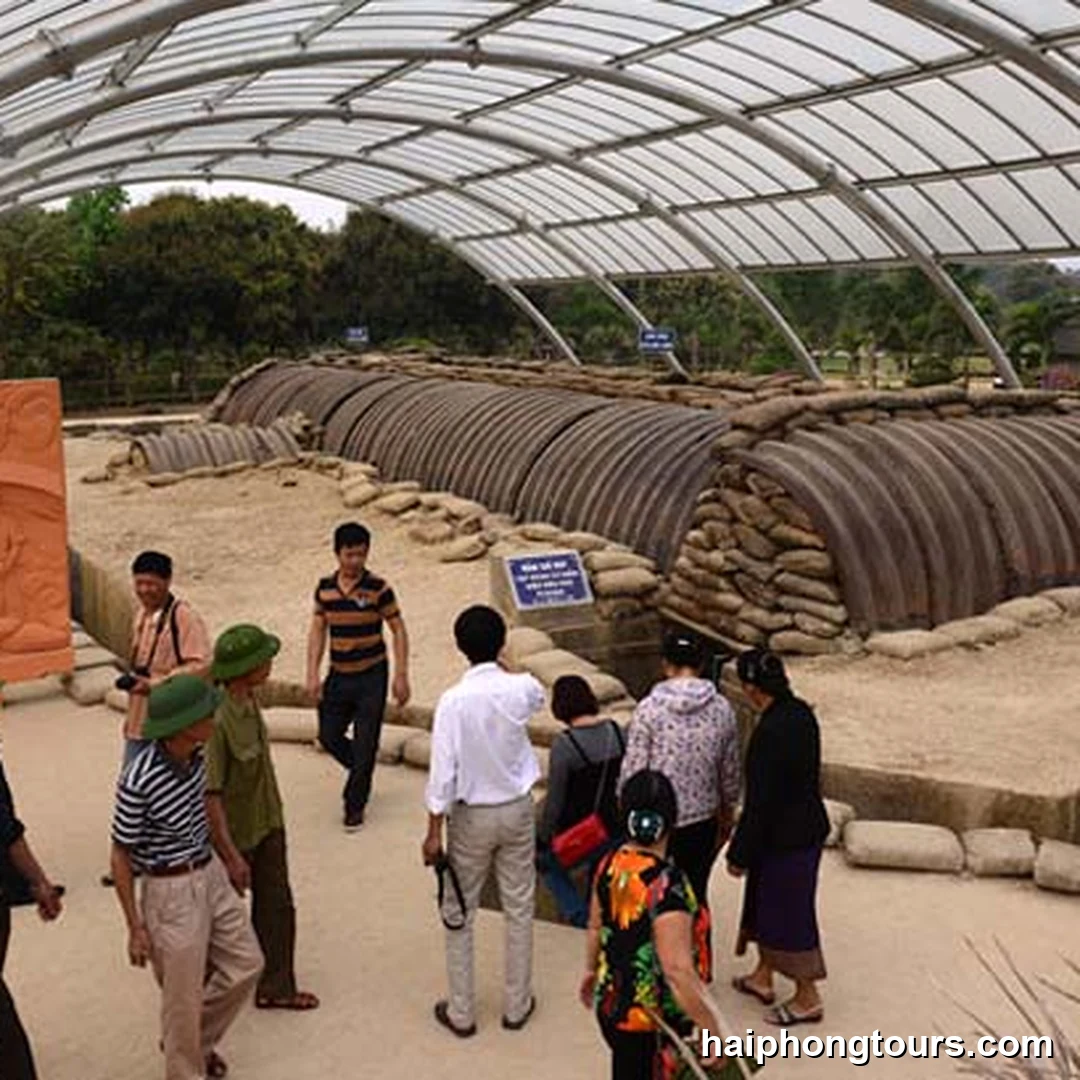
Allow roughly an hour to an hour and a half on site as a planning estimate, with more time for interpretation or a festival. Expect a historic landscape and an active place of worship, rather than a complete fortress full of restored military rooms. Travelers with only one sightseeing day should usually give the main museum and battlefield sites priority.
Find the right Ban Phu
The site is Thành Bản Phủ, xã Thanh An, tỉnh Điện Biên. Older maps and guidebooks place it in Noong Het commune; that area is now within Thanh An. Save the citadel or Hoang Cong Chat temple entrance rather than a generic commune center.
A short road outing from your Dien Bien Phu hotel is the practical format. Arrange a taxi or car with a return collection, especially if you want time to walk without watching a meter. The approximate 8 km distance is from the city center; the actual drive depends on your hotel and the entrance used.
This is different from the French command bunker and from Muong Phang, the Vietnamese headquarters of the 1954 campaign. The broader Dien Bien Phu travel guide helps separate those locations before you build the itinerary.
Why Hoang Cong Chat matters here
Hoang Cong Chat was a leader of an eighteenth-century peasant uprising. In the Muong Thanh region, his forces worked with local Thai leaders, including Ngai and Khanh, against the Phe forces occupying the valley. The victory remembered locally dates to 1754, two centuries before Dien Bien Phu’s better-known battle.
Ban Phu, also called Chieng Le, was built between 1758 and 1762 as a base for his forces. Its inner area accommodated the leadership, while an outer area served troops and supporting functions. Much of the original complex has been lost or altered, so its significance is easier to appreciate with a little historical explanation than by judging the size of the buildings alone.
The temple honors Hoang Cong Chat and associated commanders. That shared remembrance is central to the place: the story brings together a leader from the lowlands and the Thai communities of the northwest. It also explains why a former military site functions today as a living religious and community space.
How to spend your time at the site
Read the landscape before entering the shrine
Begin by orienting yourself around the grounds and the remaining defensive traces. Ask a guide to distinguish the citadel’s former footprint from the present temple compound and later restoration. A gateway or renovated building should not automatically be read as an untouched eighteenth-century structure.
The open grounds, trees and shrine make a slower visit more rewarding than a single photograph at the entrance. Stay on visitor paths, and avoid climbing remains or treating an earthwork as a viewpoint. If part of the grounds is under maintenance, keep the visit to the areas open that day.
Visit Hoang Cong Chat’s temple respectfully
The temple was established within the former inner citadel after the leader’s death and has undergone repairs and restoration. Look at the carved timber, altar arrangement and inscriptions as part of an ongoing tradition of commemoration. A guide who can explain the people being honored is more useful here than one who only translates the attraction’s name.
Cover shoulders and knees, keep voices low and follow the attendant’s guidance about entering worship areas and photographing altars. You can visit respectfully without taking part in a ritual. Keep doorways clear when worshippers are carrying offerings or moving through the temple.

Notice the shared cultural symbols
One local tradition associates three trees growing together at the temple with solidarity between lowland and highland communities. It provides a more specific way to understand the grounds than viewing every large tree simply as a scenic backdrop. Ask for the local explanation, while treating symbolic stories as cultural interpretation rather than botanical proof of an exact historical event.
The festival is a different kind of visit
The Hoang Cong Chat temple festival is normally centered on the 24th and 25th days of the second lunar month. These are lunar dates, so their position in the Western calendar changes each year. Confirm the annual program before arranging a trip specifically for it.
A festival visit can include communal worship, folk games, cultural performances and displays of local products. Activities such as circle dancing or bamboo-pole dancing belong to the announced program; they are not daily shows waiting for an ordinary visitor. Allow extra time for access and crowds, and choose whether your priority is the ceremony or a quieter look at the site.
For photography, stand outside ceremonial routes and ask before making a person or ritual the main subject. A festival is a community occasion rather than an open invitation to approach every altar or join every activity.
Fit Ban Phu into a Dien Bien Phu stay
On a trip with two full days or more, Ban Phu can occupy a separate morning or afternoon block. Keep the rest of that block flexible for the drive and a meal rather than filling it with several distant stops. The Dien Bien food guide gives context for Thai dishes and local rice when you return for lunch or dinner.
If this is your first visit and time is tight, start with the Dien Bien Phu Victory Museum and selected battlefield sites. Ban Phu becomes more valuable when you want a second historical perspective, not when it forces you to rush the places that brought you to the city.
Visit during daylight and have your hotel or guide establish access arrangements for the intended day, especially around festivals or organized ceremonies. Arrange English interpretation ahead of time if the historical detail matters to you; do not assume a walk-in English tour. For travelers who enjoy understanding why a place is still meaningful to its community, that preparation is what turns Ban Phu from a quick temple stop into a worthwhile visit.
Would you like help fitting this experience into your trip? Contact us with your travel dates, starting point, available time and group size. Tell us about walking limits or special interests so we can suggest a practical itinerary.