
For Tet photos in Hai Phong, start with the Opera House and central gardens for recognizable city scenery, or the Le Hong Phong flower market for the preparations before Lunar New Year. Tam Bac adds a riverside setting, while Ha Lung suits travelers who want to see the flower-growing side of the holiday and can arrange access to a working garden.
The timing matters as much as the location. Flower markets sell plants for people to take home before Tet; they are not dependable attractions throughout the holiday. If you arrive after Lunar New Year’s Eve, make the central public spaces your starting point and check the current displays before planning a longer photography outing.
1. Opera House and central gardens: an easy first choice
Search for Nhà hát thành phố Hải Phòng, also called the Hai Phong Opera House. Its exterior and the surrounding central gardens give your photographs a clear connection to the city. Around Tet, floral arrangements and seasonal decorations can add color without requiring a trip to the outskirts.
Start with a wider photograph that includes the building, then look for a simple background in the nearby gardens for portraits. The Quan Hoa flower pavilions near the square are another recognizable part of this central setting. Stay outside planted beds and leave access routes clear.
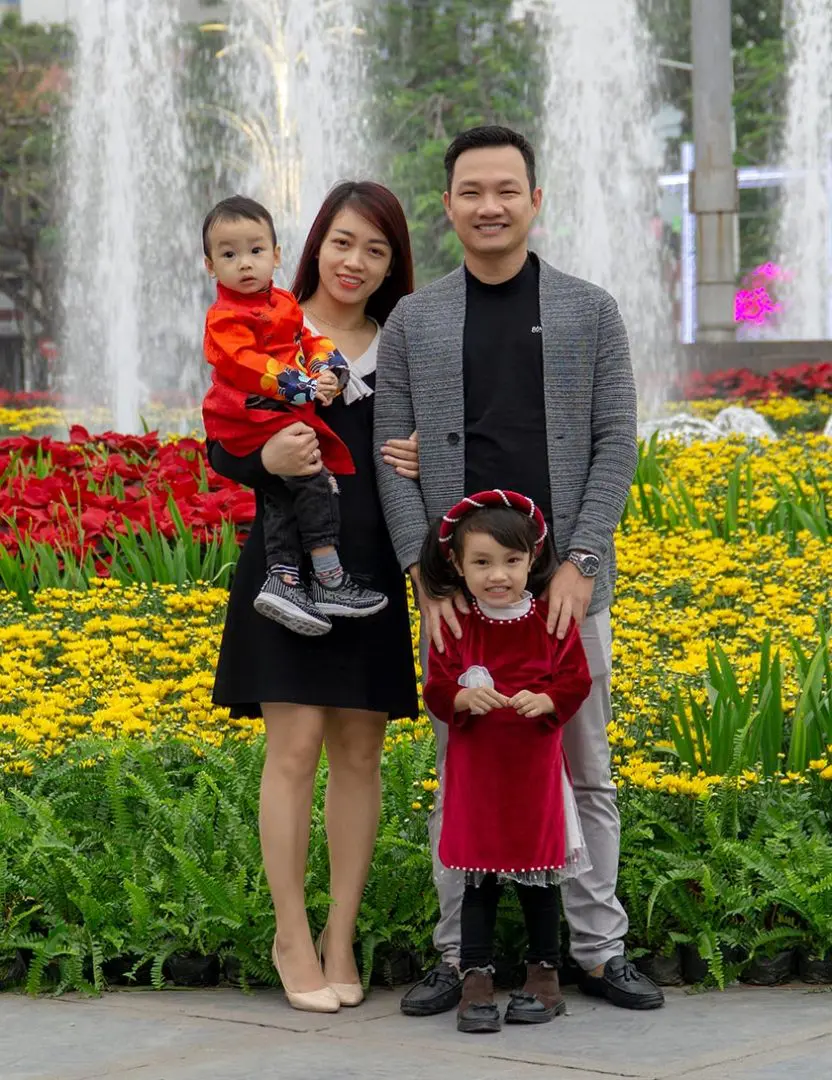
Best for: a first visit, family photographs and an ao dai portrait with city architecture. A short early visit is usually easier to manage than trying to pose during a crowded evening event. If a stage or barrier occupies your preferred angle, use another part of the gardens rather than trying to enter a restricted area.
The square is a practical meeting landmark, but agree on a legal pickup point on an adjoining street. Photographing the exterior does not include access inside the theater. Seasonal installations, public events and lighting arrangements change, so choose your exact background when you arrive.
2. Tam Bac riverside: water, street scenes and evening light
Use Phố đi bộ Tam Bạc as your search term and confirm the precise meeting point with your driver or photographer. The riverside offers a different composition from the Opera House: water, the line of the promenade and buildings along the opposite bank.
Distinguish Tam Bac River from Tam Bac Lake. They share a name but are different places. A meeting arrangement that says only “Tam Bac” can leave two people waiting at different locations.
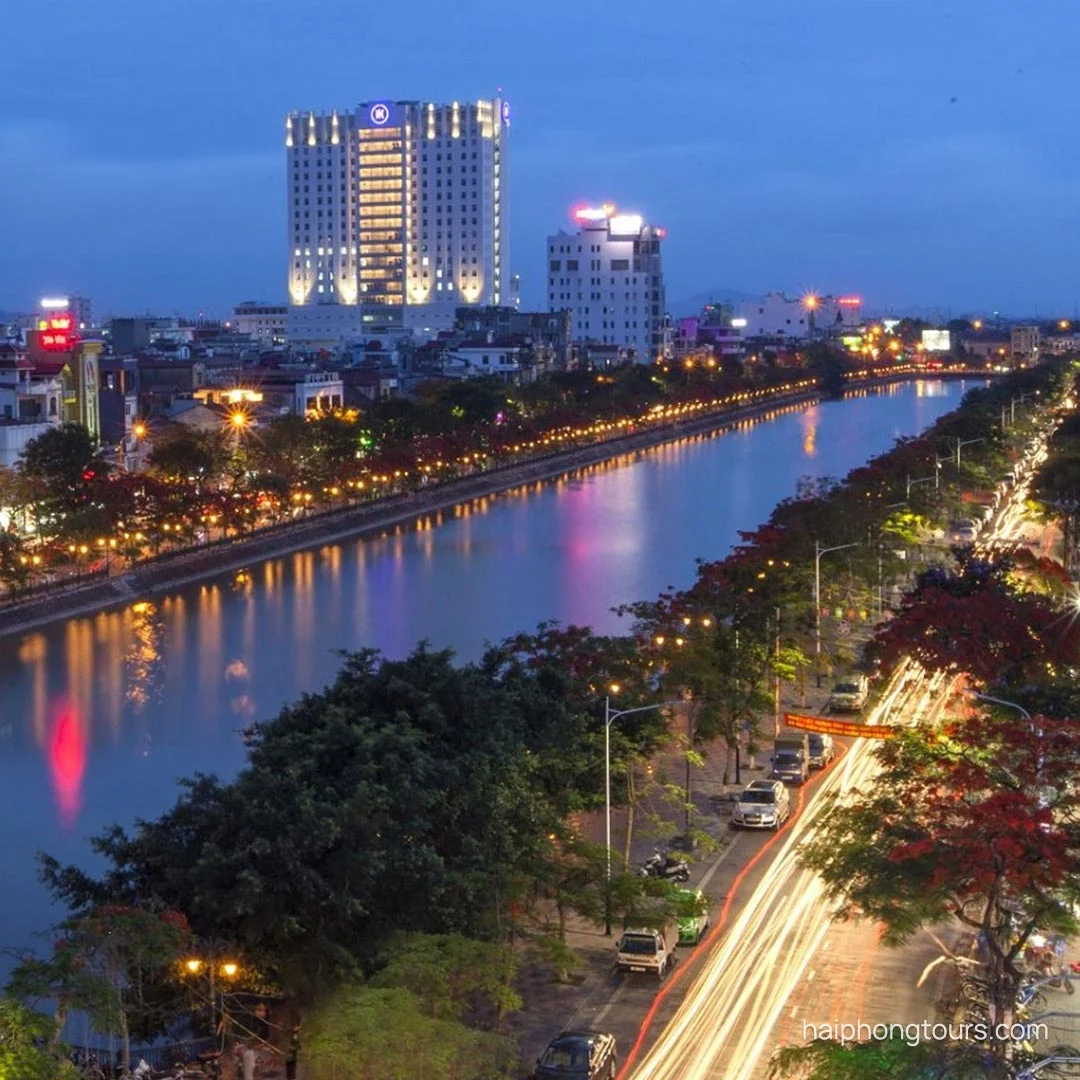
Best for: a relaxed walk with a few portraits, or photographs as daylight gives way to city lights. Keep your subject safely on the walkway and use the river as the background. You do not need to stand on a railing or step into the road to create depth in the picture.
Leave room for pedestrians and keep a tripod close to you if using one. Traffic controls and event arrangements may differ by date; the phrase “walking street” is not a reason to stop watching for vehicles on adjoining roads. For children, choose a position away from the water’s edge and moving traffic before you start taking pictures.
3. Le Hong Phong flower market: the run-up to Tet
The seasonal flower market along Le Hong Phong is useful for scenes of Tet preparations: flowering plants, ornamental trees, sellers and people choosing decorations for their homes. It is a market spread along designated sections of a major road, rather than one garden with a single entrance.
Ask for Chợ hoa Tết Lê Hồng Phong and have your accommodation or driver identify an active section for that year’s market. The area toward the Le Lai junction and GO! overpass is a useful orientation reference, but the stalls and authorized boundaries are set for each season.
Best for: flowers, color and everyday holiday activity before Tet. Go while the stalls are trading, rather than leaving this visit until New Year’s Eve evening or the first holiday morning. Confirm the market’s closing date and time locally.
Ask a seller before posing beside a display, moving a pot or including them prominently in a photograph. A simple “Cho tôi chụp ảnh ở đây được không?” means, “May I take a photo here?” Stand aside when customers need to inspect or collect plants.
Being able to walk past a stall does not give you unlimited use of its display for a photo session. If you want a longer shoot, discuss permission, any charge and the time available. Stay on the pedestrian side, cross at a suitable crossing and never ask someone to pose in the traffic lane.

4. Ha Lung flower-growing area: arrange the actual garden
Ha Lung, also written Hạ Lũng or associated with Đằng Hải, is a traditional flower-growing area now in Hai An ward. Its growers produce flowers for the Tet market, including chrysanthemums and gladioli. The interest here is the cultivation and preparation, rather than a ready-made set for photographs.
Flower production is spread among working plots. Some growers also cultivate land elsewhere, including Hung Dao, so a photograph labeled “Ha Lung flowers” may not identify the garden you can reach from an old village pin. Arrange a specific garden and ask where its entrance is before setting out.
Best for: travelers interested in growing flowers and willing to work around the owner’s schedule. Ask what is flowering, whether photography is allowed and whether the crop will be harvested before your visit. This is more useful than assuming every field will be in bloom on the same date.
Wear shoes suitable for narrow or damp paths, keep out of crop rows and follow the grower’s instructions. If workers are spraying or carrying out another operation that makes a visit unsuitable, return at an agreed time. Buy any flowers you want to use as props rather than picking them from the beds.
Choose a route that fits your available time
A short central outing
Start at the Opera House and nearby gardens, then continue to a chosen section of Tam Bac riverside. Allow roughly two to three hours for a gentle outing with photographs and a break, adjusting for your walking pace and crowds. This is a planning allowance, not a guided-tour duration.
Keep one main portrait location if traveling with young children or wearing an elaborate outfit. Comfortable shoes between stops and a light layer for cool or damp weather can make the session much easier.
A flower-focused outing before Tet
Choose the Le Hong Phong market if you want an easy-to-understand shopping scene. Choose Ha Lung if a grower has agreed to receive you and you want to see the flowers before they reach the market. Combining both requires separate meeting points and transport; do not assume they are adjoining attractions.
If your time is limited, one good location is more rewarding than rushing through all four. Arrange a car or taxi pickup before your final stop, especially when carrying flowers or changing clothes for portraits.
Ao dai, photographers and practical costs
An ao dai is an option if you want traditional Vietnamese dress in your photographs. If renting one, confirm the size, what comes with it, the deposit, return deadline and whether there is a place to change. Book ahead around Tet and carry footwear you can walk in.
When hiring a photographer, agree on the locations, session length, travel between stops, number of edited pictures, delivery method and any holiday surcharge. Clarify whether the photographer arranges garden or stall permission. You should also agree whether they may use your portraits in advertising or on social media.
Keep small cash for parking, drinks or an agreed photography-access charge, and confirm each price before using the service. Outdoor access, a flower purchase, clothing rental and a photographer’s time are separate expenses.
Choose the Opera House and Tam Bac for a flexible city outing, the Le Hong Phong market for pre-Tet activity, or a confirmed Ha Lung garden for the growing tradition. The best preparation is to match the place to your travel date and obtain permission wherever your photograph uses someone’s working space.
Useful guides for your trip
Would you like help fitting this experience into your trip? Contact us with your travel dates, starting point, available time and group size. Tell us about walking limits or special interests so we can suggest a practical itinerary.