
For a first taste of Cao Bang, start with banh cuon served with hot broth, try pho chua for a contrasting noodle meal, and leave room for a sweet snack such as coong phu or grass jelly. An overnight stop in Cao Bang city gives you a much better chance of enjoying these foods than trying to fit a restaurant hunt into a long Ban Gioc sightseeing day.
The province’s food is shaped by local Tày and Nùng traditions, seasonal produce and neighboring border regions. Familiar names can hide unfamiliar ingredients: a white rice roll may contain pork, a sour noodle sauce may contain duck fat, and a sweet cake may contain pork fat. Use the dish names below to order, then confirm the actual preparation when ingredients matter.
Choose a dish by the meal you want
- A warming breakfast: banh cuon Cao Bang, soft steamed rice rolls with a separate bowl of broth.
- A substantial noodle meal: pho chua, rice noodles mixed with sweet-sour dressing and several toppings.
- A savory afternoon snack: banh ap chao, fried batter with a duck filling.
- A cold-weather dessert: coong phu, glutinous-rice balls in ginger syrup.
- A cooling dessert: thach den, dark grass jelly served with your choice of accompaniments.
- An autumn extra: Trung Khanh chestnuts, particularly when the local harvest is available.
- A packaged gift: banh khao or khau sli, chosen by ingredients and production date.
Banh cuon Cao Bang: rice rolls with broth
Cao Bang’s breakfast rice rolls are steamed in thin sheets and commonly filled with minced pork, wood-ear mushrooms and onion. The characteristic accompaniment is a bowl of hot pork-bone broth, rather than only the fish-sauce dip familiar from many other versions of banh cuon. Egg and Vietnamese pork sausage may be available as additions.
Try a little roll with the broth before adding the table condiments. Chili and pickled bamboo shoots can change the flavor considerably; adding them gradually lets you decide how much heat and acidity you want. Order an egg separately if that is what you want, rather than assuming it is included.
Useful order: “Một suất bánh cuốn Cao Bằng” means one serving of Cao Bang rice rolls. For an early departure, identify a breakfast shop near your accommodation the evening before and ask when it starts serving.
Pho chua: expect dressed noodles, not a bowl of soup
Pho chua is a mixed rice-noodle dish with a sweet-sour dressing. Depending on the kitchen, toppings can include roast duck, crisp pork, fried taro, herbs, cucumber and peanuts. Some preparations also use offal or crisp vermicelli. It is usually served cool or at room temperature; ordering it because you want hot pho broth will lead to the wrong meal.
The contrasting textures matter as much as the sour flavor. Mix enough dressing through the noodles to bring the ingredients together, and taste before adding chili. If you dislike offal, ask “Không nội tạng” before the bowl is assembled. Removing visible meat does not make it vegetarian: the dressing itself can contain animal fat.
Banh ap chao: a duck-filled fried snack
Ap chao looks like a small fried cake, but the center commonly contains boneless duck. Its batter can combine rice flour, glutinous-rice flour, soybeans and taro. The freshly fried exterior is the main attraction, with greens and a dipping sauce often served alongside.
Some shops also sell separate pieces of fried duck. Clarify whether you are ordering the filled cakes, duck meat, or a mixed plate. Start with a small portion if a full dinner is still ahead: ap chao is a rich snack, particularly when several people also want to sample dessert.
Coong phu and grass jelly: two very different desserts
Coong phu for a cool evening
Coong phu, also written coóng phù, consists of chewy glutinous-rice balls in warm ginger and cane-sugar syrup. There can be plain and filled balls in the same bowl. Peanut and sesame fillings are traditional, while coconut milk or crushed peanuts may be added at serving.
It is particularly associated with cooler weather. A bowl after dinner makes more sense than treating it as a drink to take along a walking route: the rice balls are filling and are best eaten while the syrup is warm. Ask for “Ít ngọt” if you prefer less sweetness, while recognizing that a prepared syrup cannot always be adjusted.
Thach den for a lighter-tasting finish
Cao Bang’s thach den is dark grass jelly, associated especially with the Thach An area. Its mild herbal flavor works with sweet drinks and desserts, fruit, yogurt or soy milk. The extras determine how sweet, creamy or substantial the finished bowl becomes.
Ask to see the accompaniments before ordering if you want plain jelly or need to avoid dairy. A ready-mixed cup and a bowl assembled to order offer different scope for changes.
Trung Khanh chestnuts: buy for the season, not just the label
Autumn is the main fresh-harvest season for Trung Khanh chestnuts, broadly around September and October. The exact picking period varies with the year. Roasted or boiled chestnuts make a practical snack when your route already takes you through the Trung Khanh area.
For a seasonal stop on the waterfall route, the Ban Khay chestnut garden guide explains the harvest visit and heritage tree.
Ask where the nuts were grown and whether the batch is freshly harvested or stored. A stall selling chestnuts throughout the year is not proof that they are fresh Trung Khanh produce. For a large purchase, try a small portion first and ask for storage instructions suitable for the rest of your journey.
Banh khao and khau sli: choose the gift you actually want
Banh khao is a pressed sweet made with roasted glutinous-rice flour and sugar. It has a crumbly, powdery texture, often with a filling containing pork fat, peanuts and sesame. Buy it if that soft, sweet style appeals to you; do not assume its pale appearance means it is a plain vegetarian rice biscuit.
Khau sli is closer to a crisp puffed-rice bar, bound with cane sugar and often topped with peanuts. Na Giang is a name associated with this specialty. Small wrapped portions are convenient for sharing, but the rice can lose its crispness if the packaging is damaged.
Read the maker, ingredient list, production date and storage directions before buying either. A sealed package is easier to identify and carry than an unlabeled bag. Choose quantities you can use during the trip unless you have checked your destination’s food-import requirements.
Where to build your food stops into the trip
Use Cao Bang city as the main base for trying several different dishes. The central area around Kim Dong is a useful starting point for an evening walk, but special pedestrian-street programs and food events are date-dependent. Pick a restaurant or snack shop that is actually serving when you arrive, rather than relying on a festival poster for dinner.
The broader Cao Bang travel guide helps separate the Ban Gioc, Pac Bo and western geopark routes. Keep the food plan in the same corridor as the sightseeing: a chestnut stop near Trung Khanh can fit the eastern route, while returning across the province for one particular bowl of noodles usually does not.
If you are staying near Ban Gioc or in a smaller village, agree on dinner with the accommodation before heading out for the afternoon. Tell the host the number of people, your preferred eating time and dietary needs. Travelers using the Cao Bang transport options without a motorbike should also settle the return journey before adding a distant dinner stop.
A simple food plan for one overnight stay
- Arrival afternoon: check in, then share a small ap chao order if it is being cooked nearby. Keep enough appetite for dinner.
- Evening: choose a full meal first, then look for coong phu in cool weather or grass jelly when you prefer a chilled dessert.
- Next morning: have banh cuon near the hotel before your vehicle leaves. Confirm the shop’s opening time beforehand if you need an early start.
- Before leaving town: try pho chua if your schedule includes lunch, and buy packaged gifts without turning the departure into a last-minute shopping circuit.
This is a way to spread the dishes across meals, not a requirement to eat everything. With just one breakfast and one evening, banh cuon plus a dessert already gives you two distinctive local experiences.
Ordering when ingredients matter
For vegetarian meals, discuss the broth, sauce and cooking fat as well as the visible toppings. “Tôi ăn chay” communicates that you eat vegetarian food, but explain separately whether you also avoid eggs, dairy or fish sauce. A kitchen may be able to prepare something different; a batch-cooked noodle dressing cannot necessarily be changed.
Peanuts and sesame occur in several dishes here, including noodles, rice balls and sweets. If you have an allergy, show a clear Vietnamese explanation of the ingredient and cross-contact restrictions to the person preparing the food. A request to leave off a garnish is not confirmation about the filling, sauce or shared equipment.
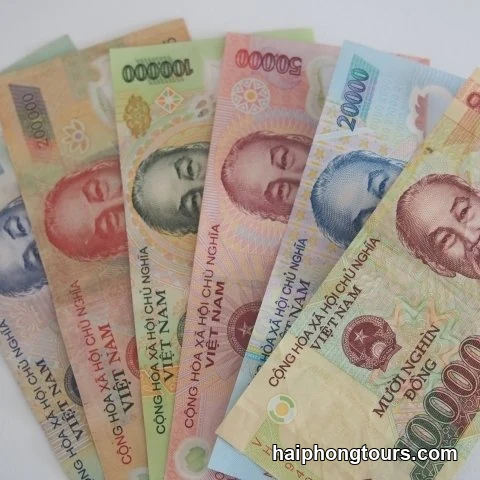
Keep the dish names saved on your phone, ask the price and portion size before ordering, and carry smaller cash notes for snack stalls. The most useful food itinerary leaves time to taste a few things properly and still gets you to the next part of your Cao Bang trip on time.
Would you like to include local food in a city visit? Contact us with your destination, date, group size and dietary needs to discuss a suitable tour or private itinerary.