
Cao Lo Vuong Temple is a riverside heritage stop in Cao Duc, Bac Ninh. Come for the memorial’s carved architecture and the local tradition surrounding the general associated with An Duong Vuong’s crossbow.
It suits an existing Bac Ninh cultural day better than a hurried detour from Hanoi. Allow about an hour at the temple as a starting estimate, adding time if you want the separate tomb or a detailed explanation. Choose an ordinary day for looking closely; choose the festival specifically for community ceremonies.
Get the right Cao Lo destination
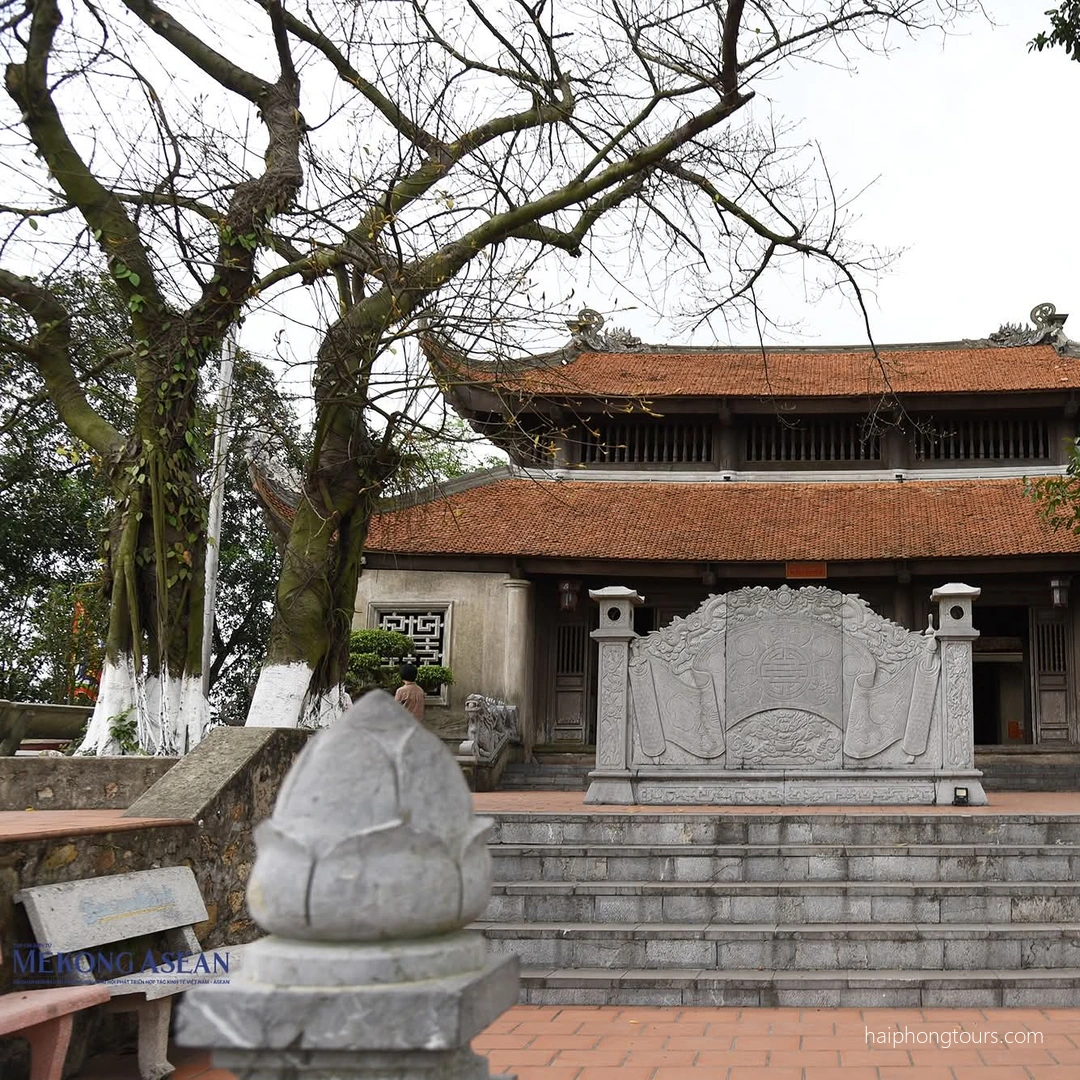
Use Đền Cao Lỗ Vương, thôn Đại Trung, xã Cao Đức, Bắc Ninh. The temple stands beside the Duong River dike. The associated tomb is a separate stop in Tiểu Than, so obtain a second pin if you want both.
This is a different journey from Co Loa Citadel in Hanoi, despite the shared figure and crossbow story. Ask your driver to confirm Cao Duc in Bac Ninh before agreeing on transport. A booking simply labeled “Cao Lo temple” leaves room for confusion.
Read the buildings as a place of remembrance
The temple has outer, middle and upper halls, with carved timber frames, tiled roofs and old trees. Look for the paired stone sau guardians and decorative roof details. Later restoration forms part of the complex; its visible architecture reflects Le and Nguyen traditions rather than an intact ancient military building.
Follow the spaces opened to visitors. A view into the main hall does not give permission to enter the rear sanctuary or handle ritual objects. If an interior is closed, ask locally about access and continue with the courtyard and architecture while respecting the answer.
The crossbow story
In local tradition, Cao Lo helped An Duong Vuong build Co Loa and make the powerful crossbow that defended the kingdom. The story combines military memory with legend. Its supernatural details should not be treated as demonstrated engineering history, and a later memorial does not establish where an ancient weapon was made.
For the physical evidence of early bronze production and fortification, Co Loa is the more relevant destination. This Bac Ninh visit is about how later communities honor the general. The two places can complement each other across a longer trip without needing to fit into the same day.
A quiet visit or the third-lunar-month festival
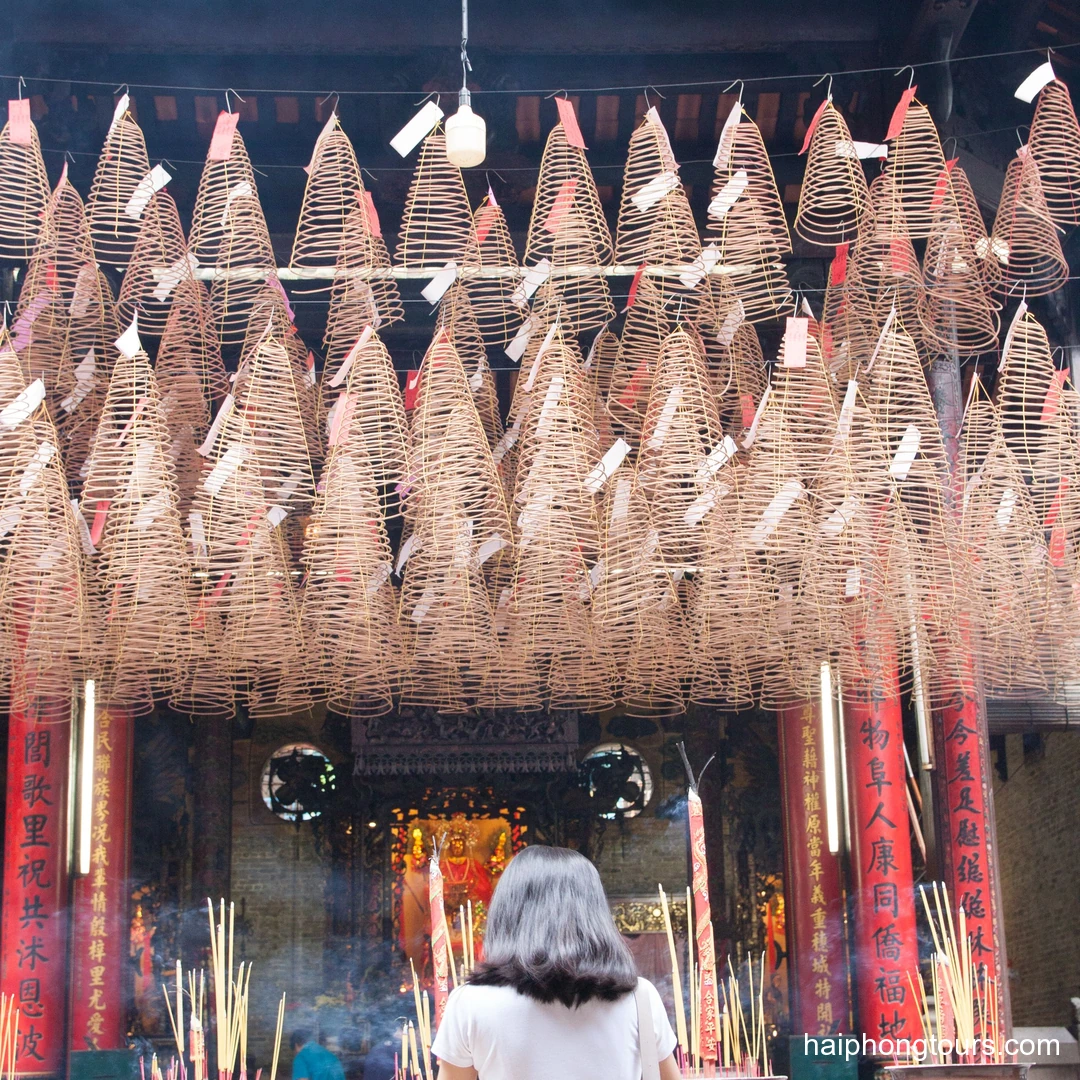
The festival brings together eight villages of the Dai Than area. Processions toward the temple are a central part of the occasion, alongside worship and community activities. Plan around the third lunar month and check that year’s announced program; performance days and the main rites need not cover exactly the same dates.
Choose the event if seeing the community gather matters more than uninterrupted viewing of the buildings. Arrive with extra time for road access and parking, keep out of procession routes and ask before photographing participants closely. An ordinary visit should not depend on finding music, puppets or a demonstration running.

Build a manageable Bac Ninh day
For a craft-focused trip, an arranged Dai Bai metalworking visit provides a useful contrast between ceremonial objects in a temple and work in a contemporary workshop. Confirm the receiving artisan and activity first, then have the driver assess the journey between the two places. Do not assume a workshop is open to visitors whenever the temple is.
Hai Phong Tours recommends agreeing on waiting time, return transport and a meal stop before leaving your accommodation. Bring water and shoes that cope with thresholds and damp paving. If step-free access or English interpretation is essential, settle those arrangements for the actual sites you intend to enter. Keep the day centered on one or two interests rather than a long list of monuments.
Would you like help fitting this experience into your trip? Contact us with your travel dates, starting point, available time and group size. Tell us about walking limits or special interests so we can suggest a practical itinerary.