
Cat Ba has two separate UNESCO recognitions. The Cat Ba Biosphere Reserve joined UNESCO’s Man and the Biosphere Programme in 2004. In 2023, the Cat Ba Archipelago was added to the existing Ha Long Bay World Heritage property, whose formal name is now Ha Long Bay – Cat Ba Archipelago.
The labels are related but not interchangeable. The Biosphere Reserve is about conserving biodiversity while supporting research and sustainable community life. The World Heritage property recognizes an internationally important landscape and geological record. Neither label means that UNESCO issues one ticket or one rulebook for the whole island; the rules you follow come from Vietnamese authorities, local managers, the National Park, ports, attractions, and licensed operators.
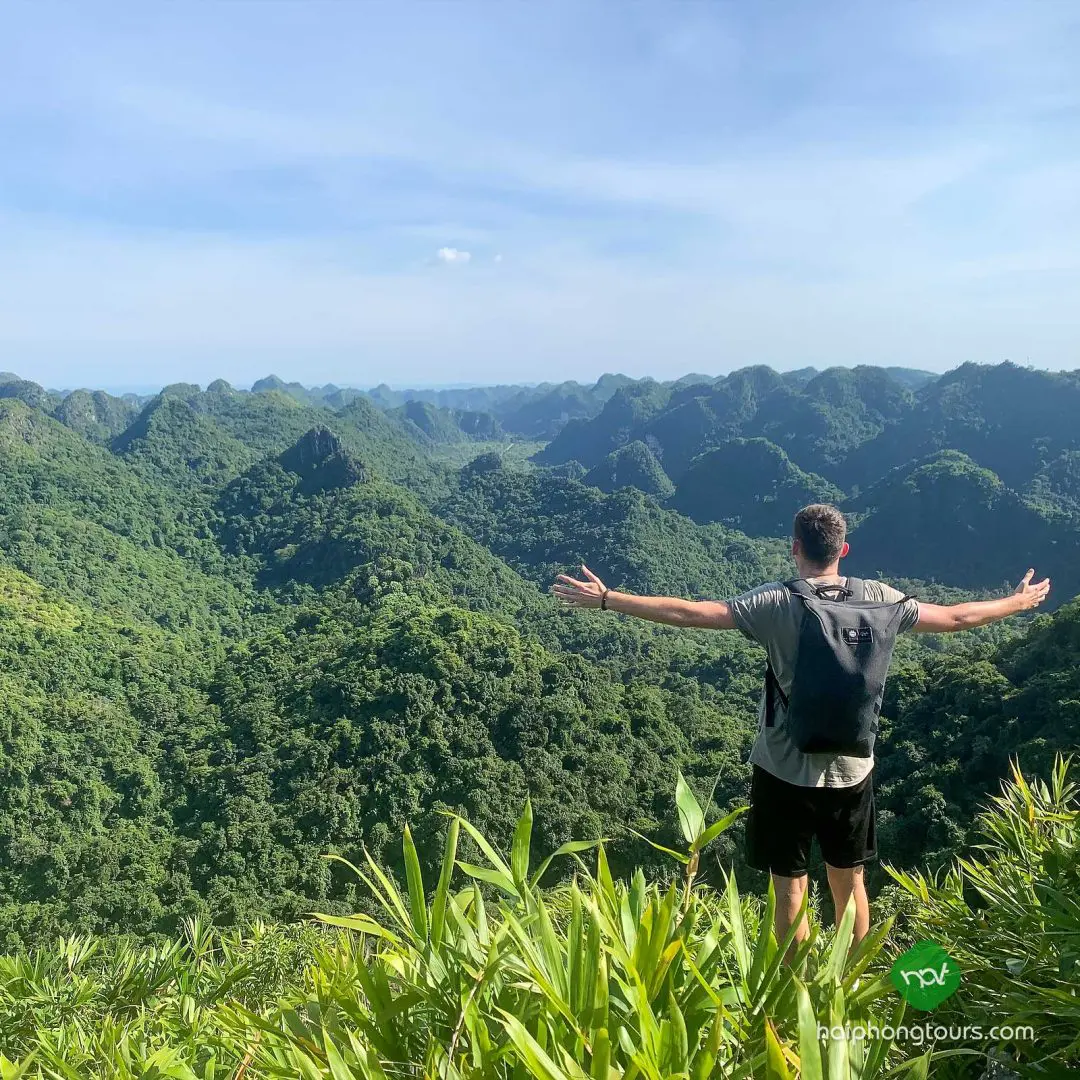
Cat Ba’s two UNESCO designations at a glance
- Cat Ba Biosphere Reserve: recognized in 2004 under UNESCO’s Man and the Biosphere Programme. Its purpose combines biodiversity conservation, sustainable development, research, monitoring, and education.
- Ha Long Bay – Cat Ba Archipelago World Heritage property: expanded to include Cat Ba in 2023. It is listed under natural criteria (vii) and (viii), which concern exceptional scenic beauty and major geological and geomorphological values.
- National and local protection: Cat Ba National Park, marine protection, heritage law, bay regulations, and other Vietnamese management systems form separate legal layers. These are the layers that shape route access, permits, closures, and visitor conduct.
What the 2023 World Heritage status actually means
Cat Ba did not become a separate World Heritage site in 2023. UNESCO approved a major boundary change to the already listed Ha Long Bay property, adding the Cat Ba Archipelago and creating one combined property across Quang Ninh Province and Hai Phong City.
The formal name matters when you compare tours or read maps: Ha Long Bay – Cat Ba Archipelago is the World Heritage property. A cruise can travel through part of this wider seascape without visiting Cat Ba Town, and a hotel on Cat Ba Island is not automatically inside the inscribed boundary.
The property is recognized under two natural criteria:
- Criterion (vii): the exceptional coastal scenery created by vegetated limestone islands, towers, cliffs, marine lakes, caves, and other karst formations.
- Criterion (viii): the geological history and continuing evidence of tropical limestone karst being shaped and invaded by the sea.
Cat Ba’s ecosystems and threatened species remain important to the property’s integrity, but the adopted World Heritage criteria are scenic and geological. It is therefore inaccurate to describe the 2023 decision as a separate wildlife award for the whole island.
What the 2004 Biosphere Reserve status means
A UNESCO Biosphere Reserve is designed to connect conservation with human life rather than remove people from the landscape. Cat Ba’s reserve includes terrestrial and marine ecosystems and is part of UNESCO’s Man and the Biosphere Programme.
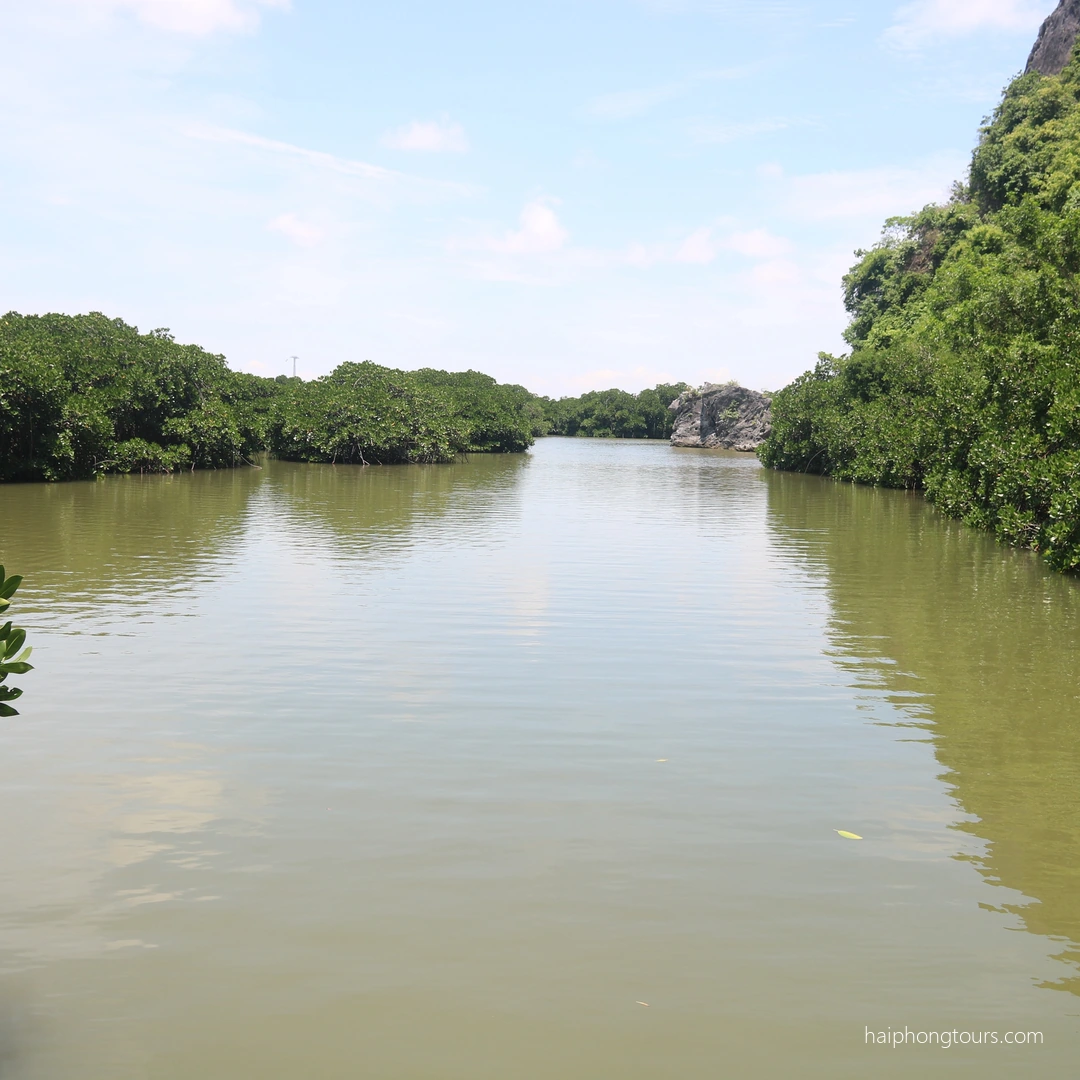
Biosphere reserves use three types of zone:
- Core areas protect ecosystems and biodiversity most strictly.
- Buffer zones surround or adjoin core areas and support activities compatible with conservation, such as research, education, and carefully managed use.
- Transition areas are places where communities live and work while pursuing more sustainable development.
This explains why Cat Ba can be both a biosphere reserve and a lived-in destination with homes, fishing, tourism, roads, and businesses. It does not mean every part of the archipelago has the same access conditions. Do not guess a zone from a hotel address or a tour description; check the rule for the specific park route, cave, beach, bay area, or anchorage you plan to use.
UNESCO recognition is not the same as local law
The UNESCO designations provide international recognition and a conservation framework. Day-to-day control remains with Vietnam and the responsible local bodies. Cat Ba National Park and the Management Board of Cat Ba Bays are among the authorities managing protected land, marine areas, visitor routes, and tourism activity on the Hai Phong side of the combined property.
For travelers, this distinction has a simple consequence: a UNESCO logo does not override a closed trail, a weather suspension, a port instruction, or a protected-zone boundary. Follow current signs and staff directions even if an older itinerary, map, or social post says an area is usually open.
Visitor rules that matter on Cat Ba and its bays
Use authorized routes and operators
Enter forests, caves, and marine routes through the official access point for that activity. Stay on the route opened by its manager and do not treat an unmarked path, closed cove, or quiet limestone island as public access. On the water, use an operator and vessel authorized for the planned route, then accept changes required by the port, bay authority, tide, or weather.
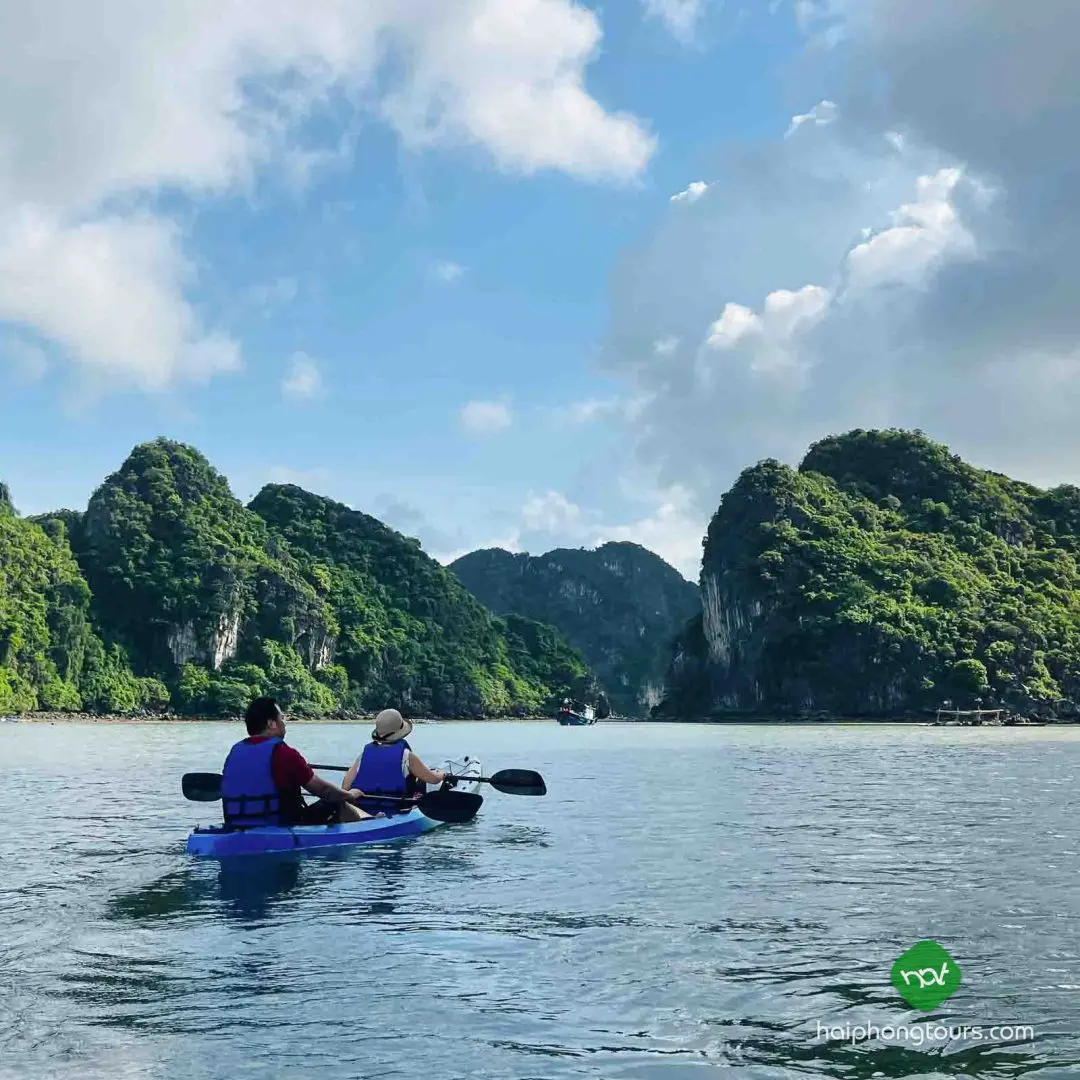
Wear the life jacket as instructed
Current Cat Hai water-transport instructions require passengers to wear a properly fitted life jacket from boarding and throughout the bay visit. A vessel should not depart when passengers refuse to comply or when the required safety conditions are not met. Keep the jacket on even during calm weather, and pay attention to the crew’s safety briefing and escape instructions.
Do not pressure a crew to operate in unsafe weather
Bay tourism services must not operate during storms, abnormal weather, or conditions not permitted by the competent authority. Rain by itself is not the only deciding factor: wind, lightning, visibility, waves, and official port controls can also change or stop a departure. Treat a safety-related route change as a management decision, not a missed promise.
Respect coral and protected wildlife
Local bay regulations prohibit anchoring in coral-reef conservation areas and prohibit exploiting, trading, or consuming protected endemic, endangered, and rare species. As a passenger, do not ask a skipper to stop in a restricted anchorage and do not buy wildlife products or food made from protected species.
Give wildlife space, keep noise low, and never expect a guaranteed Cat Ba langur sighting. Do not feed animals or leave an official route to approach them. Sensitive wildlife locations should not be requested or shared.
Carry out what you bring in
Waste and water pollution are active management concerns across the property. Use refillable containers when practical, avoid unnecessary disposable items, and keep your waste until you reach a proper collection point. Nothing should be left on a trail, beach, floating platform, or boat route.
Observe restrictions around defense areas
Local bay regulations prohibit photography and video recording in military or national-defense zones. Follow posted signs and staff instructions. If a location or structure is not clearly open for photography, ask before filming.
What UNESCO status does not guarantee
- No island-wide admission ticket: individual parks, caves, boat routes, and attractions can have their own tickets, hours, and access controls.
- No guarantee that every tour is sustainable: compare the actual route, vessel authorization, group management, waste practices, and safety briefing instead of relying on a UNESCO reference in marketing.
- No guaranteed wildlife encounter: protected species are not scheduled attractions, and responsible operators should not disturb them to produce a sighting.
- No permanent promise that a route is open: weather, conservation work, maintenance, crowd control, or authority instructions can change access.
- No ban on normal community life: the Biosphere Reserve model specifically includes places where people live and work, particularly in transition areas.
How to plan a responsible visit
- Identify the exact place and manager. Cat Ba Town, Cat Ba National Park, Lan Ha Bay, Ben Beo, Viet Hai, and a World Heritage cruise route are different contexts.
- Confirm access on the day. Ask the attraction, park office, port, or operator about the open route, weather restrictions, required ticket, and meeting point.
- Choose conduct over labels. A low-impact visit depends on following marked routes, wearing safety equipment, limiting waste and noise, and respecting protected zones.
- Allow the itinerary to change. A licensed operator may need to alter an anchorage, activity, or departure when the authority, weather, or environmental conditions require it.
Visitor management is still developing across the combined World Heritage property. Current priorities include integrated management, carrying-capacity work for the Cat Ba Archipelago, pollution control, and closer assessment of tourism and construction impacts. That makes same-day confirmation more useful than relying on a fixed online checklist.
Frequently asked questions
Is Cat Ba a UNESCO World Heritage site?
Cat Ba Archipelago is part of the combined Ha Long Bay – Cat Ba Archipelago World Heritage property. It was added through a significant boundary modification approved in 2023; it is not a separate standalone World Heritage property.
Was Cat Ba recognized by UNESCO before 2023?
Yes. The Cat Ba Biosphere Reserve was recognized in 2004 under UNESCO’s Man and the Biosphere Programme. That designation remains separate from the World Heritage listing.
Can visitors enter the core area of the Biosphere Reserve?
Core areas are strictly protected, so do not assume they are open for general access. If an official visitor route operates in or near protected land, use only its authorized entrance and follow the responsible manager’s instructions.
Does UNESCO decide whether boats can sail?
No. Departure and route decisions are enforced by Vietnamese and local authorities, ports, bay managers, and operators. Weather warnings, vessel conditions, and passenger safety requirements can override a planned itinerary.
The practical takeaway
Use the two UNESCO labels accurately: the 2004 Biosphere Reserve connects conservation with sustainable community life, while the 2023 World Heritage extension recognizes Cat Ba as part of a combined scenic and geological property with Ha Long Bay. For your trip, the important step is to check the exact site or route, follow current local rules, wear required safety equipment, and avoid adding pressure to coral, wildlife, and waste systems.
Useful guides for your trip
Would you like help fitting this experience into your trip? Contact us with your travel dates, starting point, available time and group size. Tell us about walking limits or special interests so we can suggest a practical itinerary.