
Cat meat is available in parts of northern Vietnam and may appear under the namesthịt mèo or tiểu hổ (“little tiger”). It is not a signature Hai Phong food-tour dish, however, and dependable information about restaurants serving it is limited. Most international visitors will get a clearer sense of the city’s food culture from bánh đa cua, nem cua bể, bún cá cay, bánh mì cay and local seafood.
If you are specifically looking for cat meat, do not make a special journey based on an old address, price or “top restaurants” list. Confirm the business on the same day, ask exactly what meat is being served, and consider the animal’s origin, food handling and your own ethical or dietary boundaries before ordering.
Quick decision guide
- You want a representative Hai Phong meal: choose a crab-noodle, fish-noodle, seafood or local snack restaurant instead.
- You mainly want to avoid cat meat: remember the words thịt mèo and tiểu hổ, then ask before ordering any unfamiliar meat dish.
- You are curious but uncertain: do not let a group order for you until you understand the dish and are comfortable with its source.
- You have concerns about animal welfare, traceability or food safety: skipping the dish is the simplest decision. There are many more characteristic Hai Phong foods to try.
What “thịt mèo” and “tiểu hổ” mean
Thịt mèo means cat meat. Tiểu hổ, literally “little tiger,” is a euphemism that may appear on a sign, menu or business name. Knowing both terms matters because an automatic translation may leave tiểu hổ unexplained or translate it too literally.
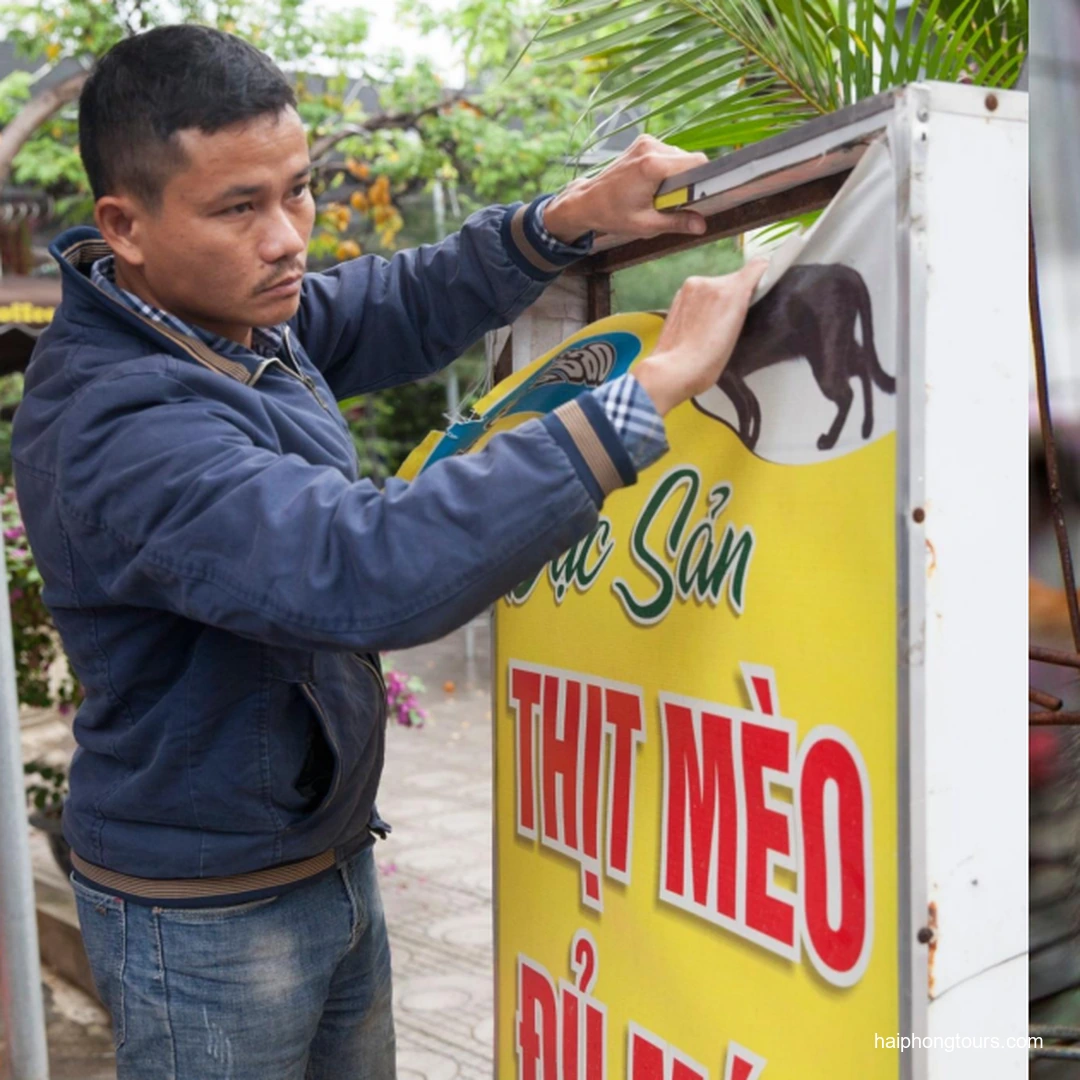
Do not confuse these words with thịt cầy or thịt chó, which refer to dog meat. If a menu simply says “special meat” or the English description is unclear, ask what animal it is before the kitchen starts preparing the order.
How common is cat meat in Hai Phong?
Cat meat has been consumed in northern Vietnam, usually in a specialized restaurant or as part of a shared meal with alcohol. That does not make it an everyday dish. You should not expect to encounter it at a normal noodle shop, seafood restaurant, hotel breakfast or standard tourist restaurant.
Availability can also be irregular. A restaurant may change its menu, move, close or stop serving a particular meat without updating old social pages and directory listings. That is why a historical address and a few old photographs are not enough to recommend a venue today.
For a traveler, the practical conclusion is simple: accidental ordering is unlikely at mainstream restaurants, but the Vietnamese terms are worth recognizing if you visit a specialist drinking venue or accept an invitation to a meal without an English menu.
Why an old restaurant list is a poor planning tool
Small independent restaurants in Vietnam often rely on signs, phone calls and local customers rather than maintaining an official website. Third-party listings can remain online long after the information has changed. Prices are especially unreliable because they may depend on the dish, portion, weight, season and what the group orders with it.
Before traveling across the city, verify all of the following on the same day:
- the restaurant still operates at the stated address;
- cat meat is actually available that day;
- the quoted amount is per dish, per serving or by weight;
- side dishes, drinks and preparation charges are included or separate;
- the kitchen can explain the source of the meat and cook it thoroughly.
If the business cannot answer basic questions clearly, leave rather than trying to complete the experience simply because you traveled there.
Questions to consider before ordering
Origin and traceability
Cat meat does not have the transparent, standardized supply chain that an international traveler may expect from common livestock. Reports on the trade describe animals moving long distances and include concerns about stolen pets, unclear origin and poor handling. A restaurant’s confidence or popularity does not prove traceability.
Ask where the meat came from and whether the restaurant can provide a clear answer. If provenance matters to you, a vague response is enough reason to choose another meal.
Animal welfare and personal comfort
Attitudes toward eating cats vary within Vietnam as well as between countries. You do not need to debate the subject at the table. A calm refusal is appropriate if the dish conflicts with your values, religion, diet or comfort level.
Health claims
Do not treat claims that cat meat is unusually nutritious, medicinal or beneficial for a particular condition as a reason to eat it. A menu or restaurant introduction is not medical evidence. Travelers with allergies, a weakened immune system, pregnancy or other health concerns should choose food with a clear source and preparation method.
Useful Vietnamese phrases
- Món này có phải thịt mèo không?, Is this dish cat meat?
- Tiểu hổ có phải là thịt mèo không?, Does “tiểu hổ” mean cat meat?
- Tôi không ăn thịt chó hoặc thịt mèo., I do not eat dog or cat meat.
- Quán có thịt mèo hôm nay không?, Do you have cat meat today?
- Giá này tính theo đĩa hay theo cân?, Is this price per plate or per kilogram?
- Cho tôi món nấu chín kỹ., Please serve it thoroughly cooked.
- Không tiết canh, không đồ sống., No raw blood dish and no raw food.
Show the sentence on your phone if pronunciation is difficult. When refusing, a polite Không, cảm ơn (“No, thank you”) is enough.
Food-safety checks at the table
The same basic food-safety rules that apply to other meat matter here: choose food that is cooked thoroughly and served steaming hot. Avoid raw blood dishes, raw or undercooked meat and food that has been sitting at room temperature. If raw meat is handled beside ready-to-eat food with the same utensils, choose another restaurant.
Strong seasoning, grilling or a browned exterior does not show that the center is fully cooked. Ask the kitchen to cook the meat through, especially when pieces are thick or served on the bone. Alcohol does not make unsafe food safer.
If you develop severe or persistent vomiting, diarrhea, fever, dehydration or other concerning symptoms after a meal, seek medical care and explain what you ate and when.
If a cat bites or scratches you
This risk comes from contact with the animal rather than from deciding what to order. Do not touch caged, frightened, stray or unfamiliar cats around a market or restaurant. A bite or scratch can cause a serious wound infection, and rabies remains present in Vietnam.
Wash any bite or scratch immediately with soap and running water for about 15 minutes, then seek medical care promptly for assessment of rabies post-exposure treatment and tetanus protection. Do not wait for symptoms or rely on an assurance that the animal “looks healthy.” Tell the clinician where and when the exposure occurred.
Better-known Hai Phong foods to choose instead
If your goal is to understand Hai Phong through food, the city’s established dishes offer a more useful route:
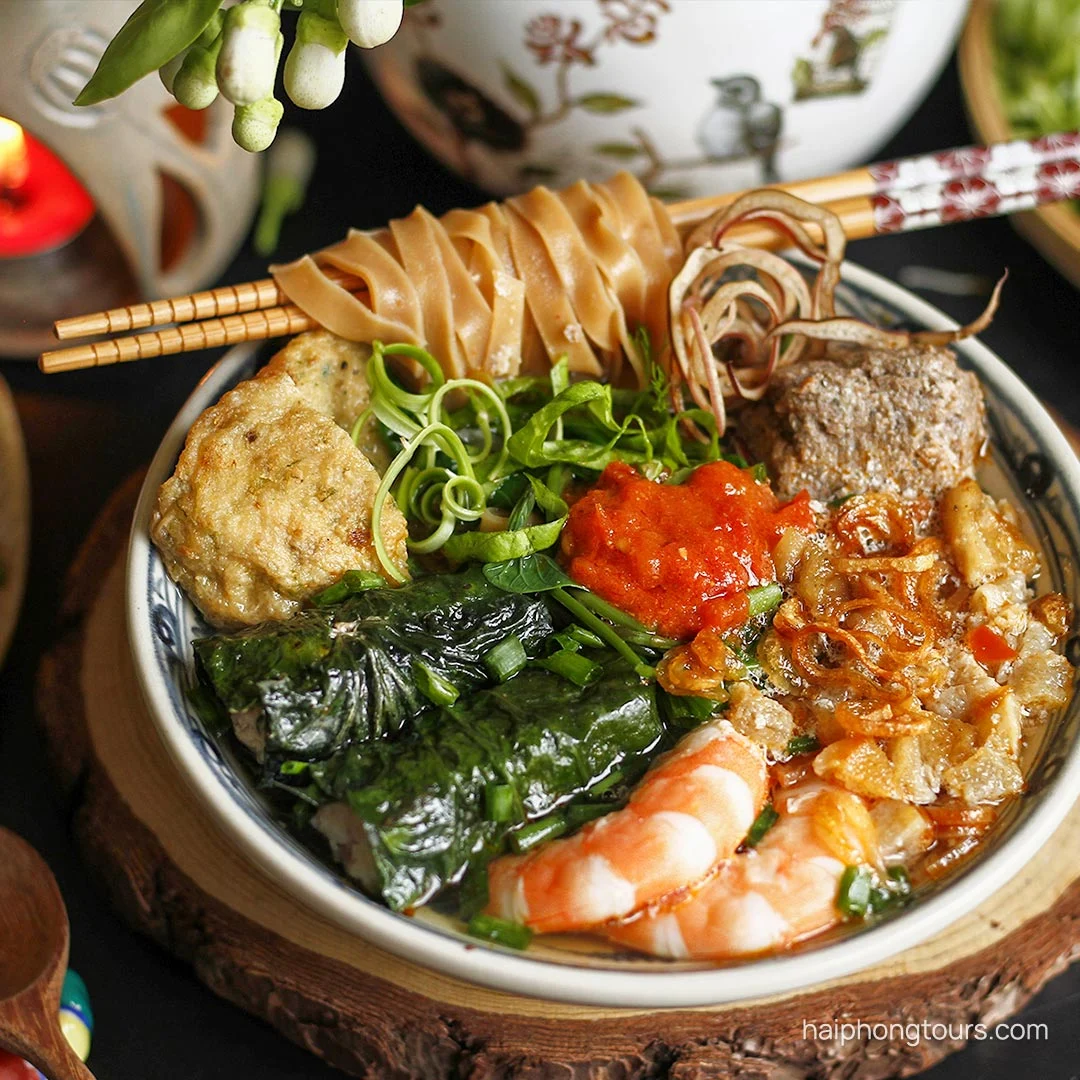
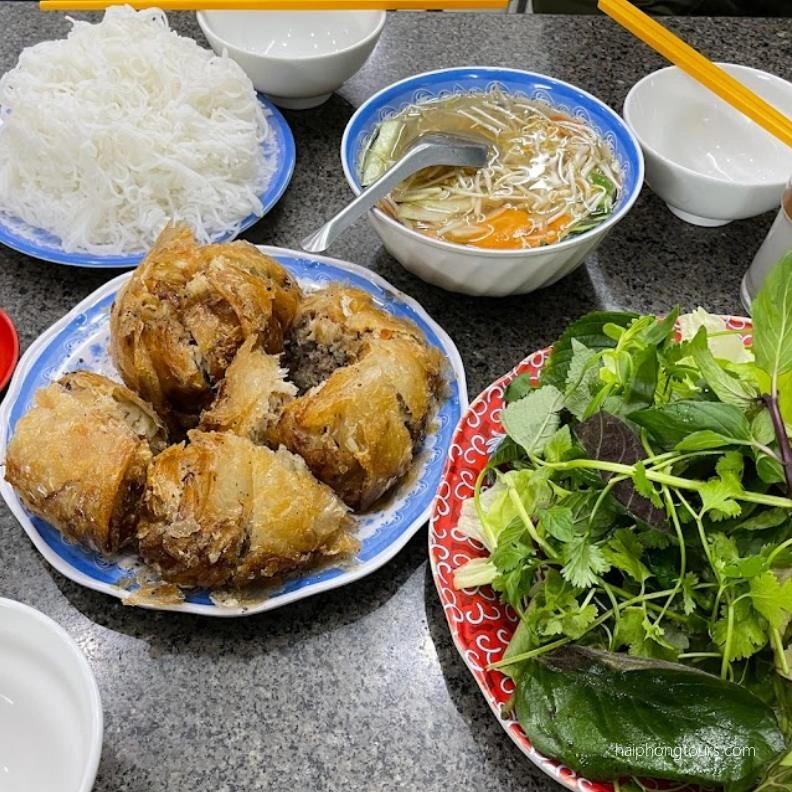
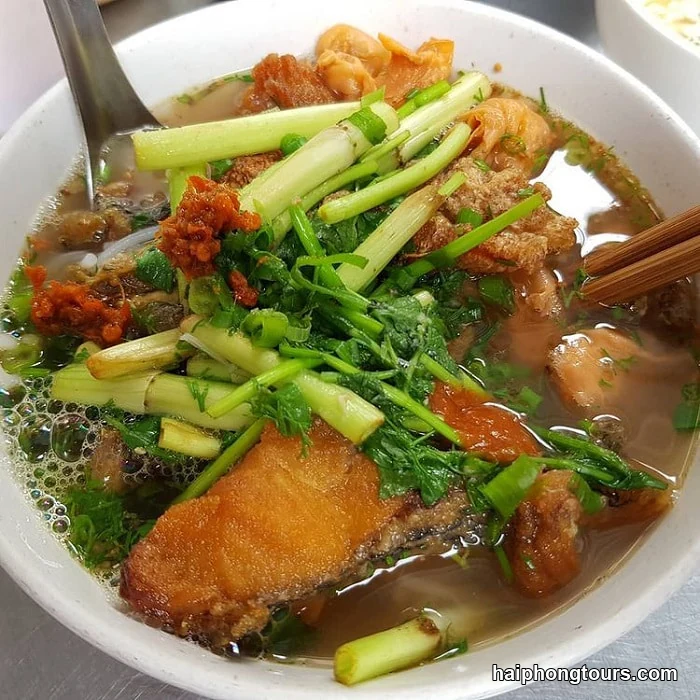
Hai Phong crab noodles, crab spring rolls and spicy fish noodles.
- Bánh đa cua: red rice noodles in a crab-based broth, usually served with greens and several toppings. Ask about pork or other toppings if you have dietary restrictions.
- Nem cua bể: square fried spring rolls associated with Hai Phong, commonly filled with crab and pork. They are easier to share as part of a meal.
- Bún cá cay: fish noodle soup with a spicy profile. Ask for less chili if needed, because heat levels vary by shop.
- Bánh mì cay: small, crisp baguettes commonly filled with pâté and chili sauce. Order the chili separately if you are sensitive to spice.
- Seafood and snails: a natural fit for a port city. Confirm the price by item or weight before ordering and check the bill against the agreed amount.
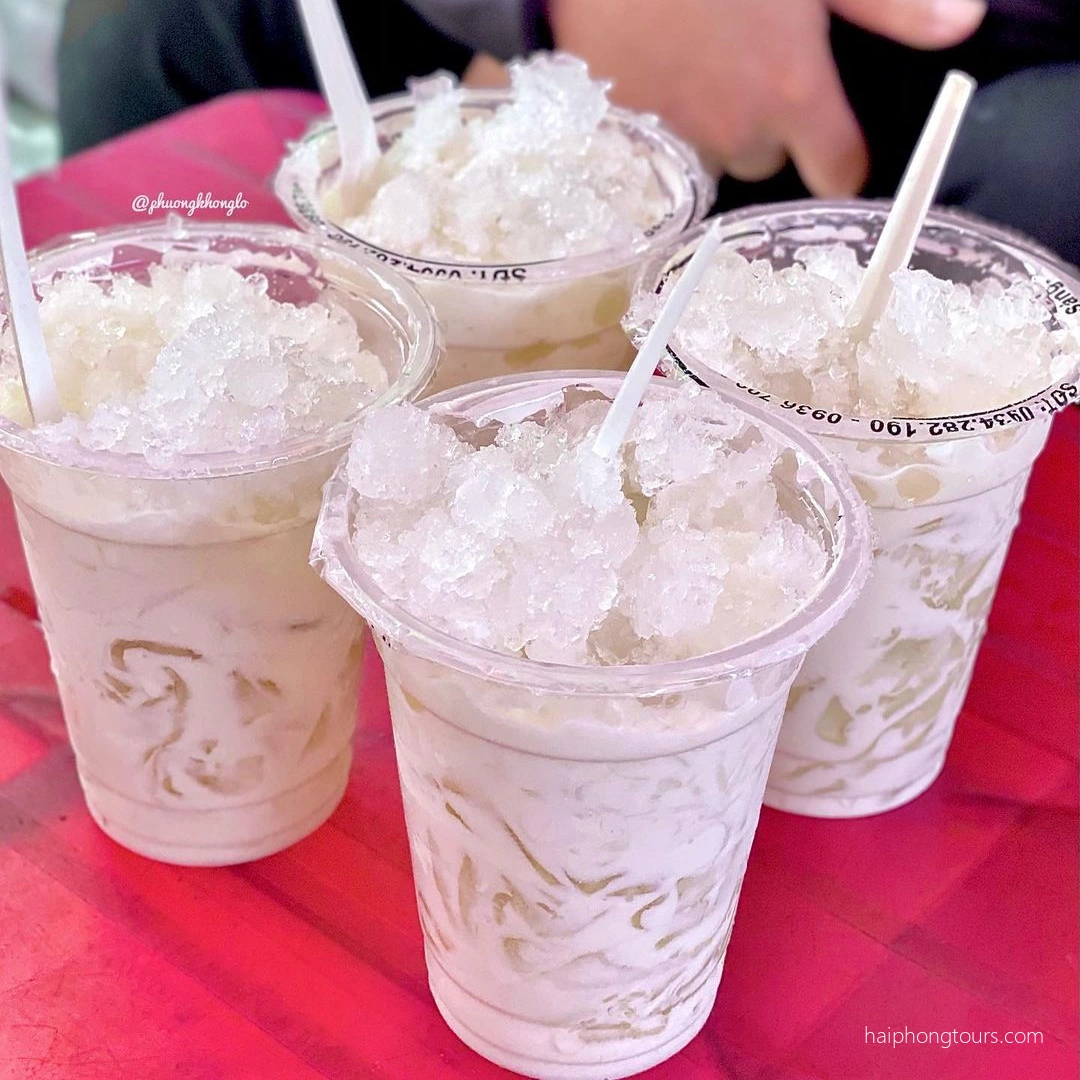
- Coconut desserts and drinks: dừa dầm or coconut coffee provides an easy finish after savory dishes.
On a short visit, one noodle dish, one small snack and one dessert will usually show more of Hai Phong’s recognizable food identity than traveling far for an uncertain specialist restaurant. Choose busy, clean-looking premises, confirm unfamiliar ingredients and keep the focus on dishes the city itself promotes as part of its food culture.
Useful guides for your trip
Would you like to include local food in a city visit? Contact us with your destination, date, group size and dietary needs to discuss a suitable tour or private itinerary.