
An overnight train can work well for a family in northern Vietnam when the child’s ticket, identity document and sleeping place are settled before payment. Do not assume that a young child automatically receives a free separate berth or that the accompanying adult’s passport covers every document check.
Current railway rules require children under 10 to travel with an adult. Vietnam Railways also lists accepted child documents and requires the child’s information, plus accompanying-adult details, when the booking is created.
Check the child’s current fare and place
Child discounts, shared-place rules and separate-seat options can depend on age and the current sales policy. Enter the child’s real date of birth and ask what physical place the fare provides. A reduced or no-fare child entry may mean sharing the adult’s seat or berth rather than receiving another bed.
If two adults and two children need a private sleeping arrangement, compare the available compartment layout before purchase. Do not buy adult berths first and expect staff to place the remaining family members together later.
Carry the child’s accepted document
Vietnam Railways guidance lists a passport or a copy of the birth certificate among accepted documents for children within the stated age group, with other specific documents applying in limited care situations. Use the document whose details were entered in the booking and keep it accessible, not buried in checked or bulky luggage.
Check every child’s name and date of birth on the issued ticket. If the information is wrong, resolve it through the issuing channel before departure rather than editing the file.
Choose the sleeping arrangement deliberately
A lower berth is easier for an adult managing a young child, night toilet trips or frequent access to bags. An upper berth reduces floor traffic but requires climbing. Ask about the actual compartment and berth type shown in the booking system; photos from another carriage may not match.
Keep one adult able to reach the aisle without climbing over a sleeping child. Do not create an improvised bed on the floor or block the door, ladder or corridor with bags.
Pack a small night bag
- Identity documents and all tickets.
- Water and food the child can safely eat.
- Medicine, wipes, a change of clothes and a small towel.
- A warm layer for air-conditioned coaches.
- Quiet entertainment with headphones.
- Toilet supplies and a bag for waste.
Keep valuables, medicine and documents inside the compartment with the family. Large cases should not obstruct the aisle or emergency movement.
Prepare for boarding and arrival
Arrive early enough to find the correct station, platform and carriage without rushing children across a crowded area. Hold hands near the platform edge and board only when railway staff direct passengers to the train.
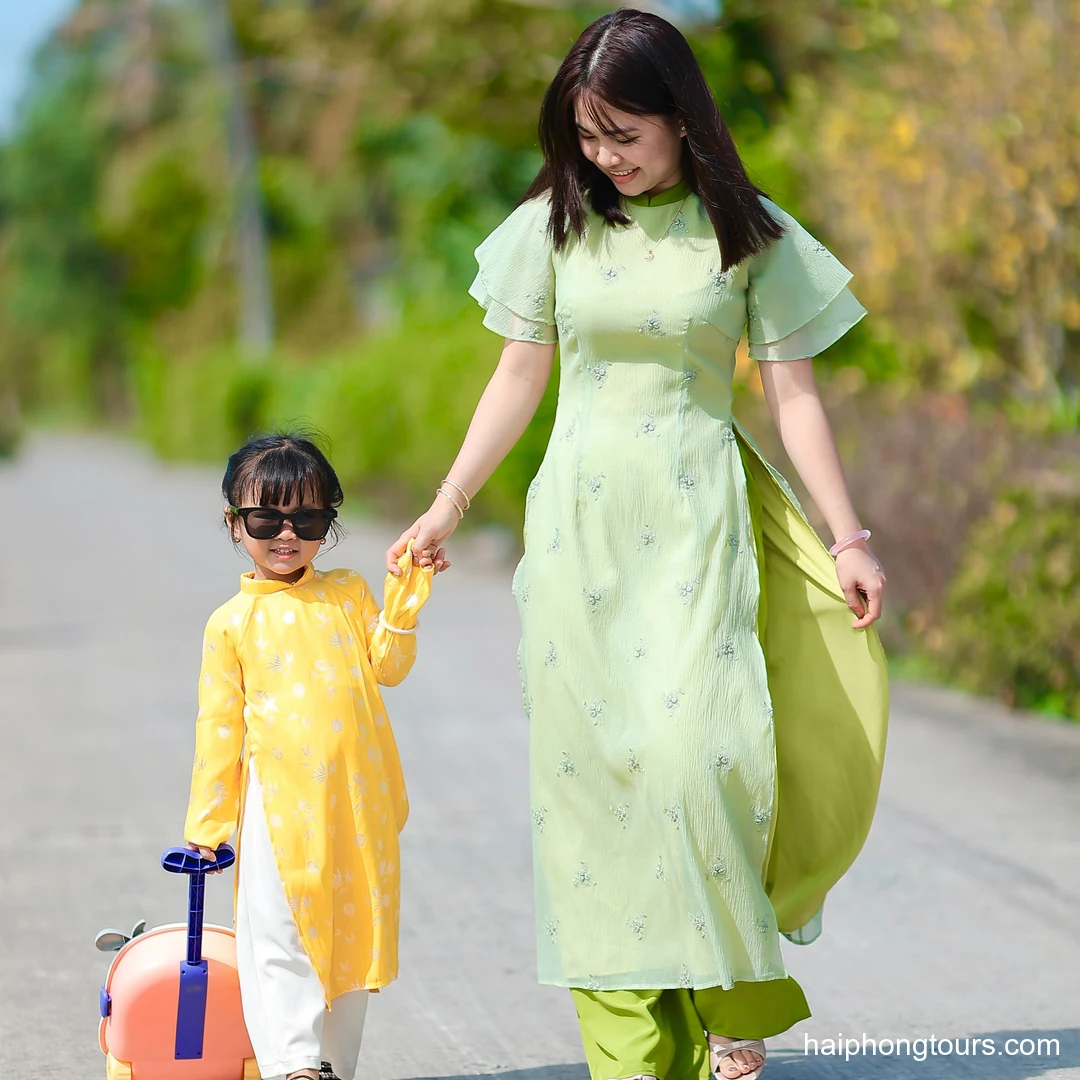
Night trains can arrive early in the morning. Confirm whether the hotel accepts early luggage or early check-in, and arrange the station-to-hotel vehicle before the family is tired on arrival. The train ticket does not include a Sapa, Tam Coc or other final hotel transfer.
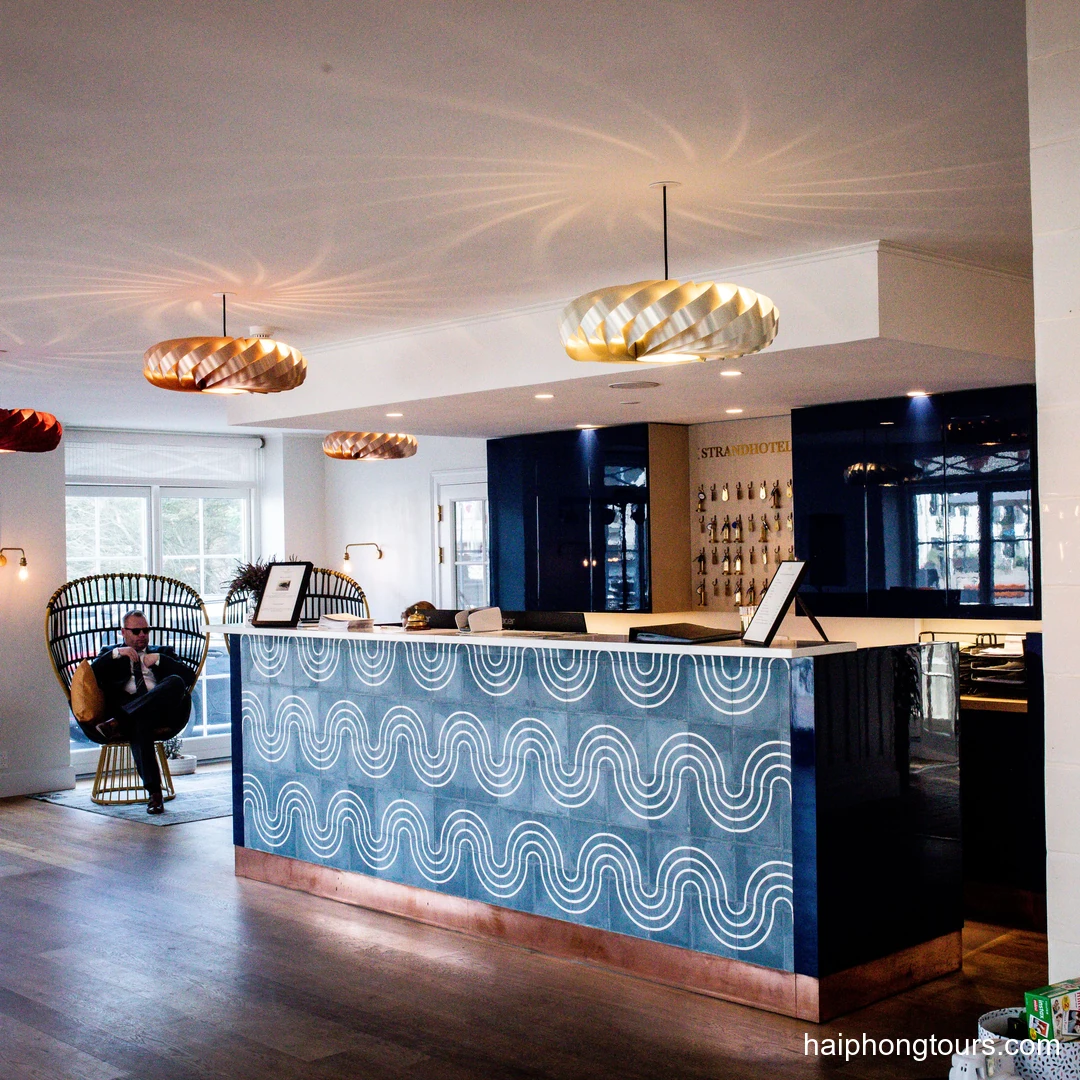
Know when another option is better
Choose a daytime train or direct road transfer when the child cannot safely use the available berth, the family cannot obtain adjacent places, or a very early arrival creates an unmanageable wait. Hai Phong Tours recommends comparing the whole night, including station transfers and hotel access, rather than choosing rail only to save one room night.
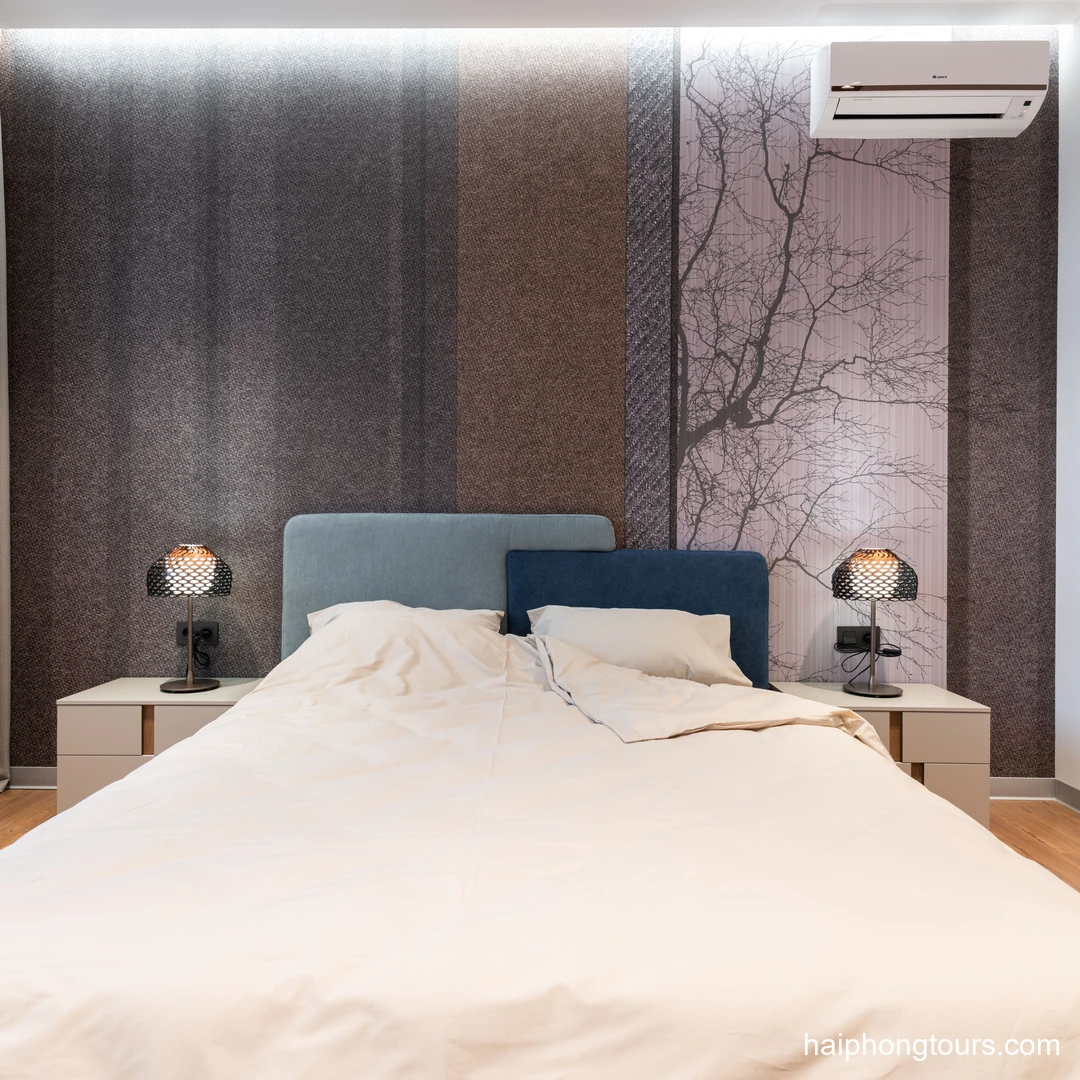
Before departure, reconfirm the train, date, station, carriage, each child’s document and the exact place assigned. That check prevents most family boarding problems.
Would you like help fitting this experience into your trip? Contact us with your travel dates, starting point, available time and group size. Tell us about walking limits or special interests so we can suggest a practical itinerary.