
Cuc Phuong National Park is worth one full day if you want an accessible introduction to northern Vietnam’s tropical forest, caves and wildlife conservation. Stay one night if you want an evening nature program, an early forest walk or a slower visit with children. The most common planning mistake is treating the entrance gate and the main forest trails as one place: Bong forest center is about 20 kilometres beyond the park headquarters.
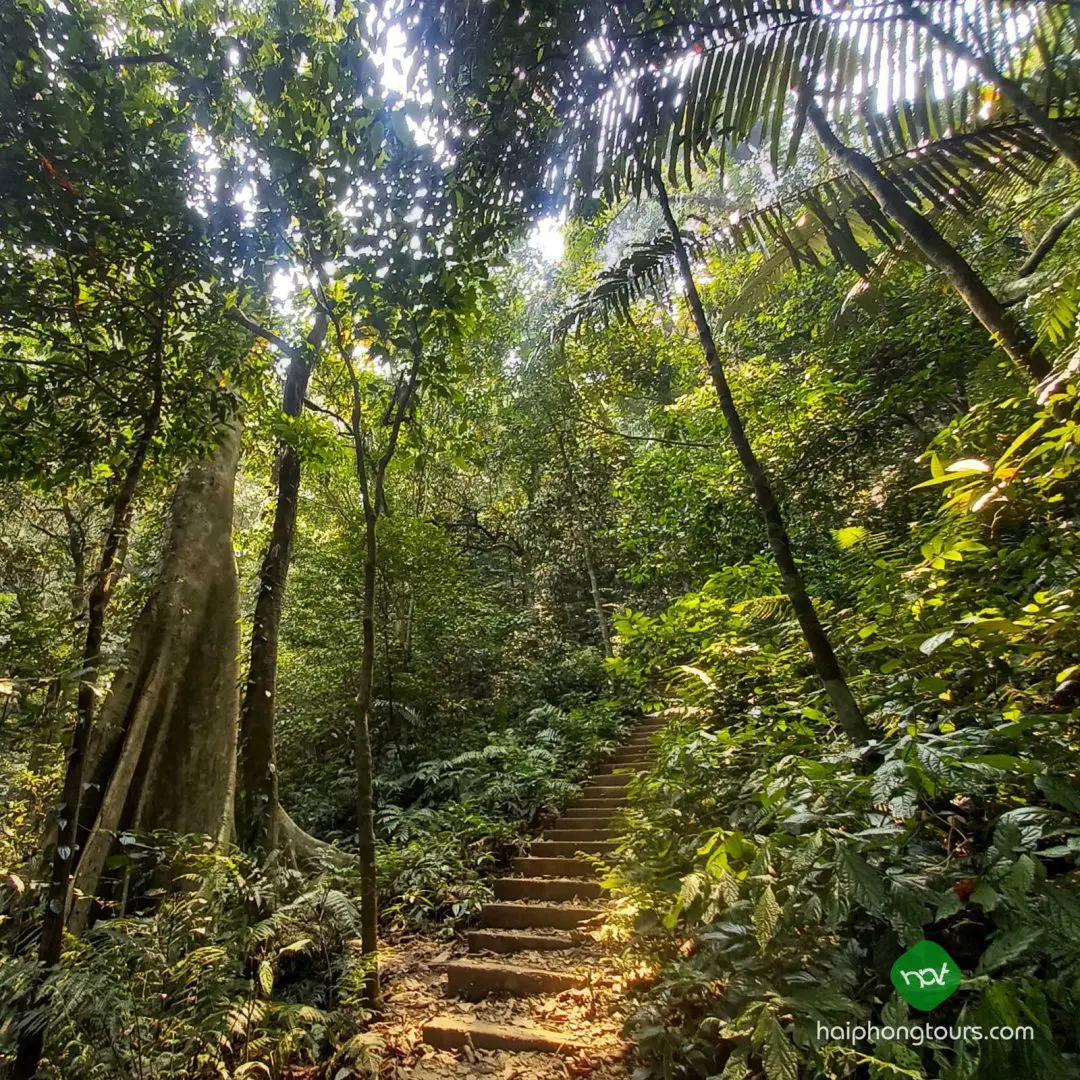
A strong first visit combines one conservation program near the entrance with one clearly named forest route. Do not build the day around seeing wild mammals; sightings are unpredictable. Choose Cuc Phuong for the forest itself, well-established walking options and the chance to understand conservation work at close range.
Cuc Phuong at a glance
- Best for: forest walking, conservation, birding, caves and a quiet break from the busier Ninh Binh sights.
- Minimum useful time: one full day from Ninh Binh or Tam Coc.
- Better pace: one night near the entrance or inside the park, especially for an evening program or early-morning walk.
- Main planning issue: transport inside the park, not only transport to the gate.
- Wildlife expectation: conservation centers offer reliable learning; wild-animal encounters are never guaranteed.
- Physical level: ranges from short, easy paths to steep or multi-day guided routes.
- What to confirm: the selected trail, guide requirement, conservation-center session, core-road access, food and return transport.
Why Cuc Phuong is different from other Ninh Binh stops
Cuc Phuong was established in 1962 and is Vietnam’s oldest national park. Its limestone forest extends across parts of Ninh Binh, Hoa Binh and Thanh Hoa. This is a forest destination rather than a viewpoint or a quick roadside attraction.
The park combines three experiences that are easy to confuse. The entrance area contains the visitor center and several conservation programs. Stops such as the Cave of Prehistoric Man sit along the internal road. The deeper forest routes begin around Bong, at the far end of that road. A useful itinerary must decide how much time to give each zone.
Cuc Phuong also rewards a different pace from Trang An, Tam Coc or Hang Mua. The main value comes from walking under the canopy, listening, observing small details and learning why rescued animals cannot simply be released on demand. A rushed photo stop misses most of that value.
How many days do you need?
One full day: the practical choice for most visitors
A day is enough for one focused conservation visit and one moderate forest walk, provided you leave Ninh Binh or Tam Coc early and have round-trip transport arranged. Choose either a shorter entrance-area plan or the main Bong forest experience. Trying to visit every center, cave and trail usually creates more driving than walking.
If you are based in Tam Coc, use the detailed Cuc Phuong day-trip planning guide to compare a driver, scooter and guided visit. It also explains why a one-way ride to the gate does not solve transport to the forest center.
Two days and one night: best for nature-focused travelers
Stay overnight if you want an evening nature program, an early botanical or birding walk, or enough time to separate the conservation centers from the main forest trail. This pace also suits families because it avoids a long road journey immediately after several hours of walking.
An overnight stay does not require a difficult trek. You can arrive in the afternoon, visit the entrance area, join an approved evening activity, sleep near the park and walk a forest route the next morning. Confirm where your room is located because park headquarters, Mac Lake and Bong are separate areas.
Three days or more: only for a specific guided program
Longer stays make sense for serious birding, guided jungle trekking, village routes, camping or specialist biodiversity interests. Some official routes require a park guide and local support. Arrange these in advance rather than arriving with a generic plan to “trek for several days.”
For a separate Muong village stay beyond the park, compare Ngoc Son–Ngo Luong village stays and treks. Choose between a Mu Stream base and an active Mu–Sat–Thuong walking journey; the ecological connection between reserves does not mean one continuous public trail.
Understand the park layout before choosing a route
Park headquarters and entrance area
Start at the visitor center for current trail conditions, guide requirements and transport arrangements. This is also the logical area for the Endangered Primate Rescue Center, Turtle Conservation Centre and other managed conservation programs. Their visit formats and session times can change, so treat them as scheduled activities rather than open rooms you can enter at any moment.

The entrance area works well for visitors with limited walking time, children who need shorter activities or anyone more interested in conservation than a long trek. It is also where you should resolve payment, guiding and access questions before going deeper into the park.
Mac Lake and the internal park road
Mac Lake is about two kilometres from headquarters. The paved internal road continues toward Bong for roughly 20 kilometres. The drive is scenic, but it takes time and is part of the itinerary. Stops along the road may include short walks and the Cave of Prehistoric Man.
Core-road access is controlled. Vehicles with 29 or more seats normally stop at the gate for an electric transfer; the park assesses special arrangements for certain prebooked or overnight groups. Smaller vehicles are limited to 300 per day. Confirm access to Bong and the fallback transfer before arrival. A room or guide reservation does not automatically authorize your vehicle to enter.
Bong forest center
Bong is the base for the best-known walks through primary forest. Facilities are more limited than at the entrance, and electricity or food service at remote accommodation may not operate like a city hotel. Bring water and an emergency snack even if you expect to eat there.
This area is the right choice when forest time is the priority. It is a poor last-minute addition after a long conservation-center visit because the internal drive and return journey still have to fit into daylight.
Which Cuc Phuong trail should you choose?
Route names, access and guide requirements should be reconfirmed at the visitor center. Rain, storms, maintenance and conservation work can affect one trail while the rest of the park remains open.
Botanical Garden Loop
The park describes this as a flat, easy three-kilometre walk taking roughly 1.5 to two hours, with a guide or interpreter required. It is a good early-morning option for plants and bird calls and can fit an entrance-area itinerary without driving to Bong.
Best for: visitors who want interpretation, modest walking and easy access from headquarters.
Cave of Prehistoric Man
A short approach leads to a multi-chambered limestone cave associated with prehistoric human remains. Allow about 30 to 60 minutes and carry a proper flashlight or headlamp. The cave is dark, contains uneven surfaces and is also habitat for bats, so keep voices low and avoid shining lights at animals.
Best for: a short cultural and geological stop on the road toward Bong.
Ancient Tree route
The park lists a paved forest path of about three kilometres each way, usually taking around 1.5 to two hours. It gives first-time visitors a manageable walk under the canopy without committing to the longer loop. Paved does not mean fully accessible: roots, damp surfaces and changes in gradient still matter.
Best for: a shorter independent forest walk, subject to the day’s access advice.
Thousand-Year-Old Tree and Palace Cave loop
This established loop near Bong is about seven kilometres and normally takes two to three hours. It is a moderate forest walk with a cave component, so bring a light and shoes with reliable grip. A guide is recommended and can add far more value than simply following the path.
Best for: reasonably active first-time visitors whose main goal is a substantial forest experience.
Fossil and Ancient Tree Loop
The official route information describes a nine-kilometre loop taking approximately three to four hours, with a guide required. It goes deeper into dense forest and needs more time, water and concentration than the common short walks.
Best for: fit hikers who have booked the required guide and want a longer route.
Silver Cloudy Peak and multi-day routes
Silver Cloudy Peak is a demanding climb and should be treated as the day’s main activity. Longer jungle and Muong village routes can involve camping, local support and mandatory guiding. Do not add either plan as an improvised extension after reaching Bong.
Best for: experienced walkers with a specific booking, suitable weather and enough daylight.
What the conservation centers offer
Cuc Phuong’s conservation programs are not conventional zoos. They care for animals rescued from illegal trade, support breeding and rehabilitation, and help visitors understand the limits of release. Some animals may remain out of view because of welfare, treatment or enclosure management.
Endangered Primate Rescue Center
The primate center was established in 1993 and works with threatened Vietnamese primates. A visit can introduce species, threats and rehabilitation work, but it should not be described as seeing every animal at close range. Follow staff instructions, keep noise low and do not imitate calls or offer food.
Turtle Conservation Centre
The turtle center focuses on native freshwater turtles affected by hunting and wildlife trade. It is particularly useful for families and travelers who want a concrete explanation of why release, breeding records and suitable habitat matter.
Carnivore and Pangolin Conservation Program
This program works with threatened carnivores and pangolins. Public access may use a specific guided format or be included in selected programs. Ask whether it is accepting visitors on your date and what the visit includes before building the day around it.
Reserve or confirm the exact center, meeting time, language and total fee. “Visiting the rescue centers” is too vague for a reliable itinerary because the programs do not necessarily share one ticket or continuous opening hours.
The nearby FOUR PAWS Bear Sanctuary Ninh Binh is a separate attraction with its own skywalk and guided programs. Reserve it independently and reduce the park itinerary if combining both; a longer bear visit and the full Bong forest loop can make an overfilled day.
Two realistic one-day itineraries
Plan A: conservation and a shorter forest walk
- Leave Ninh Binh or Tam Coc early enough to reach the park in the morning.
- Confirm the day’s trail and core-road arrangements at the visitor center.
- Join one or two prearranged conservation sessions near the entrance.
- Have an early lunch or use food prepared in advance.
- Choose the Cave of Prehistoric Man and one short forest route.
- Start the return while there is still comfortable daylight.
This is the better plan for families, mixed fitness levels and travelers who care most about conservation.
Plan B: the main Bong forest experience
- Keep the entrance briefing focused and settle internal transport immediately.
- Continue to Bong without trying to tour every conservation facility.
- Walk one selected route, allowing extra time for wet ground and rest stops.
- Use only confirmed food service or carry a simple lunch and enough water.
- Leave Bong with a generous buffer for the 20-kilometre internal road and your drive back.
This is the stronger plan for walkers who value uninterrupted forest time.
Best time to visit Cuc Phuong
November to March: cooler walking conditions
The cooler, generally drier part of the year is comfortable for longer walks. Winter can still be damp and chilly under the canopy, especially early in the day. Carry a light layer and expect shaded paths to stay wet after rain.
April and May: butterflies and warmer forest activity
The park highlights April and May for large butterfly gatherings. The display varies with weather and is not a daily performance. Weekends during a strong season can be busy, so an early weekday visit gives a calmer experience.
For a visit built around the seasonal gatherings, use the Cuc Phuong butterfly-season guide to choose suitable weather, walking effort and internal transport.
Spring and early summer can also bring firefly activity after dark. The timing changes from year to year, and an evening visit needs its own booking and sleep plan. Use the separate Cuc Phuong firefly guide for season, approved night tours and responsible viewing.
May to October: green forest, heat and heavier rain
The wet season brings lush vegetation, humidity, insects and a greater chance of slippery paths or disruption from heavy rain. Start early, use closed footwear and check the named trail on the morning of your visit. A park can remain open while one road, route or evening activity is suspended.
How to get to Cuc Phuong
From Ninh Binh or Tam Coc
Allow roughly 75 to 90 minutes by road from Tam Coc, depending on your pickup point and conditions. A round-trip car with a waiting driver is the simplest independent arrangement because it covers both the rural return and your equipment. Confirm whether the driver will enter the park, wait at the gate or coordinate with internal transport.
A scooter offers flexibility only for a confident rider whose licence and insurance cover the vehicle. The day includes rural roads, the park’s long internal road and forest walking. Avoid a return after dark and do not assume a motorbike is exempt from access controls.
From Hanoi
Cuc Phuong is about 120 kilometres from Hanoi, and the road journey commonly takes two to three hours each way. A same-day visit is possible, but it creates a long day and leaves less room for an evening program. A private vehicle or an organized visit with named inclusions is more reliable than combining several local transport stages.
Published bus routes and departure points can change. If using public transport, confirm the terminal, last connection and final drop-off shortly before travel. Reaching Nho Quan or a road junction does not place you at the visitor center, and reaching the gate does not place you at Bong.
For a trip starting in the capital, the Hanoi to Cuc Phuong transport guide compares direct cars, Nho Quan connections and a Ninh Binh hotel-first plan. It also explains what to include in the quote when your driver waits at the gate or your final drop-off is Tam Coc.
Where to stay
The park lists accommodation at three distinct areas: headquarters, Mac Lake and Bong. Headquarters has the easiest access to visitor services and conservation programs. Mac Lake is quieter and close to the entrance area. Bong gives the strongest forest atmosphere but has simpler, more limited services.
- Choose headquarters for a first visit, conservation sessions or an evening program with the simplest logistics.
- Choose Mac Lake for a quieter setting without committing to the deepest part of the park.
- Choose Bong for an early forest start and accept limited electricity, food choices and connectivity.
- Stay outside the park if you prefer a wider hotel choice, but arrange every evening and early-morning transfer in advance.
Ask for the exact location, room type, hot water, air-conditioning or fan, electricity hours, meal availability and transport to your activity. Do not rely on the word “Cuc Phuong” in a property name to mean it is beside your trailhead.
Tickets, guides and costs to confirm
Park admission may be only one part of the total. Conservation programs, an official guide, parking, internal electric transport, bicycle rental, food and accommodation can be charged separately. Prices and access policies are changeable, so confirm the total for your exact group and date.
A park-run day or overnight program
For a coordinated visit, ask for “Dấu chân tiền sử & Kỳ quan rừng già” (“Prehistoric Footprints and Ancient Forest Wonders”). The one-day format combines conservation visits, the museum, electric transfers, the Prehistoric Man Cave and an old tree. The two-day format adds an approved evening wildlife program.
The one-day package has a minimum total charge for fewer than five people; the two-day package is advertised for four or more. Both include guiding, specified admissions and electric transport. Meals and VAT are extra, even though meal stops appear in the itinerary. Confirm the room type and total accommodation charge explicitly for an overnight booking.
Hai Phong Tours recommends comparing the whole quote with your independent plan. Contact the park on or (Zalo), giving your date and party size. Confirm English guiding and the return meeting point; arrange road transport to the park separately unless your quote includes it.
Before paying, obtain clear answers to these points:
- Which named trail is open, and is a park guide required?
- Which conservation center or evening program is included?
- Where and when does each activity begin?
- Can your vehicle use the internal road, and what is the backup transfer?
- Are lunch, drinking water and return transport included?
- What happens if rain or a park notice closes the selected route?
Safety and what to carry
- Closed walking shoes with reliable grip.
- Light long clothing, insect repellent and sun protection for exposed road sections.
- A compact rain layer and a dry bag for electronics.
- Enough drinking water and an emergency snack.
- A flashlight or headlamp for cave visits.
- A charged phone, power bank and offline access to your driver’s details.
- Cash for small on-site payments.
- Any personal medication, with extra supply if staying overnight.
Wet limestone, roots and leaf litter can be slippery. Leeches and other forest insects are more noticeable in wet conditions. Stay on the approved path, turn back when staff close a route and allow the slowest person in the group to set the pace.
Mobile coverage can weaken deeper in the park. Share your route with the visitor center or guide and agree on a return time with your driver before leaving the entrance area. Do not enter remote paths or the forest at night without an approved guide and program.
Wildlife watching without unrealistic promises
Early morning and late afternoon can be productive for birds and forest sounds, but no season or guide can guarantee a wild mammal. Dense vegetation makes animals difficult to see, and many species avoid people. A quiet, observant visitor may notice calls, movement, butterflies, reptiles or tracks even when larger animals stay hidden.
Keep distance, never feed wildlife and avoid flash. Do not handle insects, plants, shells or forest objects. During a conservation-center visit, follow staff instructions and respect areas closed for treatment or rehabilitation.
Is Cuc Phuong suitable for children or limited mobility?
Families can have a valuable visit by choosing the visitor center, a conservation program, the Cave of Prehistoric Man approach or a shorter forest path. Build in food, toilets and rest time rather than copying an adult hiking schedule. Young children should stay within arm’s reach near roads, caves and uneven trail edges.
Wheelchair and step-free access is limited. A paved path can still include gradient, broken surfaces, roots or steps, and an electric vehicle does not make every stop accessible. Describe the traveler’s needs to the park before arrival and ask about the exact route, vehicle boarding and toilet access.
Common Cuc Phuong planning questions
Can you visit Cuc Phuong in half a day?
A half day works for the entrance-area visitor and conservation programs or one short walk. It is not enough for a relaxed visit to Bong from Tam Coc or Hanoi.
Do you need a guide?
Some common paths can be walked independently after checking in, while other routes require a park guide. A guide is also worthwhile for birding, ecology and longer forest routes even where it is optional. Confirm the named trail rather than asking whether Cuc Phuong in general needs a guide.
Can you see both the primate center and the main forest loop?
Yes, if the conservation visit is booked early, internal transport is ready and you limit the day to one main loop. Visiting every center as well will make the schedule rushed.
Is Cuc Phuong better than Trang An?
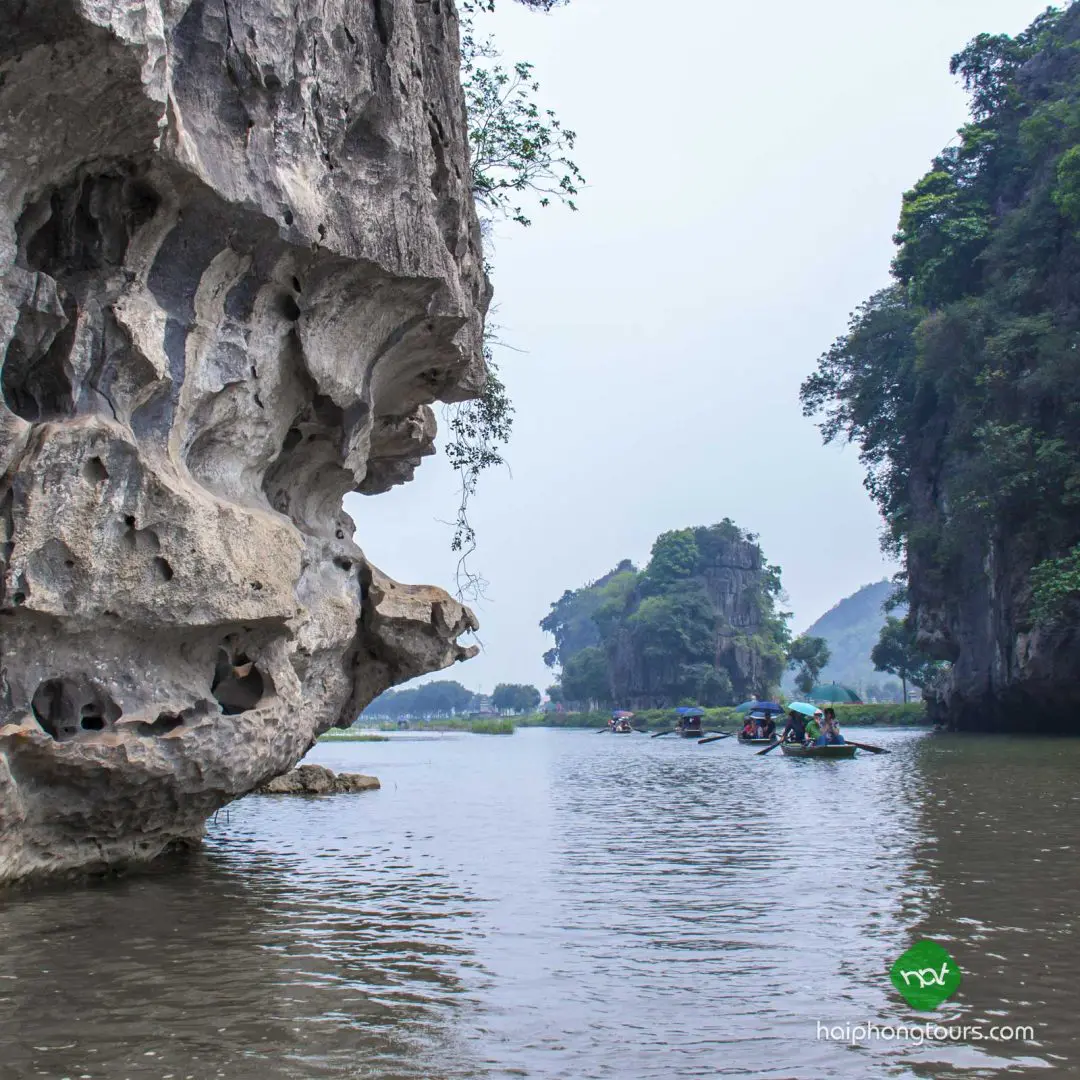
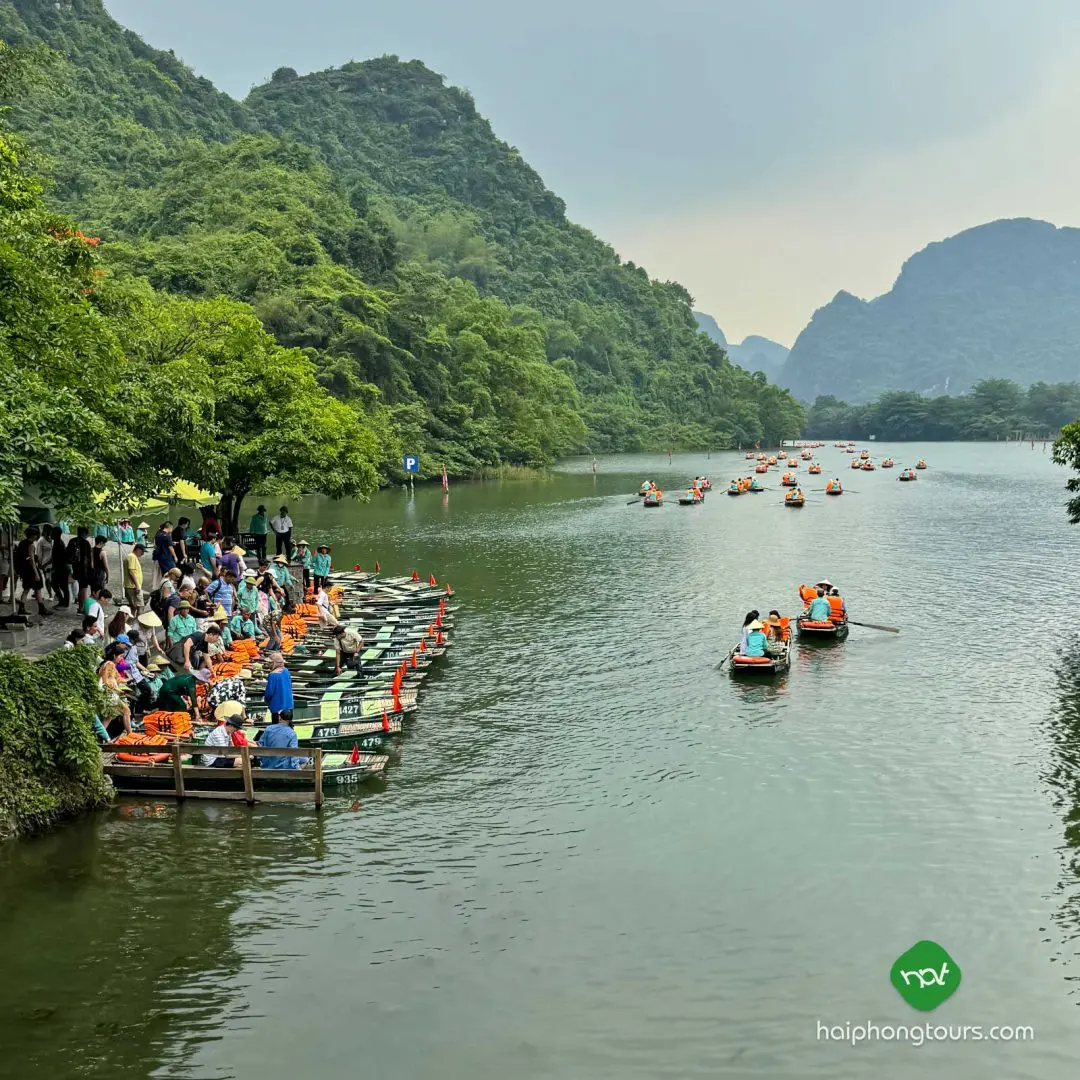
They answer different interests. Choose Cuc Phuong for forest walking and conservation. Choose Trang An for a boat journey through a limestone and cultural landscape. With two days in Ninh Binh, give each experience its own day.
Can you rely on food inside the park?
Restaurants and snacks are listed at several accommodation areas, but choices and operating times can be limited. Confirm meals in advance and carry water plus a simple backup snack, particularly when going to Bong.
A practical final decision
Choose one day if you want a clear introduction: one conservation program, one cave or forest route, and transport arranged through to the correct trailhead. Choose one night if evening wildlife, fireflies, early birding or a slower family pace is important.
The quality of a Cuc Phuong visit depends less on collecting attractions and more on matching the route to your time and fitness. Before leaving, confirm the exact trail, guide, conservation session, internal transport and return plan. That five-part check prevents most avoidable problems.
Would you like help fitting this experience into your trip? Contact us with your travel dates, starting point, available time and group size. Tell us about walking limits or special interests so we can suggest a practical itinerary.