
Da Bia is a Muong community on Hoa Binh Lake where a household stay can combine time on the water with village food and craft activities. Choose it when you want the host and the lakeside setting to be the main experience. A night here offers something different from stopping for lunch during a sightseeing boat trip.
For a relaxed visit, plan two nights if your schedule allows: arrive and settle in, keep a full day for one arranged activity, then leave without rushing. This is a suggested pace, not a fixed package. Confirm that your accommodation is actually in Da Bia; a tour through the wider Da Bac area may sleep in another village.
Find the village, not just the Da Bac area
Save the destination as Đá Bia, Đức Phong, xã Tiền Phong, Phú Thọ. Older addresses use Tien Phong commune, Da Bac district, Hoa Binh province. The familiar Da Bia name refers to the community within Duc Phong, while “Da Bac” alone is too broad for a final drop-off.
Da Bia’s community is Muong Au Ta. Nearby Sung Village has a different emphasis: Dao Tien textiles, paper making and hill walks. Choose your base by the activity you want, rather than assuming the villages offer interchangeable stays.
Arrange the house and arrival together
Action on CBT offers Da Bia village stays and activities. Contact its team, naming Da Bia and your dates. Ask for the host, sleeping arrangement, meals, activity and arrival route in one proposal; the organization’s office address is not your homestay destination.
Traditional stilt-house accommodation can use sleeping compartments divided by curtains. Decide whether that suits your group before reserving. A curtain does not provide the sound insulation of a room, and the word “private” should be clarified for both the bedroom and bathroom.
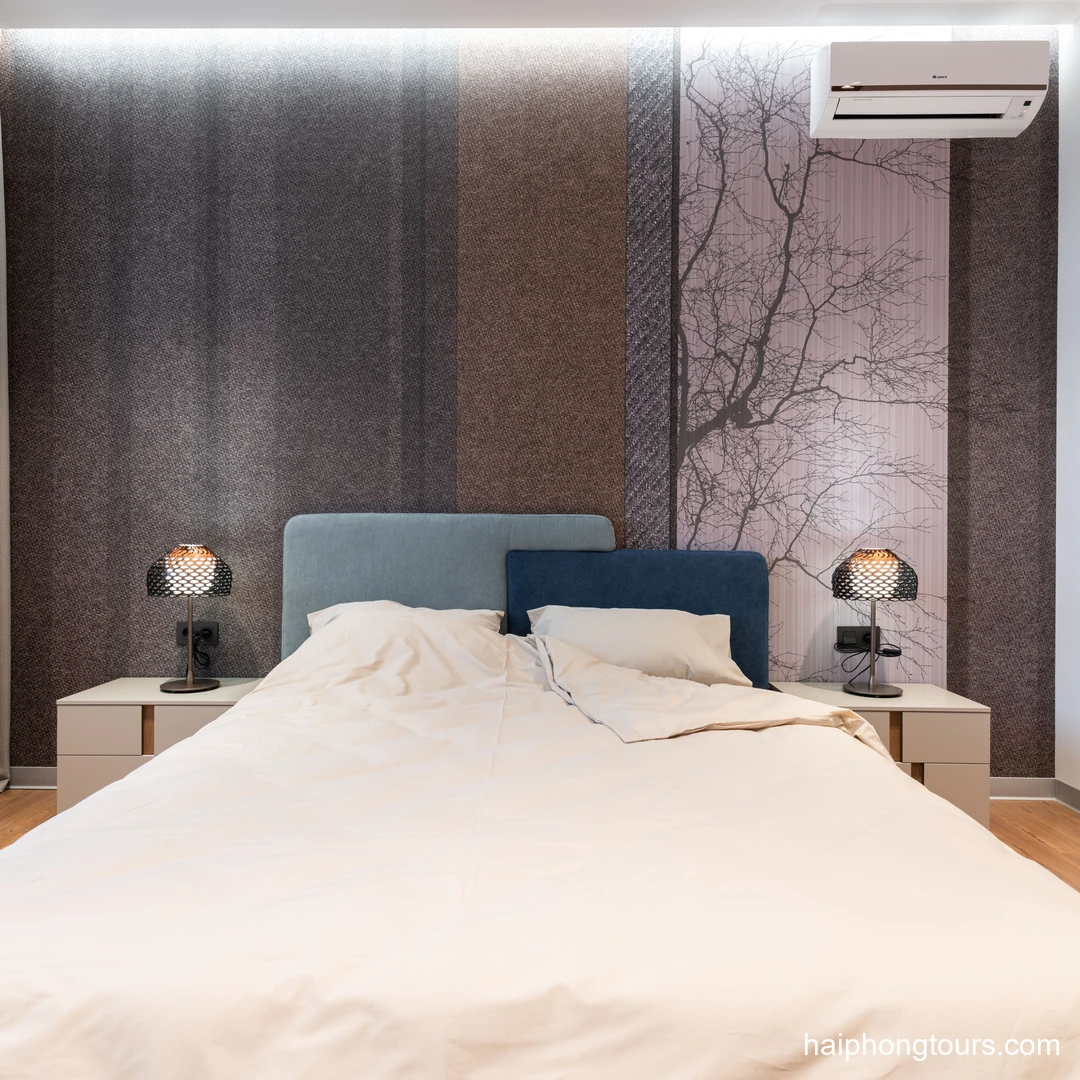
Request photographs of the actual sleeping place and the route from the vehicle or boat to it. Check steps, the nighttime bathroom route and where you can sit comfortably. If English conversation is important to the stay, arrange interpretation rather than assuming every household member speaks it.
Road arrival or a boat across the reservoir
The road approach runs through the Hoa Binh and Da Bac areas. A water approach can start from Thung Nai harbor. These are alternative arrival arrangements, not adjacent entrances: have the host choose the meeting point before you book the car.
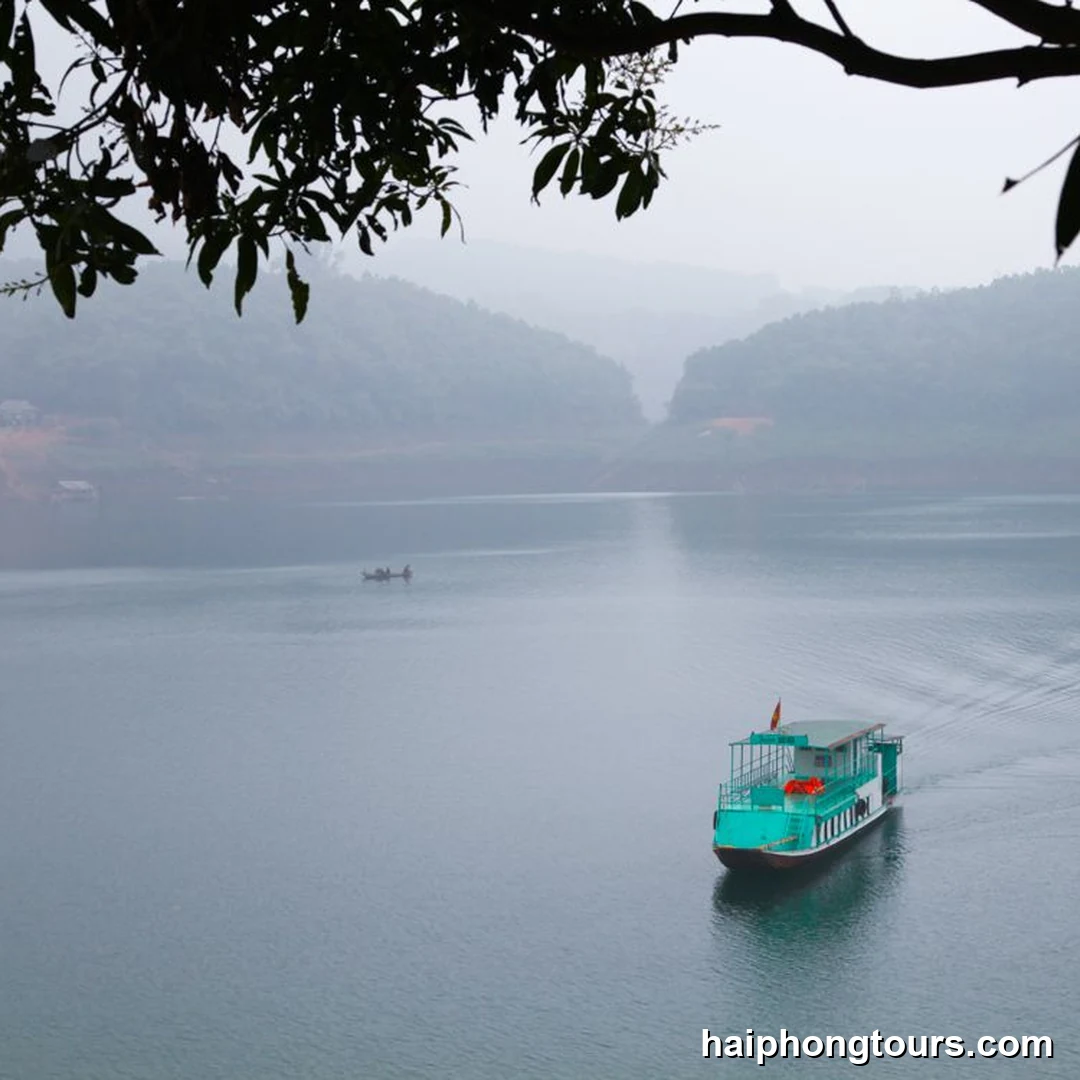
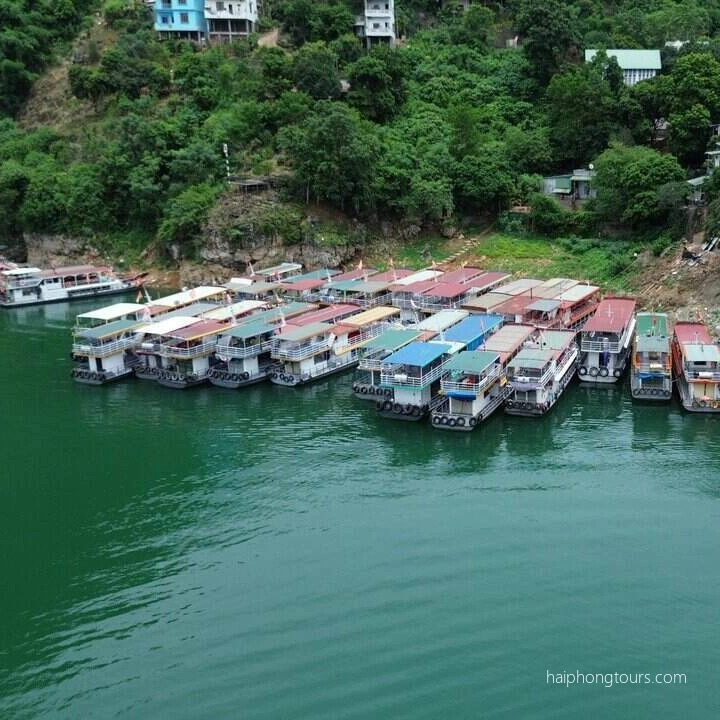
For a boat arrival, agree on who meets the road vehicle, which boat carries you, how luggage is handled and how you return. Do not arrive at an arbitrary harbor expecting a frequent public ferry to the house. Ask about the final walk from the landing and whether water conditions change the pickup.
If you mainly want temples, a cave and a sightseeing circuit, the Thung Nai and Hoa Binh Lake guide is the better starting point. Keep that circuit separate from the time reserved with a Da Bia household.
Choose a village activity with a clear purpose
Bamboo weaving and making bánh ốc, a shell-shaped rice cake wrapped in banana leaves, are activities to request in Da Bia. The village also has a lakeside community cafe. Use a craft or kitchen session to learn from the person doing the work, rather than treating every household as an open workshop.
Ask whether you will watch, practice a small part or complete an item. For bamboo work, choose a manageable object and have the host explain who prepares and cuts the material. For cake making, establish whether preparation, wrapping and cooking all fit the session, and whether the result becomes part of your meal.
A short walk can introduce the quán tự giác, an honesty-stall tradition where customers select local produce and leave payment according to the displayed price. If a stall is operating, follow its instructions and ask the host about anything unclear. An unattended display is still someone’s stock, not a free tasting table.
Understand the lake through the people living beside it
The reservoir changed where local families lived. Earlier settlements were left below the water when residents moved, and memories of shared springs and former homes remain part of village history. Ask your host how the move changed farming, fishing and family life; this gives the view meaning beyond its appearance.
Low water has sometimes exposed traces of the old settlement. Treat those places as a subject for conversation, not a promised attraction or a reason to walk onto exposed lakebed. What you can see from an agreed public viewpoint will depend on conditions.
Kayaking and boat outings can be arranged around Da Bia. Settle the route, instructor or escort, equipment and actual time on the water separately from the room. A lakeside address does not make every stretch suitable for independent paddling.
Wear a properly fitted life jacket or buoyancy aid, keep a waterproofed means of calling for help within reach, and accept a shorter outing or cancellation when conditions require it. For children, have the organizer confirm suitable equipment and adult supervision before paying.
Give the shared meal enough time
Muong hospitality here can include sticky rice and cỗ lá, a spread served on banana leaves. Pork preparations, including boiled meat, grilled meat and offal, can appear alongside rice and soup. Agree on the menu rather than assuming every dish suits your diet or that a room booking includes a full feast.
If pork, offal or particular ingredients are unsuitable, explain this before the family shops and cooks. Ask which dishes can be prepared separately and agree on the number eating. Rice wine is optional; enjoying the meal and conversation does not require drinking.
Leave part of the evening unprogrammed. One hosted activity, a meal and time to listen can be enough for a short stay. Confirm the following day’s road or boat collection before settling in, so the final morning belongs to the village rather than a search for transport.
Would you like help fitting this experience into your trip? Contact us with your travel dates, starting point, available time and group size. Tell us about walking limits or special interests so we can suggest a practical itinerary.