
If you are choosing Vietnamese dishes for a first trip, start with the places on your itinerary: bún chả and Hanoi-style chả cá in Hanoi, cao lầu in Hoi An, mì Quảng around Da Nang and Hoi An, and cơm tấm in Ho Chi Minh City. Phở, bánh mì, gỏi cuốn, and bánh xèo give you more options along the way.
These nine dishes cover different kinds of meals, from a takeaway sandwich to a fish dish cooked at your table. Use the Vietnamese names when ordering, and check the filling and sauce: a familiar English label such as “spring rolls” or “pancakes” does not tell you everything on the plate.
Choose a dish for the meal you want
- A quick meal between stops: bánh mì, with your choice of filling.
- A bowl of hot noodle soup: phở bò with beef or phở gà with chicken.
- Fresh rolls to share: gỏi cuốn, often filled with pork, shrimp, noodles, and herbs.
- A crisp dish to wrap in greens: bánh xèo.
- Grilled pork with noodles: bún chả in Hanoi.
- A central Vietnamese noodle meal: cao lầu or mì Quảng, both served with much less liquid than phở.
- A sit-down fish meal: Hanoi-style chả cá with dill and scallions.
- A substantial rice plate: cơm tấm with a grilled pork chop and selected extras.
1. Gỏi cuốn: fresh rice-paper rolls
Gỏi cuốn have a soft, translucent rice-paper wrapper around herbs, lettuce, rice vermicelli, and a filling such as cooked shrimp and sliced pork. They are served fresh rather than deep-fried. If a menu simply says “spring rolls,” confirm which version you are ordering.
The dipping sauce changes the experience considerably. You may get a thick fermented or hoisin-style sauce with peanuts, or a lighter fish-sauce-based dip. Ask about both the filling and the sauce if you want a vegetarian version; vegetable rolls can still arrive with a fish-based dip.
Order a few as a snack or alongside another dish. Check whether the menu price is per roll or per plate before choosing quantities for a group.
2. Bánh mì: a filled baguette for a quick meal
A bánh mì sandwich combines a crisp baguette with savory fillings and vegetables. Pork, pâté, cucumber, pickles, herbs, and chili are common, but each shop has its own combinations. Egg, chicken, and vegetarian versions may also be available.
Choose by the named filling instead of assuming every bánh mì contains the same ingredients. For an egg sandwich, ask for bánh mì trứng; if you do not eat meat, also check whether the shop adds pâté or a meat-based sauce. Request no chili before the sandwich is assembled if you prefer it mild.
Bánh mì works well when you need a portable meal, though a heavily filled sandwich is easier to eat during a stop than while walking.
3. Bánh xèo: a savory pancake to eat with greens
Bánh xèo is a pan-fried rice-batter pancake, commonly filled with shrimp, pork, and bean sprouts. Turmeric gives many versions their yellow color; that color does not mean the pancake is an omelet. Recipes and sizes vary, so check the filling rather than treating egg as an essential ingredient.
Eat it while the edges are crisp. Break off a manageable piece, add herbs, wrap it in lettuce or other supplied greens, and dip it into the accompanying sauce. Some places also provide rice paper for wrapping.
If you are sharing, ask how large one pancake is before ordering several. The plate of greens is part of the meal, and the sauce may contain fish or other seafood ingredients.
4. Bún chả: Hanoi grilled pork with vermicelli
Bún chả brings together grilled pork patties, slices of pork belly, rice vermicelli, and fresh herbs. The pork is usually served in a bowl of diluted, seasoned fish sauce, with the noodles and greens alongside it.
Add small bundles of noodles and a few herbs to the sauce bowl as you eat. You do not need to tip the entire plate into it at once. Taste the sauce before adding extra chili or garlic.
This is a useful Hanoi lunch choice if you want grilled meat rather than a hot noodle soup. Fried spring rolls may be offered as an extra; confirm whether they are included in your order.
5. Phở: beef or chicken noodle soup
Phở uses flat rice noodles in an aromatic broth. The two familiar orders are phở bò, with beef, and phở gà, with chicken. It is a breakfast staple, although individual shops may also serve it at other times.
Start by tasting the broth. Add the lime, chili, herbs, or sauces provided gradually, according to your preference. The accompaniments differ between shops and regions, so a bowl without a large herb plate is not necessarily missing anything.
For a vegetarian meal, look for phở chay and confirm the broth and seasoning. Removing slices of meat or adding tofu to ordinary phở does not change a meat-based stock.
6. Cao lầu: Hoi An’s chewy noodles
Cao lầu is closely associated with Hoi An. Its thick, chewy noodles come with sliced roast pork, greens, bean sprouts, a small amount of savory sauce or broth, and a crunchy topping. It is not a large bowl of noodle soup.
Mix from the bottom so the liquid coats the noodles and greens. The contrast between the firm noodles, pork, and crisp topping is central to the dish. Do not expect the same soft noodles or broth volume as phở.
If your route includes Hoi An, this is a useful local dish to prioritize there. Check the menu for the actual toppings instead of assuming peanuts or a choice of several meats are standard.
7. Chả cá: Hanoi fish with turmeric and dill
Hanoi-style chả cá consists of seasoned fish pieces, often colored with turmeric, cooked with generous amounts of dill and scallions. It is commonly served with rice vermicelli, peanuts, and condiments, sometimes with a hot pan at the table.
Place some noodles in your bowl, then add fish and herbs. The traditional accompaniment may include mắm tôm, a strong fermented shrimp paste; ask whether a fish-sauce alternative is available if you prefer it. Neither sauce is vegetarian.
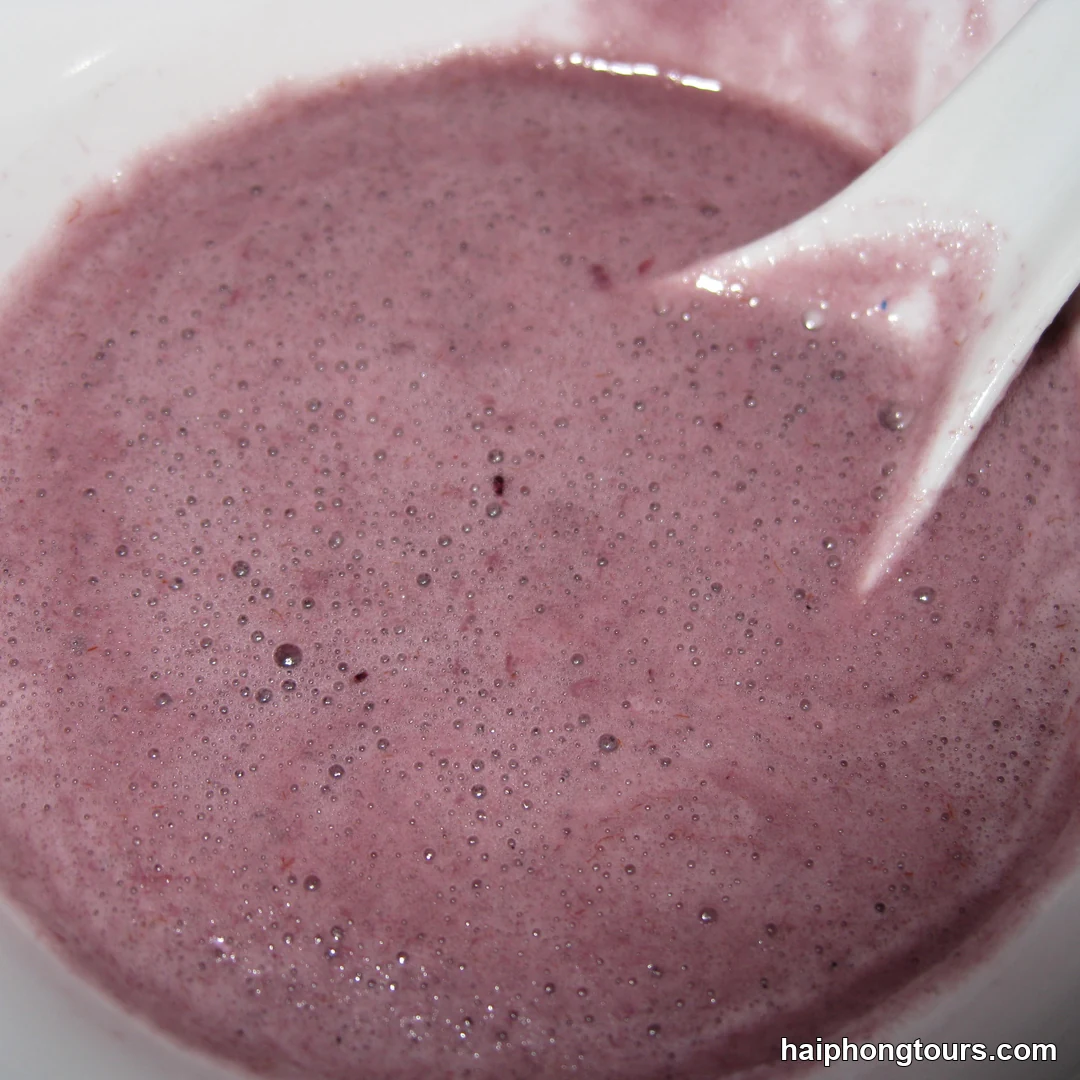
The name needs context: elsewhere in Vietnam, chả cá can mean fish cakes, including those served in noodle soup. Look for the Hanoi dish with fish pieces and dill if that is what you want. When ordering for two or more people, confirm whether the listed price is per person or per pan.
8. Mì Quảng: noodles with concentrated broth
Mì Quảng comes from the Quang Nam region of central Vietnam and is a natural choice around Da Nang and Hoi An. Wide rice noodles sit in a relatively small amount of richly seasoned broth, with toppings that may include chicken, pork, shrimp, or quail eggs.
Fresh greens, peanuts, and sesame rice crackers add different textures. Mix the noodles through the liquid, then eat the cracker alongside the bowl or break some over the top.
Read the protein choice on the menu: chicken mì Quảng and shrimp-and-pork mì Quảng are different orders. The shallow broth is intentional, so do not choose this expecting a soup bowl as full as phở.
9. Cơm tấm: broken rice with grilled pork
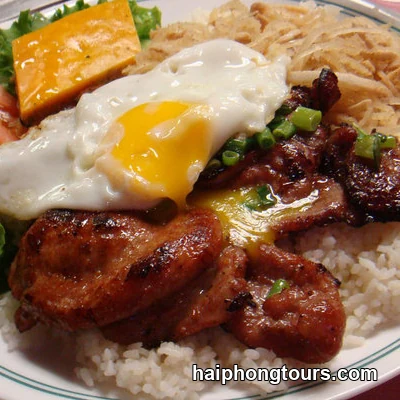
Cơm tấm is made with broken rice grains and is especially associated with Ho Chi Minh City. A grilled pork chop is a common centerpiece, with pickles, scallion oil, and a sweetened fish-sauce dressing.
The words after cơm tấm help you choose the extras:
- Sườn: pork chop.
- Bì: shredded pork skin, often mixed with shredded pork.
- Chả: in this combination, usually a slice of steamed pork-and-egg meatloaf.
- Trứng ốp la: fried egg.
A plate labeled sườn bì chả therefore contains more than rice and a chop. Select the combination you actually want, and check the price of added toppings. Despite the egg in its name or appearance, chả is generally a meat dish.
Order around your preferences, not just the dish name
For vegetarian food, Tôi ăn chay means “I eat vegetarian food.” Explain whether you also avoid eggs and dairy, and ask about the broth, fish sauce, shrimp paste, and pâté. A dedicated vegetarian menu is a more useful starting point than asking a meat specialist to remove one topping.
If particular ingredients are a concern, describe them clearly before ordering. Peanuts may appear in sauces as well as garnishes, and seafood seasoning is not always visible. A dish name alone cannot confirm the full recipe.
Plan meals around your route rather than trying to fit all nine dishes into one day. Choose Hanoi specialties while in Hanoi, save cao lầu for Hoi An, and leave room for a cơm tấm meal in Ho Chi Minh City. This gives each stop a different food experience without turning every meal into a checklist.
Would you like help fitting this experience into your trip? Contact us with your travel dates, starting point, available time and group size. Tell us about walking limits or special interests so we can suggest a practical itinerary.