
The most useful photo spots in Hai Phong are spread across three different settings: the historic city center, the Do Son coast and the Cat Ba–Lan Ha Bay area. If you have only a few hours, stay around Hai Phong Railway Station and the Opera House. Choose Elephant Mountain or Do Son for a full mainland day, and allow at least one night for Cat Ba if the island landscape is your priority.
This guide keeps the places that are practical for a visitor and removes the old recommendation to enter “Tuyet Tinh Coc,” a former quarry lake where access has been restricted for safety. Opening arrangements, boat departures and flower crops can still change, so use the location notes below to choose a realistic plan rather than trying to collect every photograph in one day.
Choose the right photo area
- Architecture and street scenes: Hai Phong Railway Station, the Opera House and nearby central streets.
- Seasonal flowers: Ha Lung flower-growing area, with the grower’s permission.
- Countryside and a limestone ridge: Elephant Mountain in An Lao.
- Coast, temples and old trees: Do Son and Hon Dau Island.
- Karst seascape: Cat Ba Island and Lan Ha Bay.
The Hai Phong city guide provides a broader orientation if you are also deciding where to stay, eat and spend the evening.
1. Hai Phong Railway Station
Hai Phong Railway Station is a working station with a yellow colonial-era facade, an old platform atmosphere and trains connecting the city with Hanoi. It suits portraits, travel-day photographs and architectural details without requiring a trip outside the center.
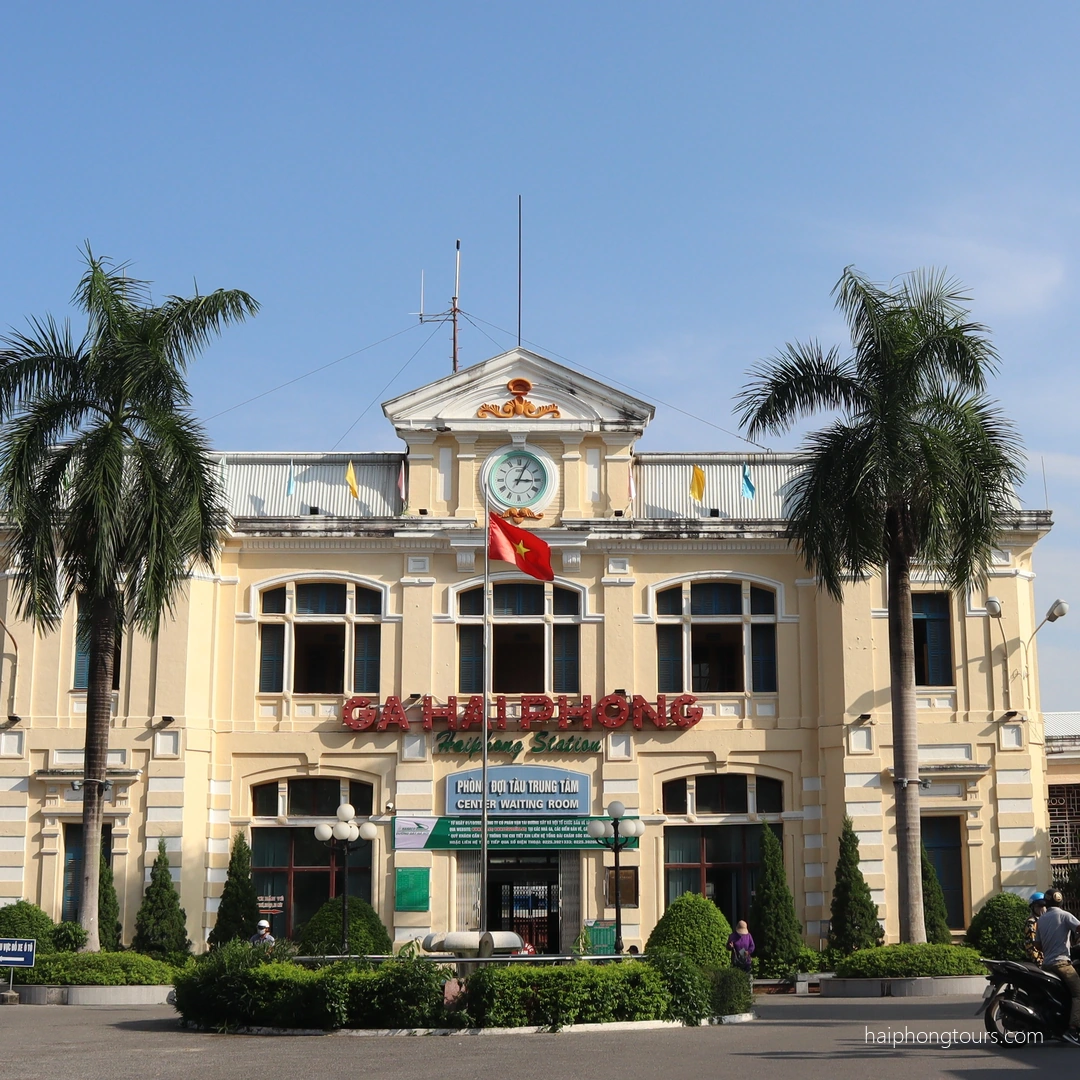
Photograph the facade from the public forecourt or work from an open passenger area after checking where you may stand. Do not step onto the tracks, cross a barrier or hold a doorway while a train is boarding. A working railway takes priority over a photo session.
Best for: a short city visit, solo travelers and a visual record of arriving in Hai Phong.
Planning note: Train arrivals create energy but also crowds. If you want a clean architectural frame, allow time either side of the busiest boarding period and follow station staff instructions.
2. Opera House and the central heritage streets
Hai Phong Opera House is the main visual anchor for a walk through the old center. Its formal facade works well for wide compositions, while nearby civic buildings, mature trees and older streets provide smaller details. The railway station, Opera House and Tam Bac area are close enough to combine on foot when the weather is comfortable.
Use the square and public pavement for exterior photographs. Performances and city events can change access or lighting, and an event setup is not a reason to enter a restricted area. Early daylight gives softer shadows; after dark, the illuminated facade can work well with a steady phone or camera.
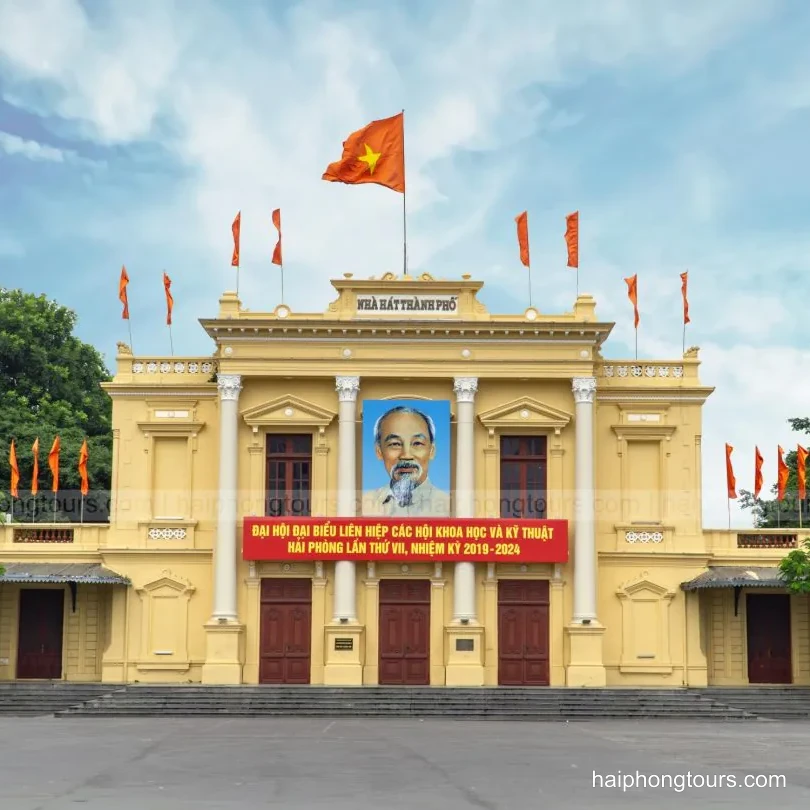
Best for: architecture, evening city scenes and travelers with two or three hours.
3. Ha Lung flower village
Ha Lung remains a flower-growing area in Hai Phong, but it is an agricultural neighborhood rather than a permanent photo studio. The strongest season is usually the period before Tet, when growers prepare flowers for the holiday market. What is blooming depends on the crop cycle and the date of your visit.
Ask before entering a plot or positioning a person between the rows. Do not move pots, step over irrigation lines or treat a grower’s working area as public land. Agree to any photography charge before starting; an old entrance price from a blog post is not a dependable current tariff.
Best for: seasonal color, market activity and environmental portraits.
Planning note: The flower market and the growing plots are different subjects. Visit the market for documentary street scenes and arrange access with a grower if you want portraits among the flowers.
4. Elephant Mountain in An Lao
Elephant Mountain offers forest paths, limestone, temples and broad views across villages and fields about 20 kilometers southwest of central Hai Phong. The Bàn Cờ Tiên viewpoint is the main landscape objective, while Long Hoa Pagoda provides a quieter architectural setting.
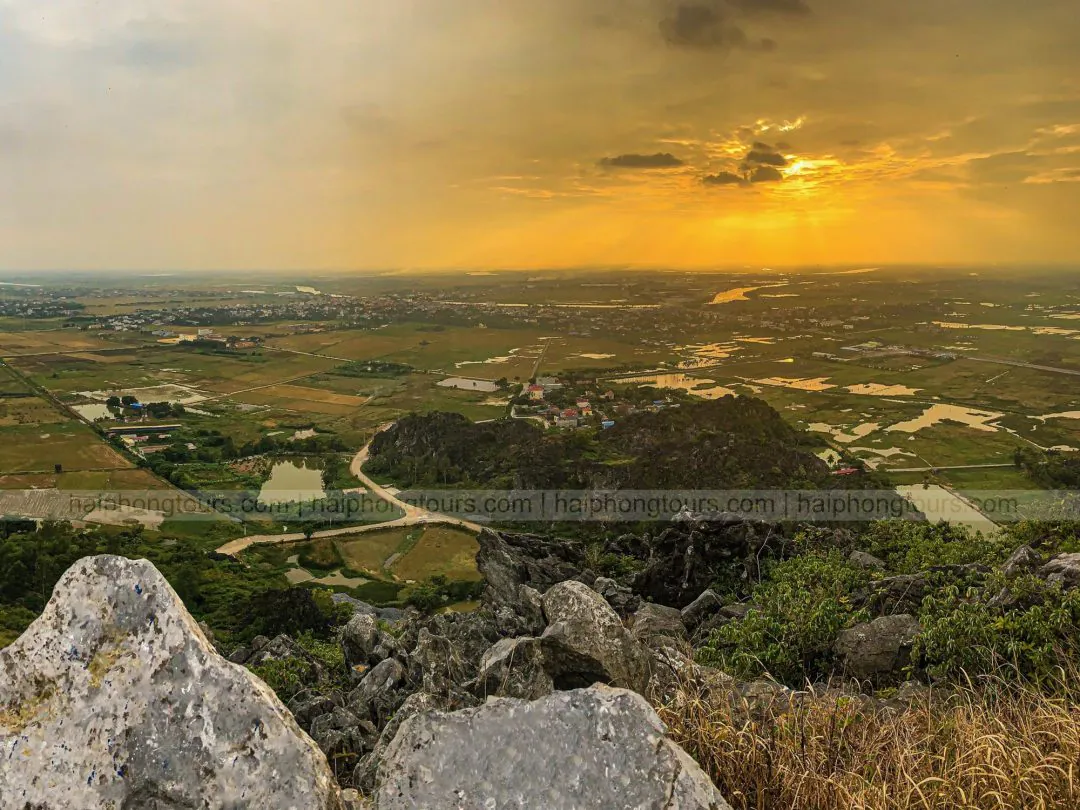
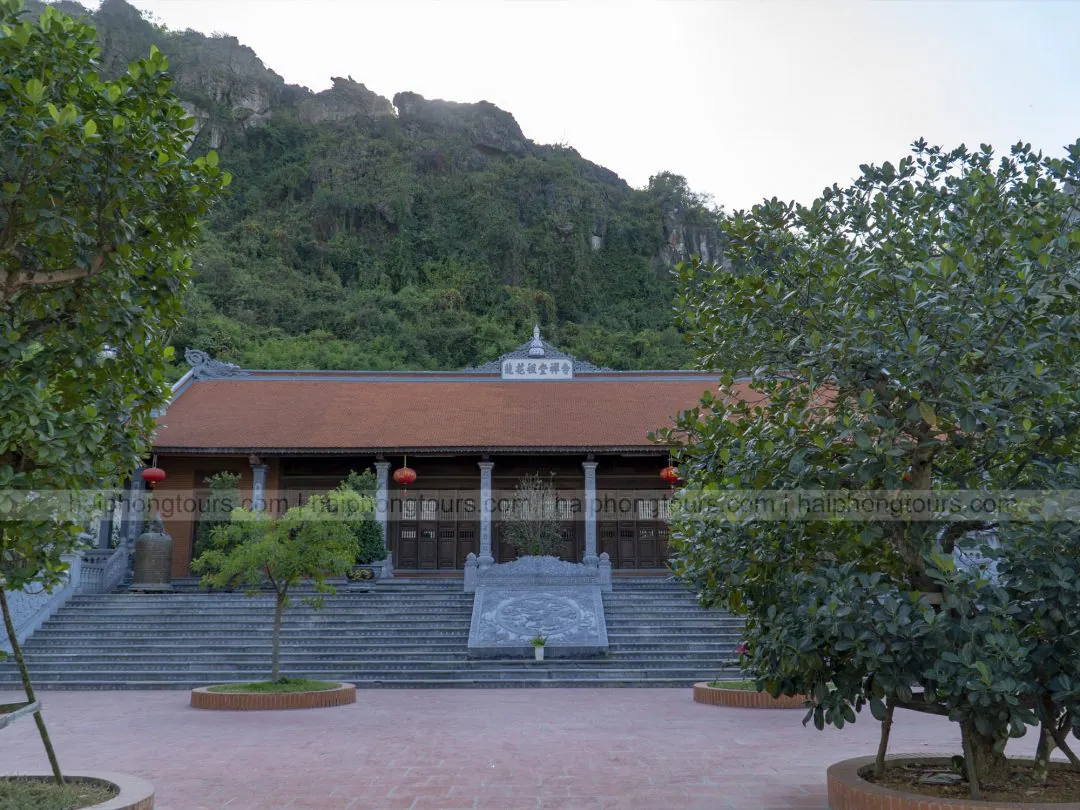
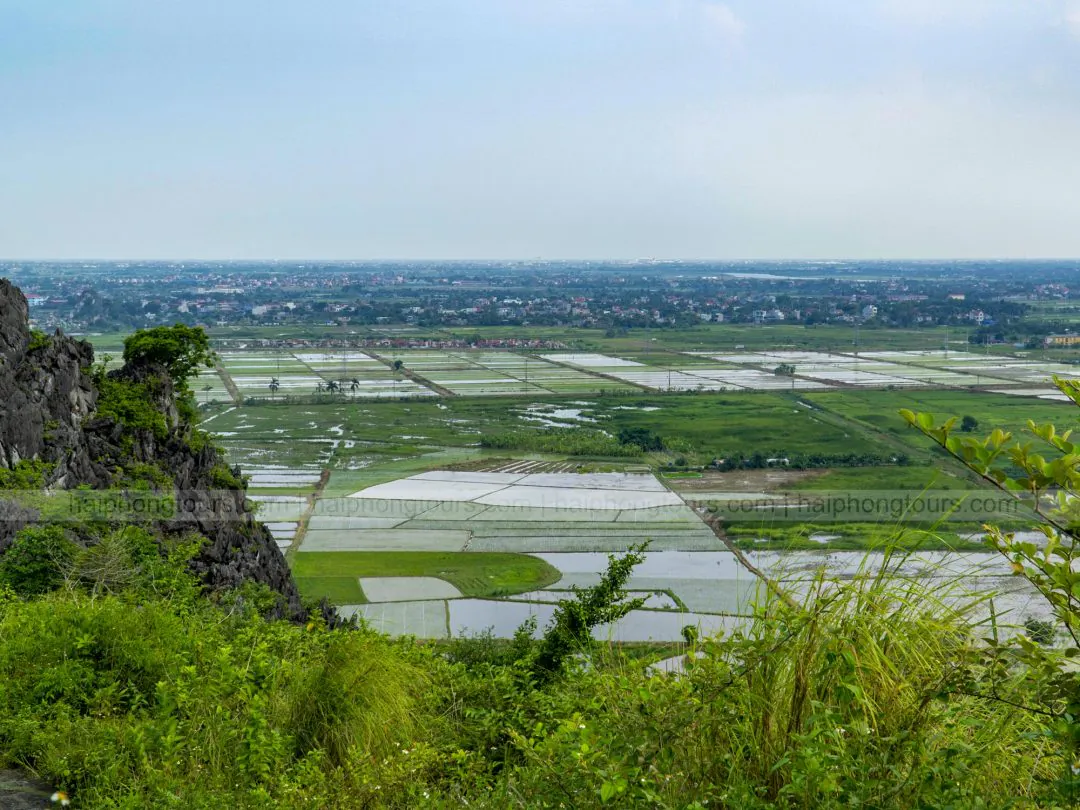
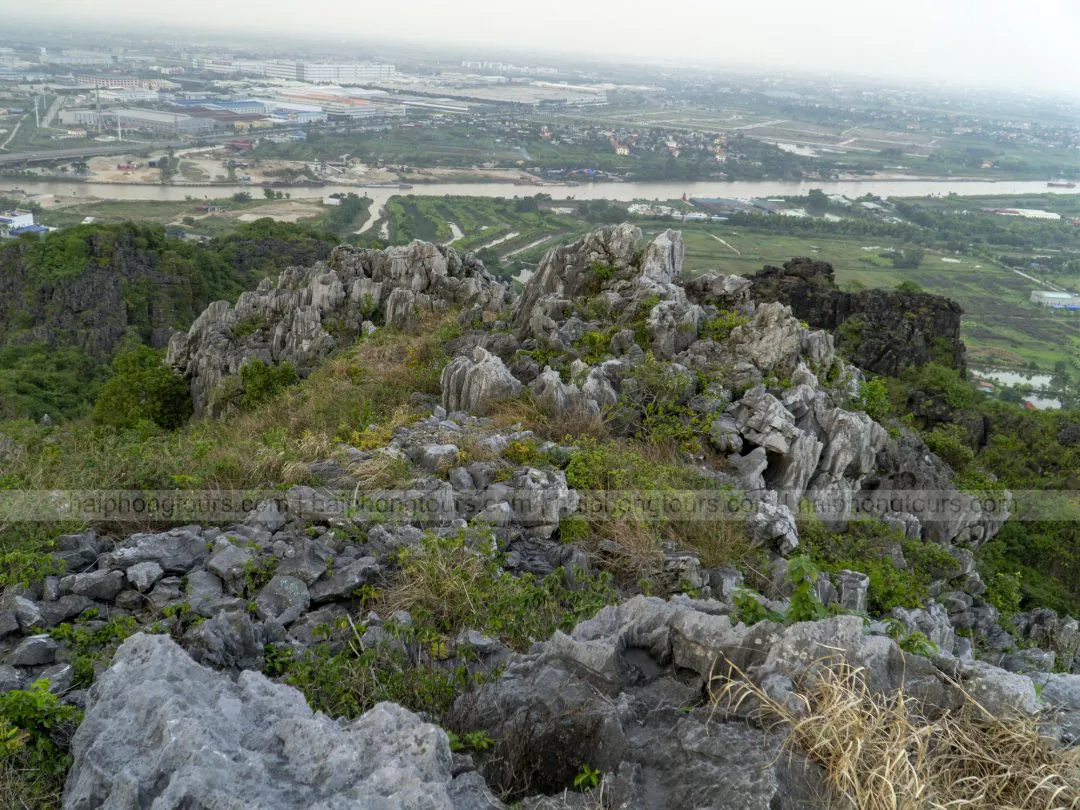

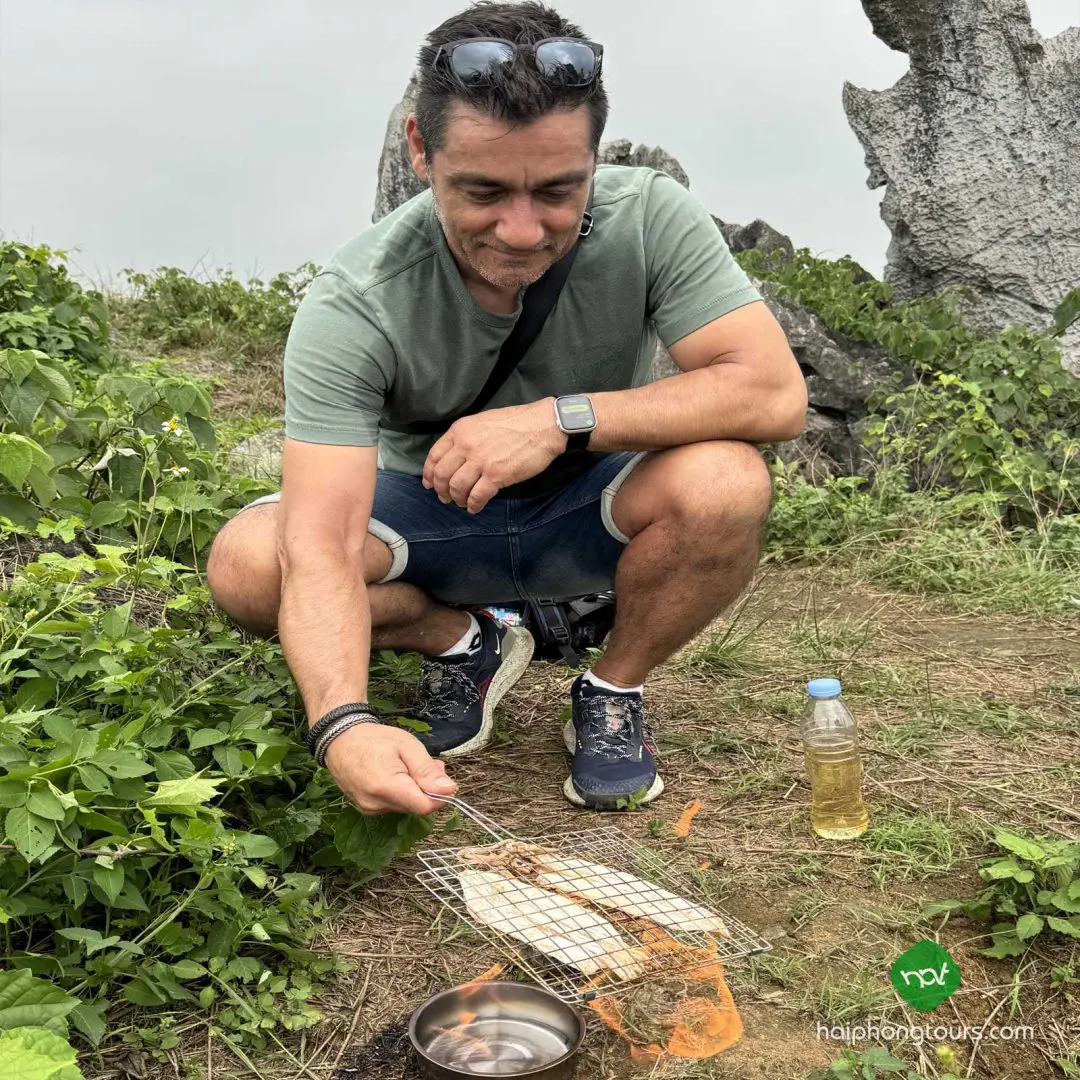
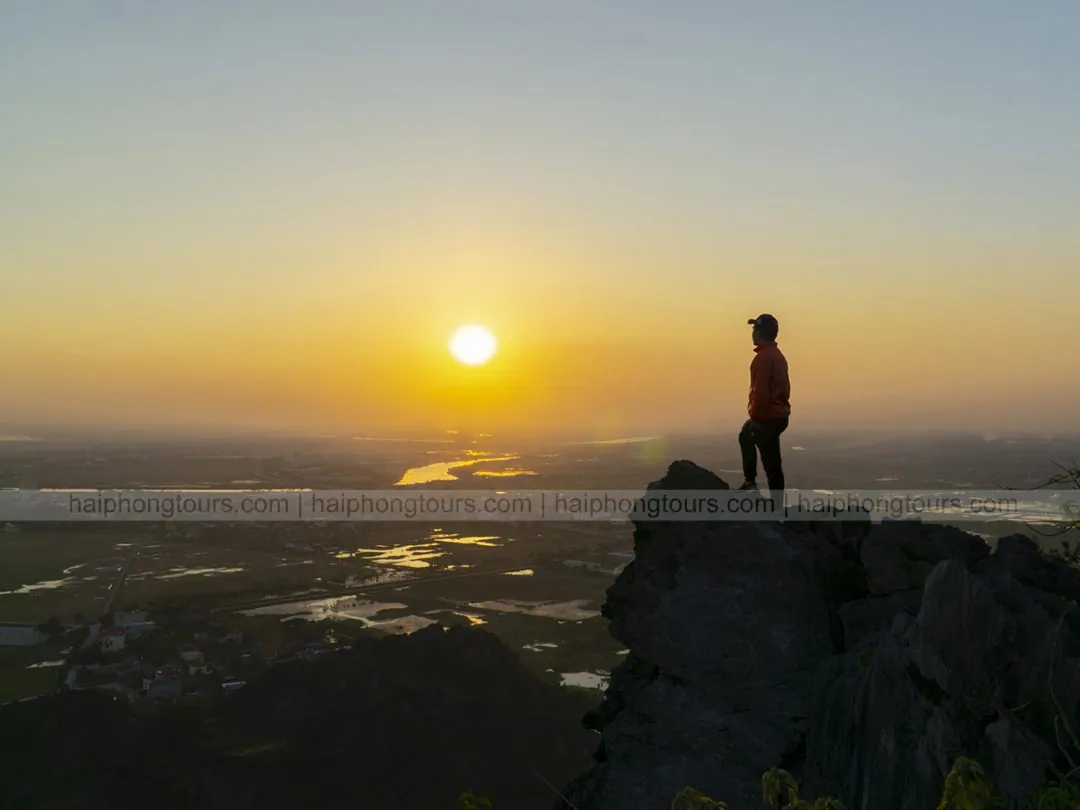
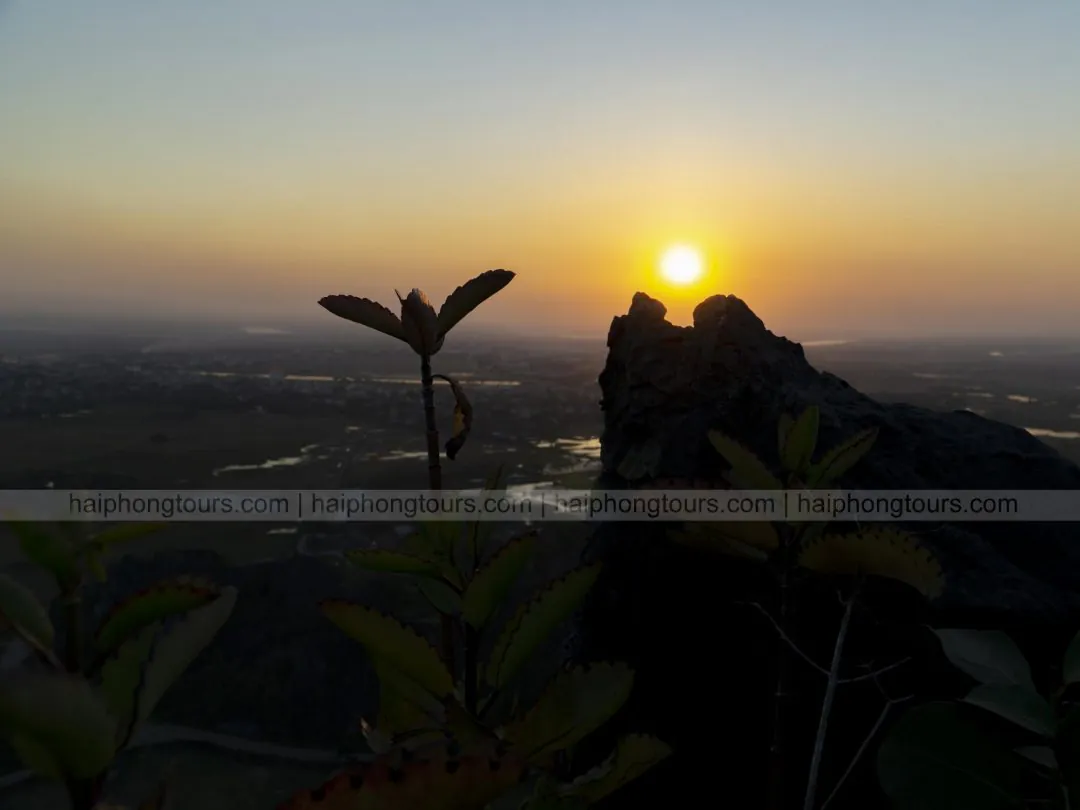
Long Hoa Pagoda, ridge views, sunset scenes and grilled dried squid at Elephant Mountain.
The mountain has more than one approach and no dependable official trail map for visitors. Reserve half a day, start in dry weather and ask at the trailhead which route is in use. Old directions such as “take the left path” can lead to the wrong side or an unsafe section after conditions change. The detailed Elephant Mountain hiking guide explains the Tiên Hội and Chi Lai approaches, cave checks and descent planning.
Wear shoes with grip and keep both hands free on steep rock. A ridge-edge portrait should be taken from a stable position with room behind the subject; do not back toward a drop while looking through the screen. Avoid smoke, open flames and improvised barbecues around forest vegetation.
Best for: active travelers, countryside panoramas and a half-day outside the city.
First-time visitors who want transport and a guided route can check the current Hai Phong hiking tour at Elephant Mountain. Its published program combines Long Hoa Pagoda, Gia Vi Cave and the ridge, with pickup in Hai Phong; reconfirm the date-specific pickup and route before booking.

5. Do Son coast
Do Son works better as a coastal landscape and heritage trip than as a search for tropical-blue water. The peninsula offers public beach sections, rocky shoreline, hill views and religious sites. Tide, weather and sediment can change the appearance of the water from one visit to the next.
Start around the public Zone 2 area, then choose one or two further stops instead of driving repeatedly between every pin. Tuong Long Tower provides elevated context, while the roads toward Zone 3 and Hon Dau give you trees, curves and sea views. Use a proper stopping area; never stand in a traffic lane to recreate a road photograph.
Dragon Hill is a developed coastal area with a different look from the older peninsula. Access to a particular beach section, event space or resort facility may change, so check signs rather than assuming the whole waterfront is freely accessible. The Do Son visitor guide compares the main zones and explains swimming and weather considerations.
Best for: sea air, sunset color, coastal architecture and a day trip from central Hai Phong.
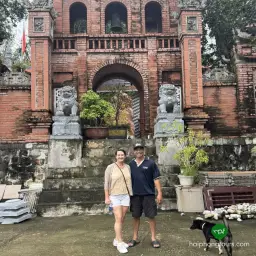
6. Hon Dau Island
Hon Dau is a small forested island off Do Son, reached by passenger boat from Ben Nam Do Son when conditions allow. The visual character comes from old banyan trees, a shaded path, Nam Hai Than Vuong Temple, the lighthouse and the rocky shore. It is a stronger choice for atmosphere and detail than for swimming.
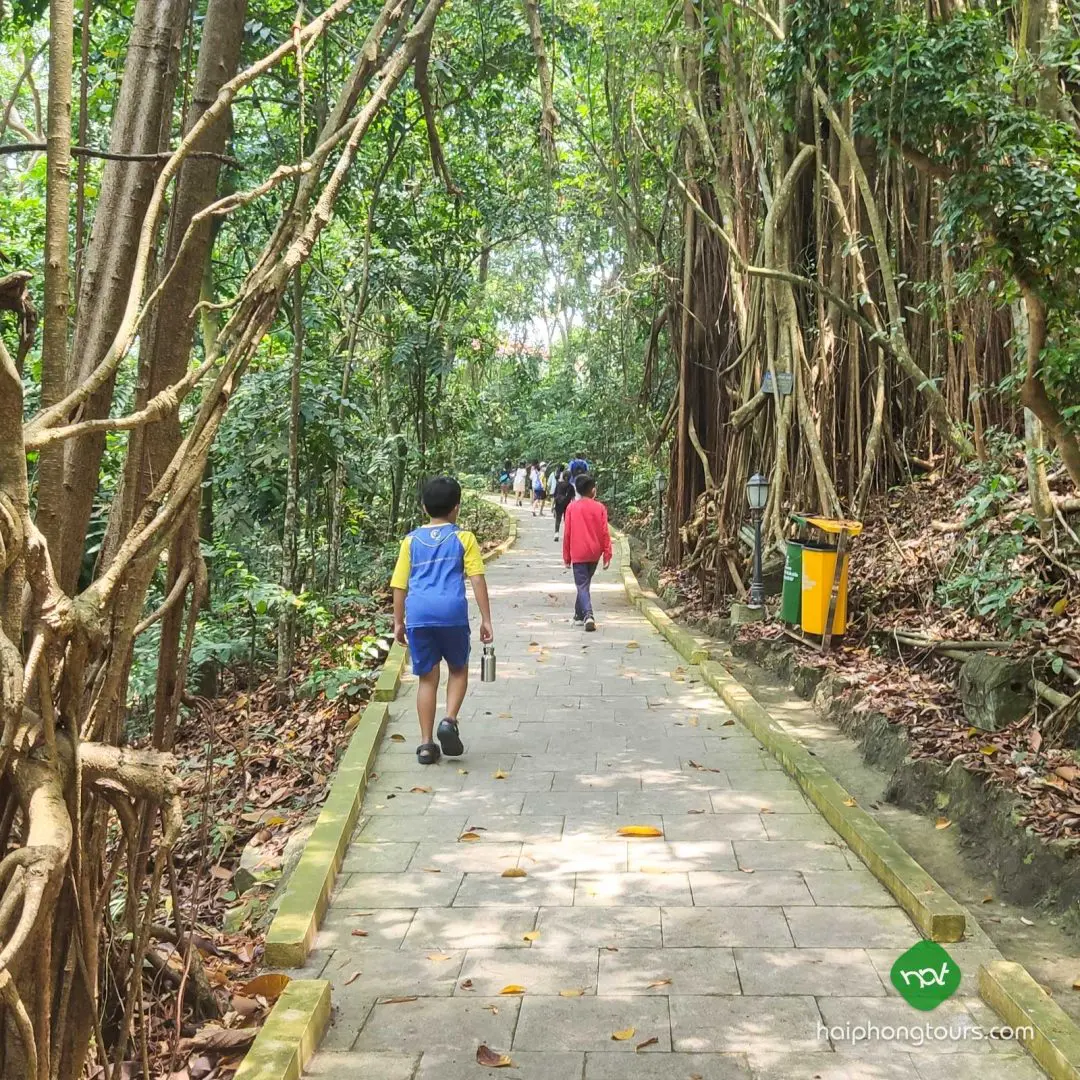
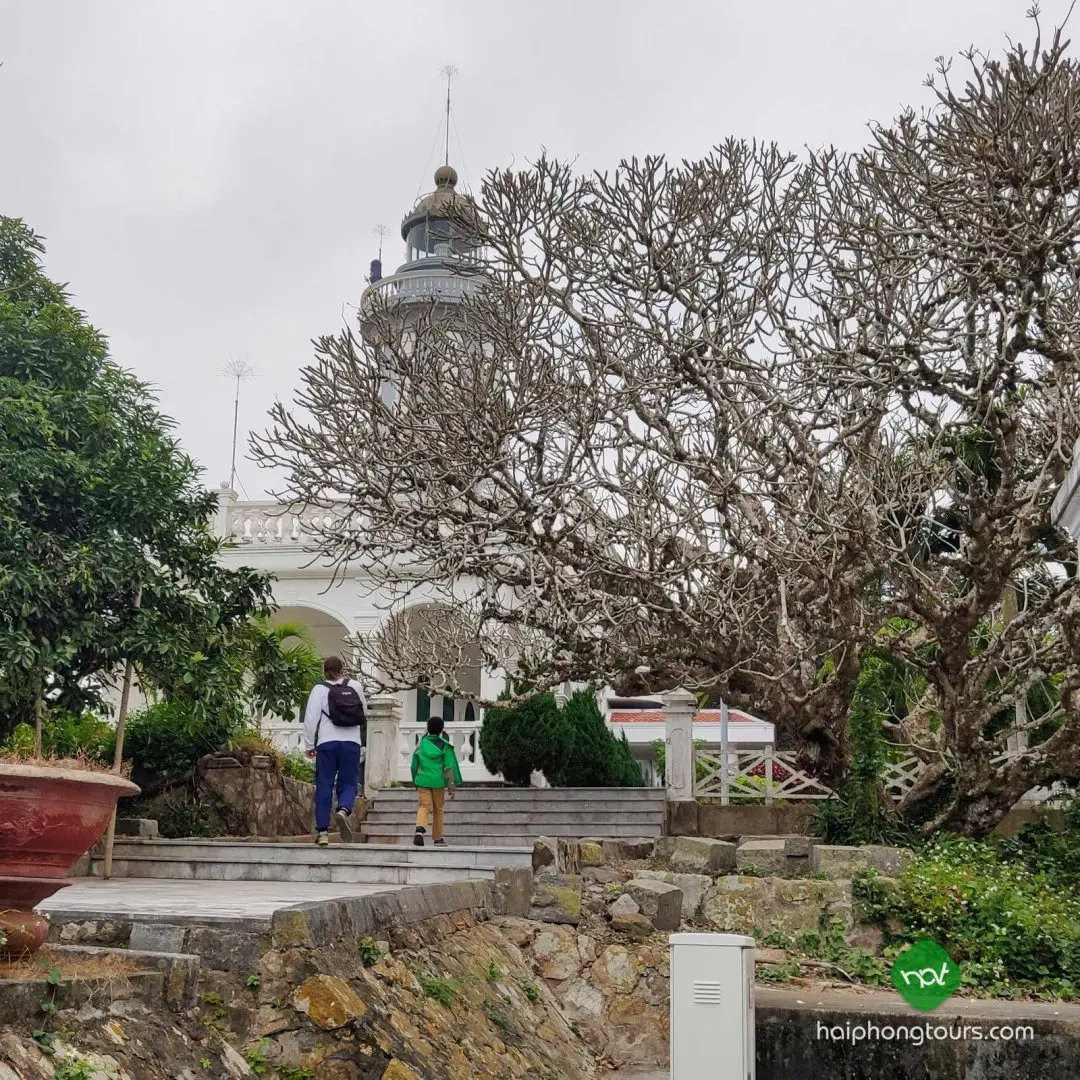
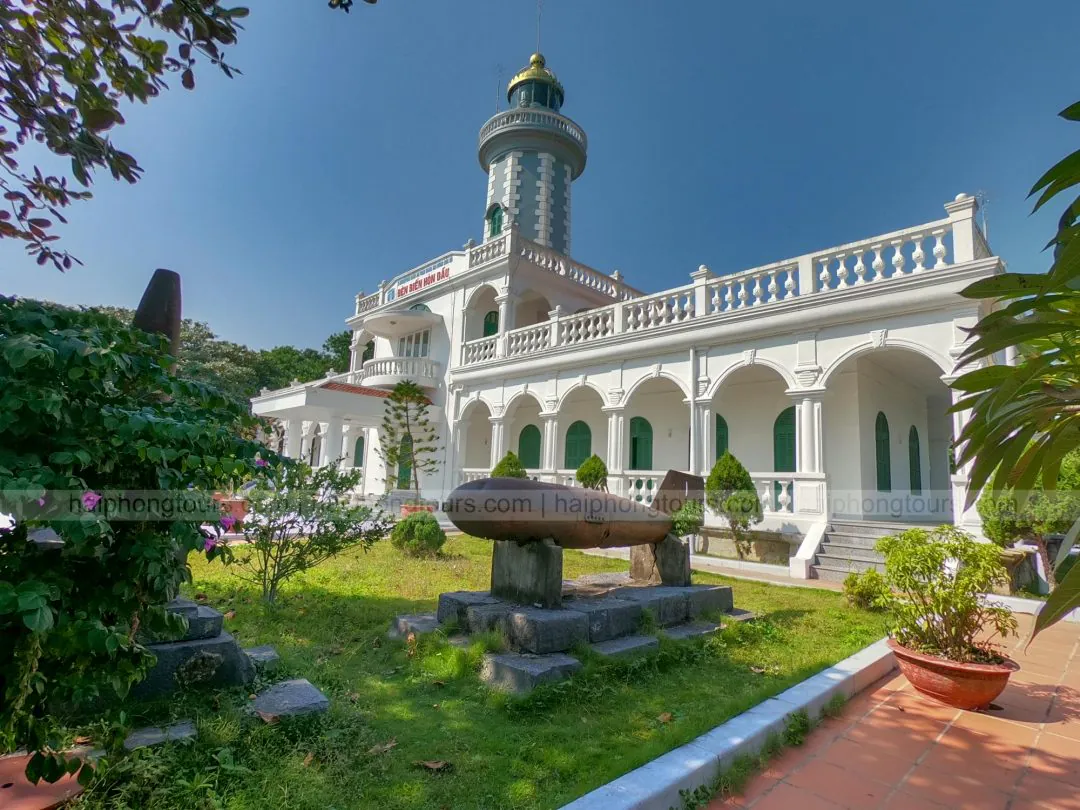
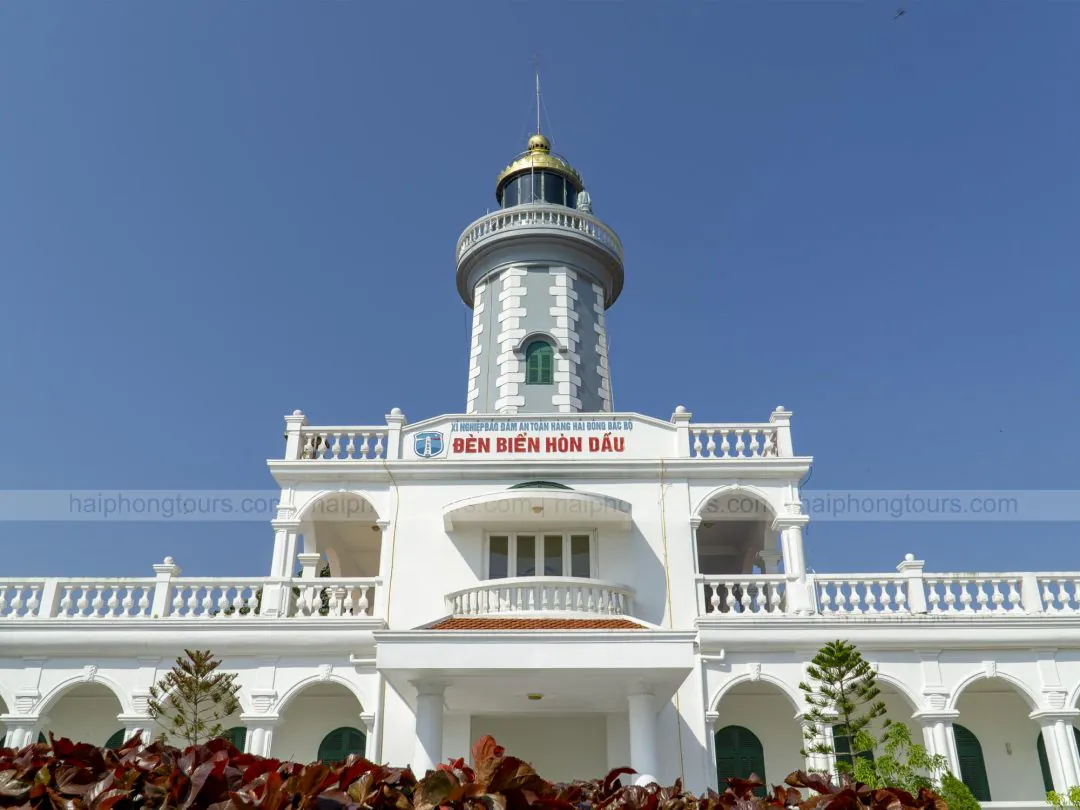
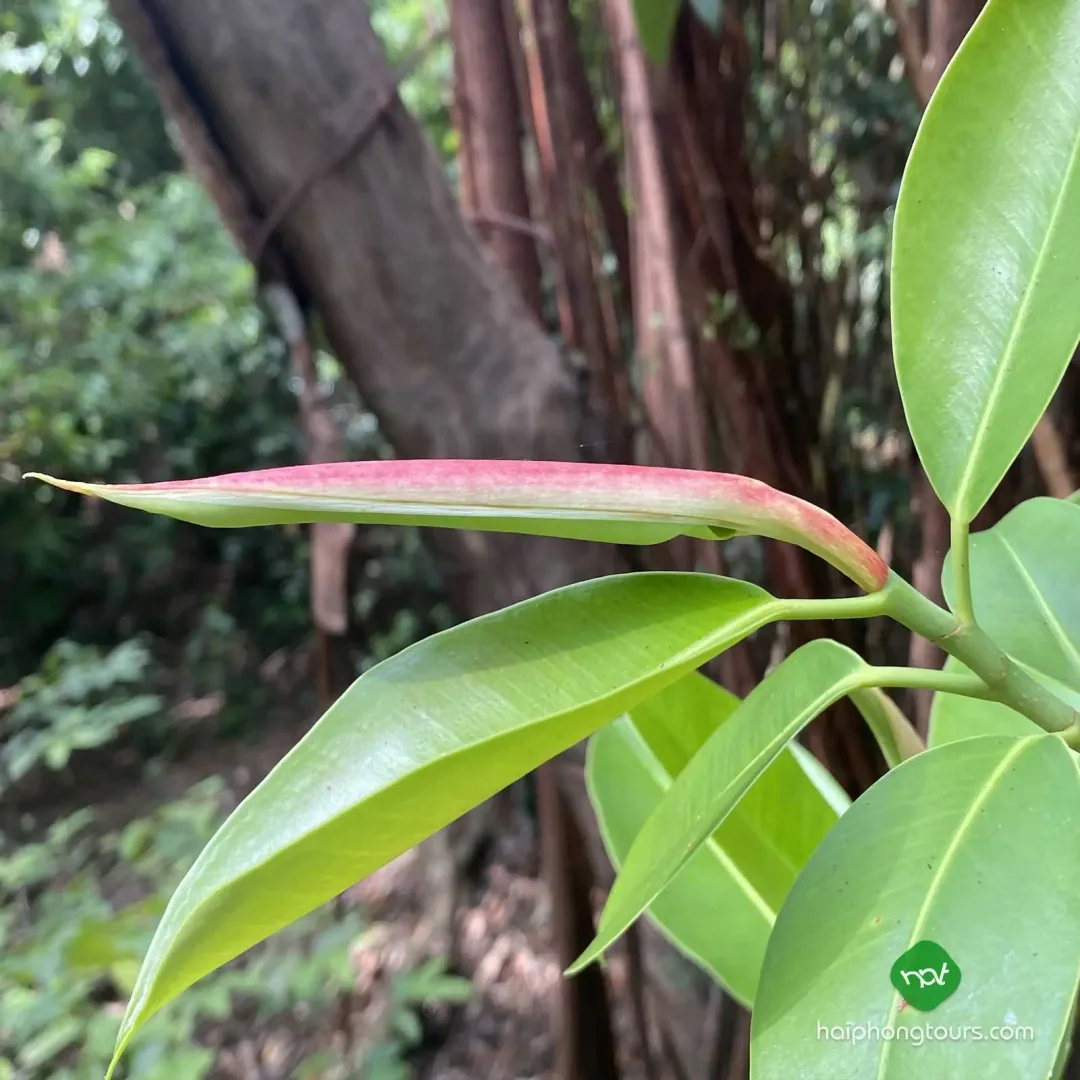
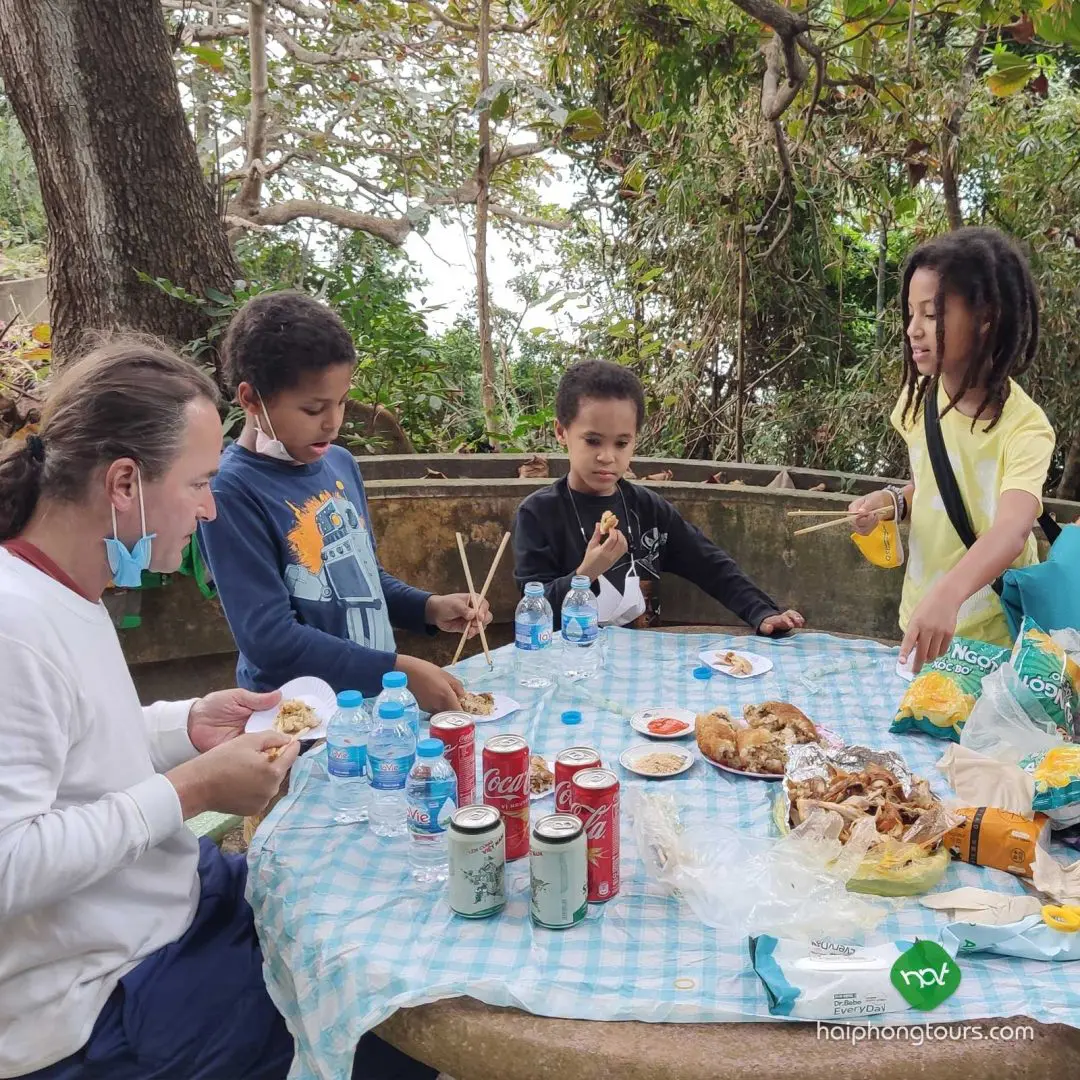
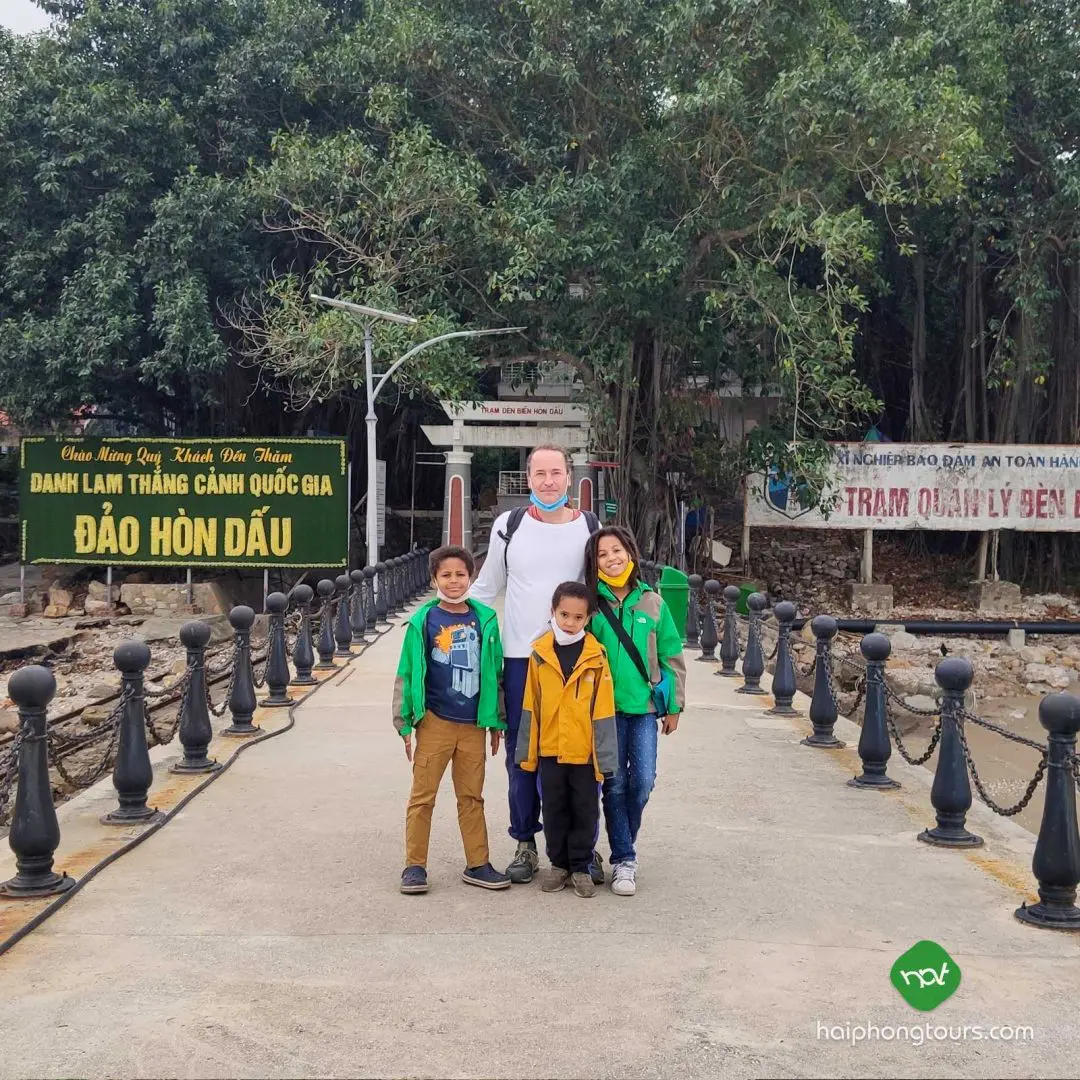
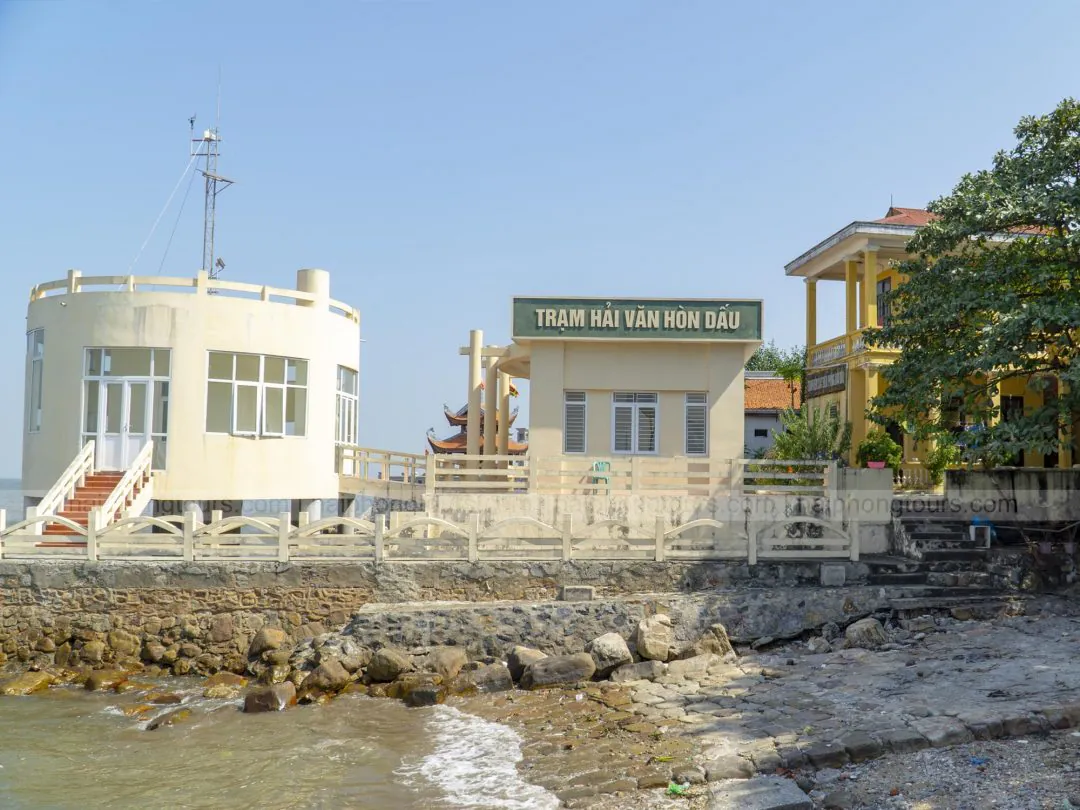
Forest paths, lighthouse buildings, island vegetation and visitor scenes on Hon Dau.
Allow three to four hours from the mainland pier, including waiting and the return crossing. Before boarding, confirm that boats are operating, the complete round-trip cost and the last return. Lighthouse access can be limited because it is an operational maritime site.
Photograph worshippers only with permission and keep temple entrances clear. On the shoreline, wet rock and algae can be extremely slippery; stay on the established path when the tide or weather makes the edge unsafe. See the current Hon Dau Island guide for the pier, island route and accessibility limits.
Best for: old-growth forest, maritime heritage and a relaxed half-day paired with Do Son.
7. Cat Ba Island and Lan Ha Bay
Cat Ba and Lan Ha Bay deliver the most dramatic scenery in Hai Phong: limestone islands, sheltered water, fishing activity and changing light across the bay. They also require the most time. Stay at least one night if you want both an island viewpoint and a boat trip without rushing the mainland connection.
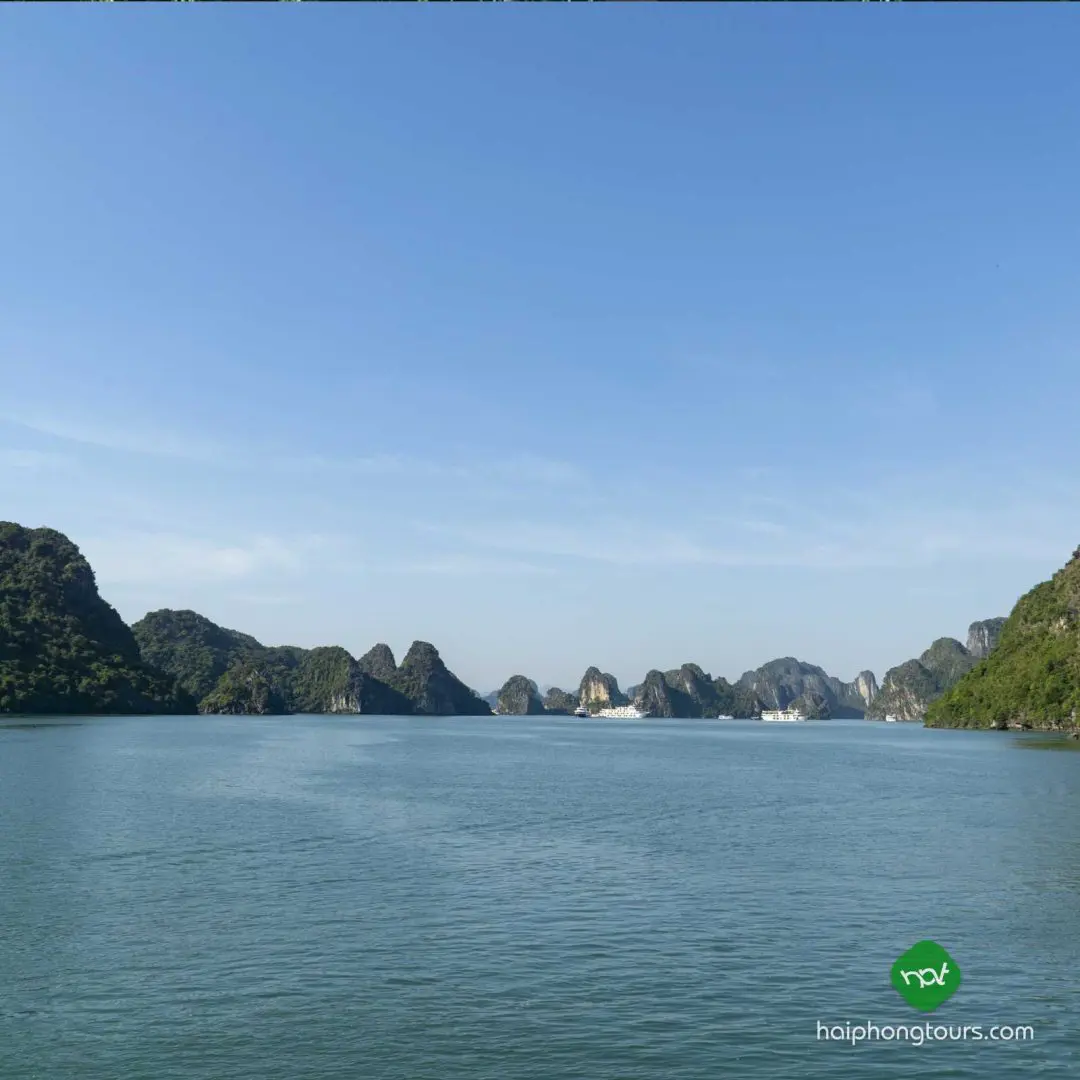
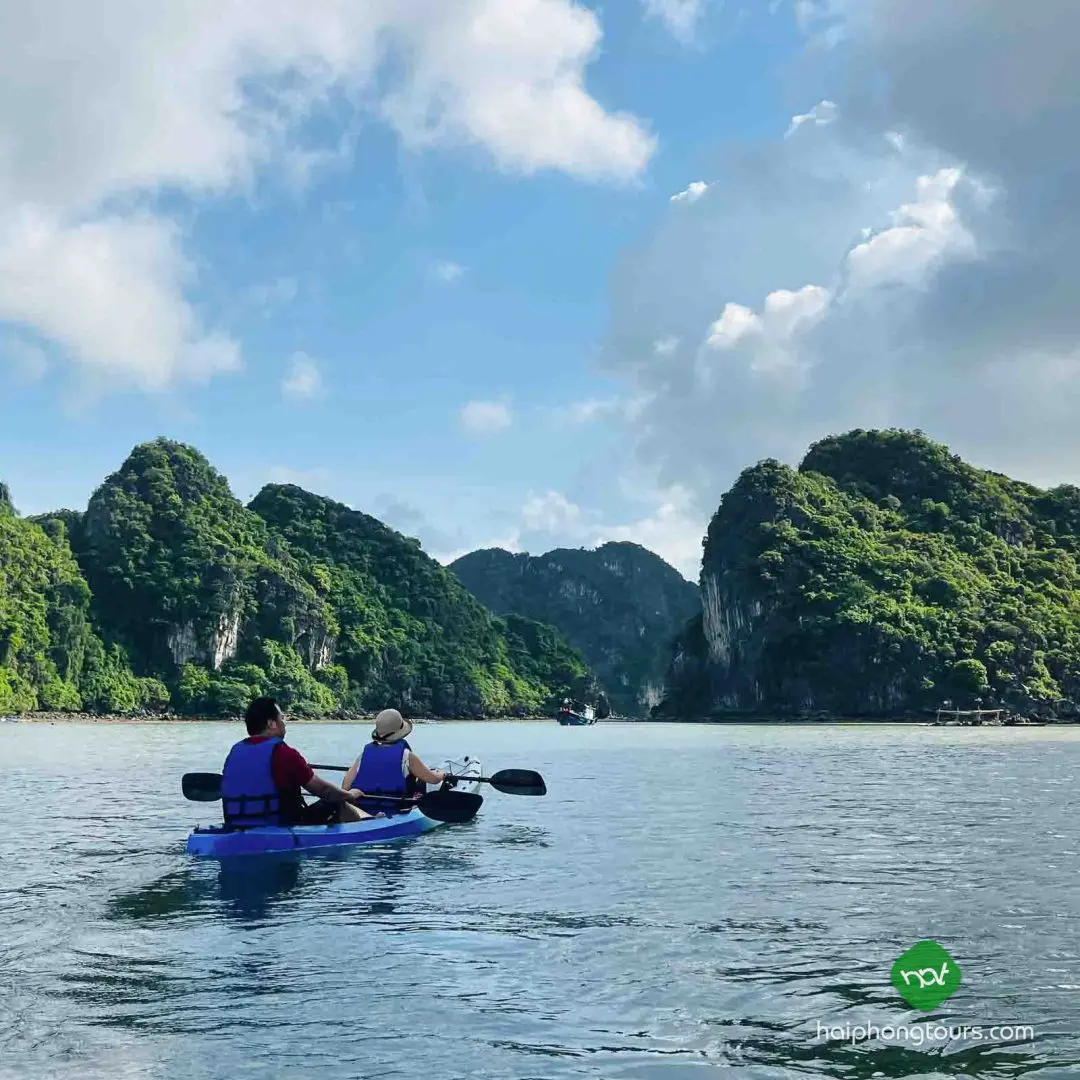
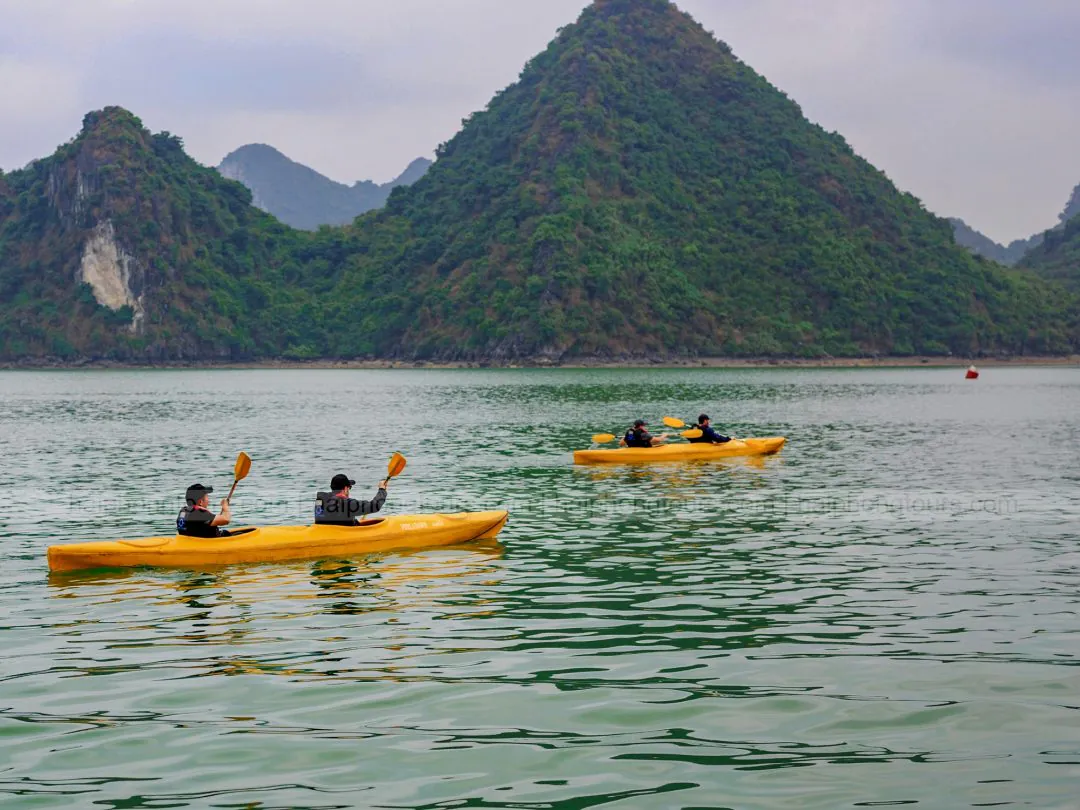
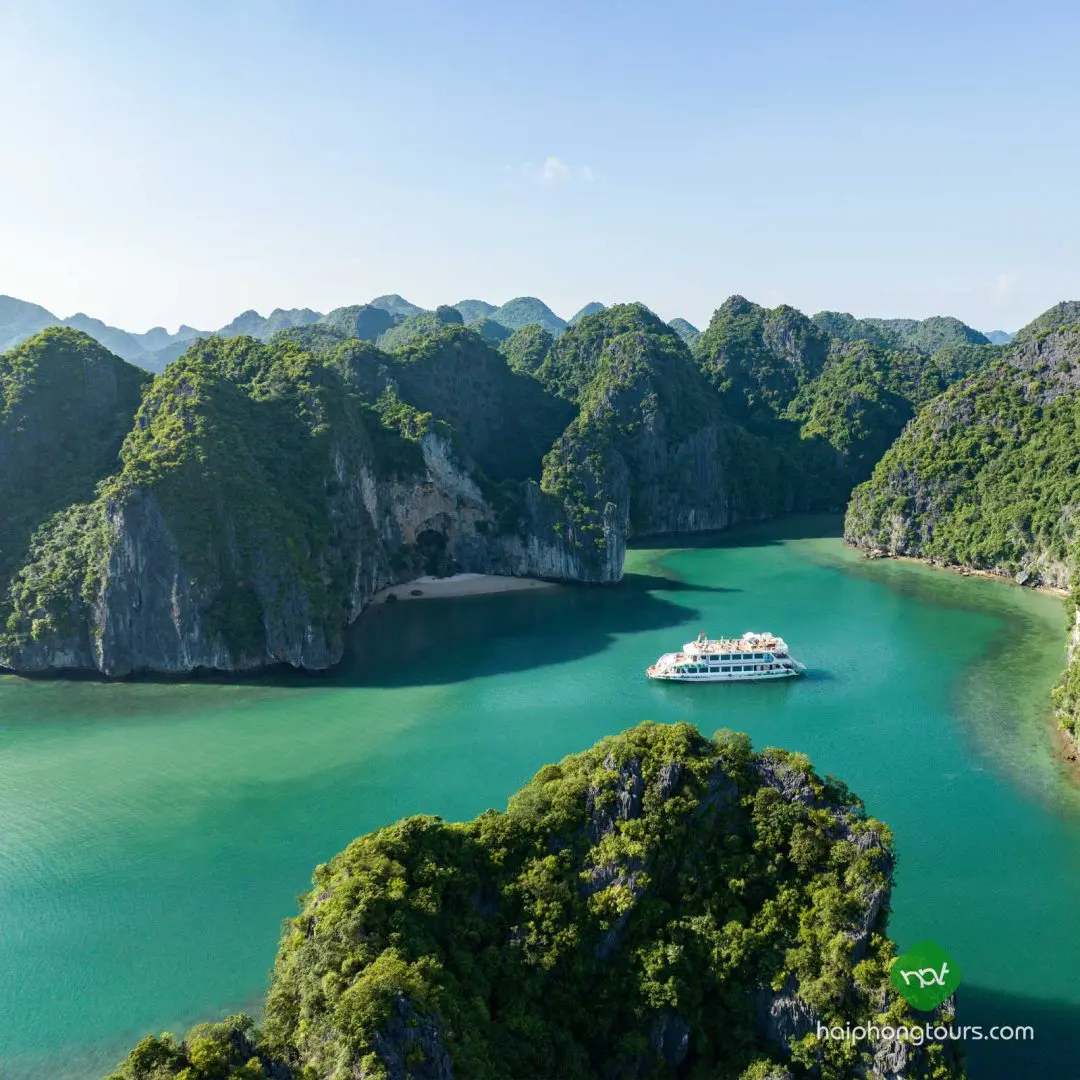
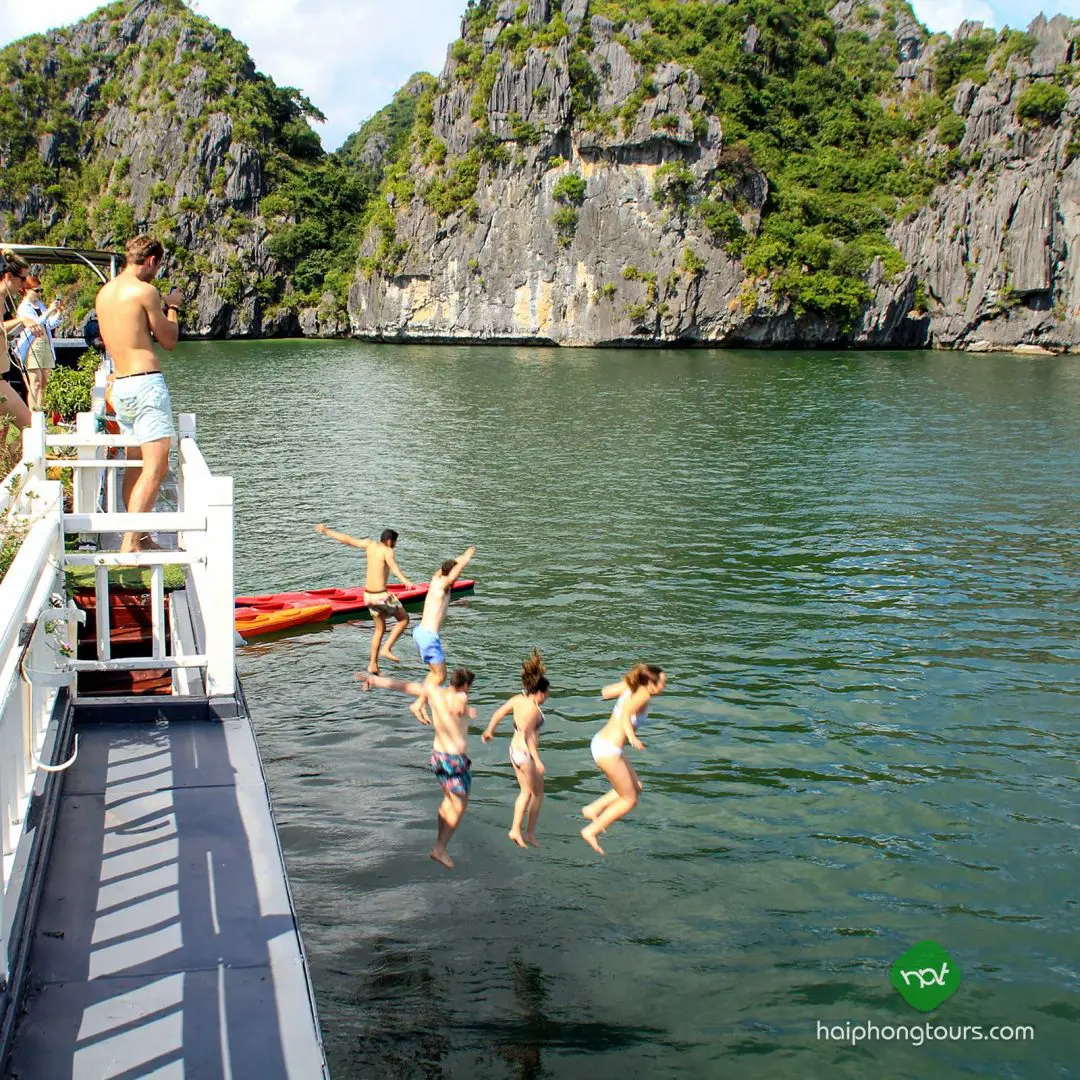
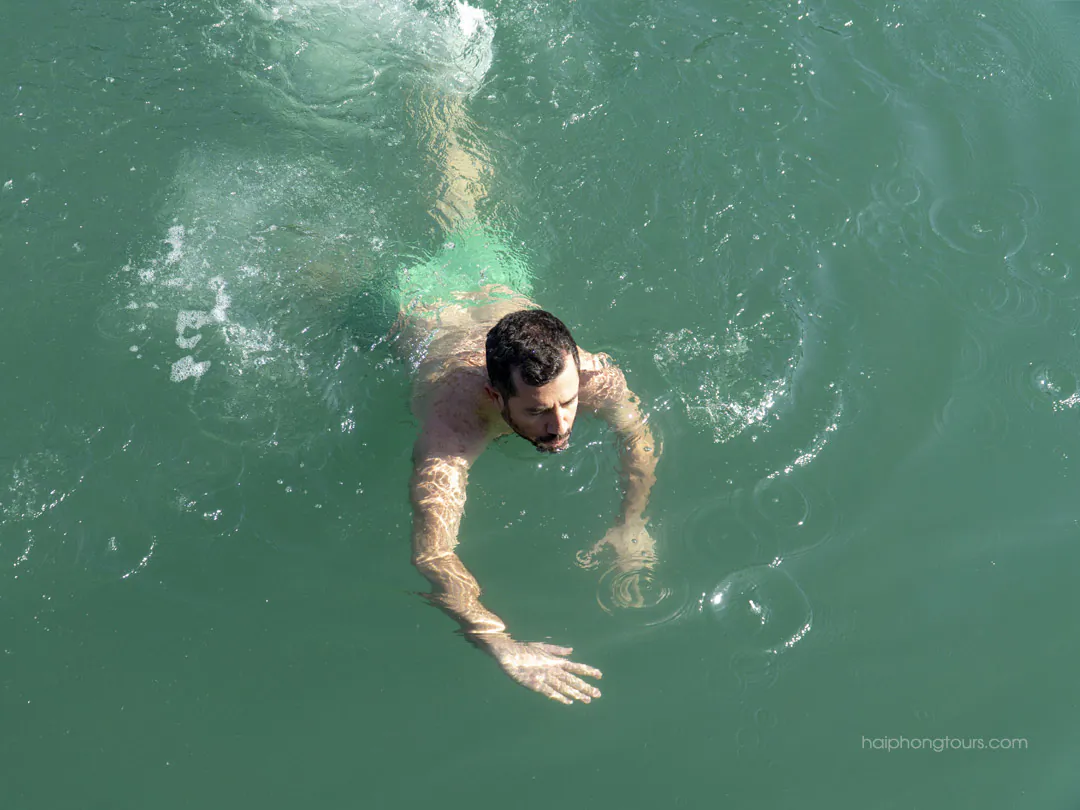
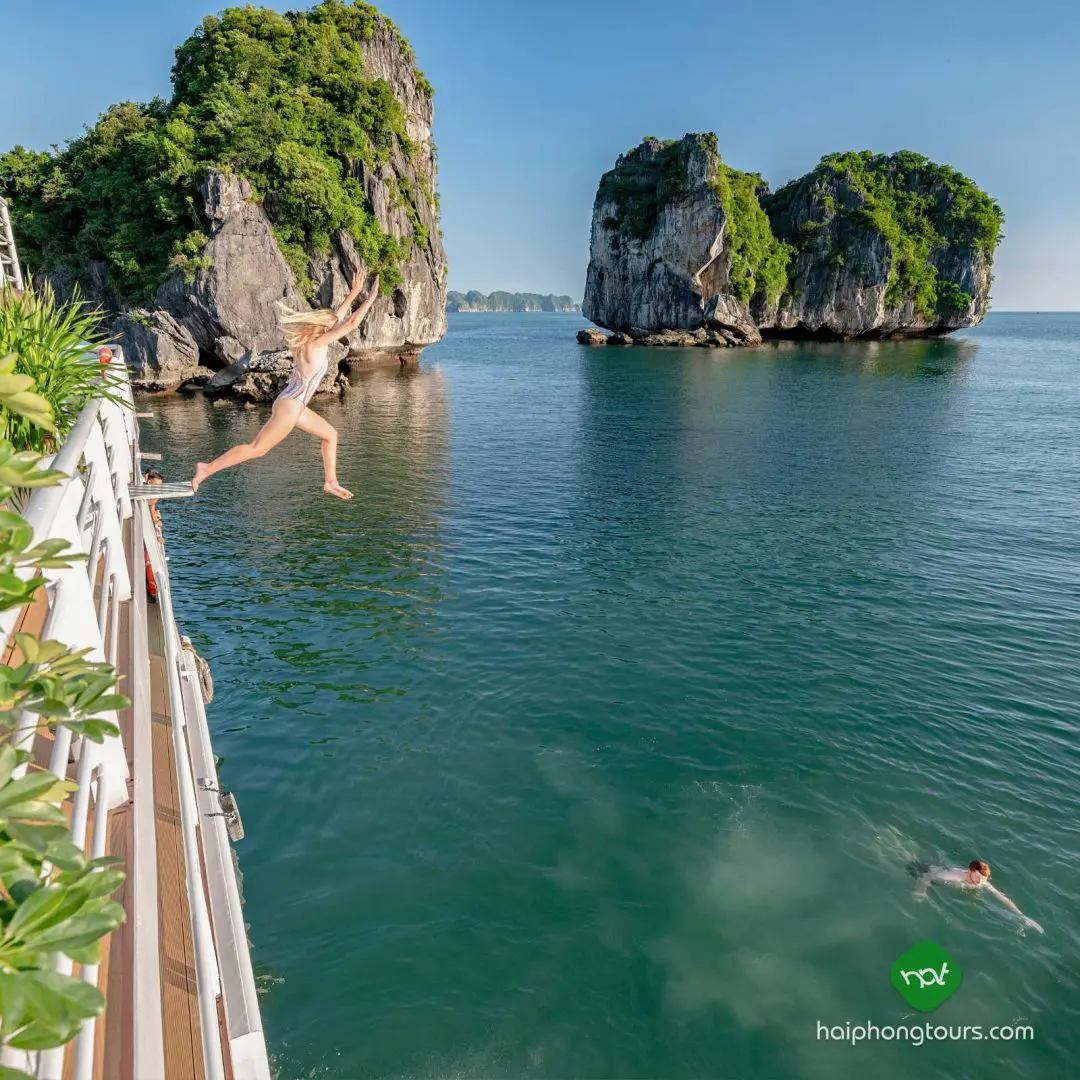
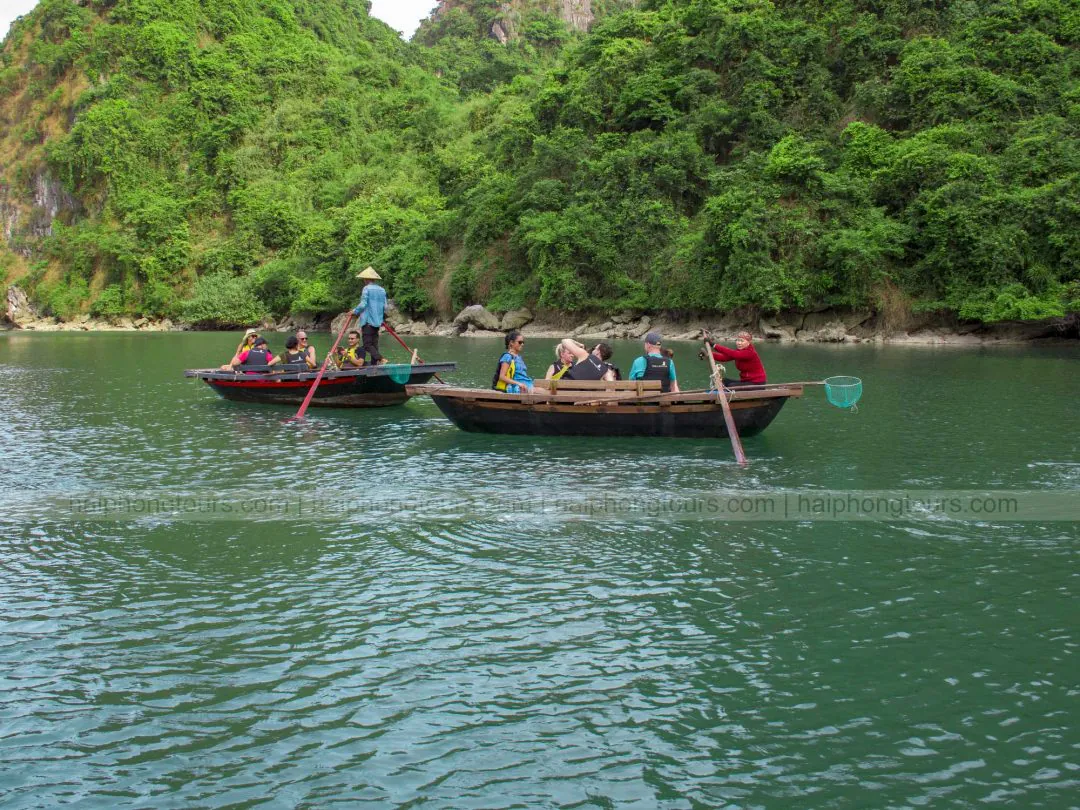
Lan Ha Bay scenery with kayaking, swimming and passenger boats among limestone islands.
In Cat Ba Town, the central waterfront is easy to reach before sunset. For roadside or elevated views elsewhere on the island, use a designated stop and remain fully away from moving traffic. Do not stand in the road on a blind bend, and do not enter a closed hill, fort or construction area because an old photograph was taken there.
A boat gives a different composition from a land viewpoint. Confirm the boarding point, route, return time and weather policy before departure; the words “Lan Ha Bay” do not guarantee the same stops on every trip. Keep the camera attached to your body, use a dry bag and ask the crew where it is safe to stand. The Lan Ha Bay guide explains day boats, overnight cruises, kayaking and boarding choices.
Ha Long Bay–Cat Ba Archipelago is a UNESCO World Heritage property. Treat the landscape as protected natural heritage: bring waste back, avoid disturbing wildlife and do not climb onto an islet or beach that the crew has not approved for landing.
Best for: limestone seascapes, boat photography and travelers with two or more days.
Do not plan a photo stop at Tuyet Tinh Coc
The blue quarry lake known online as “Tuyet Tinh Coc Hai Phong” was promoted in many old travel posts, including the previous version of this article. It is a former mining area rather than an established public attraction, and local authorities have restricted activity there because of safety concerns.
Do not enter a quarry, cross a gate or approach the water for a photograph. Colorful water does not prove that it is safe for contact, swimming or access. Elephant Mountain, Do Son and Lan Ha Bay provide better landscapes with a clearer visitor route.
Simple photo itineraries
Two to three hours in the city
Walk between Hai Phong Railway Station, the Opera House and nearby central streets. Choose daylight for architectural details or begin before sunset and stay for the city lights.
One mainland day
Choose either Elephant Mountain or Do Son as the main trip. Elephant Mountain needs dry-weather hiking time. Do Son is easier to combine with lunch, coastal stops and Hon Dau, but only add the island after confirming the boats and return time.
Two days with Cat Ba
Travel to Cat Ba and use the first evening for the waterfront. Take a confirmed Lan Ha Bay boat trip on the second day. Keep enough time for the return crossing and do not place a fixed flight or train immediately after a weather-dependent boat plan.
Practical photography rules
- Ask before photographing a person at close range, especially a flower grower, market seller or worshipper.
- Keep tripods out of doors, station flows and narrow temple paths.
- Use footwear suited to the location; smooth shoes are a poor choice for limestone or wet coastal rock.
- Check the hourly forecast for mountain, boat and coastal plans.
- Follow current drone and site rules. Do not launch near transport infrastructure, military or maritime facilities, crowds or protected areas without the required permission.
- Carry a dry bag on boats and a charged phone with the meeting point saved offline.
For a short visit, the railway station and Opera House give you the highest return for the least travel. Choose Elephant Mountain for an active countryside story, Do Son and Hon Dau for coastal heritage, or Cat Ba and Lan Ha Bay for the strongest natural landscape. The best photograph is the one you can make without entering a restricted area, disrupting local work or turning a travel day into an unsafe race between locations.
Useful guides for your trip
Would you like help fitting this experience into your trip? Contact us with your travel dates, starting point, available time and group size. Tell us about walking limits or special interests so we can suggest a practical itinerary.