
Plan a first visit to Dien Bien Phu around two full sightseeing days: one for the museum and battlefield sites in the city, and another for the Vietnamese campaign headquarters at Muong Phang and the surrounding countryside. A four-day, three-night trip gives you time for both, with arrival and departure days on either side.
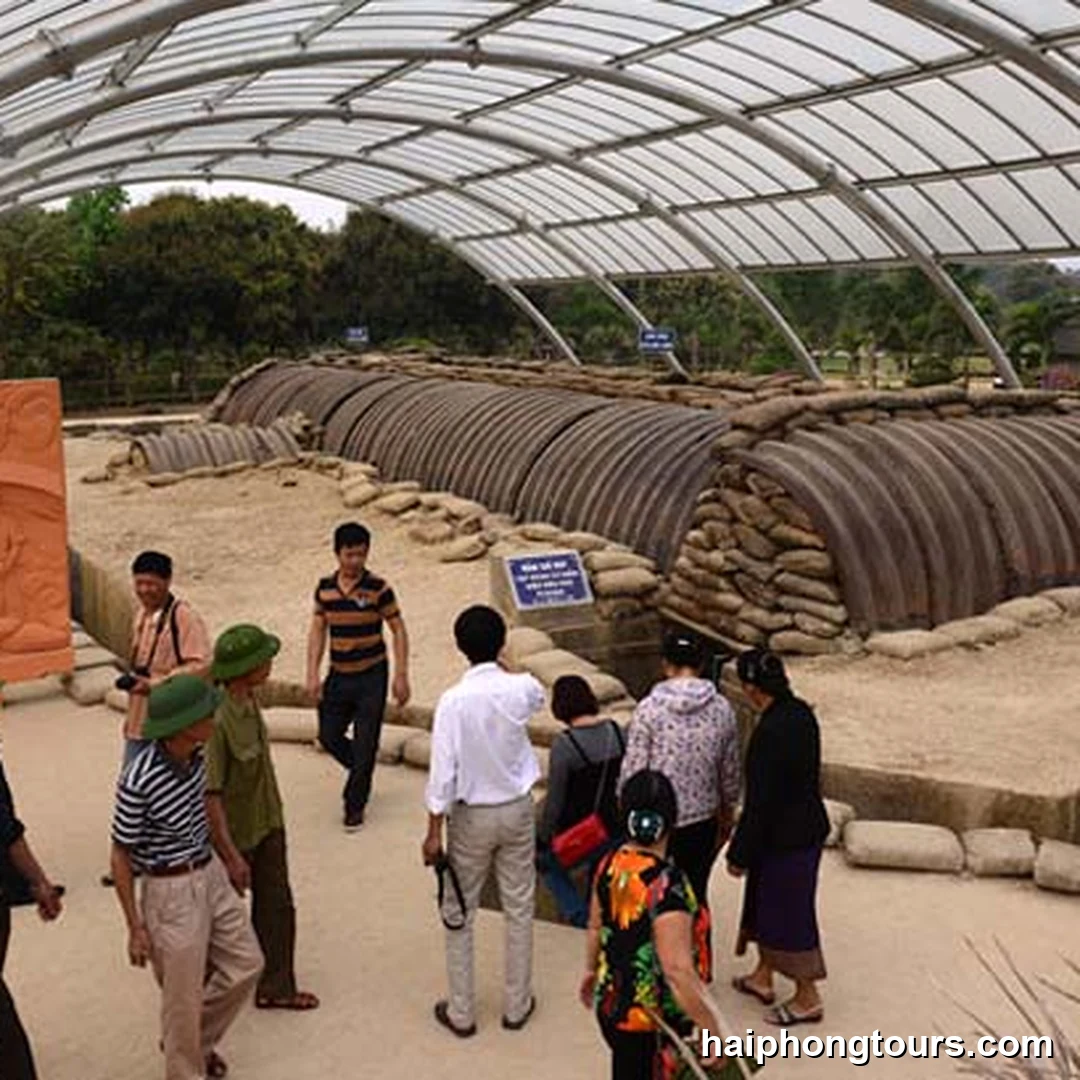 Hill A1 preserves battlefield structures from the 1954 Dien Bien Phu campaign.
The city sits in the Muong Thanh Valley in northwestern Vietnam. Its main historical interest is the 1954 battle between Viet Minh and French forces, which ended on May 7. Visiting the museum before the outdoor sites helps you understand how the separate positions fit together.
The main places to visit
Dien Bien Phu Victory Museum
Start at the museum on Vo Nguyen Giap Street, opposite A1 National Martyrs’ Cemetery. The displays explain the campaign through artifacts, documents and reconstructed scenes. The large panorama painting is another reason to give the museum proper time rather than treating it as a quick stop.
Allow around two hours as a starting estimate, and longer if you want a guided explanation or additional presentations. Ask which exhibits and experiences your ticket includes. If you need an English-speaking guide, arrange one ahead of time instead of assuming one will be immediately available.
The Dien Bien Phu Victory Museum and panorama guide explains the four painted episodes, supply objects, English interpretation and how to use the extended evening opening. Museum hours do not apply to the separate outdoor battlefield sites.
For community culture beyond the campaign, the Dien Bien Provincial Museum guide explains a separate collection and its visitor contact.
A1 Hill and A1 National Martyrs’ Cemetery
A1 Hill was a key fortified position during the battle. Walking the site after the museum gives you a better sense of the terrain and the struggle for the hills overlooking the French-held center.
The nearby cemetery is a separate place of remembrance. Dress respectfully, keep voices low and allow time for visitors who are there to commemorate relatives or fallen soldiers. The hill involves outdoor walking and slopes, so consider the heat and your group’s mobility.
De Castries’ command bunker and Muong Thanh Bridge
The bunker associated with General de Castries represents the French command position. Combine it with the Muong Thanh Bridge area when planning your route through the central battlefield sites.
This is different from the Vietnamese campaign headquarters at Muong Phang. When booking a driver or guide, use the full name of each place so that one is not mistaken for the other.
Victory Monument on D1 Hill
The monument commemorates the victory and gives you a different perspective on the valley. It works as an additional stop around the main city sights, provided you are comfortable with the climb.
Plan outdoor hills for a cooler part of the day, bring drinking water and take breaks. Ask about the available access route if stairs are difficult for anyone in your group.
Muong Phang and Pa Khoang Lake
Muong Phang preserves the forest setting of the Vietnamese campaign headquarters, including the working areas associated with General Vo Nguyen Giap and the campaign staff. It is outside the city, so arrange transport and give it a separate excursion rather than squeezing it between central sights.

Pa Khoang Lake can add a countryside stop to the same outing. Agree on the route, lunch and waiting time with your driver. Any boat trip needs its own confirmation of availability, price and safety equipment; it is not automatically included in a visit to the lake.
The Muong Phang and Pa Khoang day-trip guide explains the forest headquarters, its midday break and how to choose between a lakeside stop, a boat or a hosted Che Can village visit. Keep this countryside outing separate from a rushed circuit of city monuments.
Ban Phu Citadel: the valley before 1954
For a different historical perspective, visit Ban Phu Citadel and Hoang Cong Chat Temple, around 8 km south of the city center. The site relates to the eighteenth-century uprising and local Thai alliances, with surviving citadel traces and an active temple. Give it a separate sightseeing block when your stay allows.
Opening hours and tickets
The museum and the battlefield sites follow different opening schedules. Leave room for their midday breaks when planning the order of visits.
- Victory Museum: 7:30 a.m.–noon and 1:30–9 p.m. Confirm the last admission and any timed experiences before relying on an evening visit. The museum ticket desk is.
- Managed battlefield sites, March through September: 7–11 a.m. and 1:30–6 p.m.
- Managed battlefield sites, October through February: 7–11 a.m. and 1:30–5:30 p.m.
Check the current notice at the entrance or with the managing office, especially around commemorations and special events. Ask exactly which sites or museum experiences a ticket covers, and whether guiding costs extra. A museum closing time does not establish the opening hours of a cemetery, monument or other independently managed stop.
When to go
October through April is generally the drier part of the year. It can be a practical period for outdoor historical sites and road travel, though cool mornings, fog or unseasonal rain are still possible. March is associated with ban blossoms; check the actual flowering and annual festival dates if those are central to your plans.
For rice scenery close to the city, the Pu Nhi rice-terrace half-day guide explains Phu Long B, the green-to-gold transition and how to arrange a return car. Check the actual crop before choosing the date; the terrace harvest follows a more specific window than the general dry season.
May 7 marks the victory anniversary. This can be a meaningful time to visit, with more commemorative activity and visiting groups. Book accommodation and transport early, and leave flexibility for event arrangements.
May through September is generally wetter. The city can still be visited, but rain may affect mountain roads and countryside excursions. Check the forecast and local road advice, keep an indoor alternative, and avoid building a tight onward connection around an uncertain drive. Moc Chau’s flowers and other provinces’ rice seasons belong to a longer route, not to a city visit to Dien Bien Phu.
How to get to Dien Bien Phu
Starting in Hanoi? Compare flights, overnight buses and private cars from Hanoi to Dien Bien Phu, including My Dinh boarding points and when an overnight in Moc Chau or Son La improves the road journey.
Traveling from Hai Phong? The Hai Phong to Dien Bien Phu transport guide compares the direct overnight cabin bus with a road transfer to Noi Bai followed by a flight. Check the morning room arrangements or airport connection before choosing between them.
Flying
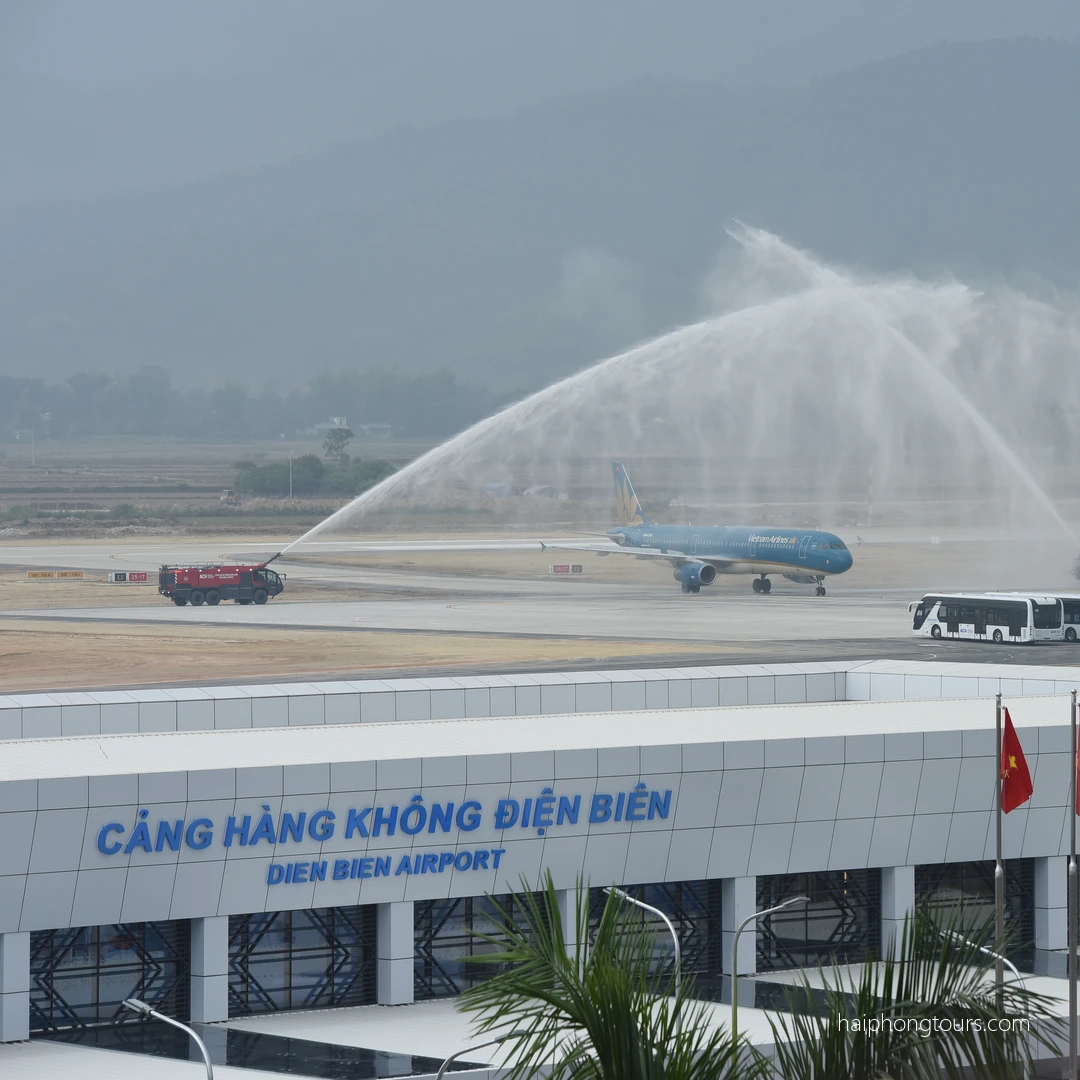
Search for Dien Bien Airport using the code DIN. Vietnam Airlines offers the Hanoi–Dien Bien route; check your travel dates for available departures, baggage and fare conditions.
When starting in another city, examine the actual itinerary for stops and total travel time. A flight-search page naming two cities does not necessarily mean a nonstop service. Arrange the airport pickup with your hotel or a local transport provider, and avoid scheduling an essential museum visit immediately after landing.
Bus or private car
The journey from Hanoi is a substantial overland trip, generally taking a long day or an overnight journey. Compare the operator’s current pickup point, seat or sleeper type, expected arrival and drop-off location before booking. If the bus arrives early, ask the hotel about luggage storage or early check-in.
A private driver is useful when Dien Bien Phu is part of a longer northwest itinerary with stops along the way. Agree on overnight stops and the final route rather than relying on one fixed driving-time estimate. Motorbike travel suits riders already experienced with long mountain journeys; courage alone is not a substitute for that experience.
Arriving from Sapa
From Sapa, compare an overnight sleeper with a full-day private car through the northwest. The Sapa to Dien Bien Phu transport guide explains early bus arrivals, room access before dawn and an optional overnight stop at Muong Lay. Reserve your first sightseeing day around the rest you will need after the journey.
Where to stay
For a history-focused visit, prioritize access to the central sights and restaurants. A quieter property outside the center can work well if you have arranged transport. Compare the full room cost, breakfast, cancellation terms and any transfer charges rather than a headline nightly rate.
- Muong Thanh Grand Dien Bien Phu: 514 Vo Nguyen Giap Street, phone. This is the Grand property, with rooms and restaurants on site. Confirm the exact hotel name when booking or arranging pickup.
- Him Lam Resort: by Huoi Pha Lake, in the To 6 area of Dien Bien Phu ward. Phone. Consider it for a lakeside setting, with transport planned for city sightseeing.
If you prefer a smaller hotel or guesthouse, check recent room information and the map location, then confirm directly. An early bus arrival does not guarantee that your room will be ready, and a cheap room may cost more overall if you need repeated transfers.
For a separate bathing outing, the U Va hot-springs guide distinguishes private baths from pool and overnight options.
Add a hosted textile visit in Na Sang
For a craft-focused half-day, arrange a visit to the Lao weaving community in Nua Ngam. The Na Sang Lao weaving village guide explains what to see at the loom, how to buy locally woven cloth and why the April festival needs separate planning.
A four-day, three-night itinerary
- Day one: arrive and settle in. Check in, have a local meal and make a short nearby outing if arrival time allows. Confirm the following day’s site schedule and any guide arrangements.
- Day two: the city and battlefield. Begin with the Victory Museum. After lunch, visit A1 Hill and the cemetery, then the De Castries bunker and Muong Thanh Bridge area. Add D1 Hill only if there is time and energy; move it to another day if you want longer at the museum.
- Day three: Muong Phang and the countryside. Visit the campaign headquarters, with a prearranged lunch and a Pa Khoang Lake stop if conditions suit. Return to the city without rushing the final drive.
- Day four: depart. Keep the morning flexible for breakfast, shopping or a missed central sight, according to your actual flight or bus time.
This plan assumes you reach Dien Bien Phu on day one and leave on day four. If both journeys are by road from Hanoi, those travel days may contain little sightseeing. If you only have one full day in the city, prioritize the museum and selected central sites, and save Muong Phang for a longer visit.
For a separate village overnight on the Highway 4H route, the Nà Sự homestay guide explains White Thai household stays, the locally led forest outing and the small-group village game. Arrange the receiving home and any foreign border-area permission before extending the road trip.
Continue north with an overnight in Muong Lay
If your journey continues toward Lai Chau, the Muong Lay reservoir and White Thai village guide explains Quan Chieng stays, boat outings and the seasonal water level. Give it an overnight on the wider route rather than squeezing a long return drive into a Dien Bien Phu sightseeing day.
Tua Chua: a separate mountain extension
Allow two nights for a different landscape northeast of Dien Bien Phu. The Tua Chua stone plateau and market guide explains its six-day market calendar, northern tea route and southern cave outing, so you can build the road journey around an actual market date.
What to eat and how to order
For a local meal, look for sticky rice, pa pinh top (seasoned grilled fish), grilled chicken or pork, and vegetables. Cham cheo is a dipping condiment with regional spices; recipes vary, so ask about fish ingredients, chili and other dietary concerns rather than assuming every version is vegetarian.
A Thai village meal can complement the countryside day if it is arranged in advance. Agree on the menu, number of diners and price, and tell the host about allergies. Hotel restaurants are another practical option when you want a predictable place to eat after sightseeing.
Alcohol is optional. Choose labeled products if buying food or drink to take away, and follow the producer’s storage instructions. For the trip budget, add together transport, accommodation, meals, admission and guiding, then allow a margin for changes; there is no single reliable all-inclusive cost for every four-day visit.
The Dien Bien food and local meal guide explains how to order folded grilled fish, recognize different cham cheo preparations and choose between Lang Thai in the city and a hosted Phieng Loi village meal.
What to bring
Bring shoes with grip, sun protection, a rain layer and water for the outdoor sites. A warm layer helps on cool mornings, while a charged phone and power bank are useful on longer road days. Carry the identification required for your transport and accommodation, and keep some cash for local expenses.
Dien Bien Phu is most rewarding when you give the history room to make sense: understand the campaign at the museum, walk selected sites, and allow a separate day for the forest headquarters and valley beyond.
Traveling onward to the coast? The Dien Bien Phu to Hai Phong transport guide compares the direct sleeper, a Hanoi flight connection, a staged private journey and the correct Hai Phong endpoint.
Would you like help fitting this experience into your trip? Contact us with your travel dates, starting point, available time and group size. Tell us about walking limits or special interests so we can suggest a practical itinerary.