
The Dien Bien Phu Victory Museum is the most useful starting point for understanding the city’s 1954 battlefield. Give time to both the object displays and the circular panorama painting: the galleries explain how the campaign was supplied and fought, while the panorama helps you picture the landscape and the scale of the fighting.
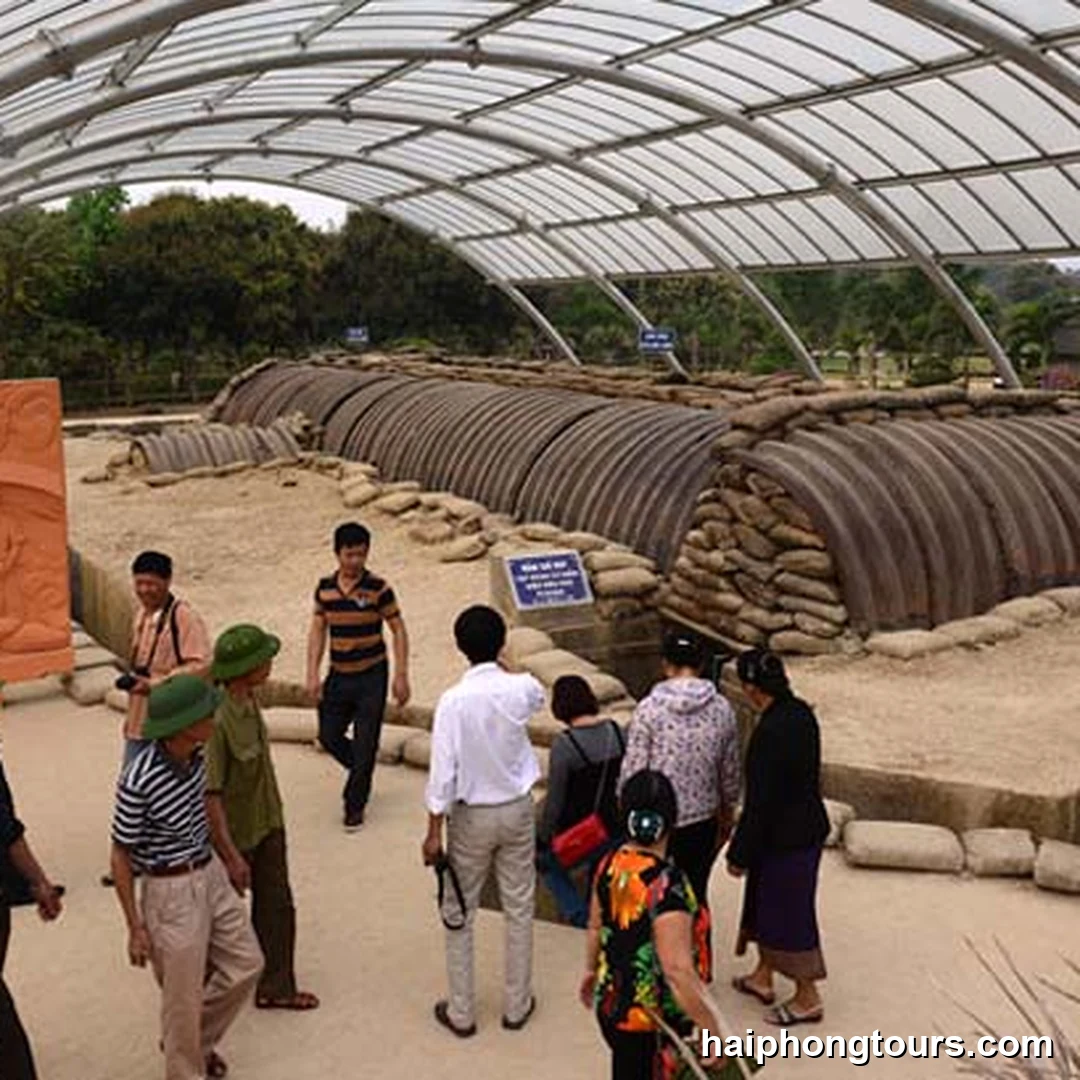
Plan around two hours for a first visit, longer for detailed interpretation. The victory collection is on Vo Nguyen Giap Street, opposite A1 National Martyrs’ Cemetery. Use the Vietnamese name Bảo tàng Chiến thắng Điện Biên Phủ and that location when arranging transport; broader references to Dien Bien Phu Museum can include other heritage work and collections.
Opening hours and the difference between daytime and evening
The museum’s published visiting sessions are 7:30 a.m.–noon and 1:30–9 p.m. Arriving around 9 a.m. gives you a useful morning window without running into the midday break. For an afternoon visit, 2 p.m. leaves time for the galleries and panorama before deciding whether to continue to an outdoor site.
An evening visit can free the daytime for the battlefield, but establish the last admission, panorama access and available interpretation first. A 9 p.m. closing time is not a promise that you can begin a complete visit shortly before then. The museum’s evening hours also do not apply to A1 Hill, the cemetery or the forest headquarters at Muong Phang.
Contact the ticket office for admission enquiries and the exhibition and education team for interpretation. Use the latter to arrange interpretation, including whether an English-speaking guide is available for your date.
Tickets: establish the visit you are buying
Ask for the current museum admission covering the collection and panorama, and establish whether a guided explanation costs extra. If someone sells you a combined city itinerary, request a list of the entrances included: the museum, A1 Hill and other battlefield stops are separate places, even when one vehicle connects them.
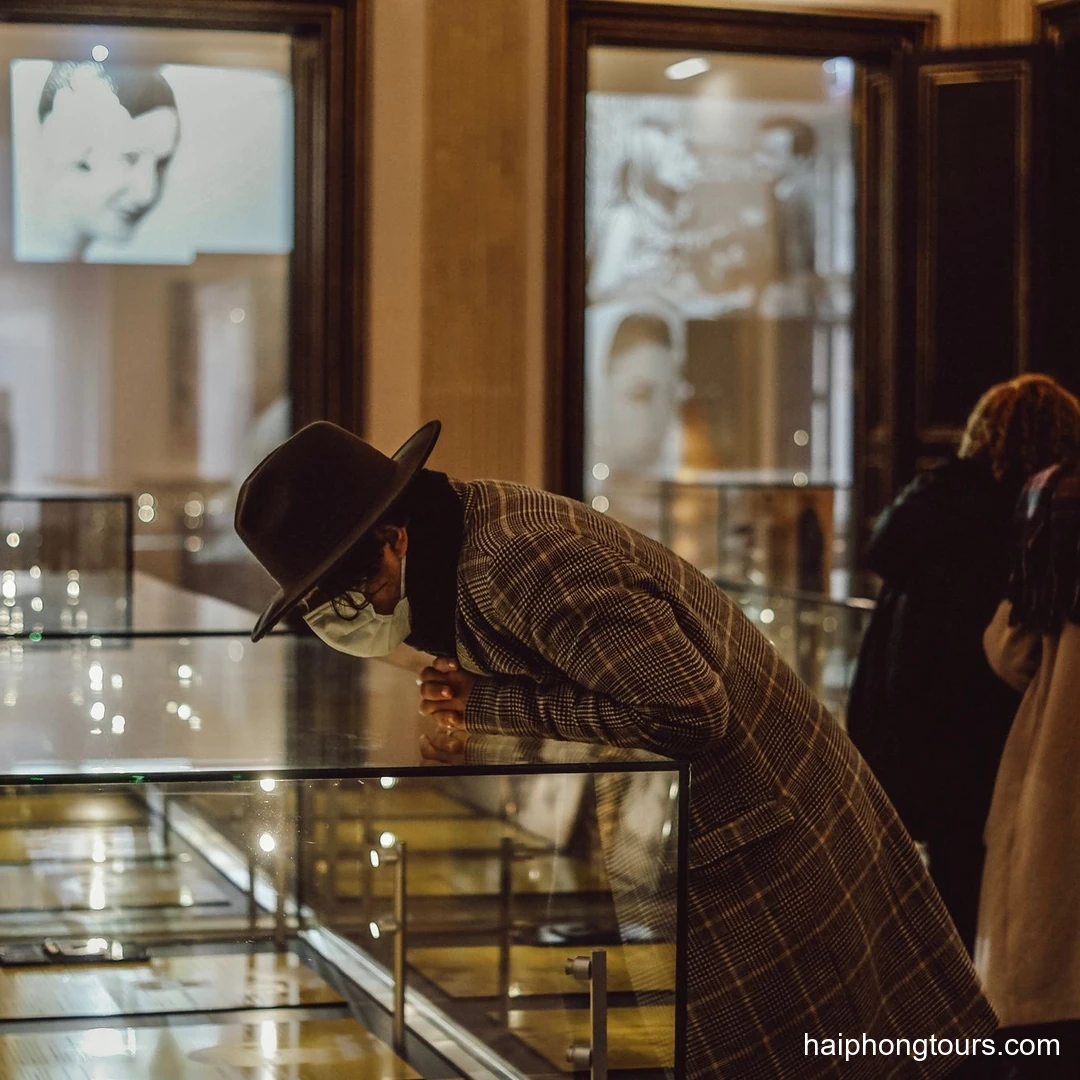
Bring identification if claiming an age-based or other concession. Eligibility and the documents needed matter more than a seller’s broad label such as “student discount.” Pay for the experience you want rather than assuming a cheap museum quote includes an English guide, every historical site and all special programs.
Start with the campaign’s practical problem: supplying an army
The museum presents the battle primarily through the Vietnamese campaign and its participants. Before concentrating on weapons, look at the transport and everyday objects. Food, ammunition, communications and the movement of artillery through difficult terrain make the subsequent fighting easier to understand.
The displays include the story of Trinh Dinh Bam’s wheelbarrow, made to carry supplies, and material associated with supply bicycles. These modest-looking objects give you a different entry into the campaign from a map of fortified positions. Look at how a load was supported, then consider the labor required to keep supplies moving over repeated journeys.
Maps, photographs, documents and reconstructed scenes connect individual stories with the wider battle. Read the labels to distinguish an original object from a reconstruction or explanatory model. A dramatic scene can help you visualize an event, but it serves a different purpose from a contemporary document.
If your interest is military history, ask the guide to establish the valley’s layout, the French positions and how the Vietnamese approach changed over the campaign. This gives the names you will encounter outdoors a physical relationship, rather than leaving them as a sequence of unfamiliar hill numbers.
How to read the panorama without missing its story
The panorama is a large oil painting arranged around a circular viewing space, combined with a modeled foreground. It is an artwork interpreting the 1954 campaign, not footage recorded during the battle. The transition between the painted distance and the physical foreground is part of how the installation creates its sense of depth.
Follow its four connected episodes rather than immediately trying to fit everything into one photograph:
- Mobilization and supply: people move food and equipment toward the front, including loaded bicycles and artillery being hauled into position.
- The opening attack: the fighting at Him Lam introduces the start of the campaign.
- The sustained confrontation: trenches, wire and close fighting lead toward the explosion at A1 Hill.
- The outcome: the final scenes depict the French defeat and the victorious forces at the command bunker.
After following the sequence, look back at the supply scene. It connects the small transport objects in the galleries to the much larger human effort pictured here. Then identify one place you intend to visit outdoors, such as A1 Hill, so the artwork becomes a starting point for reading the actual terrain.
The circular room can make spoken sound harder to follow. Stand where you can hear your guide without blocking the circulation route, and use written interpretation when a group explanation becomes unclear. For a child or anyone uncomfortable with intense battle imagery and sound, take the section at a slower pace and allow an early exit.
English and French interpretation
The panorama has QR-based introductions in Vietnamese, English and French. Look for the museum’s own code in the viewing area and select your language; this is especially useful if the group commentary nearby is in Vietnamese. Bring a charged phone and test the page before relying on it for the entire explanation.
QR access does not establish that every gallery label or all live commentary is available in your language. For a history-focused visit, arrange an English-speaking guide ahead of time and specify that you want both the object galleries and the panorama. A driver who knows the entrance is not automatically a battlefield interpreter.
Leave room for your own questions. Ask how an object was used, where a depicted event occurred, and which features you can recognize at today’s battlefield sites. These questions usually make better use of a guide than rushing through every display caption.
A museum visit followed by the actual battlefield
For a balanced day, visit the museum in the morning, take a lunch break, then choose a manageable group of city sites. A1 Hill is a natural follow-up because it translates a major panorama scene into terrain you can walk. The nearby cemetery is a place of remembrance, so keep it separate in your mind from the military explanation.
The French command bunker and Muong Thanh Bridge add another part of the valley’s story. D1 Hill and the Victory Monument are a further stop, not something to squeeze in if you have already spent a long time at the museum. The Dien Bien Phu city and battlefield guide brings those locations together with transport and overnight planning.
Save the Muong Phang headquarters and Pa Khoang countryside outing for a separate day if possible. Muong Phang was the Vietnamese campaign headquarters in the forest; it is not the French command bunker in the city. The two places explain different sides of the campaign and require different journeys.
What changes the quality of the visit
Around the May 7 victory anniversary and major holidays, leave more space for visiting groups and commemorative arrangements. If the panorama is your main reason for coming, establish its admission arrangements before committing the rest of the day to fixed departures. An indoor museum is a useful wet-weather option, but it does not eliminate travel disruption elsewhere on the route.
For limited mobility, ask about the route from the vehicle drop-off to both the galleries and the panorama, including lifts and any changes in level. Do not assume that access to the entrance proves access to every viewing area. Discuss the particular spaces you want to see when arranging assistance.
Follow the displayed photography rules and avoid using flash on the artwork unless explicitly permitted. Organized educational activities and temporary exhibitions have their own programs; photographs of a special event do not mean that the same activity is available with an ordinary ticket.

The visit works best when you leave with a few clear connections: an everyday supply object, one sequence in the panorama and an outdoor position you can locate afterward. That is a stronger understanding of Dien Bien Phu than collecting photographs of every room without knowing how the places fit together.
Would you like help fitting this experience into your trip? Contact us with your travel dates, starting point, available time and group size. Tell us about walking limits or special interests so we can suggest a practical itinerary.