
If you are looking for things to do in Do Son besides the beach, the peninsula is worth a half-day for its maritime history, royal-era architecture and living religious sites. A practical first route links Ba De Temple, Bao Dai Villa, the K15 memorial complex and Tuong Long Tower; allow about five hours from central Hai Phong, including the road journey and a little schedule margin.
Do not treat these places as one walkable cluster. Use a car, taxi with a waiting arrangement or an organized tour, and start in daylight. Add Chua Hang only if you have more time, while Hon Dau belongs in a full-day plan because the boat and lighthouse visit require same-day confirmation.
Choose the right Do Son heritage plan
- About five hours: Ba De Temple, Bao Dai Villa, K15 and Tuong Long Tower. This is the strongest first-time mainland circuit.
- Three to four hours in Do Son: keep K15, then choose Bao Dai Villa and either Ba De Temple or Tuong Long.
- A full day without the island: follow the four-stop route at a slower pace and add Chua Hang, lunch and rest time.
- A full day with Hon Dau: check the boat first and reduce the mainland circuit to two or three stops. Keep a mainland fallback if boats do not operate.
Opening arrangements and admission can change, and the main official sources do not publish one dependable daily schedule for every stop. If an interior matters to you, confirm it before leaving central Hai Phong rather than building the day around an old online time or ticket price.
The practical four-stop mainland route
1. Ba De Temple: begin with a living place of worship
Ba De Temple stands at the foot of Doc Mountain beside the coast. It is dedicated to Dao Thi Huong, whose story survives through local religious tradition, and remains a place where people come to pray rather than a museum display.


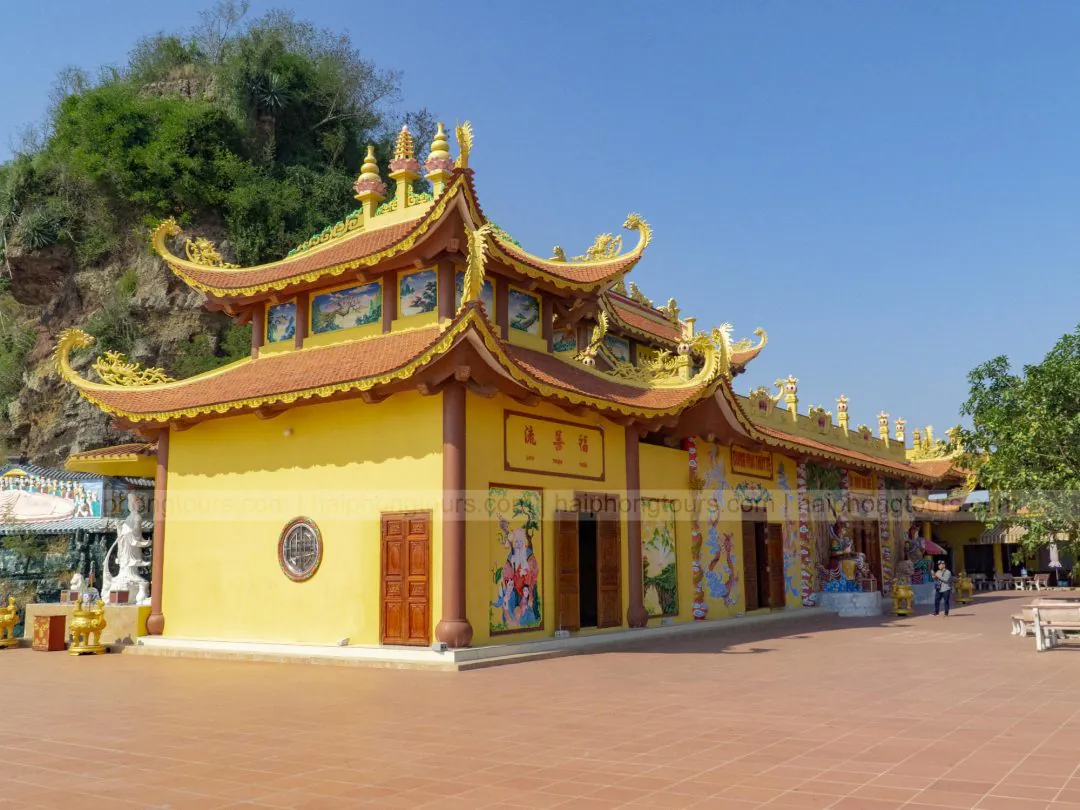

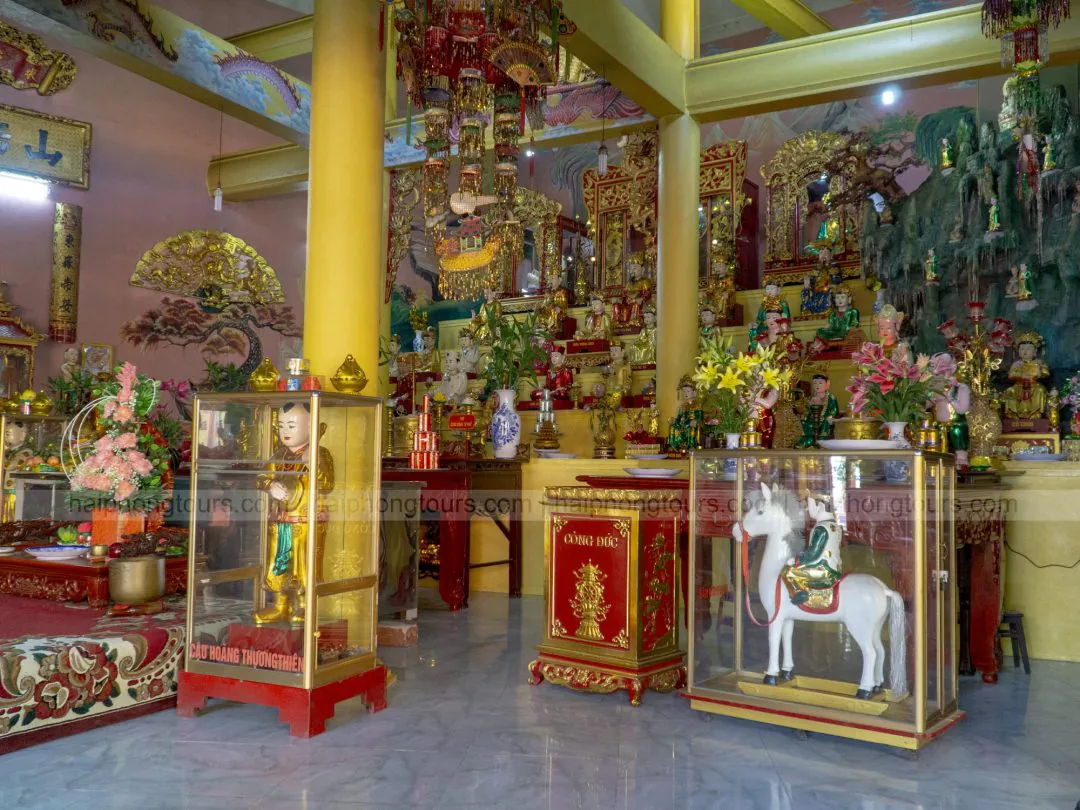
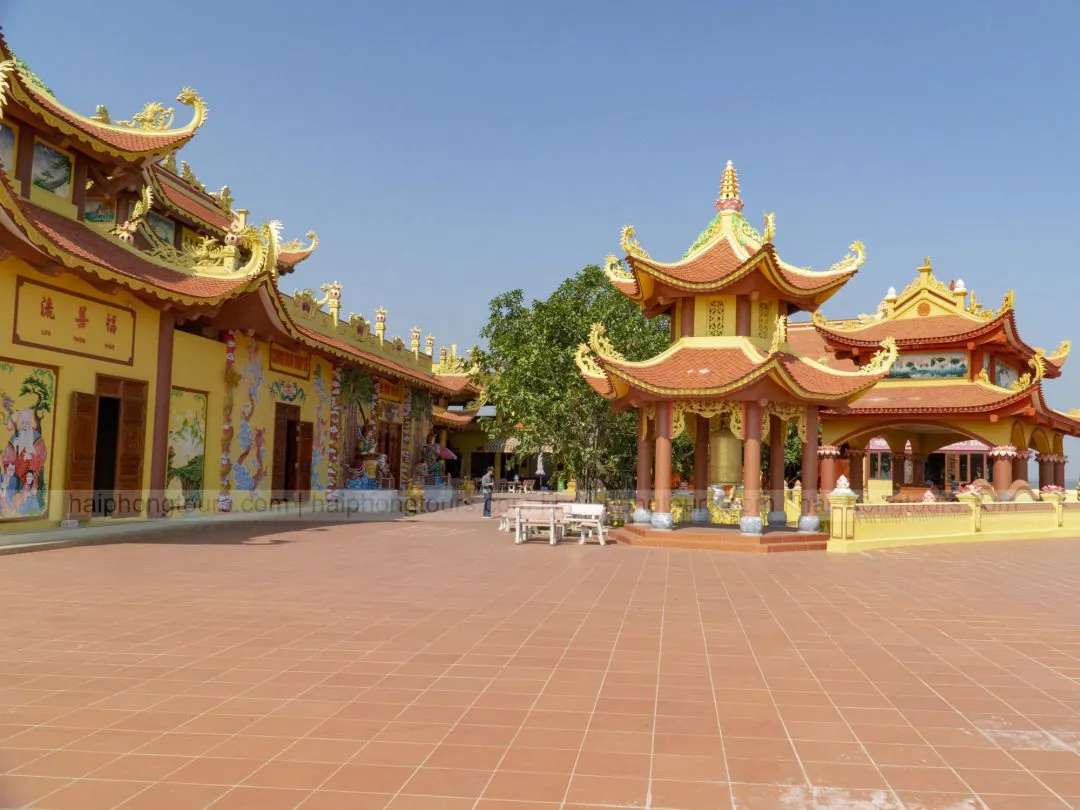

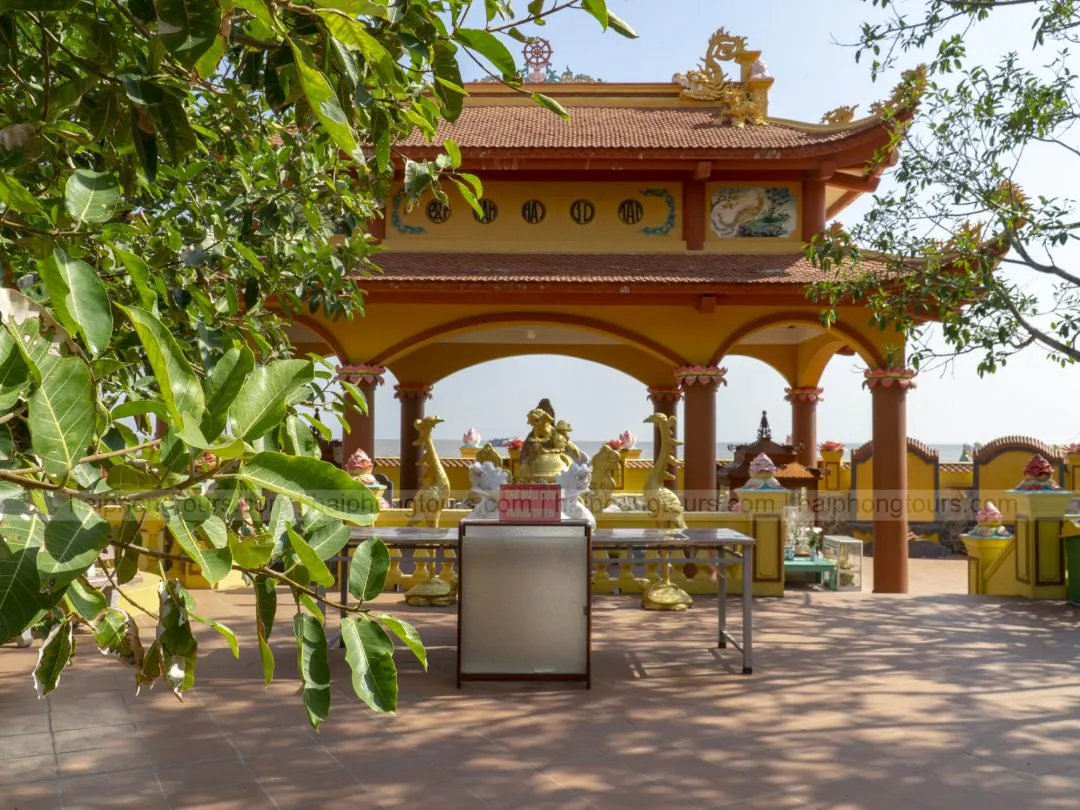
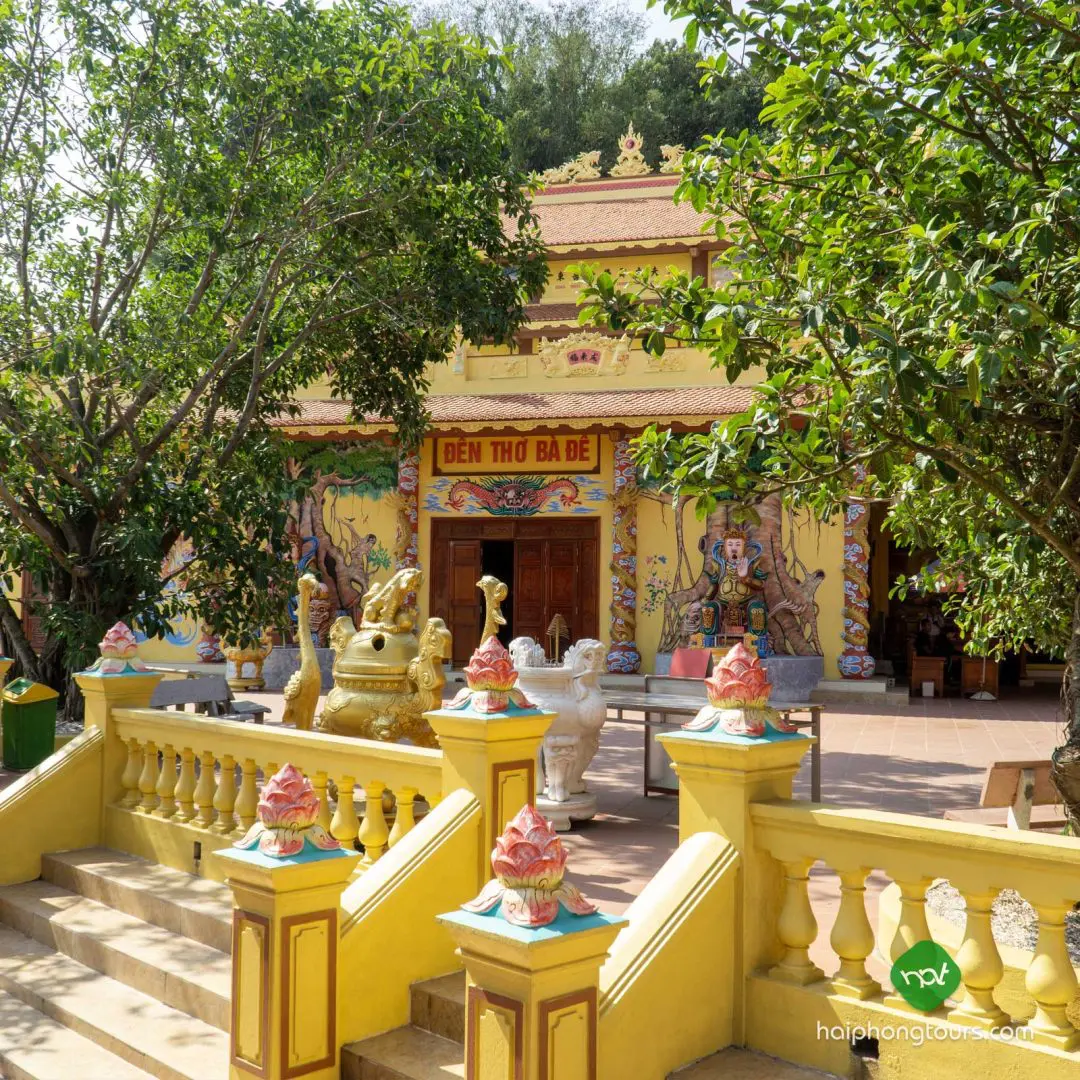
Allow about 30 minutes for the temple grounds. Wear clothing that covers shoulders and knees, speak quietly and avoid blocking worshippers or photographing a ceremony without permission. Coastal rock and paving can be slick after rain, so stay on the formal visitor route.
2. Bao Dai Villa: royal history on Vung Hill
Bao Dai Villa was built in 1928 in French architectural style and later became associated with Bao Dai, Vietnam’s last emperor. Its hill setting and preserved royal-era atmosphere make it a useful contrast to Do Son’s temples and wartime memorials.
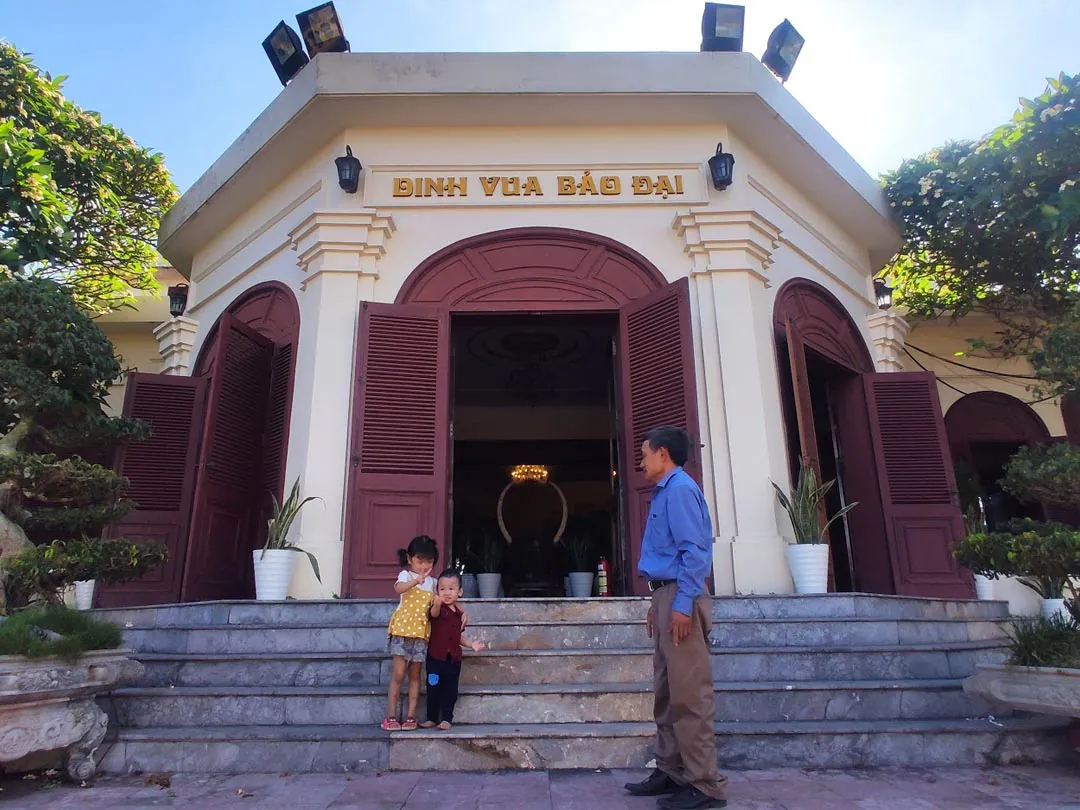

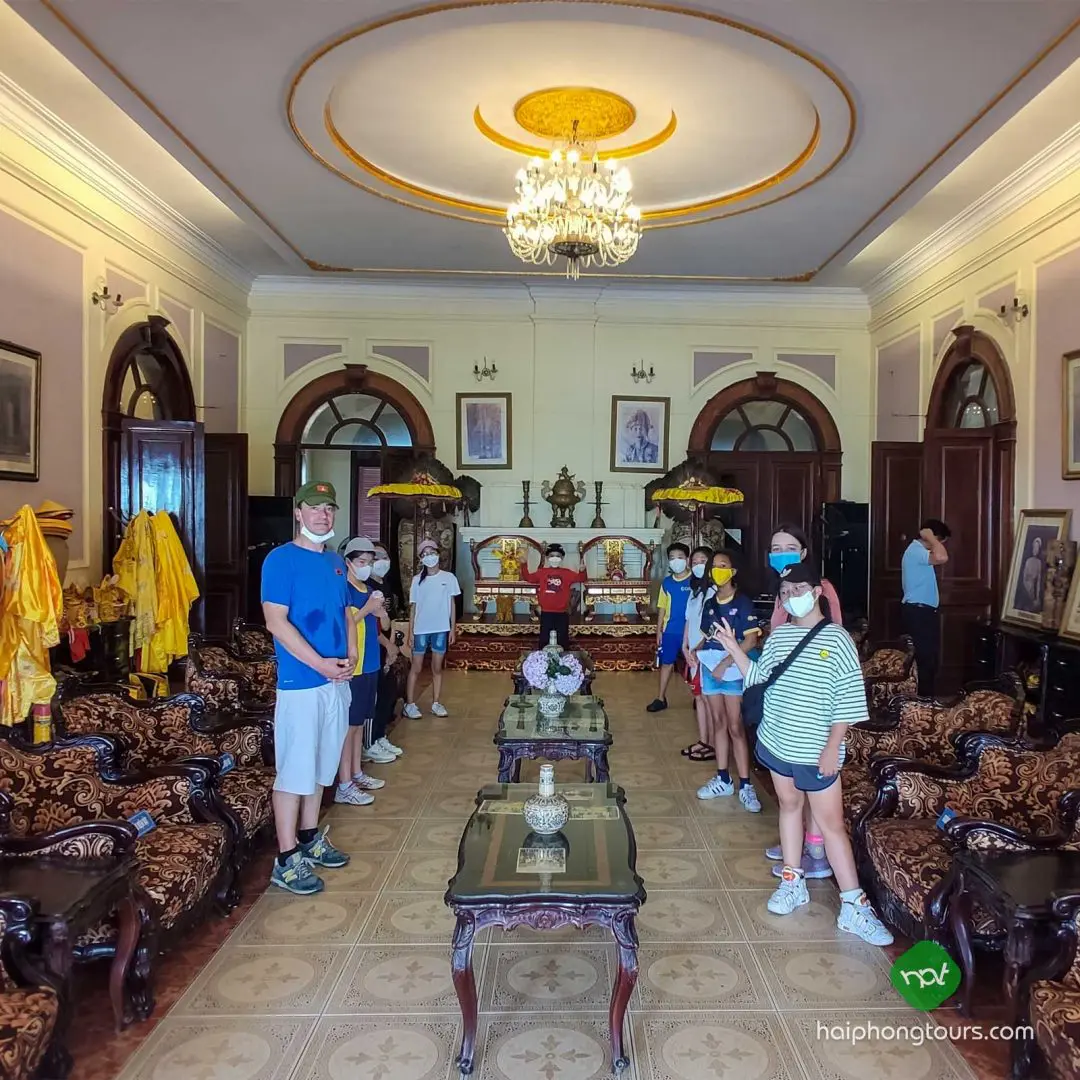
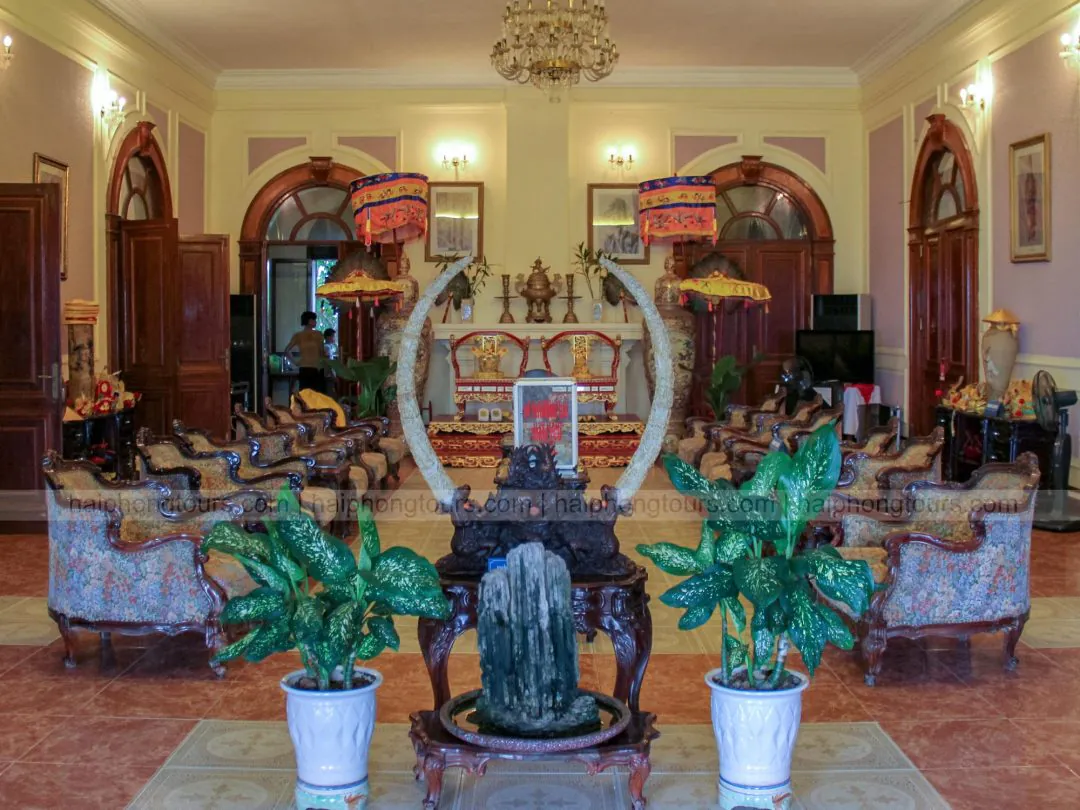
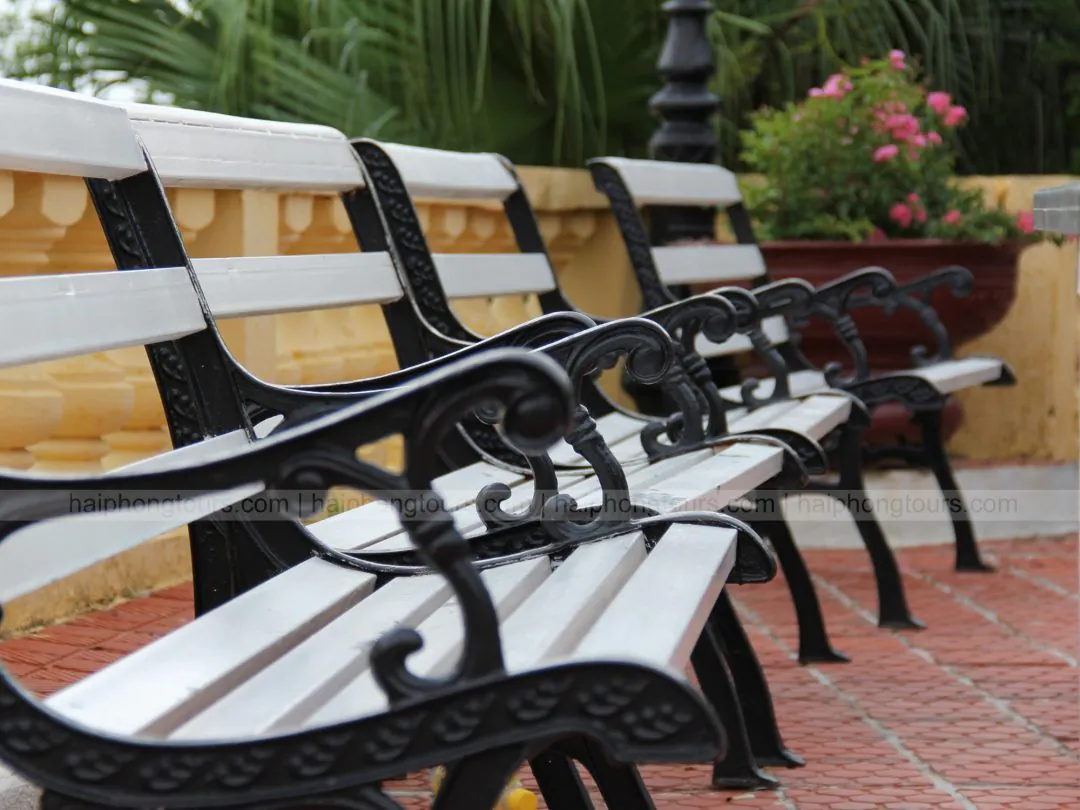

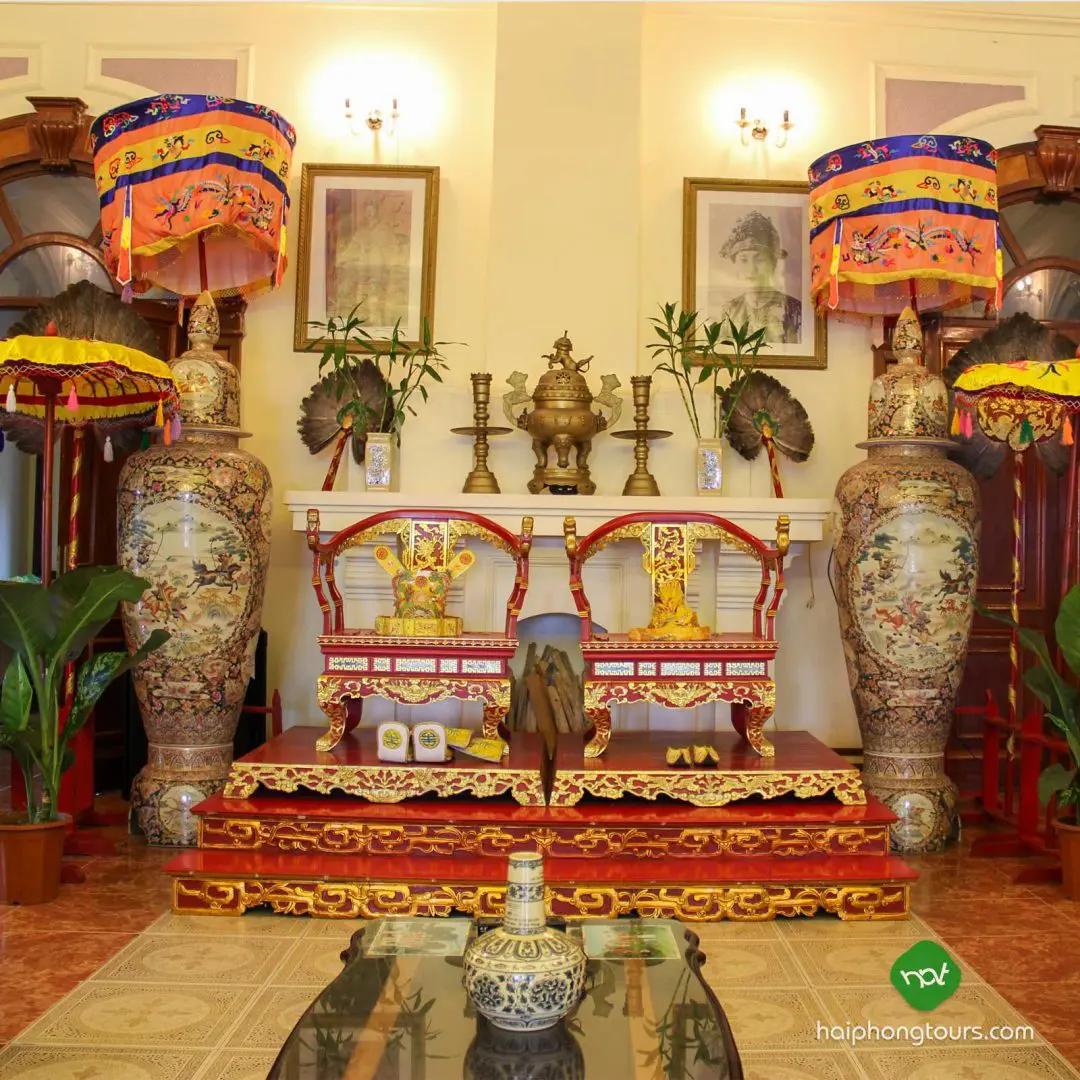
Plan 40 to 60 minutes if the interior is open. The approach is uphill, and rooms or services can be affected by current site operations. Confirm public access and the last admission if this is a priority; the exterior viewpoint alone should not be used as proof that every room is open.
3. K15: understand Do Son’s wartime maritime role
K15, also called the Numberless Ship Wharf, marks the departure area connected with the maritime Ho Chi Minh Trail. Phuong Dong 1 left K15 on October 11, 1962, carrying weapons to Vam Lung in Ca Mau as part of the clandestine maritime supply network.
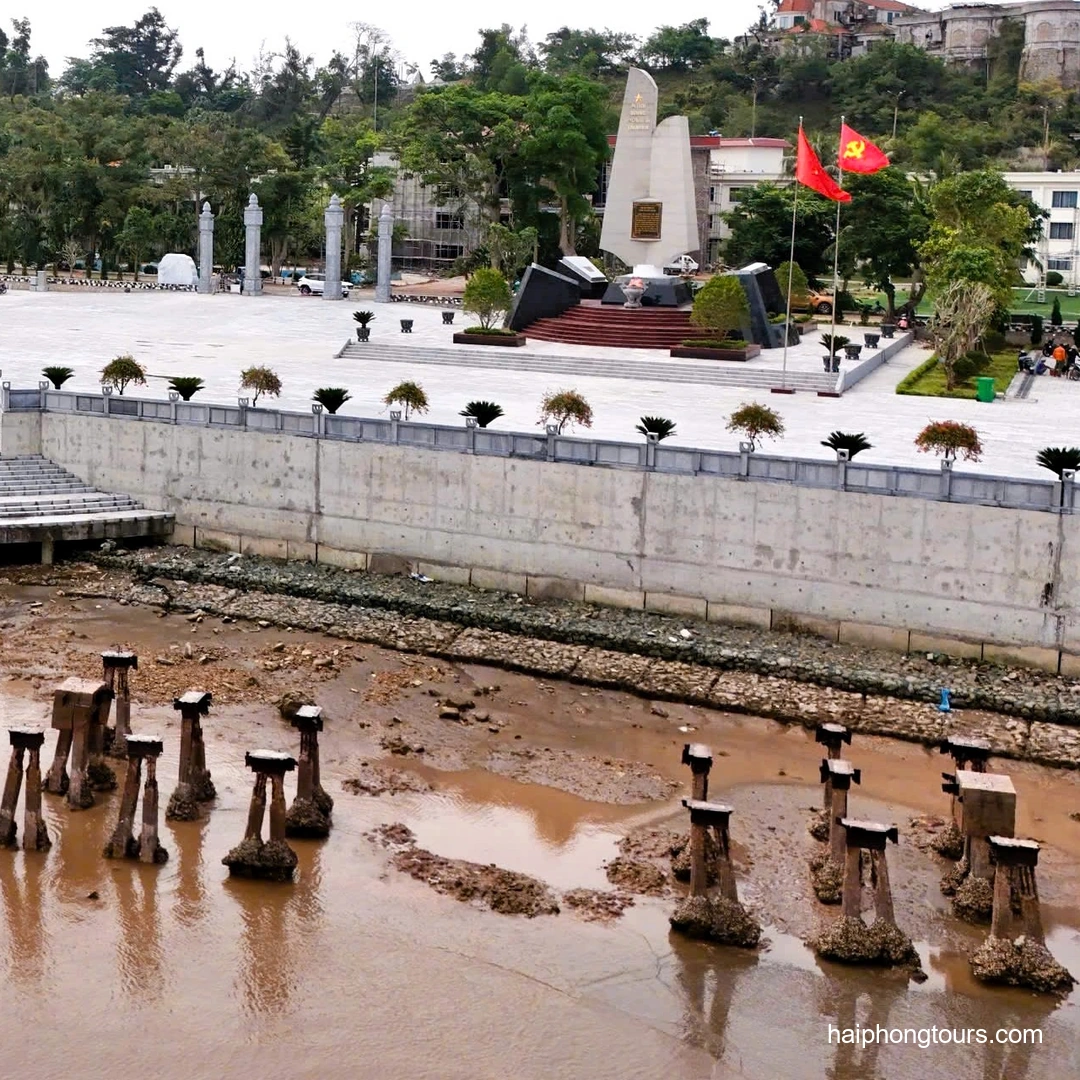

The site is part of a special national historical relic and its restored complex was inaugurated in May 2026. The renewed area includes a memorial landscape, worship space and pier element. Allow 45 to 60 minutes, read the interpretation carefully and treat the place as a memorial rather than a scenic photo stop.
For the surviving wharf remains, rebuilt memorial and a practical visiting plan, see the K15 Numberless Ship Wharf guide.
4. Tuong Long Tower: finish with archaeology and a hilltop view
Tuong Long is an 11th-century Ly-dynasty archaeological site as well as an active Buddhist complex. The tall tower visible today is a modern reconstruction; the excavated foundations and recovered architectural material are the authentic evidence of the earlier monument.
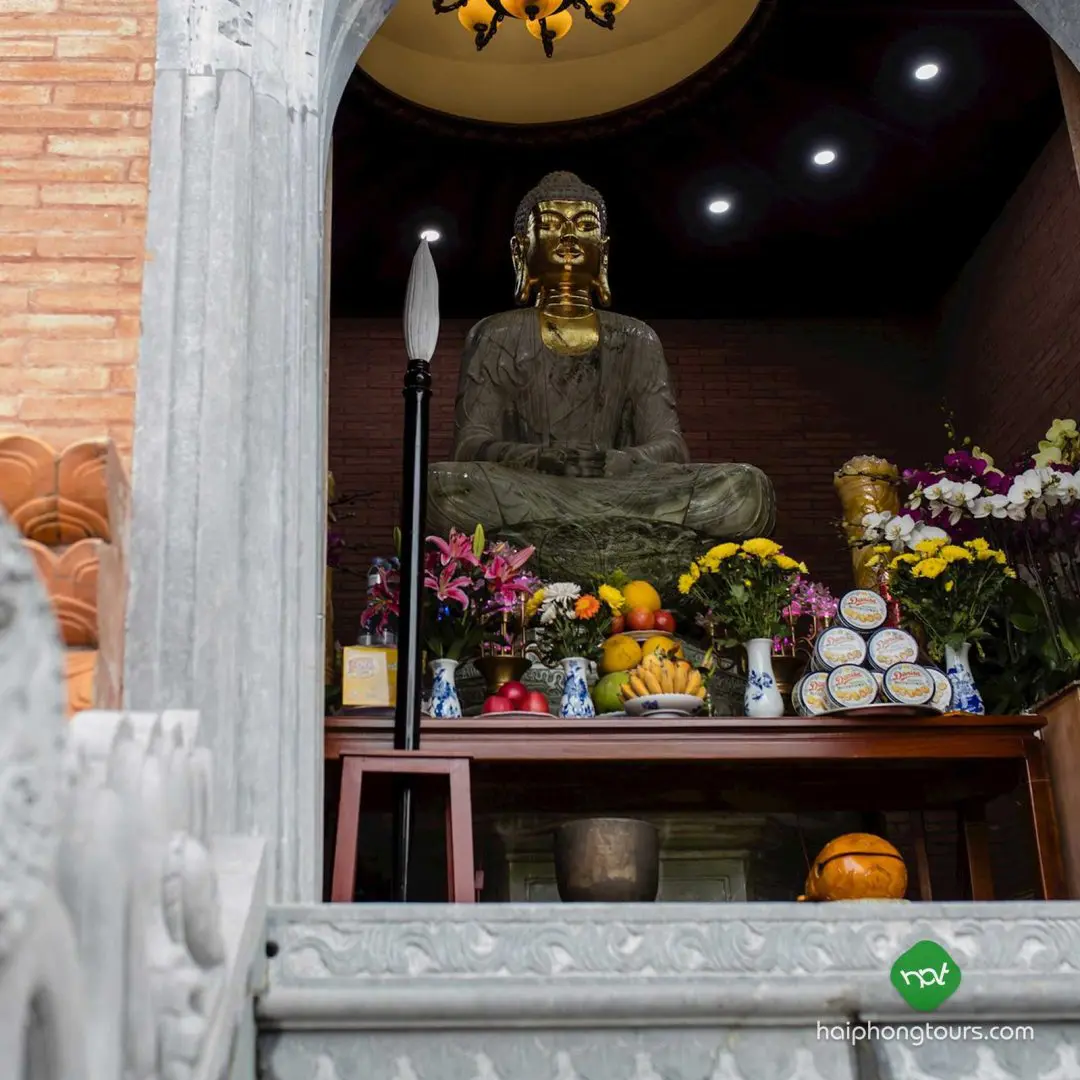
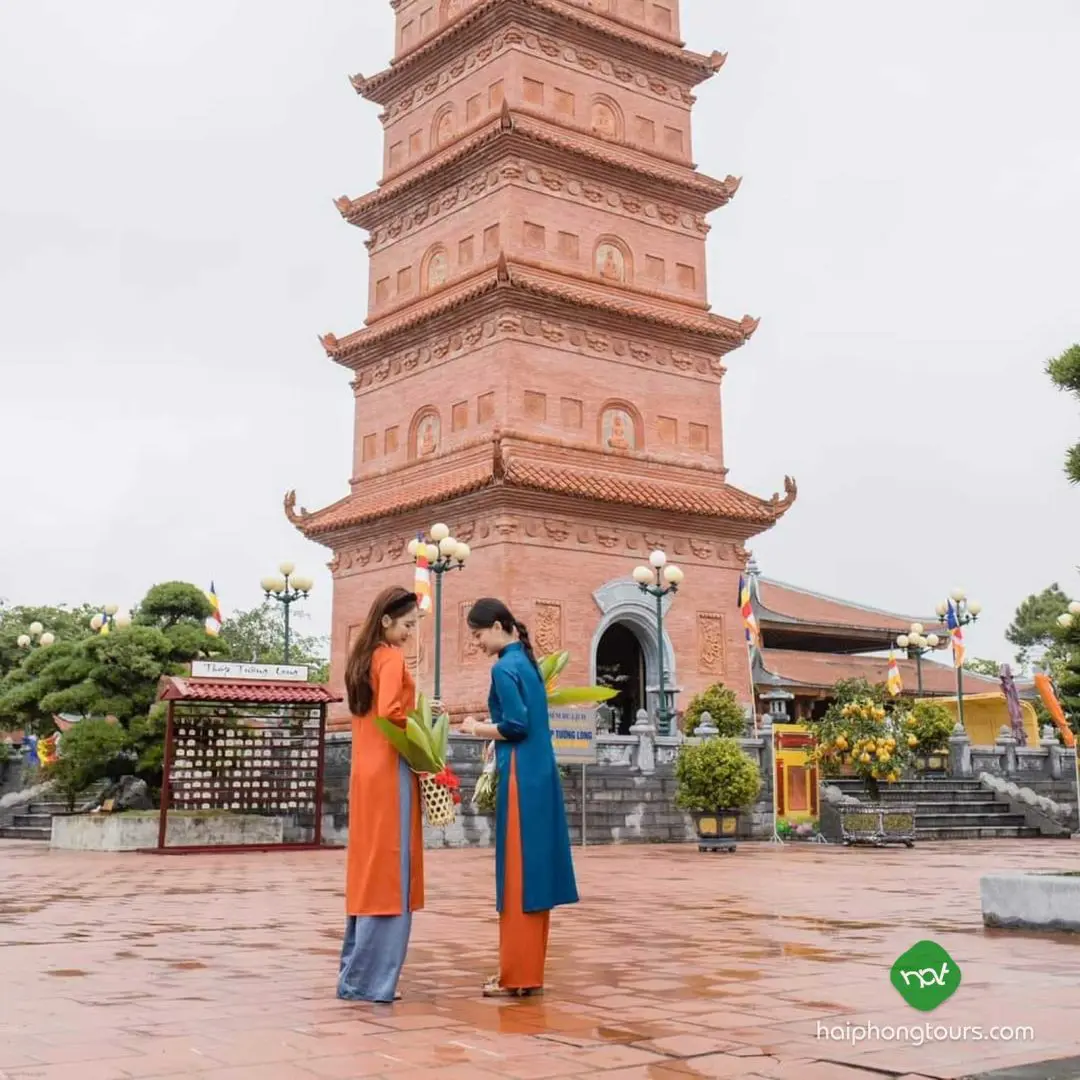

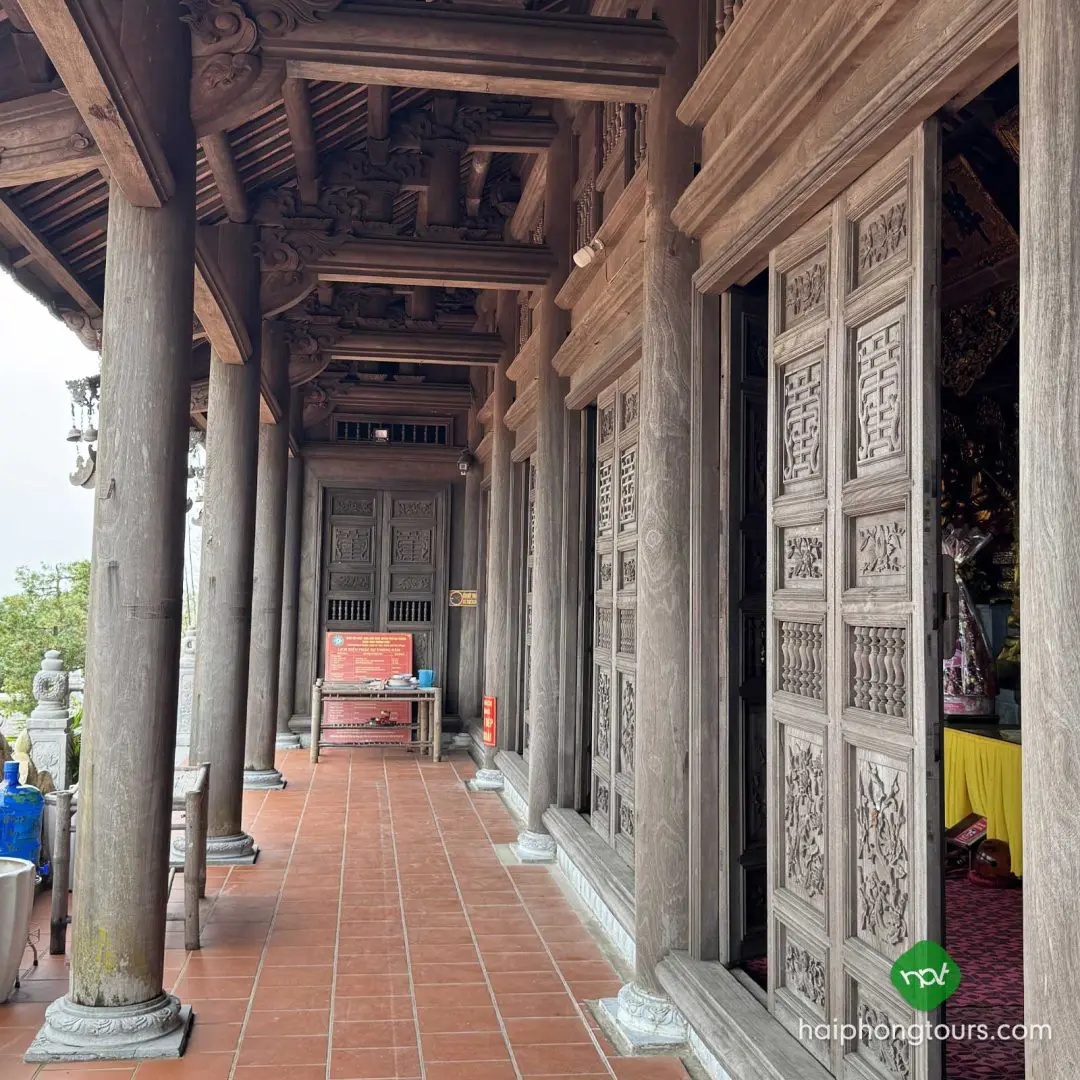

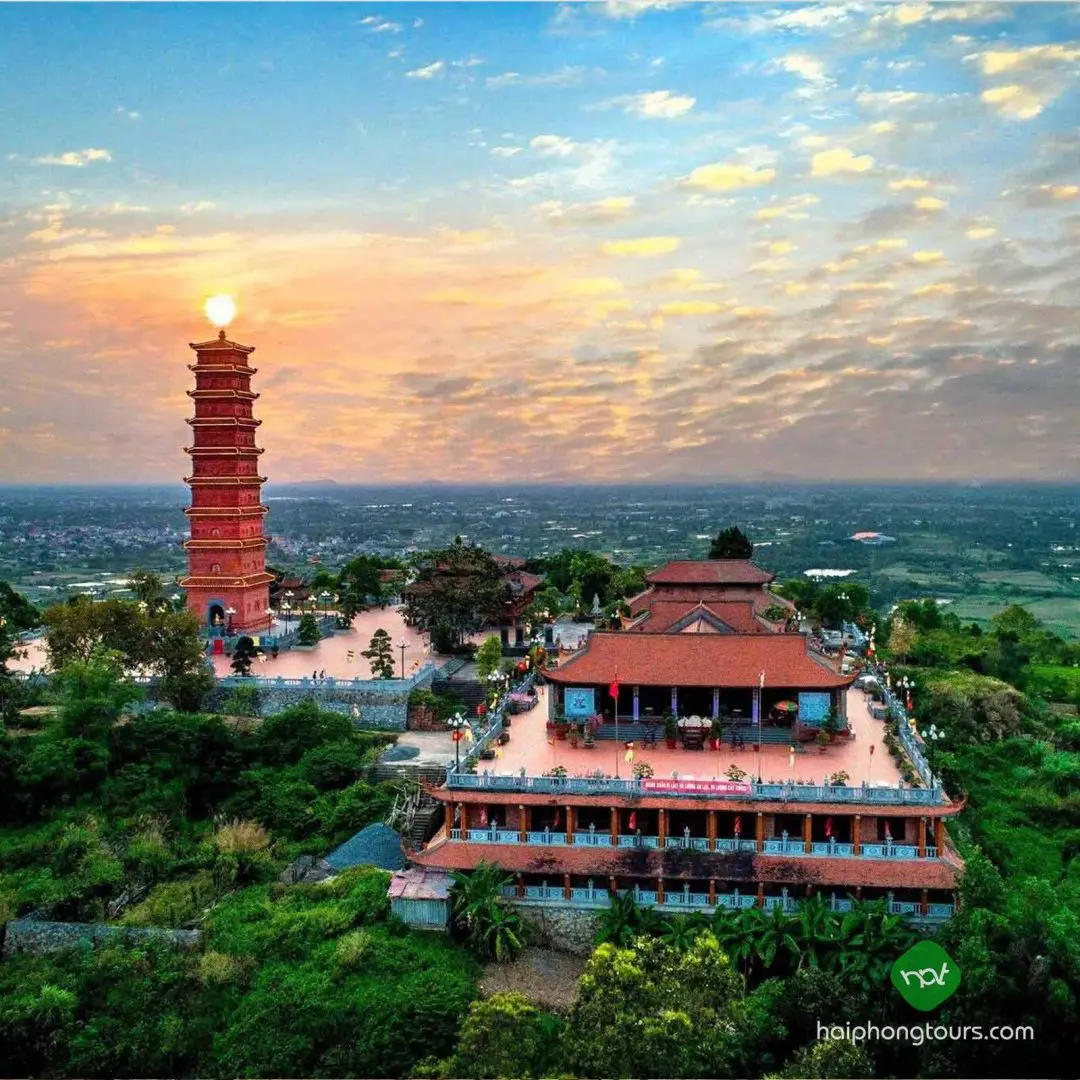
Allow 60 to 90 minutes for the grounds, archaeological remains and viewpoint. Expect a sloping approach and steps, and do not assume every level of the reconstructed tower is open. The summit is exposed, so skip it during lightning, strong wind or heavy rain.
For more time with local religious culture, Hai Phong Tours suggests a separate stop at Suoi Rong, Co Chin Temple and Ngoc Xuyen Communal House below the hill. Keep this optional within a longer day, confirm the onward vehicle arrangement and treat any ceremony as worship rather than scheduled entertainment.
When to choose Chua Hang instead
Chua Hang, or Coc Tu, is a cave temple tied to Do Son’s early Buddhist traditions. Local accounts connect the site with a monk arriving from India by sea, but this should be understood as religious and historical tradition rather than proof of a single, settled starting point for Buddhism in Vietnam.
Choose Chua Hang over Tuong Long if a cave-temple setting and living worship interest you more than archaeology and a summit view. Surfaces inside and near the cave can be damp, so wear shoes with grip and keep the visit in daylight. Allow roughly 30 to 45 minutes, longer on a busy worship day.
Decide whether Hon Dau fits the day
Hon Dau offers a forest walk, Nam Hai Than Vuong Temple and a historic working lighthouse, but it is not a dependable last-minute addition. Reaching the island requires a passenger boat, and routine departures can change with demand, weather and local operating arrangements.
Before boarding, confirm all of the following:
- The actual operating pier that day, rather than relying on an old map pin.
- That a return boat is confirmed and the latest return time.
- The complete round-trip and admission cost before paying.
- Whether sea conditions are suitable and life jackets are provided.
- Whether visitors may enter the lighthouse or only view it from outside.
Reserve most of a half-day for the island, including waiting and the return crossing. Boat boarding, uneven forest paths and the lighthouse stairs are not a step-free sequence. If the boat is uncertain, use the four-stop mainland route instead.
Getting from central Hai Phong and between stops
Build about 45 minutes each way between central Hai Phong and Do Son, then allow extra time for traffic and finding the correct entrances. The heritage sites are spread along the peninsula and include hills, so a single waiting vehicle is more reliable than repeatedly requesting a new ride at each stop.
Public bus 03 has served the central-city corridor to Do Son, with published stops near Chua Hang and Zone II, but it does not connect the complete heritage circuit door to door. Check the current route, first and last trips and the final walking distance before relying on it.
If you prefer hotel pickup, a private car and an English-speaking guide, the Hai Phong City Tour’s four-stop Do Son itinerary covers Ba De Temple, Bao Dai Villa, K15 and Tuong Long. The live product is marketed as a four-hour tour, but keep additional buffer for the final hotel return. Chua Hang, Hon Dau and meals are not part of its listed core route.
A full-day sequence that stays realistic
Mainland-only day
- Leave central Hai Phong after breakfast.
- Visit Ba De Temple before the day becomes hotter and busier.
- Continue to Bao Dai Villa, subject to current public access.
- Spend the late morning at K15.
- Pause for lunch and water on the mainland.
- Choose Tuong Long for archaeology and views, or Chua Hang for a cave-temple visit.
- Return before a fixed evening connection, leaving traffic margin.
Day with Hon Dau
Go to the operating pier early and confirm the complete return arrangement before crossing. After the island, have lunch on the mainland, then visit K15 and one of Bao Dai Villa, Ba De Temple or Tuong Long. Trying to combine Hon Dau with every mainland stop makes the day fragile and leaves too little protection against boat waiting or weather.
Practical checks before leaving
- Weather: avoid exposed hills, rocky edges and boat travel during thunderstorms, strong wind or official coastal restrictions.
- Footwear: choose shoes with grip for slopes, steps, wet paving and cave surfaces.
- Temple etiquette: dress modestly, lower your voice and do not touch altars or offerings.
- Food and water: carry drinking water and schedule a mainland meal rather than depending on services at every heritage stop.
- Mobility: ask about steps, vehicle drop-off points and toilets before traveling if anyone in the group has limited mobility. A destination being open does not mean the complete visit is step-free.
- Timing: keep at least one optional stop. Drop it if an interior opens late, worship activity is busy or transport takes longer than expected.
Frequently asked questions
Is Do Son worth visiting without going to the beach?
Yes. K15, Bao Dai Villa, Ba De Temple and Tuong Long give a varied half-day of maritime, royal, religious and archaeological history. The value comes from combining different layers of the peninsula rather than expecting one large attraction.
Is the present Tuong Long Tower original?
No. The standing tower is a reconstruction. Give attention to the archaeological foundations and displays, which explain the earlier Ly-dynasty site.
Can Hon Dau be guaranteed in the itinerary?
No. Confirm the boat, return time, weather decision and lighthouse access on the day. Keep a mainland alternative ready.
Do you need a guide?
A guide is not essential for transport or temple etiquette, but English interpretation can be limited. A guide adds the most value at K15 and Tuong Long, where the historical context and the difference between reconstruction and original evidence matter.
Make the route fit the day
For most international travelers, the four-stop mainland circuit is a practical non-beach introduction to Do Son. Keep K15 as the historical anchor, choose between Tuong Long and Chua Hang according to your interests, and add Hon Dau only when its boat and return arrangements are confirmed. That approach gives the peninsula enough time without turning changing access conditions into a rushed schedule.
Useful guides for your trip
- Places to Visit in Hai Phong: City Walks, Do Son and Cat Ba
- Do Son Beach Guide: Khu II, Beach 295 and Dragon Ocean
Would you like help fitting this experience into your trip? Contact us with your travel dates, starting point, available time and group size. Tell us about walking limits or special interests so we can suggest a practical itinerary.