
Dong Chau in Tien Yen is worth considering as a short village stop for summer lotus flowers and local heritage. It makes most sense when you are already exploring eastern Quang Ninh and can be flexible about what is accessible. If the lotus lake is your main reason for going, ask locally about flowering and the lakeside approach before making a special journey.
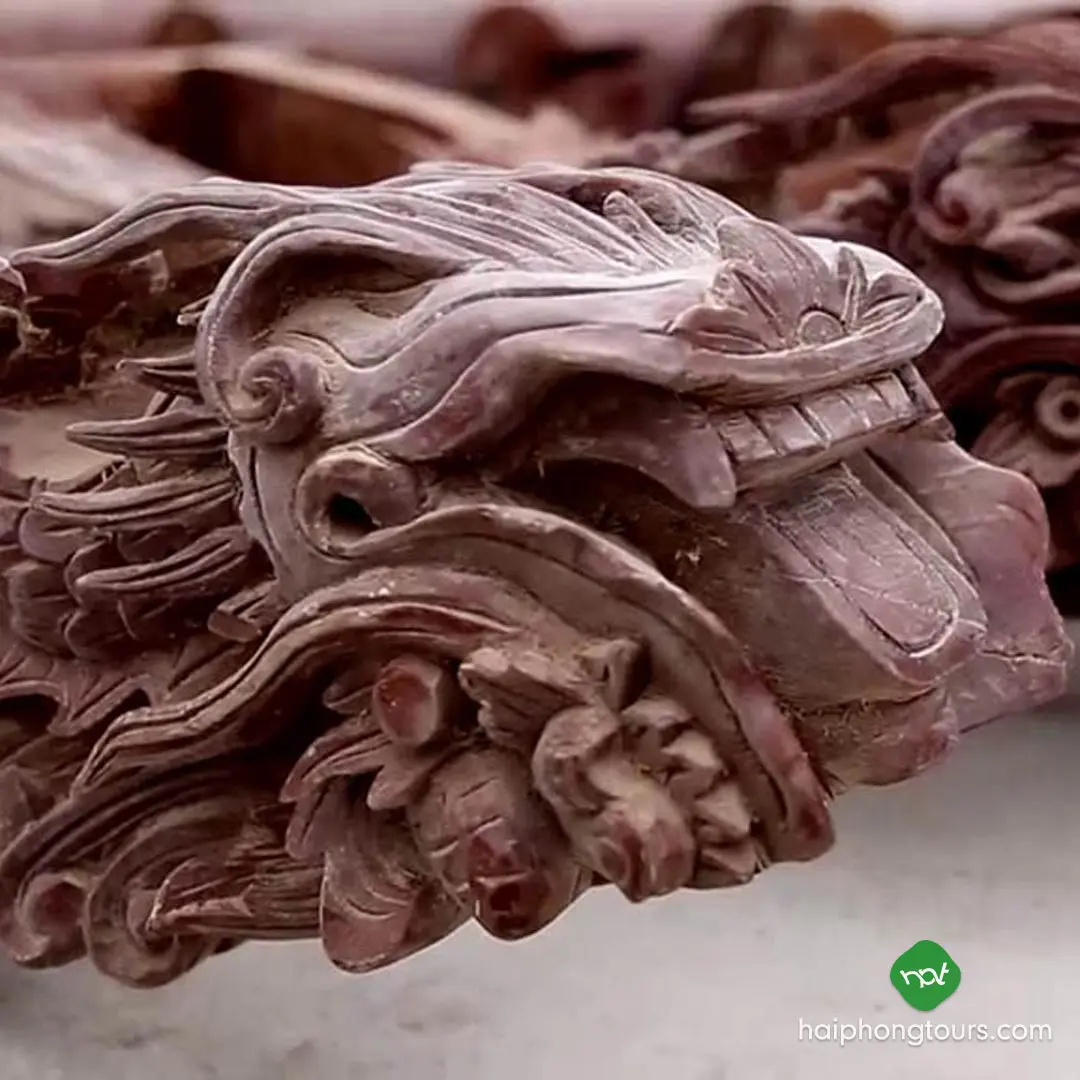
The two places to distinguish are Ho Dong Chau, the lake, and Dinh Dong Chau, the village communal-house site. This is a modest local outing: plan time by the water and a respectful heritage stop, rather than expecting a large restored monument or an organized lake excursion.
Find the correct Dong Chau
Dong Chau is in the Tien Yen area of Quang Ninh. Older addresses place the village in Tien Lang commune, Tien Yen district; that former commune is now part of Tien Yen commune. Keep both names when asking a driver, because older map entries and local directions may still use Tien Lang.
Use the Vietnamese names Hồ Đồng Châu, Tiên Yên, Quảng Ninh for the lake and Đình Đồng Châu for the communal house. Confirm that your map result is in Quang Ninh. Searching only “Dong Chau” can lead to a different destination, including the better-known coastal area associated with Thai Binh.
Do not confuse this Tien Lang with the Tien Lang area of Hai Phong. Show the driver the full destination before agreeing on a fare, then ask for the usable vehicle drop-off point and the remaining walking route.
The lotus lake: go for the season, with flexible expectations
Summer is the period to plan around for lotus at Dong Chau, roughly June through August. Flower coverage varies, and a calendar month does not guarantee a lake full of open blooms. Before setting out, ask: “Hồ Đồng Châu bây giờ có sen nở không?” This means, “Are the lotus flowers blooming at Dong Chau Lake now?”
A quieter morning or a late-afternoon visit can make standing outdoors more comfortable than the hottest part of the day. Choose the time around the weather and your onward drive, not around an assumption that flowers will look exactly like a photograph. Leave the lakeside while you can still see the path clearly.
Plan to enjoy the view from an accessible part of the shore. Ask permission before entering cultivated plots, crossing private land or moving onto a structure beside the water. Do not pick flowers or pull stems into position for photographs.
Do not depend on walk-up boat rental. If a local operator offers a trip, agree on the route and full price first, insist on a suitable life jacket for everyone and decline if the boat, weather or boarding arrangements make you uncomfortable. Borrowing a resident’s working boat should not be treated as an automatic tourist activity.
Dong Chau communal house and its village history
The communal house’s origins are associated with the eighteenth century. Local history describes a move away from the river after erosion threatened the earlier site, and a banyan tree beside the place of worship. The village guardian is remembered as a Mac-dynasty general who settled in the area after leaving Thang Long.
The value of this stop lies in that village connection, rather than monumental architecture. The communal-house site is small and has suffered deterioration; do not expect a complete eighteenth-century building or a museum display. Ask whether entry is appropriate when you arrive, and accept an exterior visit if the worship space is closed or in use.
A Vietnamese dinh is a communal house connected with village worship and community life. Dress respectfully, keep voices low and ask before photographing an altar or people making offerings. Around Tet, give worshippers space instead of treating the site as a photography backdrop.
Stories connecting the wider area with the Mac dynasty add context, but they do not make every trace beside the lake an identified naval structure. Enjoy the historical setting without expecting a marked archaeological trail or access to old finds.
A practical short visit
Allow roughly one to two hours once you reach Dong Chau if the lake approach and communal-house access are straightforward. This is a planning allowance for a gentle visit and photographs, not an official route duration. Add your road journey and a meal separately.
- Before leaving Tien Yen: ask your accommodation or driver about current lotus flowers, the local approach and any weather-related restrictions.
- At the communal house: ask about access, make a short respectful visit and confirm the way to the lake locally.
- At the lake: use a permitted shore area for photographs and a quiet look around. Keep the plan shorter if paths are wet or flowering is sparse.
- Afterward: continue to a preselected meal stop or back to your accommodation. Keep the driver’s meeting point and number available.
For a visit from Halong or Hai Phong, consider whether Dong Chau fits a wider Tien Yen journey. Do not assume that an intercity transfer includes a village detour, lakeside waiting or a return trip. Agree on those details before departure, including parking and any extra waiting charge.
Carry water, sun protection, shoes with grip and some Vietnamese cash. If traveling with a wheelchair, stroller or someone who cannot walk far, ask specifically about the surface between the parking point and the view. A map pin alone does not establish an accessible path.

The mangrove connection and eating locally
Dong Chau’s coastal setting is also linked with mangrove and intertidal livelihoods. One local catch is ruoc lo, a small octopus harvested from tidal holes. Watching working waters from a permitted dry area is different from joining a fishing trip: do not follow harvesters onto mudflats without an arranged, locally guided activity.
If you want seafood afterward, ask a restaurant what is available that day and see the item before ordering. Confirm whether the price is per plate, per portion or by weight, and whether cooking is included. A seasonal catch mentioned in a village story is not a promise that every restaurant serves it.

Use “Một đĩa cho hai người” to request one plate for two people, then ask staff whether that quantity suits the dish. If you avoid shellfish or other seafood, explain the restriction before choosing sauces and shared dishes as well as the main ingredient.
When to change the plan
Heavy rain, storm warnings or high water are reasons to skip the lake and tidal areas. Dong Chau lies in a coastal river landscape, and the Tien Lang dike is among the places monitored locally during severe weather. Do not cross flooded access roads or move beyond a local restriction to reach a viewpoint.
If there are few flowers or access is inconvenient, keep Dong Chau as a brief village stop and spend the rest of your time in Tien Yen. The visit works best with modest expectations, a confirmed local approach and enough flexibility to enjoy the place as it is that day.
Would you like help fitting this experience into your trip? Contact us with your travel dates, starting point, available time and group size. Tell us about walking limits or special interests so we can suggest a practical itinerary.