
Duong Lam Ancient Village is worth a day trip from Hanoi if you want to understand how a traditional northern Vietnamese village is organized, rather than simply photograph one old building. Allow four to six hours in the village, begin at Mong Phu Gate, explore the central lanes on foot, and use a bicycle or electric cart for the temples and tombs farther out.
The most important thing to know is that Duong Lam is a living community. Its laterite walls, timber houses, wells, temples and communal spaces share the same lanes as family homes, shops and motorbikes. A good visit is slow, selective and respectful: see the central heritage cluster, enter only houses that welcome visitors, and leave enough time for the outer “two kings” sites.
Duong Lam at a glance
- Location: Son Tay, within Hanoi municipality, roughly 40–44 km west of central Hanoi.
- Best trip length: four to six hours in the village, plus travel time from Hanoi.
- Best first visit: a full-day return trip from Hanoi with a morning arrival.
- Main central sights: Mong Phu Gate, Mong Phu Communal House, old wells, laterite lanes and selected old houses.
- Main outer sights: Mia Pagoda, Phung Hung Temple, Ngo Quyen Temple and Tomb, and the old duoi trees.
- Best way to move: walk in the central village; cycle or use an electric cart for the outer circuit.
- Good for: architecture, village history, photography, food traditions and a quieter Hanoi day trip.
- Less suitable for: travelers expecting a polished open-air museum, step-free access or a fast checklist of attractions.
Is Duong Lam Ancient Village worth visiting?
Duong Lam is a strong choice when you value context over spectacle. The village does not have one monumental attraction that fills a day by itself. Its value comes from the relationship between the gate, communal house, wells, lanes, homes, pagoda, family shrines and surrounding agricultural landscape.
The visit works particularly well for travelers who have already seen Hanoi’s major monuments and want a different view of northern Vietnam. It also suits families with school-age children who can walk safely in shared lanes, photographers willing to respect residents, and visitors interested in vernacular architecture.
It may disappoint you if you expect every old house to operate as a museum or every lane to be free of modern life. Renovated buildings, parked motorbikes, household activity and small businesses are part of the present-day village. That mixture is not a flaw to hide; it is the reason Duong Lam needs a more thoughtful kind of visit.
How long should you spend in Duong Lam?
Two to three hours: central village only
A short visit can cover Mong Phu Gate, Mong Phu Communal House, nearby wells, several laterite lanes and one old house. This is enough for an architectural overview, but it leaves little room for Mia Pagoda or the sites connected with Phung Hung and Ngo Quyen.
Choose this version only when Duong Lam is one stop in a tightly planned private trip. It is too compressed if you are arriving by public transport or want a proper lunch in the village.
One possible full-day pairing is Son Dong wood-carving village, where an arranged workshop visit explains the making and finishing of religious sculpture. Choose a selective Duong Lam route and protect the maker appointment, rather than adding it after a complete village circuit.
Four to six hours: the best first visit
This gives you time to walk the historic core, talk with a house host without rushing, eat a local lunch, then complete the outer heritage circuit by bicycle or electric cart. For most international visitors, this is the best balance between depth and fatigue.
One night: for a slower village stay
An overnight stay makes sense if you want quiet lanes before day visitors arrive, more time for food or craft activities, or a second day in the wider Son Tay and Ba Vi area. Accommodation in and around the village is small-scale, so confirm the room location, bathroom arrangement, meals and luggage access before booking.
A practical Duong Lam walking and riding route
The sights are not arranged along one museum corridor. The central village is compact, while several religious and historical sites sit farther away. Dividing the day into a walking loop and an outer loop prevents unnecessary backtracking.
1. Start at Mong Phu Gate
Mong Phu Gate is the clearest visual entrance to the heritage area and a useful place to orient yourself. Arrive early enough to see the gate before the central lanes become busier. Do not treat the roadway as a photo set: residents, bicycles and motorbikes still need to pass.
Admission arrangements and the areas covered by a ticket can change. Use the official reception or ticket point near the entrance, keep the ticket with you, and ask which houses or monuments are open that day. This is more reliable than planning around an old online price or a single opening-hour claim.
2. Continue to Mong Phu Communal House
The communal house is the organizing center of Mong Phu. Its position and courtyard help explain how public, ceremonial and social life fit into the village plan. Look at the spatial relationship between the building, open yard and lanes before focusing on decorative details.
Dress as you would for an active place of worship: cover shoulders and knees, speak quietly, remove hats when appropriate, and follow any instructions at the entrance. Ceremonies or local events may limit access without much advance notice.
3. Walk the laterite lanes and find the old wells
Duong Lam is closely associated with laterite, a reddish-brown local building material visible in walls, gates and older structures. The narrow lanes make the material easy to examine at human scale. They also reveal how walls, courtyards and drainage shape movement through the village.
Ancient wells are dispersed through the settlement rather than grouped into one attraction. They help explain the older water system and neighborhood layout, but many have low walls or open edges. Watch children closely and avoid sitting or placing belongings on a well structure.
4. Visit one or two old houses
Several family houses receive visitors, but they remain private homes. A meaningful visit to one or two houses is better than moving rapidly through every doorway with an “old house” sign. Notice the entrance sequence, courtyard, timber frame, ancestor-worship space, roof and relationship between domestic and work areas.
Ask before entering a room or photographing a person, altar, kitchen or family object. Some hosts offer tea, sweets, lunch or local products; some may welcome a modest contribution. Ask the price before ordering food or buying a package, and do not assume that an open gate means unrestricted access.
5. Stop at Mia Pagoda
Mia Pagoda is an important religious stop within the wider Duong Lam heritage area. Give it more time than a quick exterior photograph because the arrangement of worship spaces and statuary is part of the visit. Active worship takes priority over sightseeing.
Keep voices low, avoid blocking a doorway or altar, and do not photograph worshippers without permission. Incense, candles and offerings should follow on-site practice rather than a visitor’s assumptions.
6. Complete the “land of two kings” circuit
Duong Lam is known as the homeland of Phung Hung and Ngo Quyen, two major historical figures associated with Vietnamese resistance and self-rule. The official village visitor information identifies Phung Hung Temple, Ngo Quyen Temple and Tomb, and the old duoi trees among the main places to see.
These sites are outside the tight central walking cluster. Use a bicycle or electric cart when you want to conserve time and energy. If you walk the entire circuit, carry water and allow a wider margin in hot or wet weather.
Walking, cycling or electric cart?
Walking
Walking is best for the central lanes because it lets you notice materials, courtyards and the changing scale of public and private space. It is also the least disruptive option. The limitation is distance: a complete central-and-outer circuit can become tiring, especially in summer.
Cycling
A bicycle gives you more independence and suits the flatter roads between the central village and outer monuments. Check the brakes, tire pressure, saddle height and lock before leaving. The lanes are shared with residents, so ride slowly, dismount in crowded or sacred areas, and do not expect a continuous protected cycle path.
Cycling is less useful for very young children, uncertain riders or anyone visiting during heavy rain. Ask where the bicycle may be parked at each monument rather than leaning it against an old wall or gate.
Electric cart
The village management promotes an electric-vehicle service, which can reduce walking on the outer circuit. Before boarding, confirm the route, included stops, waiting time, whether the price is per person or per vehicle, and where the service finishes. A cart helps with distance but does not make every courtyard, temple threshold or old house step-free.
How to get from Hanoi to Duong Lam
Duong Lam is in Son Tay, roughly 40–44 km west of central Hanoi. Road time is commonly about 1.5 to 2 hours each way, but the result depends heavily on your starting district, weekday traffic and the western approaches to the city. Avoid scheduling a fixed airport or train connection immediately after the return.
Private car or taxi
This is the simplest option for a first visit, a family or a group. Confirm a round trip, waiting time, the exact drop-off point near Mong Phu, parking arrangements and whether the driver will remain available during the visit. A one-way app fare is not a reliable basis for the whole day because return availability can vary.
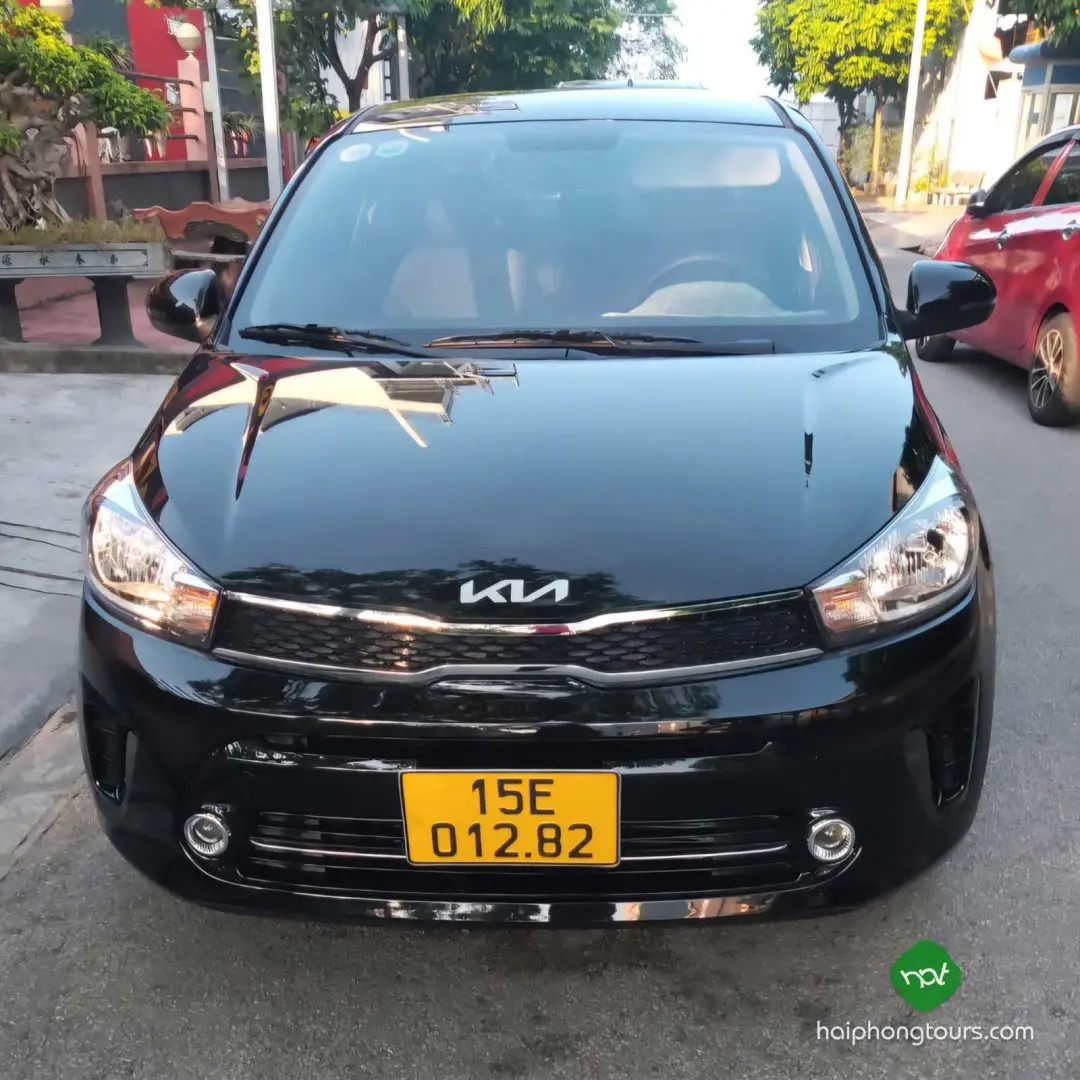
A car does not remove traffic risk. Leave central Hanoi early, and give the return journey a buffer during late-afternoon congestion.

Public bus
Public buses can make the trip cheaper, but routes, termini and connections change. Expect a staged journey toward Son Tay followed by local transport to the village rather than a seamless tourist shuttle. Check the live Hanoi bus information on the morning of travel and confirm the last practical return connection before entering the village.
This option suits travelers who have time, can use local transport information and do not mind a longer door-to-door journey. It is a poor choice for a short half-day plan.
Motorbike
A motorbike offers flexibility but adds exposure to fast urban traffic, dust, heat and rain. It is suitable only for properly licensed, insured and experienced riders. Wear a certified helmet, avoid riding after dark, and park only where directed at the village entrance or monuments.
What to eat in Duong Lam
The official village information highlights several foods associated with Duong Lam and the wider Son Tay area. Food is most useful when it becomes part of the visit rather than a shopping checklist.
- Che lam: a chewy sweet commonly made from glutinous rice flour, malt or syrup, ginger and peanuts. It is often served in small pieces with tea.
- Banh te: a savory rice-flour cake with filling, typically wrapped in leaves. Ingredients vary, so ask if you avoid pork, mushrooms or other components.
- Thit quay don: locally associated roast pork with a distinctive preparation. It is better arranged as part of a meal than assumed to be available at every house.
- Ga Mia: a local chicken tradition connected with the area. Ask how the dish is prepared and priced before ordering.
- Tuong: fermented soybean sauce used as a condiment and ingredient. Check packaging and luggage restrictions before buying it for a flight.
If lunch matters to your itinerary, arrange it before arrival or confirm it at the reception point in the morning. Family-house meals may require advance notice, and a household that receives visitors is not necessarily a walk-in restaurant all day. State allergies clearly and understand that a rural home kitchen may not be able to guarantee separation from every allergen.
Best time to visit Duong Lam
Duong Lam can be visited year-round. Weather affects comfort more than access, while festivals and family events can affect how individual monuments or houses receive visitors.
Spring
Spring can bring mild temperatures and active religious life, as well as damp air, drizzle and busier festival days. Sacred spaces may be crowded, and access can change during ceremonies. Build the day around the community’s use of the site rather than expecting every interior to stay continuously open.
Summer
Summer heat and humidity make midday walking harder. Arrive early, complete the longer outdoor circuit before lunch, carry water and use sun protection. Sudden heavy rain can reduce visibility and make stone, brick and earthen surfaces slippery.
Autumn
Autumn often provides comfortable conditions for walking and photography, though warm days and rain remain possible. Weekends can still be busy, so a weekday morning offers the best chance of moving quietly through the lanes.
Winter
Winter is cooler and often good for longer walks, but grey skies, dampness and short daylight can change the atmosphere. Carry a light layer and finish the outer circuit before late afternoon.
Duong Lam etiquette: how to visit a living village
Respect is practical here because tourism and domestic life occupy the same space. The following habits improve the visit for both travelers and residents:
- Ask before entering a courtyard, house or side room.
- Ask before photographing residents, children, worshippers or private altars.
- Keep doorways and lanes clear for local traffic.
- Do not climb walls, gates, wells, trees or architectural elements for a photograph.
- Dress modestly at communal houses, pagodas, temples and family worship spaces.
- Keep drones packed unless you have verified current permission and a legal place to operate.
- Agree on food, guiding, bicycle, cart or product prices before using the service.
- Carry your rubbish out if no suitable bin is available.
A resident declining a photograph or house visit does not need to justify the decision. Move on politely. The quality of a Duong Lam visit depends more on observation than access to every private interior.
Accessibility and family planning
The central area has relatively short distances, but it is not a fully accessible visitor complex. Expect uneven surfaces, narrow shared lanes, curbs, raised thresholds and steps at houses and religious buildings. Electric carts can shorten the distance between sites, yet they do not remove those barriers.
Travelers with limited mobility should prioritize Mong Phu Gate, the communal-house area and one pre-arranged house visit, then use a vehicle for selected outer sites. Confirm where a car or cart can stop and whether assistance is available before setting out.
Families should watch younger children near wells and moving motorbikes. A stroller with larger wheels handles uneven lanes better than a small urban stroller, but thresholds may still require lifting. Plan rest, shade and toilets before the child becomes tired rather than attempting the full loop at once.
A realistic full-day itinerary from Hanoi
- 07:30: leave central Hanoi before the day becomes hotter and traffic builds.
- 09:00–09:30: arrive near Mong Phu Gate, confirm admission and the day’s open sites.
- 09:30–11:30: walk Mong Phu Gate, the communal house, wells, laterite lanes and one or two old houses.
- 11:30–13:00: have a pre-arranged or locally confirmed lunch and try a regional specialty.
- 13:00–15:00: visit Mia Pagoda and complete a selected outer circuit to the Phung Hung and Ngo Quyen sites by bicycle or electric cart.
- 15:00–15:30: return the bicycle or finish the cart route, collect belongings and leave before late traffic.
- 17:00–18:00: reach central Hanoi, allowing for variable congestion.
Treat these times as planning ranges. House access, lunch preparation, ceremonies, weather and traffic can all move the schedule. If you start late, drop an outer stop instead of speeding through sacred sites or returning to Hanoi in the dark.
Cu Da as an alternative village outing
The Cu Da ancient village guide suits a different interest: river-facing lanes, mixed domestic architecture, glass noodles and fermented soybean sauce. Choose it for a more concentrated food-and-architecture visit southwest of Hanoi, with household access arranged in advance.
Son Tay Citadel for a focused architecture day
The Son Tay Citadel guide offers a companion visit to compare village laterite walls with a moat, defensive gates and restored ceremonial buildings. Allow a separate local transfer and around an hour or more at the citadel, while preserving time for any village-house appointment.
Should you combine Duong Lam with Ba Vi?
The two places are in the same broad western-Hanoi direction, but each can fill most of a day. A full Duong Lam heritage circuit plus Ba Vi’s upper summit area creates too much road and too little time at both destinations.
A combination works only when you choose a short Duong Lam central loop and one lower or easily reached stop in the Ba Vi area, using a private vehicle. It does not work well by public bus, with a late departure, or when you want to climb summit stairs in Ba Vi. Travelers primarily interested in village architecture should give Duong Lam the day; travelers seeking forest and mountain views should choose Ba Vi as the main destination.

Common planning mistakes
- Assuming Duong Lam is one building: the village makes sense only when you connect its gate, communal space, lanes, houses and religious sites.
- Walking every outer stop in midday heat: save energy with a bicycle or electric cart and complete outdoor distances earlier.
- Using an old ticket price as a fixed fact: confirm current admission and included sites at the official entry point.
- Entering every open gate: an apparently accessible courtyard may still be a private home.
- Arriving without a lunch plan: household meals and specialties may need notice.
- Combining too much: Duong Lam, Son Tay and Ba Vi cannot all be explored properly in one rushed day.
- Leaving no return buffer: western Hanoi traffic can make the journey back longer than the morning drive.
Frequently asked questions
Is Duong Lam inside Hanoi?
Yes. Duong Lam is in Son Tay within the wider Hanoi municipality, although it feels very different from the central districts. It is roughly 40–44 km from central Hanoi.
Can I visit Duong Lam without a guide?
Yes. The central village is manageable independently if you obtain a current map or route explanation at the entrance. A knowledgeable guide adds value when you want architectural, religious and historical context, or help communicating at family houses.
Can I visit Duong Lam in half a day?
Yes, if “half a day” means two to three hours inside the central village plus the road journey. You will need to omit most outer sites. From central Hanoi, the transport time makes a full-day schedule more comfortable.
Do I need to book an old-house visit?
Not every visit requires a reservation, but access depends on the household. Arrange ahead when a particular house, hosted meal or activity is important to you. Otherwise, confirm currently welcoming houses at the village reception point.
Is Duong Lam suitable in the rain?
Light rain does not prevent a visit, but it can make lanes, steps and courtyards slippery. Heavy rain reduces the value of the outer circuit. Use footwear with grip, carry a compact rain layer and shorten the route if conditions deteriorate.
Is Duong Lam suitable for vegetarians?
A vegetarian meal may be possible with advance arrangement, especially through a host or restaurant that understands the request. Explain whether you avoid fish sauce, meat stock, eggs or dairy. Do not assume that a vegetable dish is prepared without animal-based seasoning.
What should I wear?
Choose light walking clothes, covered shoulders and knees for religious sites, and shoes with grip. Add sun protection in warm months and a light layer in cool or damp weather.
How to decide
Choose Duong Lam when you want a calm, observation-led day focused on northern village form, domestic architecture, local food and historical memory. Set aside four to six hours in the village, arrive in the morning, walk the central cluster and use wheels selectively for the outer sites.
The trip is less rewarding when treated as a rapid photo stop. Confirm the day’s admission and open sites at Mong Phu, respect private homes, arrange lunch if it matters, and allow enough return time for Hanoi traffic. That simple plan turns a scattered group of monuments into a coherent view of a living Red River Delta village.
Would you like help fitting this experience into your trip? Contact us with your travel dates, starting point, available time and group size. Tell us about walking limits or special interests so we can suggest a practical itinerary.