
To budget for a road trip in northern Vietnam, add four main costs: transport, accommodation, food and activities. Calculate the whole route first, then divide shared costs by the number of travelers. A private vehicle is usually priced for the journey, a room for the night and an attraction ticket for each visitor, so a single daily figure can hide substantial differences.

Start with your overnight stops and the journeys between them. A Hanoi–Ninh Binh trip with two nights in one place has a different cost structure from a mountain route with a driver staying overnight, or a Cat Ba journey involving an island crossing. Compare quotes for the same dates, passenger count, luggage and itinerary.
1. Transport: price the full journey
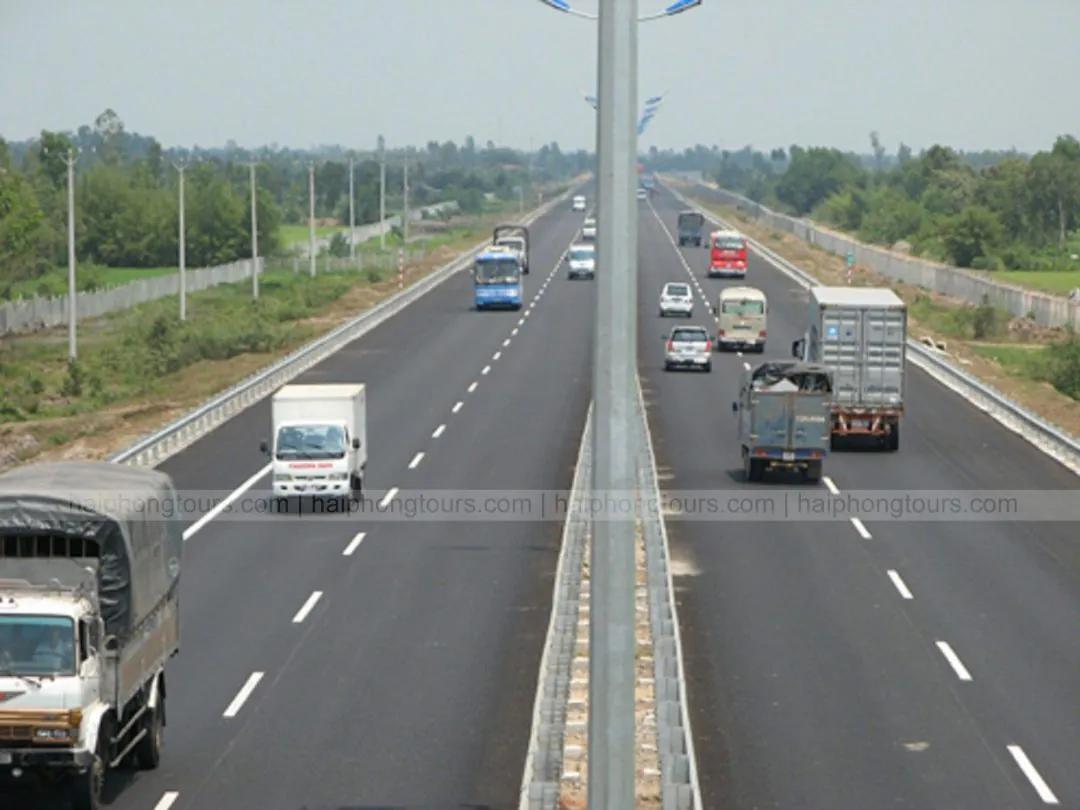
Private transfers and a car with a driver
A one-way transfer takes you between agreed pickup and drop-off points. It does not automatically include a day of sightseeing, a driver waiting while you visit attractions or the return journey. For a trip with several stops, ask whether separate transfers or a vehicle retained for the full itinerary better fits the plan.
For example, the Hanoi to Ninh Binh transfer lists private vehicles with fuel, tolls, the driver and parking included. Pickup outside the standard Hanoi area can involve a surcharge. Choose the vehicle for both people and bags, and confirm the exact accommodation addresses before accepting the total.
For any multi-day driver quote, check:
- The departure date, daily route and final drop-off, including any airport or cruise-terminal connection.
- How much driving and waiting the price covers, and how extra time or additional stops are charged.
- Whether fuel, expressway tolls, parking and any ferry crossing are included.
- Whether the driver’s accommodation and meals are included when the driver stays overnight.
- Passenger and luggage space, plus any child-seat requirements.
- The payment schedule, cancellation terms and handling of a route change.
If you are still choosing your stops, compare the available routes in the northern Vietnam transfer directory. Price the direction you will actually travel. Returning to Hanoi between every destination can add distance and another transfer when a direct connection fits your route.
Shared buses and rail connections
For a shared service, multiply the fare by the number of seats or berths you need, then add travel to and from the stops. Check the luggage allowance and whether the service reaches your actual hotel. A low station-to-station fare may leave a separate taxi journey at each end.
For Sapa, a train journey ends at Lao Cai and needs an onward road transfer to Sapa or your valley accommodation. Include that connection when comparing rail with a direct bus or private car. If an overnight service arrives before hotel check-in, ask about luggage storage and the price of early room access instead of assuming the hotel night has been fully saved.
Self-drive expenses
If you plan to drive yourself, confirm that your license, vehicle category and insurance are valid for the journey before paying a rental deposit. Check the rental agreement for mileage limits, fuel policy, damage liability and roadside assistance. A vehicle being available to rent does not establish that you are legally entitled or insured to drive it.
Keep a refundable deposit separate from the trip’s expected spending, while allowing for the cash or card balance it ties up. For fuel, estimate route distance × expected liters per 100 km ÷ 100 × the current price per liter. Use the vehicle supplier’s consumption guidance and allow for the actual route; do not add fuel again when it is already included in a driver service.
2. Accommodation: count rooms and nights
List each overnight stop and compare rooms for your actual dates. Check whether the displayed price covers the whole room or one bed, how many people it allows, and whether taxes, breakfast and extra beds are included. Hotel star ratings do not provide a reliable fixed price ladder.
Location affects the rest of the budget. A remote lodge may require a paid transfer for dinner or sightseeing, while a room near the places you plan to visit may reduce local transport costs. For a driving holiday, also confirm parking access and charges.
Keep the cancellation conditions beside each room total. On a route that depends on mountain roads, ferries or a cruise departure, a flexible booking can be useful even when the initial room rate is higher. Ask about holiday supplements and minimum stays for the dates you are booking.
3. Food: count the meals you still need to buy
Start with meals already covered by the hotel, tour or cruise. Then budget for the remaining breakfasts, lunches and dinners, plus drinking water, coffee and snacks for travel days. This avoids paying for a package with meals and also counting a full separate daily food allowance.
For shared restaurant dishes, work out how much the group needs rather than assigning one dish to every person. Check portion sizes and price units before ordering seafood or other items sold by weight. A quoted price per kilogram is not the cost of an individual portion.
If you will stay outside a town, ask what evening meals are available at the accommodation and whether you need to order ahead. A cheap room loses some of its saving if every meal requires a separate vehicle.
4. Activities: check what the ticket includes
Make a short list of the experiences you actually want, then price each one. In Ninh Binh, budget for your chosen boat trip and any separately charged attraction or local transfer. For a bay cruise, compare the same duration and cabin or seating category, with attention to port transfers, meals, entrance fees and paid extras.
Check child pricing separately: operators may use age, height, bed-sharing or seat requirements. Never apply a discount from one attraction to another without checking its rules.
A group tour can combine transport, admission and a meal, while a private arrangement offers more control over stops and timing. Compare the actual inclusions and pace instead of assuming that a lower group price means lower service quality.
Turn the quotes into a usable budget
For a two-night Ninh Binh stay starting in Hanoi, your budget needs the outward transfer, two nights of accommodation, local sightseeing transport, meals and tickets, then the next journey. If you continue elsewhere, use that onward fare rather than automatically adding a return to Hanoi.
Keep three totals:
- Shared costs: the vehicle, rooms and any private guide or shared meal charges. Divide only the costs that your group has agreed to share.
- Individual costs: each person’s tickets, seat fares, meals and chosen extras. Children or travelers doing different activities may have different totals.
- Money still needed: the unpaid balance, local spending and a reserve. Subtract deposits already paid without removing them from the total trip cost.
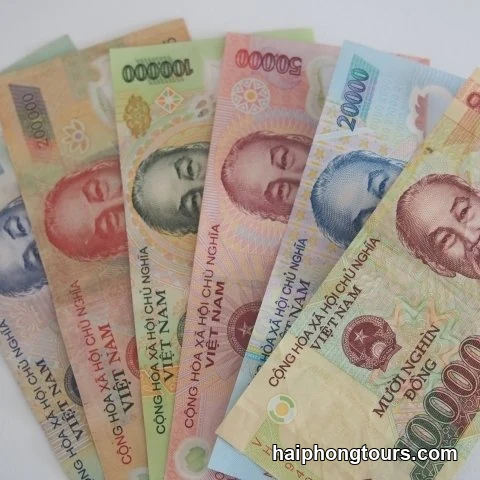
Keep original quotes in their stated currency and convert them consistently when comparing. Allow for your own bank’s payment or withdrawal charges. Carry some Vietnamese dong for small purchases and confirm payment options before leaving for remote accommodation.
Set the reserve around a plausible disruption: an extra room night, meals and a replacement transfer. Heavy rain can interrupt northern road travel, and a Cat Ba route may also depend on the crossing arrangements. Confirm who pays for changes rather than assuming every missed connection is refundable.
The most useful saving is often a simpler route: fewer hotel changes, sensible direct transfers and time to explore each base. Finalize those choices before comparing room upgrades or adding another activity.
Would you like help fitting this experience into your trip? Contact us with your travel dates, starting point, available time and group size. Tell us about walking limits or special interests so we can suggest a practical itinerary.