
If illness makes you unable to continue a Vietnam train journey, tell the carriage attendant or train manager immediately. The current rail transport rule requires the train manager to organize first aid and, when you must leave at an intermediate station, confirm either onward travel on another train or a refund for the unused part of the ticket.
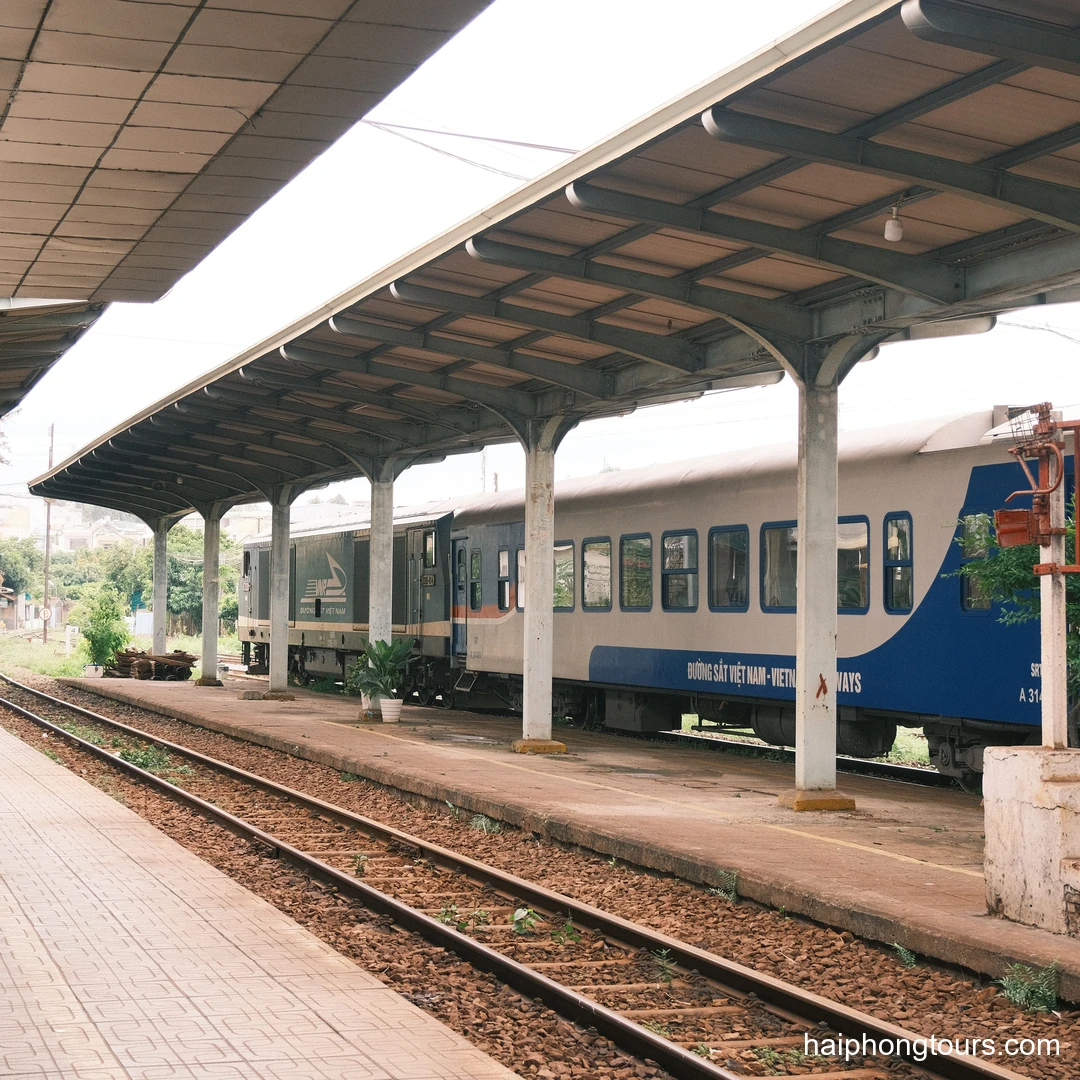
This process applies when sickness on the train prevents the passenger from continuing and forces an intermediate stop. It is not a general promise that any discomfort produces a refund. Your health comes first: ask staff for urgent help rather than staying on board only to protect the fare.
What to do first
- Tell railway staff what symptoms are occurring and whether the passenger can walk.
- Show the ticket and identification so staff can record the journey.
- Keep essential medicine and medical information with the passenger.
- Ask which station is suitable for stopping and what assistance can meet the train.
- Before leaving, request the train manager’s confirmation of the illness-related stop and the unused journey.
Do not move an unconscious, severely injured or rapidly deteriorating passenger without staff or medical direction unless immediate danger makes it necessary. A travel article cannot assess symptoms; ask railway staff to arrange emergency help.
What the train manager must arrange
The rule gives the train manager two specific responsibilities in this situation. First, the manager organizes first aid. Second, if the passenger must leave at an intermediate station, the manager confirms the basis for continuing on another train or receiving the fare for the untraveled section.
The refund is calculated from the nearest previous station where the train stops to receive passengers to the destination printed on the ticket. That wording matters: the calculation may not begin at the exact kilometer where symptoms started or at every small operational stop.
Choose between onward rail travel and ending the journey
Continuing later can work when the passenger has been assessed, can travel safely and still wants to reach the original destination. Ask what train is available, whether it stops at the destination and how the original seat or berth class will be handled. Do not assume the next train has space.
Ending the rail journey is usually more sensible when the passenger needs medical care, rest or a different route. Ask staff how to document the unused section and where the refund process is completed. Keep the original ticket, confirmation and any receipt.
Plan the intermediate-station handover
An unscheduled stop creates immediate practical questions:
- Who will meet the passenger on the platform?
- Can the station arrange a safe exit or medical transfer?
- Is a companion leaving the train too, and what happens to that companion’s ticket?
- Who has the luggage, passport, phone, medicine and insurance details?
- Where will the passenger stay if same-day onward travel is unsafe?
Ask staff to identify the actual station before contacting a driver or accommodation. A province name is not enough, and a small station may have limited late-night transport.
If a companion leaves the train
The illness rule describes the affected passenger. Do not assume a companion automatically receives the same ticket treatment. Ask railway staff to record both travelers’ decisions and explain whether the companion needs a separate change, refund or new ticket.
For a child, traveler with limited mobility or anyone unable to manage alone, keeping a responsible companion may be necessary even when the companion’s fare is handled differently. Health and safe supervision should guide the decision.
Keep the claim separate from travel insurance
The railway confirmation deals with the rail journey. Medical treatment, an extra hotel, a replacement road transfer or a missed independent booking may fall under travel insurance or the other supplier’s terms. Save the medical record, receipts, railway confirmation and evidence of the changed itinerary.
Contact the insurer as soon as practical, especially before arranging expensive non-emergency transport or accommodation. Do not delay urgent care while waiting for insurance authorization.
Prepare before an overnight train
- Keep prescribed medicine in the day bag, not checked luggage.
- Carry a short medication and allergy list that a companion can access.
- Save the ticket, seller, insurer and accommodation contacts offline.
- Bring water and food appropriate for known needs, subject to personal medical advice.
- Choose a berth and arrival plan that the passenger can manage.
Hai Phong Tours recommends leaving a demanding trek, self-drive or fixed boat departure out of the first hours after an overnight train when a traveler already has a health concern. A flexible arrival gives the group time to respond without turning a minor problem into a missed chain of bookings.

Before leaving the train
Confirm the station, collect every bag and ask for the train manager’s written record. Clarify whether the passenger will continue later or end the rail journey, and note where the next ticket or refund step takes place. The safe decision is the one that gets appropriate help first and preserves enough documentation to resolve the unused travel afterward.
Would a private transfer make this journey easier? Contact us with your travel date, exact pickup and drop-off, number of travelers and bags. Include any flight, train or cruise deadline so we can assess a suitable plan and quotation.
