
Hanoi’s two main Giong temple destinations offer different visits. Choose Phu Dong for a village temple, carved architecture and the landscape associated with the hero’s birth. Choose Soc Temple in Soc Son for a broader group of shrines in a wooded hill setting, associated with the end of his earthly story. For most travelers, one well-understood site makes a better half-day than rushing between both.
Their Giong festivals also take place in different lunar months. A normal temple visit does not include a festival performance, and the hillside extensions at Soc Son need a separate access check because parts of the cultural-tourism area have suffered slope instability and landslides. Confirm the intended route before setting out, especially after heavy rain.
Phu Dong or Soc Son: choose by the experience
- Phu Dong Temple: a village setting beside the Duong River dyke, suitable for studying traditional architecture and the Giong birth legend.
- Soc Temple: several shrines, pagodas and optional higher viewpoints, suitable for a longer cultural outing when the walking routes are open.
- Phu Dong festival: the main annual celebration runs through the seventh to ninth days of the fourth lunar month.
- Soc Temple festival: the main annual celebration falls on the sixth to eighth days of the first lunar month.
- A quiet visit: choose an ordinary weekday rather than a major ritual day, and allow for worship continuing around you.
Both destinations are within Hanoi’s wider administrative area, but neither is an Old Quarter walk. Phu Dong is northeast of the central city in Phu Dong commune. The hill complex is in Soc Son commune, north of central Hanoi; older descriptions call its location Phu Linh.
Use the full destination name when arranging transport: Đền Phù Đổng or Khu di tích Đền Sóc, Sóc Sơn. Another Den Soc stands in Xuan Dinh, so “Soc Temple” alone is an ambiguous map or taxi request.
The story that connects the two places
Thanh Giong is a legendary child hero who grows into a powerful defender of the country. His story includes an iron horse, weapons and bamboo, followed by an ascent to heaven after victory. Phu Dong is linked with his birth; the Soc Son landscape is linked with his departure from the earthly world.
Understanding those associations helps you read the objects and rituals: horses are part of the hero’s story, bamboo has a specific symbolic role, and the festivals express community memory through processions and carefully learned performances. These are traditions of belief, not a dated military campaign reconstructed from archaeological evidence.
The Giong festival of Phu Dong and Soc temples was inscribed on UNESCO’s Representative List of the Intangible Cultural Heritage of Humanity in 2010. That recognition concerns the living festival traditions. It is not a World Heritage designation for the temple buildings themselves.
Visiting Phu Dong Temple
The principal temple is also called Den Thuong, or the Upper Temple. Its village setting and relationship with the Duong River dyke make it feel different from a hilltop shrine. Begin with the pond and waterside pavilion before moving through the entrance into the temple courtyards.
Look for the carved stone dragons, guardian figures, timber halls and layered roof forms. The eight-roof pavilion is an especially useful place to slow down and study the roof structure. The temple contains work from several historical periods, so treating the whole complex as one unchanged thousand-year-old building misses what is visible.
The water pavilion is connected with festival water puppetry. Seeing the pavilion does not mean a show will take place during your visit. If a performance is important, arrange an actual program rather than arriving with an expectation based on a photograph.
Add the Mother Temple with enough time
Phu Dong’s Lower Temple, also called Den Mau, honors Giong’s mother and lies outside the dyke. It adds another part of the story rather than another view of the same building. Ask for the appropriate village route and current access before extending your walk.
For an ordinary visit, budget about 60–90 minutes at the main temple. Allow roughly two hours if you want a slower explanation and a visit to the Mother Temple. These are suggested sightseeing allowances; a ceremony, closed room or extended conversation can change the pace.
Keep the outing focused on the temple and the surrounding public village streets. Nearby plant-growing areas or private gardens are separate places with their own access arrangements. A rural location does not make every courtyard or growing plot open to visitors.
Visiting Soc Temple in Soc Son
At Soc Son, think in terms of a complex rather than a single temple entrance. The lower cultural route includes the ceremonial gate, Den Trinh, the Mother Temple and the Upper Temple, with Dai Bi Pagoda also part of the heritage group. The Upper Temple backs toward Ve Linh mountain, with water in front of it.
Den Trinh is also known as Den Ha, or the Lower Temple. It is associated with the local guardian spirit and the place where Giong stopped. This is different from Phu Dong’s Lower Temple, which honors his mother: the labels “upper” and “lower” alone do not identify what a particular building is for.
Spend time with the timber carving and tiled roofs rather than moving immediately toward the large hilltop monument. In the Upper Temple, carved dragons, clouds and foliage are part of the architectural detail. The lower shrines can provide a worthwhile cultural visit without turning the day into a climb.
Keep the higher stops optional
Non Nuoc Pagoda and the large Thanh Giong monument belong to the wider Soc Son itinerary. Their inclusion adds movement beyond the principal lower shrines. Ask the site staff which route is open, how much walking remains from the available vehicle drop-off and whether the conditions suit your group.
Landslide-affected slopes within the cultural-tourism area require particular care. Follow barriers and staff directions; do not treat a route shown in an old video as proof that it is open today. After prolonged rain, keep the plan to the areas explicitly cleared for visitors or choose Phu Dong on another suitable day.
Reserve around 90 minutes to two hours for a measured visit to the accessible lower complex. A visit including higher stops needs more time and an agreed return arrangement. Avoid promising a fixed summit walking time before you know the open route and vehicle access.
Seeing the festivals rather than just the temples
Phu Dong: the fourth lunar month
Phu Dong’s festival is known for its symbolic battle traditions, with flag movements, drums, gongs and community members trained for specific roles. It is much more than a procession passing the temple gate. To understand what you are watching, use a guide who can explain the roles and the sequence.
The main seventh-to-ninth-day celebration is the starting point for planning, with the ninth especially significant in the festival tradition. Obtain the year’s actual daily program and viewing arrangements before booking around a particular ritual. Lunar dates move against the Gregorian calendar.
Soc Temple: the first lunar month
The Soc festival comes shortly after Tet, on the sixth to eighth days of the first lunar month. Bamboo-flower offerings and the bathing ritual associated with Giong’s statue are distinctive elements. Processions, games and community celebrations can make the visit very different from an ordinary quiet temple morning.
Arrive with a plan for your meeting point and return pickup outside the busiest crowd flow. Follow the organizers’ viewing areas and do not enter a procession to obtain a closer photograph. A visitor does not need to compete for an offering or participate in a ritual to appreciate the event.
Evening cultural programs at Soc Temple are separate from normal daytime visiting. Book a confirmed dated program if one interests you; do not arrive after dark assuming a nightly show, a fixed English presentation or transport home will be available.
Getting there from Hanoi and deciding what to combine
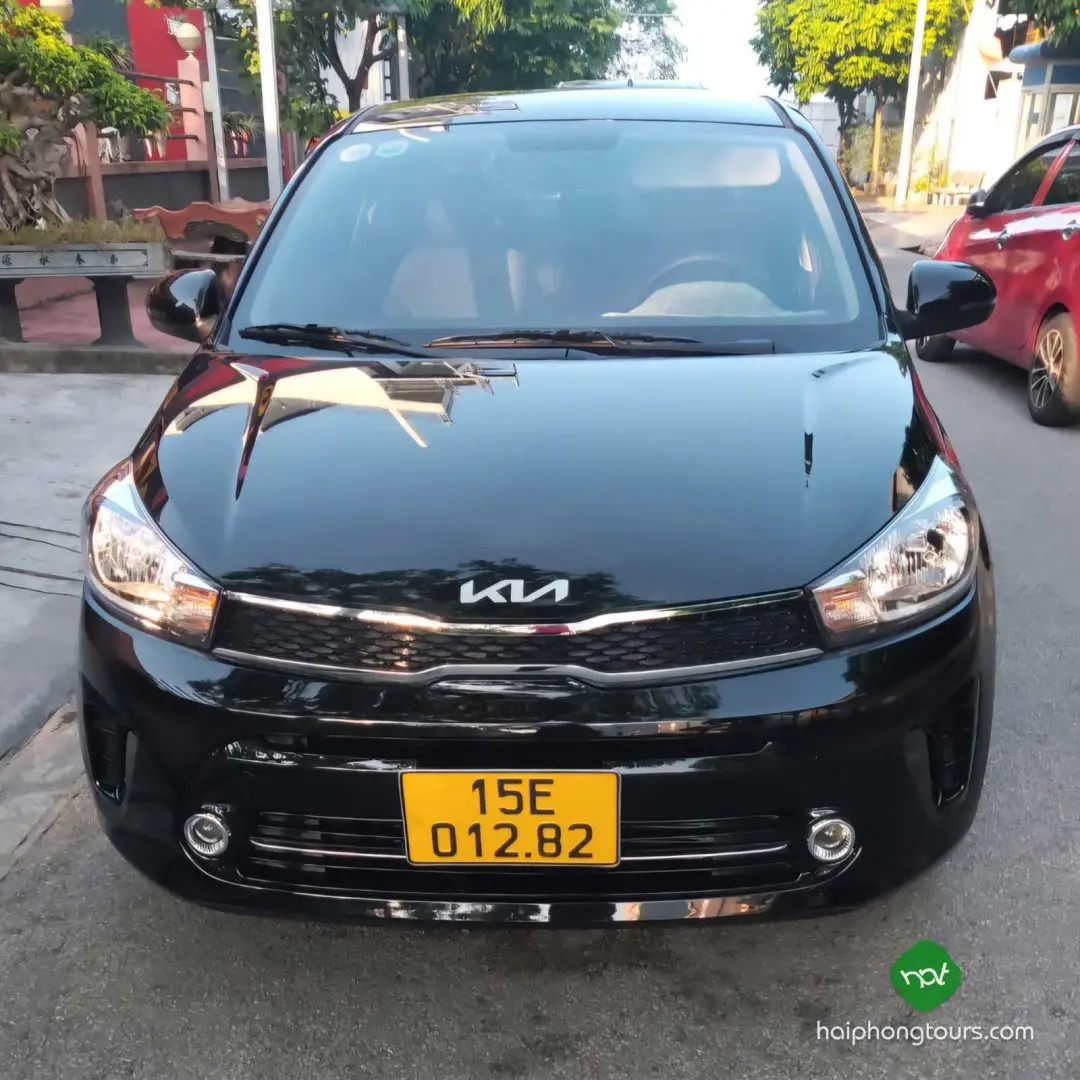
A return car arrangement is straightforward for either site, especially when you want an explanation in English or travel with someone who needs a shorter walking route. Send the exact temple pin, agree on waiting time and state whether the Soc Son plan includes only the lower shrines or the wider hill area.
Check the whole door-to-door journey from your hotel. Public transport requires attention to the final stop and the remaining local connection; a service heading toward Soc Son does not necessarily deliver you to the temple gate. Avoid a tight itinerary built around an unconfirmed final bus or spontaneous return pickup.
Visiting both Giong destinations can work as a dedicated heritage day, but the road journey between them replaces time at each site. For most first visits, choose one. If your interest is ancient northern traditions more broadly, compare it with a separate Co Loa Citadel half-day rather than assuming all three belong in one morning.
Soc Son’s position north of Hanoi does not automatically make it suitable for an airport layover. Terminal formalities, luggage, road time, the open site route and your required airport return all need to fit. For a first visit, a normal sightseeing day is easier to judge than a short gap between flights.
Practical details that improve the visit
Wear shoes with grip for stone surfaces and any slopes, and use clothing suitable for a place of worship. Stay out of restricted sanctuary areas, ask before close photographs of worshippers and use incense only in designated places. The northern Vietnam religious-site etiquette guide explains the broader customs.
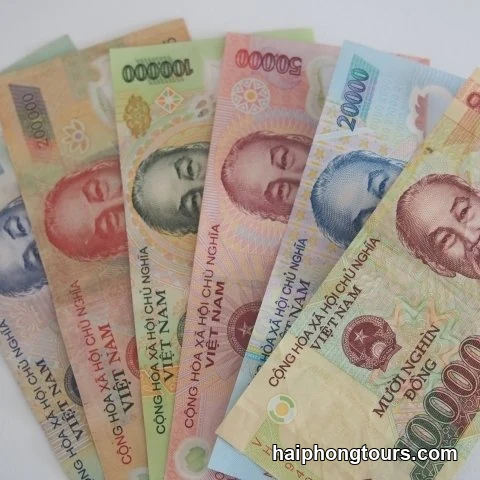
Check opening access and any applicable entry, parking or local-transport charges for your date. A free-parking arrangement at a particular festival does not establish a permanent rule. Carry small cash for incidental costs and keep offerings voluntary.
For children or travelers with limited mobility, Phu Dong’s village-temple focus may be easier to plan than a complete Soc Son hill circuit, though thresholds and steps still need checking. At Soc Son, agree on a shorter route from the start instead of discovering halfway through that the monument requires more walking than your group wants.
Choose Phu Dong for the birth-place tradition and close study of temple architecture. Choose Soc Son for a wider shrine landscape with optional hill stops. Match the visit to the correct festival month if ceremonies are your priority, and let current access determine how far you go.
Useful guides for your trip
Would you like help fitting this experience into your trip? Contact us with your travel dates, starting point, available time and group size. Tell us about walking limits or special interests so we can suggest a practical itinerary.