
If a night bus brings you to Ha Giang before dawn, sleep first when you did not rest properly. Do not begin a self-drive mountain route simply because the package says the Loop starts that morning. Poor sleep, a new motorcycle, darkness and unfamiliar roads are a weak combination.
A same-morning start can work for a well-rested passenger or car traveler after breakfast and a proper briefing, but it should remain flexible. For a self-driver, arriving the previous day and sleeping in Ha Giang is the stronger plan. The extra night protects the first road day rather than wasting time.
Quick decision
- You slept poorly: use a confirmed bed, then start later or the next morning.
- You will self-drive: sleep in Ha Giang, inspect the motorcycle in daylight and begin rested.
- You are an easy-rider passenger: a same-morning start may work if you feel alert and can request breaks.
- You will use a private car: the easiest same-day option, although sleep and motion sickness still matter.
- The bus is late: shorten the first stage or change the overnight town; do not recover time by speed.
- Visibility is poor: delay departure or use a lower, shorter first day.
The complete Ha Giang Loop travel guide covers routes, documents and transport choices. This guide focuses on the hours between the night bus and the first mountain road.
Why bus arrival is not the same as a night’s rest
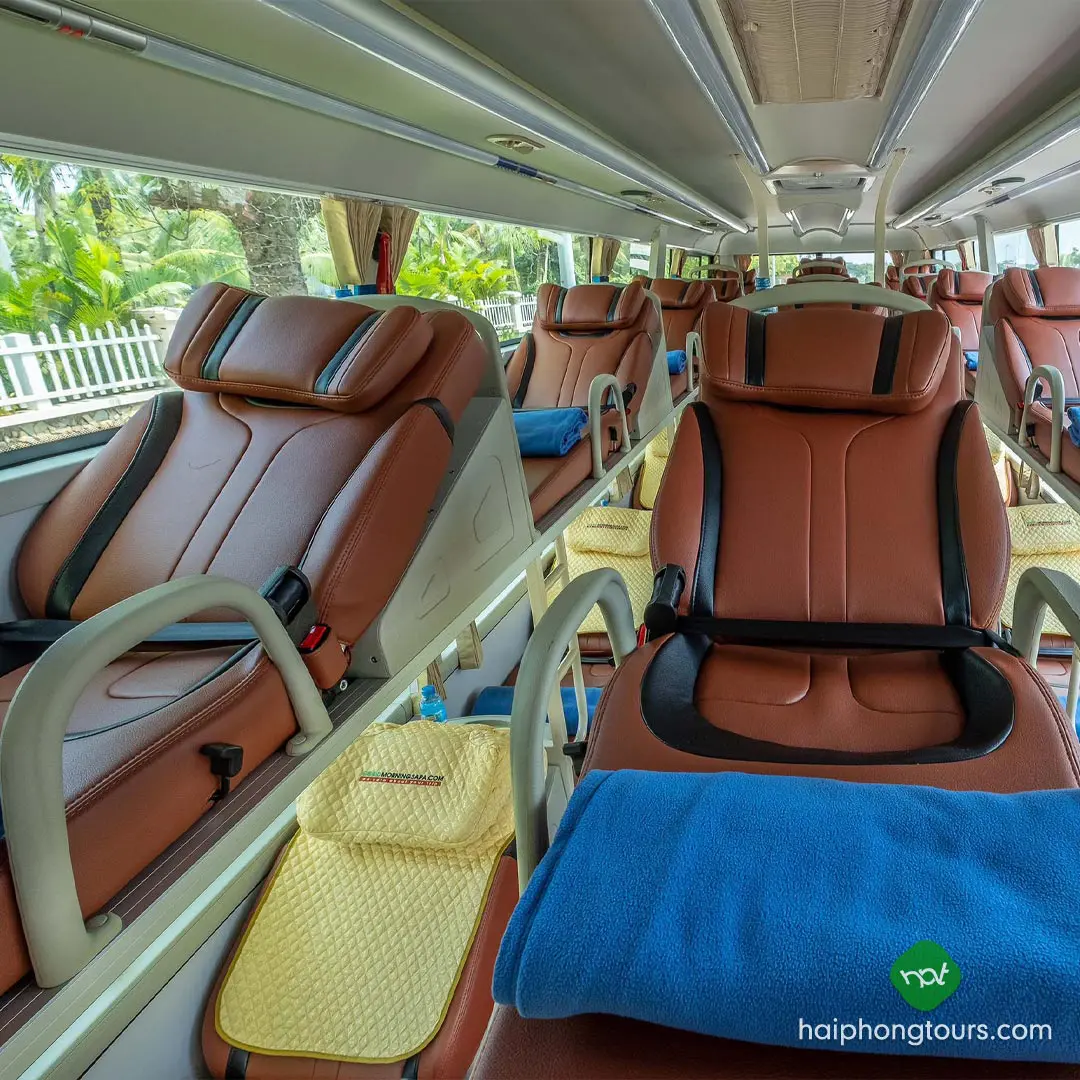
Night transport can save a hotel night on paper, but sleep quality varies with the bus layout, road movement, stops, temperature, noise and your height or sleeping habits. Arriving with your eyes closed for several hours does not prove that you are ready to control a motorcycle.
Fatigue can affect attention, reaction time and judgment. On the Loop, the first day also includes navigation, luggage, new controls, steep sections and group pressure. You may feel temporarily alert during the briefing, then become sleepy after the first long road block.
Judge the plan by how you function, not by whether you technically spent the night on a bus. If you are yawning repeatedly, struggling to focus, irritable, dizzy or unable to follow the briefing, stop and sleep.
The best schedule for self-drivers
- Travel to Ha Giang during the day or previous evening.
- Check into a proper room and sleep.
- Eat breakfast and review weather and road conditions.
- Inspect the motorcycle, helmet and luggage in full daylight.
- Test the controls at low speed in a suitable area.
- Leave with enough margin for an early first-night stop.
This schedule also gives you time to resolve licensing, insurance or vehicle problems before the group leaves. A missing document or unsuitable helmet is harder to fix after the road climbs away from the city.
If the extra hotel night does not fit, choose an easy rider or car. A shorter holiday is not a reason to use the first mountain stage as a fatigue test.
When a same-morning start can work
A same-morning departure is more reasonable when all of these conditions are true:
- You slept adequately and feel alert without forcing yourself awake.
- The bus arrived close to the expected time.
- You have access to a bed, shower or quiet rest area before the briefing.
- You can eat, hydrate and organize luggage calmly.
- You travel as a passenger with a verified rider or in a private car.
- The first overnight stop can change if departure is delayed.
- Weather and visibility support the route.
A self-driver who meets these conditions still needs the correct licence, recognized international driving permit, insurance and strong mountain experience. Feeling awake does not solve a legal or experience gap.
What to confirm before boarding the night bus
Do not wait until arrival to discover where you can rest. Ask the Ha Giang accommodation or loop operator:
- Where exactly does the bus drop me?
- Who will meet me if arrival is very early?
- Is a bed guaranteed, or only a lobby or shared waiting area?
- Is that bed private, dormitory-style or used for a limited time?
- Are a shower, towel and luggage storage available?
- What time is breakfast and the safety briefing?
- Can the loop departure move if the bus is late or I need sleep?
- Which overnight town will be used after a delayed start?
Get the address, map pin, contact number and arrival instruction in writing. Mobile reception or data may be unreliable exactly when you need to find the property.
Do not assume “free dorm” means full recovery
Some packages offer a short bed before departure. The arrangement can be useful, but the phrase does not explain privacy, noise, bedding, room sharing or how many hours are available. A bed entered before dawn and vacated for an early briefing may provide only a brief rest.
Ask whether you can book a full private room through the morning if needed. Paying for usable sleep can protect several later days. A traveler who begins exhausted may lose more time through discomfort, poor decisions or the need to stop mid-route.
Breakfast, hydration and motion sickness
Eat a light, familiar breakfast rather than leaving hungry or using only coffee. Bring water and drink before departure. A very heavy or spicy meal can be uncomfortable on repeated bends, while an empty stomach may also worsen nausea for some travelers.
Night buses and mountain roads create different motion. A traveler comfortable on the bus may still feel sick in a car or as a motorcycle passenger on tight curves. Sit where you can see forward, avoid reading on a phone and request fresh-air breaks early.
If you use motion-sickness medicine, ask a pharmacist or clinician about the correct product and timing before the trip. Some products cause drowsiness and are unsuitable before operating a vehicle.
Use daylight for the motorcycle check
A self-driver should not accept a motorcycle in darkness and assume it will be fine. In daylight, record existing damage and check brakes, tires, lights, horn, mirrors, steering, suspension, controls, chain and luggage attachment.
Wear the supplied helmet and secure the strap. Reject a cracked, badly damaged or loose helmet. Test the motorcycle at low speed in a suitable area before adding a demanding mountain section.
The Ha Giang Loop safety guide provides a complete pre-departure and daily inspection list.
A delayed start needs a different first day
The usual first-day target may be Yen Minh or Dong Van depending on a three- or four-day route. A late bus, long rest or equipment problem can make the original target unsuitable. Change one of these variables:
- remove optional viewpoints or a northern detour;
- stop overnight earlier;
- move a cultural visit to another day;
- change a four-day route’s sequence;
- abandon the first stage and leave the next morning.
Do not change the speed, following distance or daylight limit. Those are safety margins rather than flexible attractions.
Three-day trips are less forgiving
A three-day loop already combines more road into each day. Losing the first morning can affect the overnight town and every later section. If you arrive tired, either remove stops, convert to four days or use a shorter regional route.
Four days gives more room to keep the first stage moderate and still include Dong Van, Ma Pi Leng and a Du Gia route. Read the three-day versus four-day comparison before choosing the bus and package together.
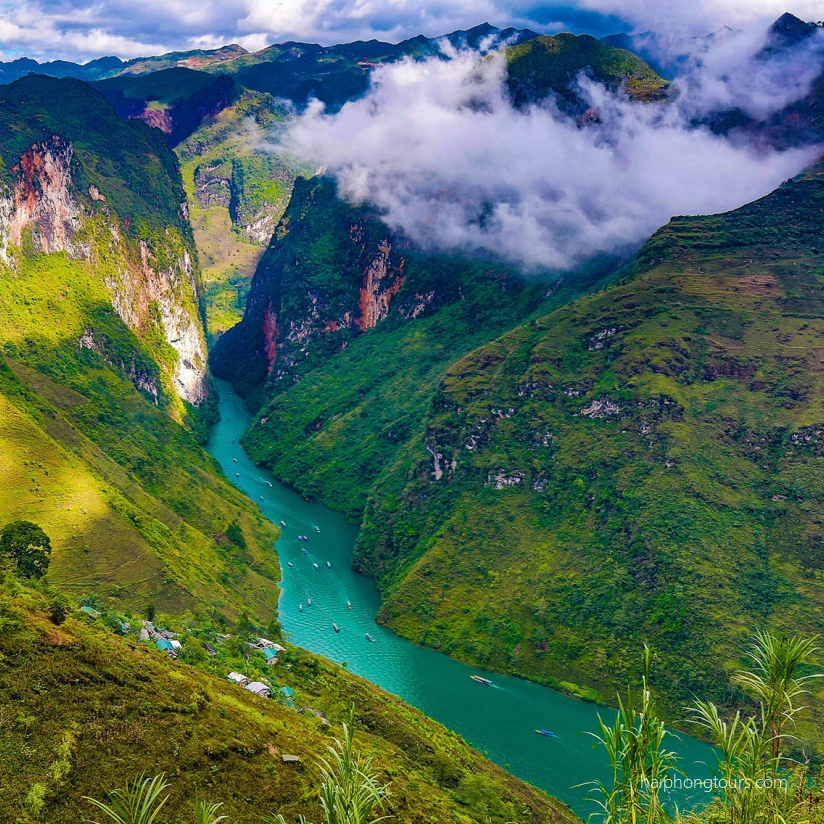
Self-drive, easy rider and car after a night bus
Self-drive
This mode has the highest demand on attention and judgment. Sleep first, verify the legal documents and insurance, inspect the motorcycle and leave in daylight. If you remain tired, do not ride.
Easy-rider passenger
You do not control the motorcycle, but fatigue can still worsen balance, nausea and pain during long sitting. Tell the rider you arrived by night bus, agree on a stop signal and use more breaks on the first day.
Private car
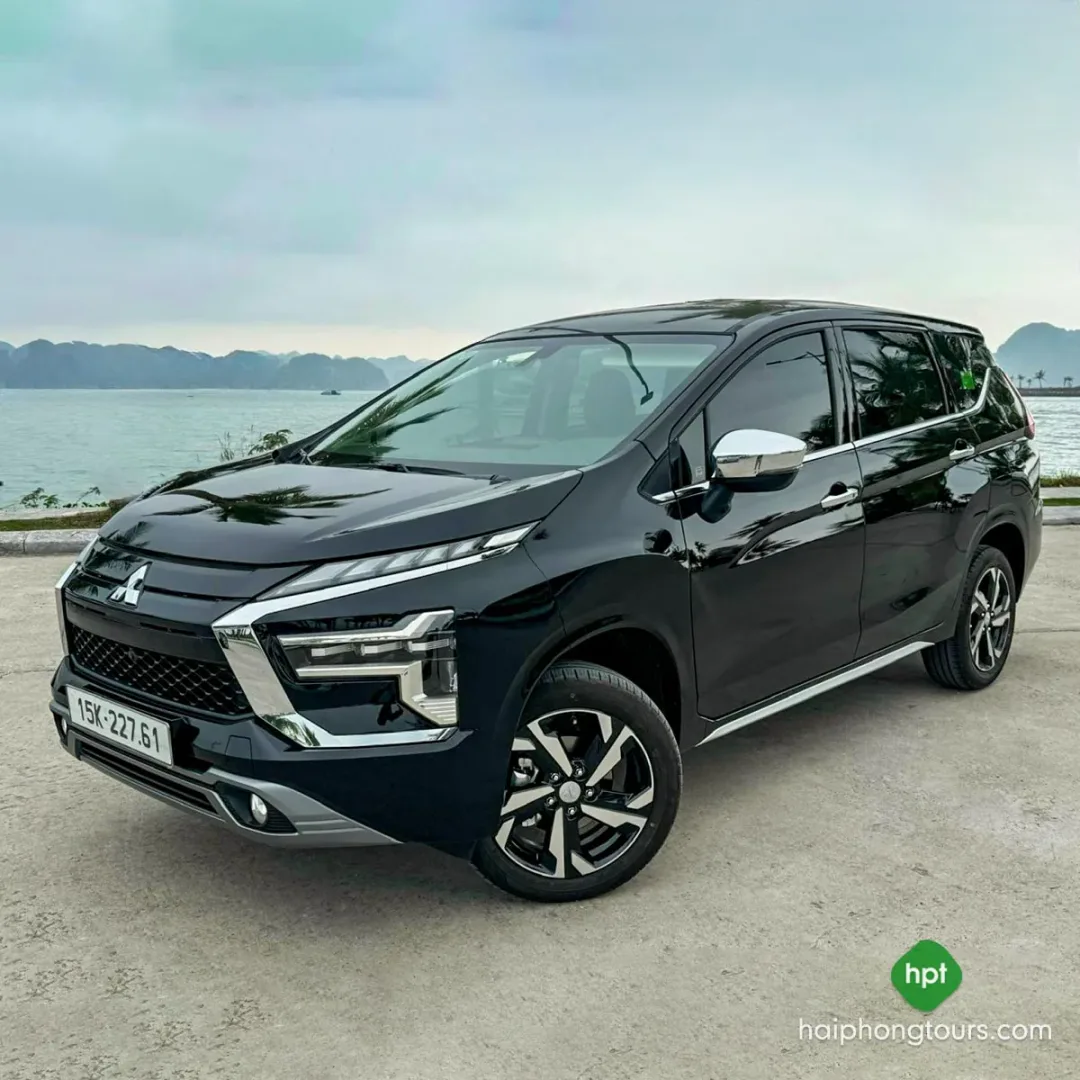
A car lets you rest between stops and protects you from rain and cold. Use the seat belt even when sleeping. Motion on mountain bends may interrupt rest, so a car should not be treated as a replacement for an entire missed night.
Sample arrival plans
Early arrival, poor sleep, four-day loop
Use the confirmed bed, sleep through the morning and reassess after food. Leave only for a shorter first stage if alertness, weather and daylight support it. Otherwise, stay in Ha Giang and begin the four-day route the next morning.
Early arrival, good sleep, easy-rider passenger
Shower, eat, meet the rider, inspect the helmet and sit on the loaded motorcycle before departure. Keep the first road blocks short and preserve the option to use an earlier overnight stop.
Late arrival, three-day loop
Do not attempt the full advertised first day. Ask for a reduced route, add a day or select a different Ha Giang experience. A late start cannot be repaired responsibly with faster riding.
Previous-day arrival, self-drive
This is the preferred plan. Sleep properly, check documents and weather, inspect the motorcycle in daylight and use the first stage to learn its handling without a schedule deficit.
Pack for the transition, not only the Loop
Keep these items accessible during the bus journey:
- passport and required driving documents;
- essential medicine and insurance details;
- water and a light snack;
- warm layer, eye mask and earplugs;
- phone, charging cable and power bank;
- the Ha Giang address and contact saved offline;
- toothbrush and a clean layer for the morning.
Do not place everything needed for the first hours in a bag stored under the bus if access is uncertain. At the property, move large luggage into secure storage and pack only a small waterproofed loop bag.
Legal and administrative tasks need time
Foreign guests may need to provide passport details for accommodation registration. A rental or tour briefing may also need the original driving documents, insurance information and a deposit process. Allow time to read rather than signing while a group waits.
Former Ha Giang Province merged with Tuyen Quang in 2025, so newer official addresses may differ from old travel content. Save the exact map pin and property name; do not depend on a former district label alone.
Warning signs on the morning of departure
- You cannot follow the safety briefing or repeatedly lose concentration.
- The operator dismisses your need for sleep.
- A self-driver’s licence or insurance question remains unresolved.
- The motorcycle and helmet cannot be inspected properly.
- The group has no plan for a late departure.
- The route depends on reaching a distant town after dark.
- The rider or driver uses alcohol before departure.
- Heavy rain, flooding, fog or a closure is treated as irrelevant.
Any one of these can justify stopping the departure. A deposit or non-refundable room does not make an unsafe road decision necessary.
Plan the return as carefully as the arrival
The Loop may return later than expected because of weather, road conditions, group pace or a vehicle issue. Allow time to return the motorcycle, review any damage record, collect luggage, shower, eat and reach the bus pickup point.
A same-night onward bus can be practical when its booking can tolerate a delay. A tightly timed flight or train from Hanoi on the same evening leaves much less room. Protect a high-value connection with a night in Ha Giang or Hanoi.
If Ninh Binh is next, the Ha Giang to Ninh Binh sleeper-bus guide explains early arrival, hotel access and why the first morning should not be overloaded.
Booking checklist
- Separate the bus nights from the number of loop days.
- Confirm the exact arrival and meeting place.
- Reserve a real bed or room when sleep quality is uncertain.
- Choose transport mode before paying for the bus-package combination.
- Keep the first overnight town flexible.
- Inspect the vehicle and equipment in daylight.
- Remove stops instead of increasing speed after a delay.
- Leave a buffer before the next flight, train or important booking.
Final recommendation
Arrive the previous day and sleep in Ha Giang if you plan to self-drive. For an easy-rider passenger or car traveler, a same-morning start can work after real rest, food, a proper briefing and an itinerary that can shorten.
The night bus is a transport tool, not a reason to ignore fatigue. Build the first day around your actual alertness and daylight, then let the loop begin when you are ready to experience it rather than merely keep up with it.
Would a private transfer make this journey easier? Contact us with your travel date, exact pickup and drop-off, number of travelers and bags. Include any flight, train or cruise deadline so we can assess a suitable plan and quotation.