
For a first taste of Hai Duong, start with fish noodle soup, then choose mung bean cakes or Ninh Giang banh gai to take away. Thanh Ha lychees are a seasonal choice, while Tu Ky’s ruoi dishes suit travelers curious about a distinctive local ingredient. You can enjoy a useful introduction without trying to visit every food-producing town in one day.
Hai Duong’s food traditions belong to the historic Xu Dong region, now within the expanded Hai Phong municipality. The familiar names Thanh Ha, Ninh Giang, Tu Ky, Ke Sat, and Gia Loc still help identify each specialty, but they represent different places rather than stops on a single compact walking route.
Choose by what you want to eat or carry
- A hot meal: banh da ca ro dong, the local fish noodle soup.
- A small packaged gift: banh dau xanh, or mung bean cake.
- A fresh, chewy snack: Ninh Giang banh gai or Gia Loc banh day.
- Something crisp with tea: Ke Sat’s rolled gac rice crackers.
- A Kinh Mon tea-time gift: banh long, a pressed sweet rice cake with peanuts and sesame.
- A seasonal purchase: Thanh Ha lychees, usually around May and June, with different harvests for early and main-season varieties.
- A more unusual cooked dish: cha ruoi, a fried ragworm patty associated with Tu Ky.
Hai Duong specialties to try
Banh dau xanh: mung bean cake
These small, sweet cakes have a fine, crumbly texture that breaks down quickly in your mouth. Try a plain version with unsweetened tea before choosing flavored assortments: it makes the mung bean flavor easier to appreciate.
Nguyen Huong and Rong Vang Minh Ngoc are two established names to look for. Minh Ngoc offers traditional cakes and variations such as lotus seed, coconut, and matcha. Compare the actual ingredients and pack size instead of treating every yellow box as the same product.
Where to buy: Nguyen Huong has a shop at 68 Tran Hung Dao, in the Hai Duong urban area. For packaged cakes from other makers, use a clearly identified retailer and check the manufacturer on the box. Confirm the shop’s current opening time if you are making a special detour.
Ninh Giang banh gai: dark, leaf-wrapped rice cake
Banh gai has a dark, chewy outer layer made with glutinous rice and processed gai leaves. Inside is a sweet filling commonly based on mung beans, with additions such as coconut, candied winter melon, sesame, or pork fat depending on the maker. The banana-leaf wrapping holds a soft steamed cake, so handle it differently from a dry biscuit.
Nga Toi is one producer to look for in Ninh Giang. Ask when the batch was made and how that particular cake should be stored for your journey. If you avoid pork, ask specifically about the filling; a sweet cake is not automatically vegetarian.
Thanh Ha lychees
Thanh Ha lychees are known for sweet, juicy flesh and relatively small seeds. Early varieties and the main thiều crop ripen at different times, so an orchard may have fruit in May while another is preparing for a June harvest. The timing and supply change with the weather.
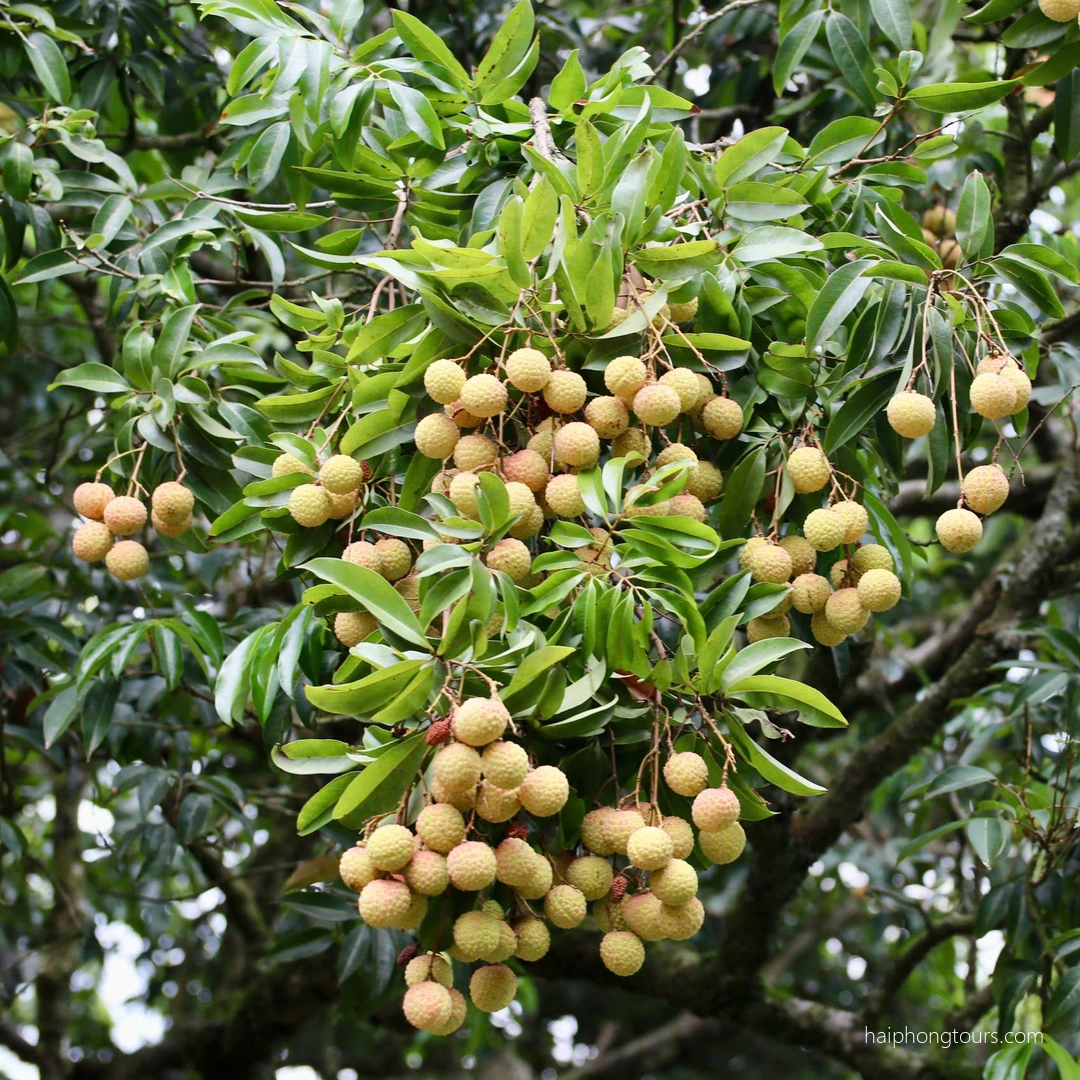
Buy a manageable quantity to eat during your trip and ask where the fruit was grown. If visiting an orchard is the main reason for going to Thanh Ha, arrange the visit with the grower and confirm fruit is ready to pick. A regional harvest season does not mean every garden welcomes walk-in visitors.
Banh da ca ro dong: fish noodle soup
This is a savory meal of rice noodles, freshwater fish, broth, and greens. The fish may include both fried pieces and seasoned, sautéed flesh, giving you a contrast between crisp edges and softer fish. Greens and accompaniments vary by kitchen and season.
Look for banh da ca ro dong on the sign or menu if you want the flat rice-noodle version; bun ca ro uses round rice vermicelli. It works well as the main food stop on a short visit. Check for small bones as you eat, especially when sharing with children.
Tu Ky ruoi dishes
Ruoi are small aquatic worms, commonly translated as ragworms or clamworms. In cha ruoi, they are mixed with ingredients such as egg, minced pork, herbs, and tangerine peel, then fried into patties. The citrus peel gives the rich mixture a distinctive aromatic edge.
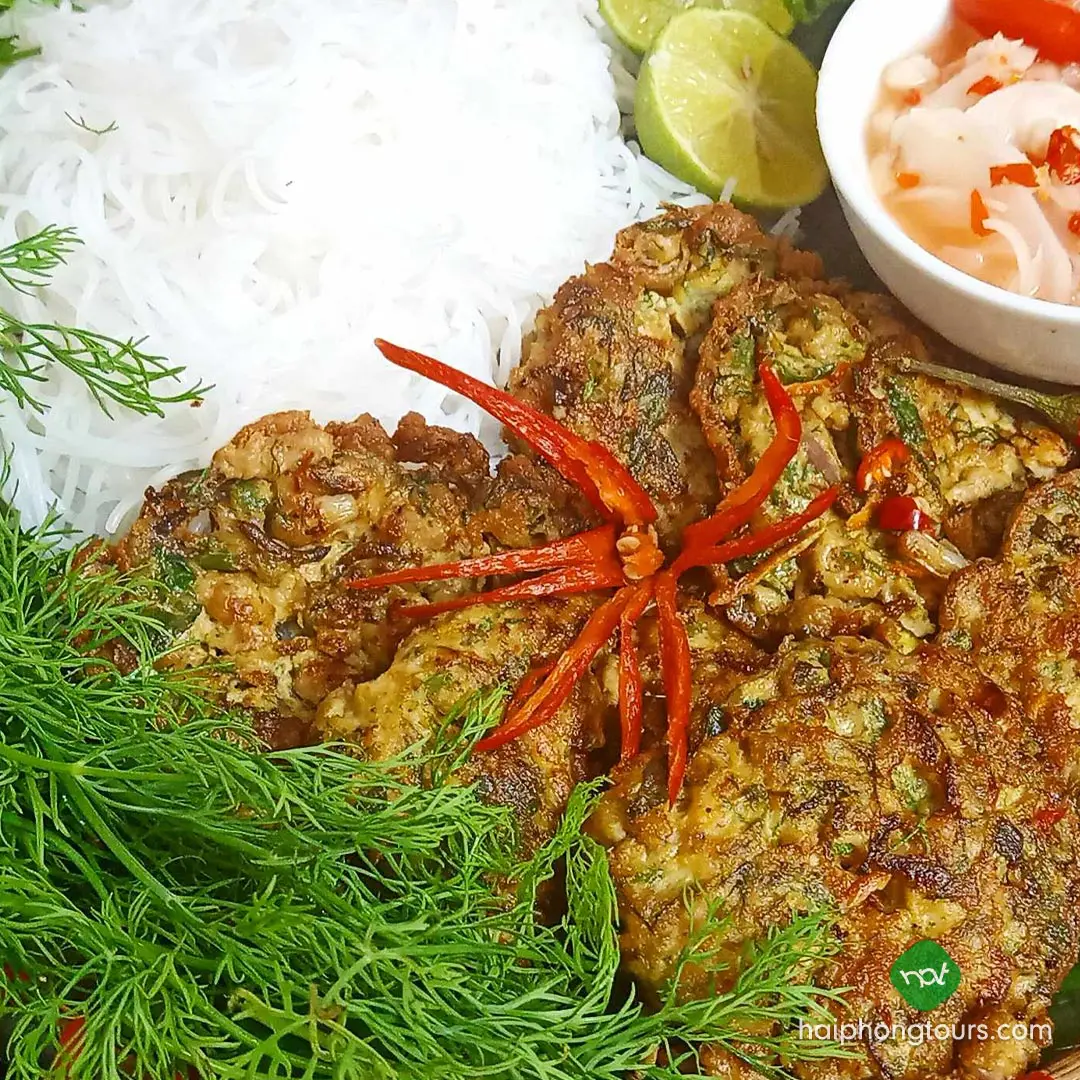
Tu Ky also has braised ruoi preparations, so ask which dish is available instead of assuming every ruoi menu means the same fried patty. Harvest periods fall around the fourth and fifth lunar months and, more prominently, the ninth to eleventh lunar months. These are not fixed Gregorian dates. Restaurants may use frozen stock outside the fresh harvest, so ask what is being served before making a special seasonal trip.
Order ruoi as a fully cooked dish and tell the restaurant about relevant food allergies or dietary restrictions. Egg and pork are common parts of the recipe, not just optional garnishes.
Where to try it: Tuấn Rươi has two useful dining locations for different itineraries:
- Hai Duong urban area: Nhà Hàng Tuấn Rươi, 60 Trương Hán Siêu, Hai Duong Ward, Hai Phong. Call. This is the former Hai Duong city area, not central Hai Phong.
- Vu Yen Island: Tuấn Rươi Tứ Kỳ on floor 4 of Vincom Mega Mall Royal Island. This location fits a Vu Yen mall or island visit; it is separate from the VinWonders theme park.
Hai Phong Tours recommends choosing the dining address before planning the drive. A Tu Ky specialty can be served outside Tu Ky, so you do not need to reach a harvesting field just to try the dish. A restaurant reservation does not include a farm visit.
Confirm that chả rươi is available for your meal, the portion size and current price, and the kitchen’s serving hours. If only one person wants a taste, ask for the smallest cooked portion before ordering a full shared meal. Show the name chả rươi when ordering; mắm rươi is a fermented condiment, not the fried patty.
To see where the ingredient comes from, arrange a hosted visit to the rice and ruoi fields at An Thanh. Confirm the person meeting you and the seasonal activity before booking transport; a field visit is a separate outing from a restaurant meal.
For a Hanoi tasting stop, use the chả rươi guide.
Ke Sat banh da gac: rolled gac rice crackers
These sweet rice crackers take their orange-red color from gac fruit. They are dried, toasted, and rolled, with ingredients that can include sesame, peanuts, coconut, and ginger. Their crisp texture makes them a different kind of gift from the soft cakes of Ninh Giang or Gia Loc.
For a named producer, look for Ngọc Khánh on the packaging. The craft continues in Trung and Thuong hamlets of Ke Sat commune, in western Hai Phong. Do not confuse these sweet, ready-to-eat crackers with the flat rice noodles used in banh da cua. Buy a pack to try before committing to several gift boxes; a production village is not automatically an organized visitor workshop.
Ask whether the pack is ready to eat, check for nut ingredients, and keep it protected from moisture and crushing. A rigid box is more practical than putting a loose bundle underneath your luggage.
Kinh Mon banh long: a sweet rice-and-peanut cake
Bánh lòng is a compact sweet cake associated with Kinh Mon, especially around Tet. Puffed glutinous rice is ground and combined with ingredients such as roasted peanuts, sesame, sugar and ginger, then pressed and cut into pieces. Expect a dense, nutty sweet to share with tea, rather than the thin crunch of Ke Sat crackers or the soft wrapping of banh gai.
One name to look for on a package is Bánh lòng Bà Minh, made by Nguyen Thi Minh in Pham Su Manh ward. Check the ingredient label if you have a peanut or sesame allergy, and follow that maker’s storage instructions. Sweetness and recipes vary; buy a small portion first if you prefer less-sweet snacks.
If you are already visiting the An Phu, Kinh Chu and Nham Duong heritage sites, ask your host where to buy a fresh sealed pack locally. Confirm stock before adding a detour; a Tet association does not guarantee the same range of sellers throughout the year.
Gia Loc banh day: pounded sticky-rice cake
Gia Loc’s banh day, also written banh giay, is a smooth white cake made from steamed and pounded sticky rice. It is often eaten with gio lua, Vietnamese pork sausage, as a simple savory breakfast. This is a separate specialty from Ke Sat’s crisp gac crackers.
Try it freshly made if Gia Loc fits your route. Its appeal is the soft, elastic texture; buying a large quantity for a long journey is less useful than enjoying a small portion locally.
Plan a food stop without spending the day in the car
If you are passing through the Hai Duong urban area, combine one fish-noodle meal with a mung bean cake shop. Add another stop only when it fits the direction you are already traveling. A Ninh Giang cake visit, a Thanh Ha orchard, and a Tu Ky ruoi meal each need their own location and timing check.
For gifts, buy sealed packs with a legible production date, ingredient list, and storage instructions. Keep fresh steamed cakes separate from dry crackers, and ask the maker how to handle any product that needs refrigeration. Avoid assigning every local cake the same shelf life simply because they are sold beside one another.
A hot local meal and one carefully chosen food gift are enough for a worthwhile introduction. Choose the seasonal or village-specific specialty when your route gives you time to enjoy it properly.
Would you like help fitting this experience into your trip? Contact us with your travel dates, starting point, available time and group size. Tell us about walking limits or special interests so we can suggest a practical itinerary.