
A private car is the simplest way to travel from Hai Phong to Thac Ba Lake, especially when your destination is a Vu Linh homestay or a lakeside boat meeting point. Shared transport normally needs a connection through Hanoi or Yen Bai and a separate last-mile ride. “Thac Ba” is a lake area, not one terminal.
Ask the accommodation for its current entrance pin before booking. Yen Bai city, Yen Binh, Huong Ly port and Ngoi Tu village are different endpoints. A vehicle reaching the urban area does not include the rural road to your room.
Choose the journey by the final stop
- Private car: best for a direct hotel-to-homestay trip, families, luggage and a fixed boat arrangement.
- Hai Phong to Hanoi, then Yen Bai: workable when both dated services connect safely and the final pickup is confirmed.
- Coach toward Yen Bai: useful only after identifying the exact drop-off and the vehicle to the lake.
- Motorbike: suitable for an experienced, properly licensed and insured rider traveling in daylight.

Direct private car from Hai Phong
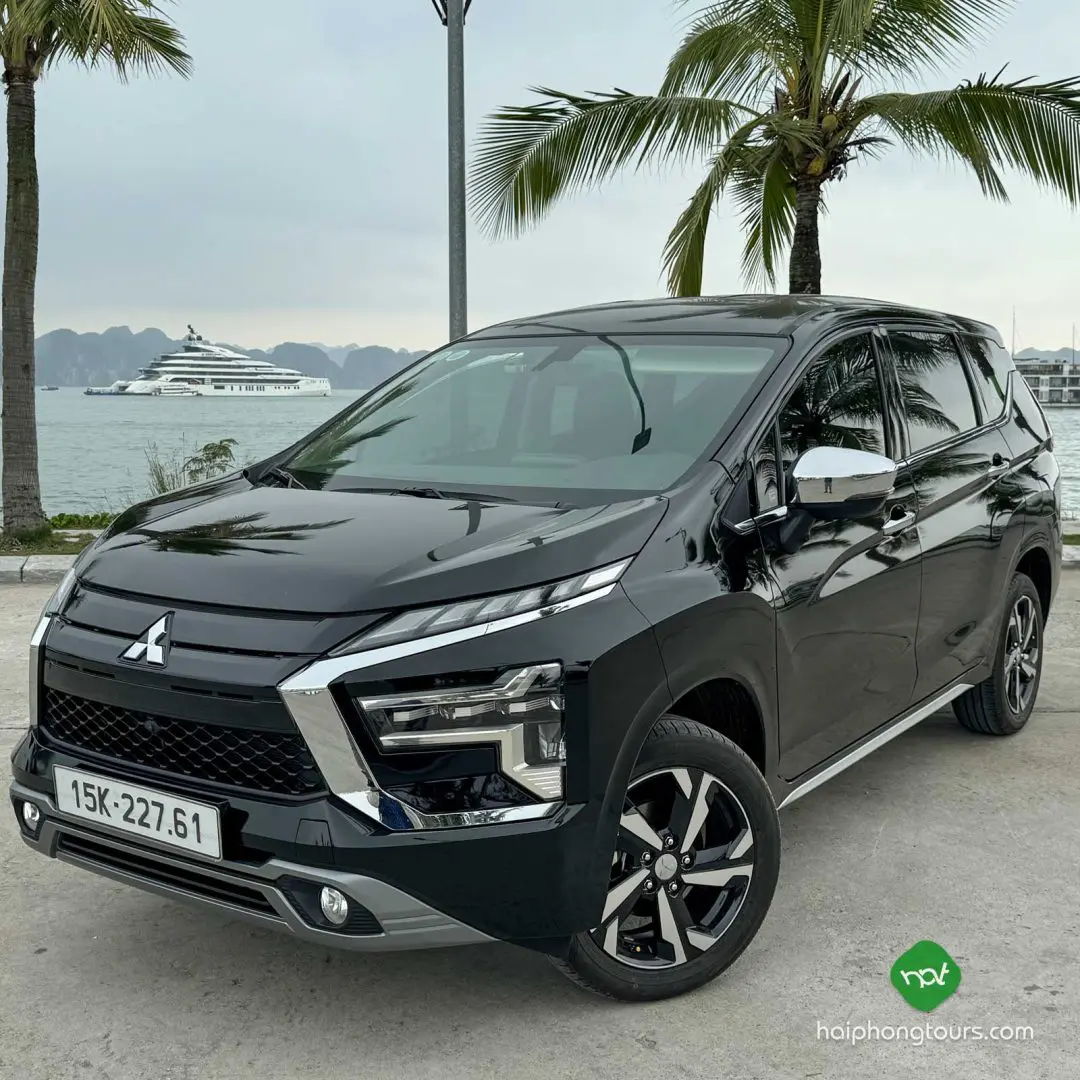
Send both map pins, the property contact, passenger count and large luggage. Hai Phong Tours recommends confirming whether the car reaches reception or stops where a smaller vehicle or short walk begins. Rural lanes and property names can be harder to identify after dark.
Ask the quote to include tolls, parking, planned breaks and waiting. A one-way transfer does not include a boat trip, driver standby or return pickup unless stated. If your first activity starts soon after arrival, give the driver the agreed boat point as well as the accommodation.
Connecting through Hanoi or Yen Bai
Through Hanoi offers the widest choice of onward vehicles, but the two legs are separate. Match the arrival and departure addresses, not only their city names. Leave time for traffic, bags and a meal.

Some Hanoi–Yen Bai limousine services list selected Yen Binh points, but the stop and schedule are date-specific. Ask whether the vehicle reaches Huong Ly port or only an urban office. If it stops short, have the homestay accept the final pickup in writing.
The Hai Phong to Hanoi transport guide helps plan the first leg. Do not buy it until the onward meeting point is known.
Choose Vu Linh, Yen Binh or another lakeside base
The Thac Ba Lake guide explains the difference between a lakeside stay, a boat outing and a transit stop. Send the full accommodation name. Several properties can use “Thac Ba” in their listing while sitting on different roads.
If a boat trip is the main reason for travel, arrange it through the accommodation or an identified operator. Confirm the pier, route, duration, whole-boat or per-person price, life jackets and weather policy. Transport to the district does not reserve a boat.
Arrival after dark
Avoid an unconfirmed night handover on a rural road. Ask whether reception is staffed, dinner can be prepared and the last section is accessible. Save the host and driver numbers offline, and keep one small arrival bag accessible.
How long to stay
Two nights gives the long journey, a full lake day and a less rushed departure. One night can work with a direct car and a confirmed short boat plan, but it leaves little weather flexibility.
Booking checklist
- Choose the accommodation, village or boat point.
- Send the current entrance pin and host contact.
- Confirm every shared-transport stop and final ride.
- Agree on luggage space, tolls, waiting and return plans.
- Keep the boat booking separate from the road transfer.
- Allow daylight for the rural final section.
For the return, use the Thac Ba Lake to Hai Phong transport guide.
Complete the door-to-door route
Thac Ba Lake covers a wide reservoir. A lakeside homestay, boat pier and Thac Ba town can be far apart, and the road car does not include a boat sector. Put the exact Hai Phong hotel, station, airport or home entrance and the exact Thac Ba Lake property in the same booking message. Add passenger count, luggage and the latest useful arrival so the quote covers the actual journey rather than two broad place names.
Yen Bai city is the main staging reference, but a ticket there does not necessarily complete the route. Compare the exact operator offices and arrange the final local vehicle before buying separate services. A delayed first ticket does not protect the second.
Use a realistic time range
Plan around loading, one proper meal, toilet stops and a moderate delay. Do not spend the contingency on optional viewpoints. The important risk is rain, changing pier arrangements and slow local reservoir roads; use conditions for the actual districts and let the driver reduce speed or stop earlier when necessary.
For a fixed flight, train, boat, trek or reception window, work backward from the required check-in rather than the advertised departure. A map estimate is a routing reference, not a guaranteed door-to-door duration.
Use a coach or shared car properly
- Check the exact date and direction because return services may differ.
- Ask for the boarding office or roadside pin, check-in time, vehicle type and baggage allowance.
- Open the arrival pin and compare it with the hotel; reserve the final local vehicle before paying.
- Allow unloading, food and a taxi between offices when tickets are separate.
- Reconfirm on the travel day and keep the dispatch contact or plate.
Match vehicle, luggage and local access
A van provides cargo room but can be unsuitable for a narrow village lane. Ask the host for the last car-access point and whether luggage must be carried or moved to a local vehicle. Keep passports, medication, rainwear and electronics in the cabin.
Confirm the operating scope
- Both exact pins and a working passenger contact.
- Vehicle class and luggage arrangement.
- Tolls, parking, normal waiting and rest stops.
- Driver meal or overnight cost on a long one-way day.
- Any local feeder, boat, attraction or sightseeing outside the road transfer.
- Change and cancellation rules for weather or a late incoming service.
Avoid scope changes on the roadside
Use one passenger as the decision contact. Conflicting messages from several phones can change the pickup, route or waiting instruction at the wrong moment.
Reconfirm the driver and pickup the evening before. On arrival, check the seat, door pockets, charging cable and luggage area before the vehicle leaves. Keep the booking record until every bag and added charge is resolved.
Useful guides for your trip
Would a private transfer make this journey easier? Contact us with your travel date, exact pickup and drop-off, number of travelers and bags. Include any flight, train or cruise deadline so we can assess a suitable plan and quotation.