
Hai Phong to Xuan Son National Park is easiest by private car because the destination is a wide mountain and village area, not one city terminal. Shared transport normally needs a connection toward Thanh Son or Tan Son and a final local vehicle.

Choose a real destination inside the area
Send the homestay, village, park office or activity meeting point. Xuan Son, Xuan Dai and nearby communities appear under changing administrative labels, while the practical road still depends on the exact pin.
The Xuan Son National Park guide explains caves, forest walks and homestay choices. Select the stay before arranging transport.
Private car
A direct car is suitable for a small group, luggage and an overnight stay. Confirm whether a standard vehicle reaches the property and whether the driver waits, returns or stays overnight. A one-way drop does not include local sightseeing.
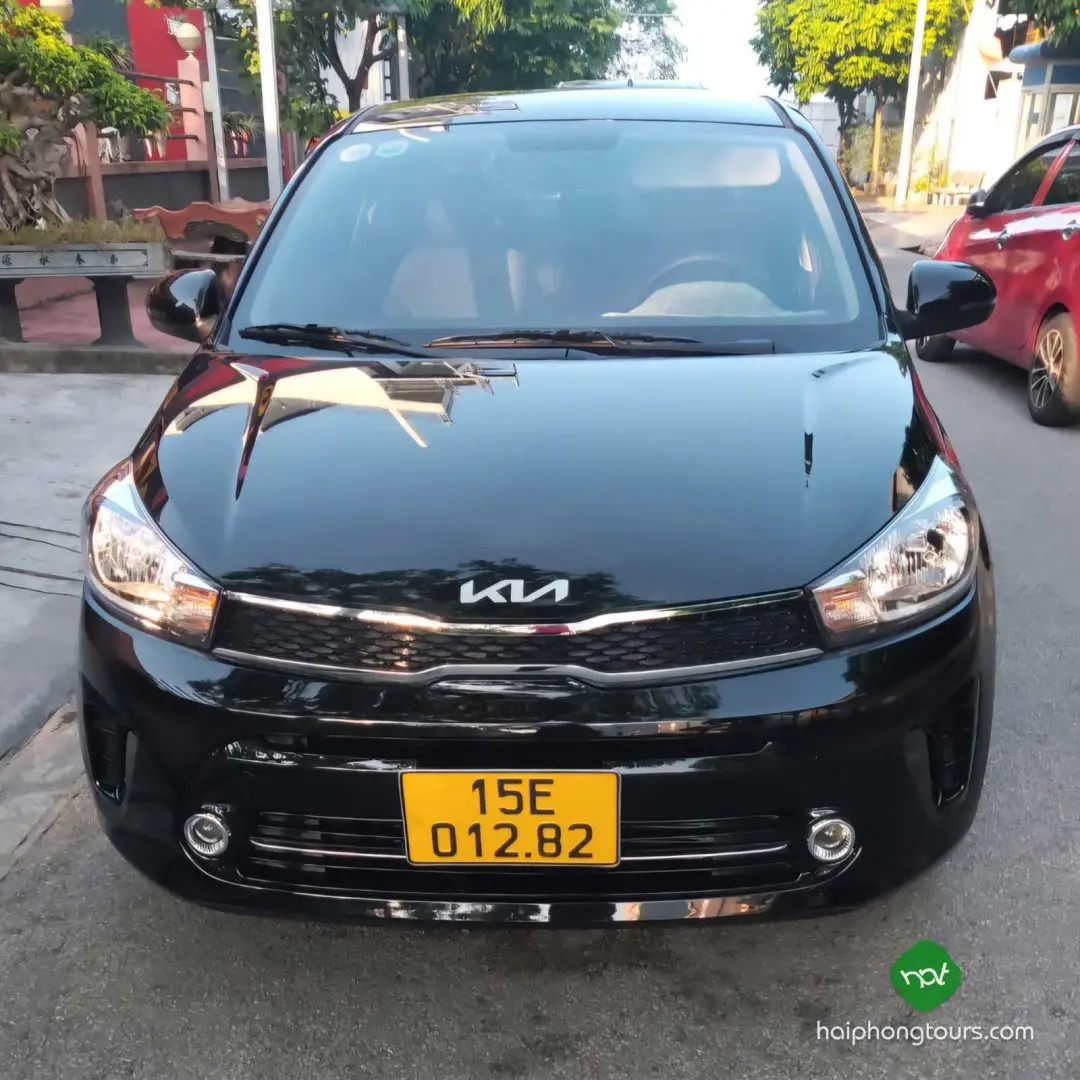
Hai Phong Tours recommends arriving before dark. Rural signs, narrow lanes and weak mobile coverage make an unfamiliar late arrival harder, particularly in rain.

Choose the vehicle by road access as well as seats. A larger van may solve the luggage problem but be less suitable for the final narrow lane. Send photographs or access notes from the host before the vehicle is assigned.
Shared transport and the last mile
If using a coach, confirm the lower-town stop and reserve the onward vehicle first. “Thanh Son” or “Tan Son” is not the park entrance. Exchange the local driver’s number, meeting pin and expected luggage before leaving Hai Phong.
Separate operators provide no connection protection. Allow enough time for the first service to be late and avoid a final pickup that depends on the last possible vehicle of the day.
Carry cash for small local payments and keep the host’s phone number available offline. Do not expect a ride-hailing car to be waiting in a remote village.
Park visit logistics
The national park covers forest, limestone terrain, communities, streams and caves. Do not expect to step out of the intercity car and walk to every attraction. Ask the homestay or local guide which activities require a separate vehicle, guide or current permission.
Rain can change trails and stream conditions. Follow park and local instructions, and keep a low-risk village plan when hiking is unsuitable.
Food choices may be limited outside the main community areas. Tell the homestay about dietary needs before arrival instead of expecting a late restaurant order.
Booking checklist
- Choose the exact village or property.
- Confirm direct car or the lower-town handover.
- State passengers and luggage.
- Ask about the final road and night access.
- Separate transfer time from walking or cave visits.
- Agree on waiting, return and driver accommodation.
For the return, use the Xuan Son National Park to Hai Phong guide.
Turn the route into a door-to-door plan
The park gate, a village homestay and a trekking meeting point are distinct endpoints. The host should confirm vehicle access and any walking or motorbike handover. Write both pins, the date, local pickup time and required arrival in one message. A broad town label can produce a quote that ends at an operator office rather than the property you intended.
For pickup in Hai Phong, identify Cat Bi Airport, Hai Phong Railway Station, a city hotel, Do Son or another district. These are not the same starting price or timing. Flight pickups need the flight number; station pickups need the train and arrival; Cat Ba arrivals need a separate boat-to-road buffer.
At Xuan Son National Park, do not stop planning at the place name. The park gate, a village homestay and a trekking meeting point are distinct endpoints. The host should confirm vehicle access and any walking or motorbike handover. Ask whether the reception is staffed after dark and whether dinner or a local handover must be reserved.
When a staged journey makes sense
Viet Tri or an agreed Phu Tho road junction is the main staging reference for this route, but it is not automatically the final destination. Before buying a shared ticket, identify its exact arrival office and reserve the next vehicle. Separate operators do not protect each other when the first leg is late, and a roadside drop after dark can be difficult to solve.
Use a coach or shared car step by step
- Check the exact date and direction; the return may use another office or operate less often.
- Request the boarding pin, check-in time, vehicle type and luggage allowance in writing.
- Open the arrival pin and reserve the feeder or final local car before buying the main ticket.
- Allow unloading, food and a taxi between offices when combining separate operators.
- Reconfirm on the day and keep the dispatch contact; do not accept an unverified roadside substitute.
If an operator cannot confirm the current boarding and arrival points for your date, the service is not yet a usable plan. Keep the shared sector only when the whole chain reaches the accommodation safely.
Set the schedule around what cannot move
Work backward from hotel reception, trek, boat, attraction or check-in at the destination. Add time for loading, a proper meal, toilet stops and one moderate delay. Do not fill the margin with optional viewpoints. If conditions remain good, arriving early is easier to manage than missing the only boat, train, reception window or guide meeting.
The main variable on this journey is heavy rain, slippery local roads and changing trail access. Check conditions for the actual districts and ask the property about the final road. A safe driver may reduce speed, wait for visibility or choose an earlier overnight. That is a better outcome than preserving a map estimate.
Match the vehicle to the final road and the bags
Count adults, children and every large item. Four travelers with trekking packs or full-size cases may need more luggage room than a nominal seat count suggests. Send a luggage photograph when there is a stroller, wheelchair, bicycle box or other unusual item. Keep passports, medication, rainwear and electronics in the cabin.
A larger van offers cargo room but may not fit a narrow village lane. Ask the host whether a sedan or van reaches the entrance and where luggage is carried by hand. Child seats, mobility help and roof loading must be agreed before vehicle assignment; they are not automatic features of a private transfer.

Confirm the scope before paying
- Both exact pins, passenger phone and the local name of the property.
- Vehicle class based on people and luggage, not only seats.
- Tolls, parking, normal waiting and the planned rest stops.
- Any driver meal or overnight cost on a long one-way movement.
- Added sightseeing, local handover or boat sector that is outside the road transfer.
- Change, delay and cancellation rules for weather or a late incoming service.
Use a simple fallback hierarchy
- Keep the original route but remove optional stops.
- Move the fixed activity or check-in when the provider allows it.
- Change the handover point only after both operators agree.
- Use an earlier safe overnight if the final section should not be driven late.
- Protect the next flight, train or boat before protecting a minor reservation.
Save the driver, operator and property contacts offline. If the plan changes, send one clear update containing the new time and pin. Avoid parallel instructions from several passengers, which can send the vehicle to different locations.
Useful guides for your trip
Would a private transfer make this journey easier? Contact us with your travel date, exact pickup and drop-off, number of travelers and bags. Include any flight, train or cruise deadline so we can assess a suitable plan and quotation.