
A Ha Long Bay cruise may be possible with celiac disease or a food allergy, but do not book on the strength of “gluten-free available” or “special diets accepted.” Before you pay, get a written answer from the exact cruise operator and vessel about ingredients, preparation, cross-contact, meal service, and the emergency plan.
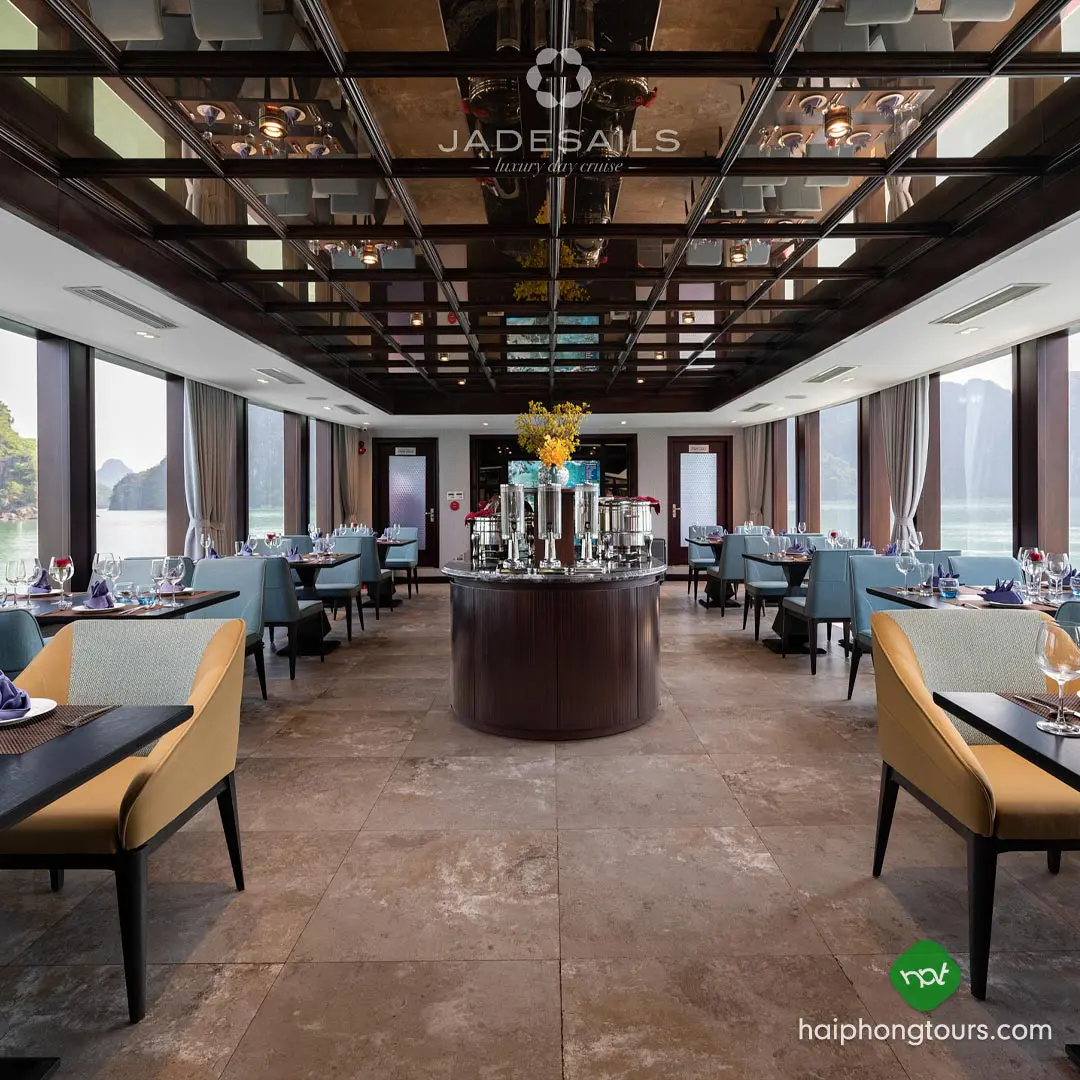
Published request rules differ between operators, and advance notice alone does not prove that a galley can control gluten or another allergen. If the reply is vague, arrives only through a reseller, or does not address shared equipment, the safest decision is not to rely on that meal. Use this checklist alongside advice from your allergist, doctor, or registered dietitian.
Describe your requirement as a medical need
Use the name of your diagnosed condition and explain the level of avoidance you require. These terms are not interchangeable:
- Food preference: You choose not to eat an ingredient, but cross-contact may not be a medical concern.
- Food intolerance or non-celiac sensitivity: The reaction and tolerated amount vary. State exactly what you cannot eat instead of relying on a broad label.
- Celiac disease: This is an immune disorder triggered by gluten, not a wheat allergy. Food must be free from gluten ingredients and protected from gluten cross-contact.
- Food allergy: The immune system reacts to a specific food. If you are at risk of anaphylaxis, say so plainly and follow your personal emergency action plan.
Do not assume that “vegetarian,” “wheat-free,” or “no bread” means gluten-free. A vegetarian dish can contain wheat-based noodles or sauces, while a wheat-free dish may still contain barley or rye.
Get answers before you pay
Send the request when you first inquire, not after the booking is nonrefundable. Ask the operator to place it on the booking record and have someone responsible for food service confirm the details.
Confirm the exact vessel and every kitchen
- What is the exact vessel name for your departure date?
- Will any meal be prepared on a day boat, tender, at a hotel, or by a partner restaurant?
- If the vessel or itinerary changes, who will transfer and reconfirm the dietary request?
- Will the cruise manager, restaurant manager, and chef all receive the written request?
This matters especially on a longer itinerary that may use more than one food-preparation location. Confirmation from the sales desk is incomplete if the galley or an excursion provider never receives it.

Ask for ingredient-level confirmation
Request the proposed dishes and the ingredients in sauces, stocks, marinades, seasoning mixes, dressings, garnishes, desserts, and drinks. For celiac disease, ask specifically about flour, bread crumbs, wheat noodles, barley, rye, malt, and soy sauce or other condiments that may contain wheat.
For another food allergy, list every name and form of the allergen that must be avoided. Do not accept “the chef knows” as a substitute for checking packaged ingredients and recipes.
Ask how cross-contact will be controlled
- Is there a clean or separate preparation area?
- Will the cook use cleaned or separate knives, cutting boards, cookware, woks, grills, and serving utensils?
- Is frying oil shared with breaded food, spring rolls, seafood, nuts, or another food you must avoid?
- Are cooking water, strainers, or pans shared with wheat noodles or other unsafe ingredients?
- Can the meal be covered, labeled, and served separately from bread and unsafe garnishes?
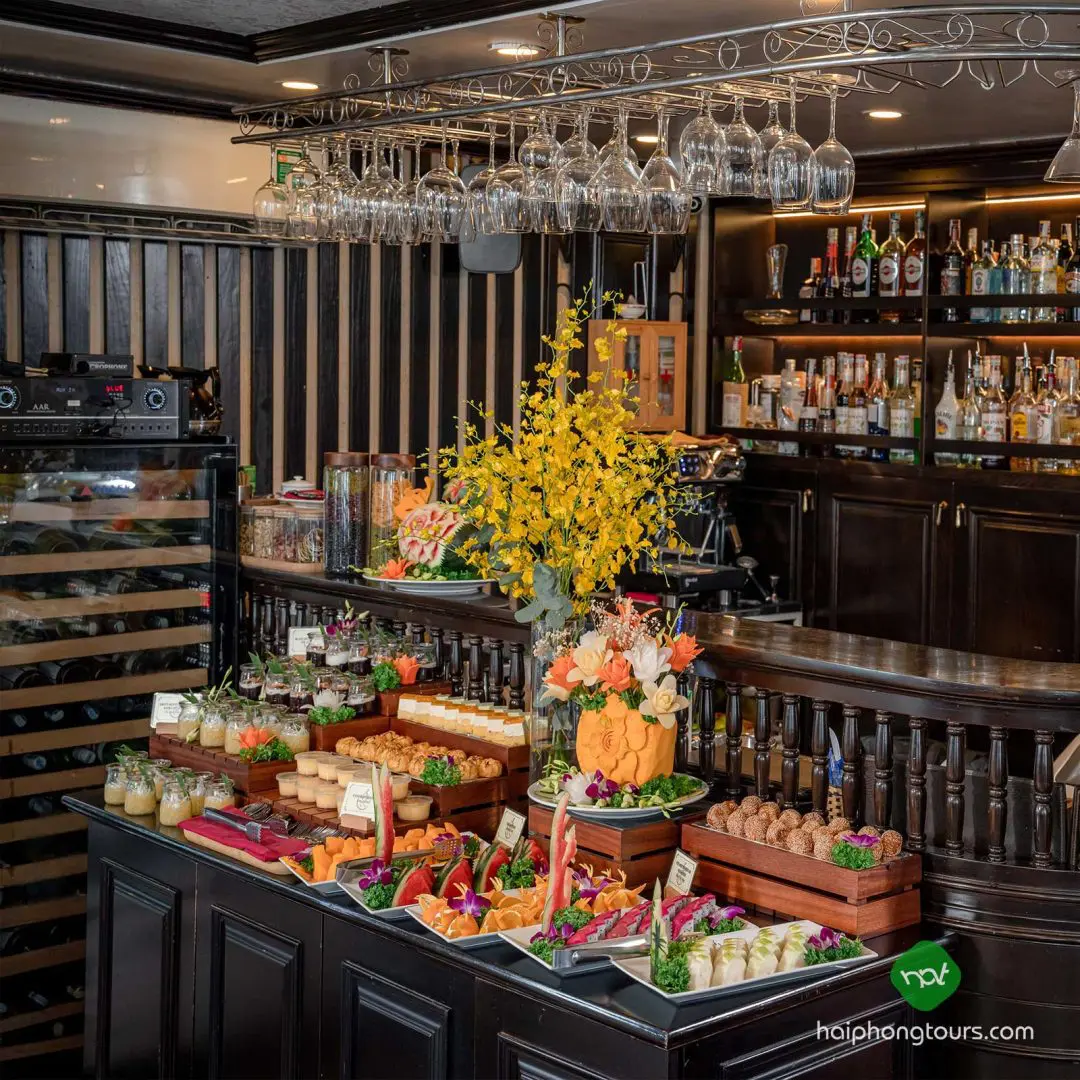
- For a buffet, can a separately plated meal be prepared before shared serving utensils are used?
A separately plated meal may reduce exposure at the buffet, but it does not answer what happened in the kitchen. You still need preparation and ingredient details.
Confirm backup food and storage rules
Ask whether you may bring sealed, clearly labeled food for medical reasons. If it needs refrigeration, freezing, or heating, confirm the exact facilities and handling procedure. Do not assume the crew can store homemade food or heat it in equipment used for other meals.
Copy this message to the cruise operator
Hello, I am considering [exact cruise and vessel] on [date]. I have [celiac disease / a severe allergy to ___]. This is a medical requirement, not a food preference.
Before I pay, please confirm in writing:
- the exact vessel and every location where my meals will be prepared;
- the ingredients in my proposed dishes, including sauces, stock, seasoning, marinades, garnishes, desserts, and drinks;
- how the kitchen will prevent cross-contact, including preparation surfaces, cookware, utensils, cooking water, grill, wok, and frying oil;
- whether my meal can be prepared separately and served as a labeled plate rather than taken from a shared buffet;
- whether I may bring sealed backup food and how it can be stored;
- who will receive this request on board and what happens if the vessel changes; and
- the vessel’s medical and emergency procedure if I have a reaction.
Please tell me clearly if any part of this request cannot be met.
Keep the reply with your booking confirmation. A verbal answer on a messaging app is harder to rely on if the staff member, vessel, or menu changes.
Use a separate Vietnamese card for celiac disease or allergy
Print the relevant card and save it on your phone. Replace every bracketed field before travel. For a complex or life-threatening allergy, have the final wording checked by a fluent Vietnamese speaker who understands the exact ingredient names.
Celiac disease card
English: I have celiac disease. I must completely avoid gluten from wheat, barley, and rye, including cross-contact. My food must not touch flour, bread, wheat noodles, soy sauce containing wheat, or any food with gluten. Please use a clean preparation area, separate clean frying oil, and cleaned cookware and serving utensils. If this cannot be done, please tell me before serving.
Vietnamese: Tôi mắc bệnh celiac. Tôi phải kiêng hoàn toàn gluten có trong lúa mì, lúa mạch và lúa mạch đen, kể cả gluten do lẫn chéo. Thức ăn của tôi không được tiếp xúc với bột mì, bánh mì, mì làm từ lúa mì, nước tương có chứa lúa mì hoặc bất kỳ thực phẩm nào có gluten. Vui lòng dùng khu vực chế biến sạch, dầu chiên sạch dùng riêng, cùng dụng cụ nấu và dụng cụ phục vụ đã được làm sạch. Nếu không thể thực hiện, xin hãy báo cho tôi trước khi phục vụ.
Severe food-allergy card
English: I have a severe allergy to [food] and may have anaphylaxis. Even a very small amount or cross-contact can cause a serious reaction. Do not use [food] or any ingredient containing it. Please use a clean, separate preparation area, clean separate frying oil, and cleaned cookware and serving utensils. If this cannot be done, please tell me before serving.
Vietnamese: Tôi bị dị ứng nghiêm trọng với [tên thực phẩm] và có nguy cơ bị sốc phản vệ. Chỉ một lượng rất nhỏ hoặc việc lẫn chéo cũng có thể gây phản ứng nghiêm trọng. Vui lòng không dùng [tên thực phẩm] hoặc bất kỳ nguyên liệu nào có chứa thực phẩm này. Hãy dùng khu vực chế biến sạch, riêng biệt, dầu chiên sạch dùng riêng, cùng dụng cụ nấu và dụng cụ phục vụ đã được làm sạch. Nếu không thể thực hiện, xin hãy báo cho tôi trước khi phục vụ.
A translated card helps communication, but it does not prove that the vessel has the required ingredients, space, training, or equipment.
Prepare your medical backup before departure
- Review the trip with your clinician, especially if you have had anaphylaxis or need a tightly controlled gluten-free diet.
- Carry the medication your clinician prescribed, an up-to-date emergency action plan, and enough supplies for delays.
- Keep medication in its original labeled packaging and ask your clinician whether you need a supporting letter for international travel.
- Keep emergency medication on your person or immediately accessible. Do not leave it in checked luggage, a transfer vehicle, or a locked cabin during an excursion.
- Show a travel companion where the medication and action plan are kept and make sure they know what your plan requires.
- Check whether your travel insurance covers treatment and emergency transport, and note how to contact the insurer.
Ask the exact operator whether a doctor or nurse is on board, which crew members have emergency training, what medical equipment is carried, how the vessel contacts shore, and how evacuation would be arranged from the planned route. Do not assume the boat stocks your medication or can reach a hospital within a fixed time.
Reconfirm everything when you board
- Arrive early and ask for the cruise or restaurant manager.
- Show the written confirmation and translated card before the first food or welcome drink is served.
- Confirm that the chef has the same request and that your name or cabin number identifies each meal.
- Ask the server to check again before every meal, snack, cooking-class sample, and excursion meal.
- Do not eat an unlabeled buffet item, sauce, garnish, or snack when nobody can verify it.
- Keep safe backup food and emergency medication accessible during all off-vessel activities.
If the operator changes the boat, menu, or food provider, treat the earlier answer as unconfirmed until the new team accepts the same requirements in writing.
Red flags that should stop you from relying on the meal
- The answer to celiac disease or a food allergy is only “we have vegetarian food.”
- You are told to mention the issue after boarding rather than record it before payment.
- Staff cannot check sauces, stock, seasonings, frying oil, or packaged ingredients.
- A “gluten-free” meal simply removes bread or noodles.
- The only protection is a buffet label while guests share serving utensils.
- The operator will not identify who is responsible for the request on board.
- A last-minute vessel change is made without fresh confirmation.
- You receive a promise of “zero risk” or “100% allergy-free” without a clear explanation of kitchen controls.
When the answers do not match your required level of avoidance, ask about bringing a complete safe meal or choose another plan. A shorter cruise means fewer onboard meals, but it does not make a shared galley automatically safer.
If a reaction happens on board
Follow your personal emergency action plan immediately, use prescribed emergency medication exactly as directed, alert the crew, and request emergency medical help. Do not rely on the crew’s medicine as a substitute for your own prescribed supply.
If you have celiac disease and suspect gluten exposure, stop eating the food, tell the restaurant manager, and follow the plan given by your clinician. Seek medical help for severe or concerning symptoms. Record the dish and ingredients while the details are still available.
Frequently asked questions
Do Ha Long Bay cruises offer gluten-free meals?
Some operators say they accept gluten-free requests, but there is no single policy for every cruise. “Gluten-free” also does not automatically mean the kitchen controls cross-contact well enough for celiac disease. Ask the exact vessel the full checklist before paying.
How early should I report a food allergy?
Report it with your first booking inquiry and follow the exact operator’s written deadline. Current operator rules differ, so a deadline quoted for one cruise should never be applied to another. Reconfirm shortly before departure and again on board.
Is a plated meal safer than a buffet?
A separately prepared and labeled plate can avoid shared buffet utensils, but only if the ingredients and kitchen process are suitable. Ask how the plate is prepared, not only how it is served.
Can I bring my own food onto the cruise?
Possibly, but the exact operator must approve it. Ask about sealed packaging, storage, refrigeration, heating, and whether the food may be taken on excursions. Keep a shelf-stable backup that fits both your medical plan and the operator’s rules.
The decision comes before the deposit
Choose a cruise only after the exact vessel has answered the ingredient, cross-contact, service, and emergency questions at the level your condition requires. Advance notice is essential, but a clear written response from the people responsible for the galley is what turns a general dietary request into a usable travel plan.
Useful guides for your trip
- Ha Long, Lan Ha and Bai Tu Long Cruise Itineraries
- Halong Attractions: Bay Cruises, Museum, Beaches and Parks
Need help choosing the cruise or coordinating the shore transfer? Contact us with your date, preferred route, group size and starting point. Tell us about any dietary, mobility or onward-connection needs before booking.