
Winter fog does not automatically cancel a local Ha Long Bay cruise, and an operating vessel does not guarantee clear limestone views. Keep the trip when the route, caves, cabin, meals and close-range bay experience still justify it. Consider moving the booking when distant scenery or landscape photography is the main purpose and the written terms allow a change.
Quang Ninh’s official winter guidance describes October to March as the drier season and says December through late February can average around 15°C, with occasional much lower temperatures. That seasonal context supports packing. It cannot predict the visibility, wind or authority decision on one sailing date.
Separate the sailing decision from the value decision
The competent authority and licensed operator decide whether the vessel sails. The traveler decides whether the remaining experience matches the price and priorities. These are different decisions. An “operating normally” message answers the first one only.
Ask the operator which route, boarding port, caves, tender stops, kayaking or swimming activities and cabin services remain in the current program. A general Ha Long Bay forecast cannot answer for a specific Ha Long, Lan Ha or Bai Tu Long itinerary.
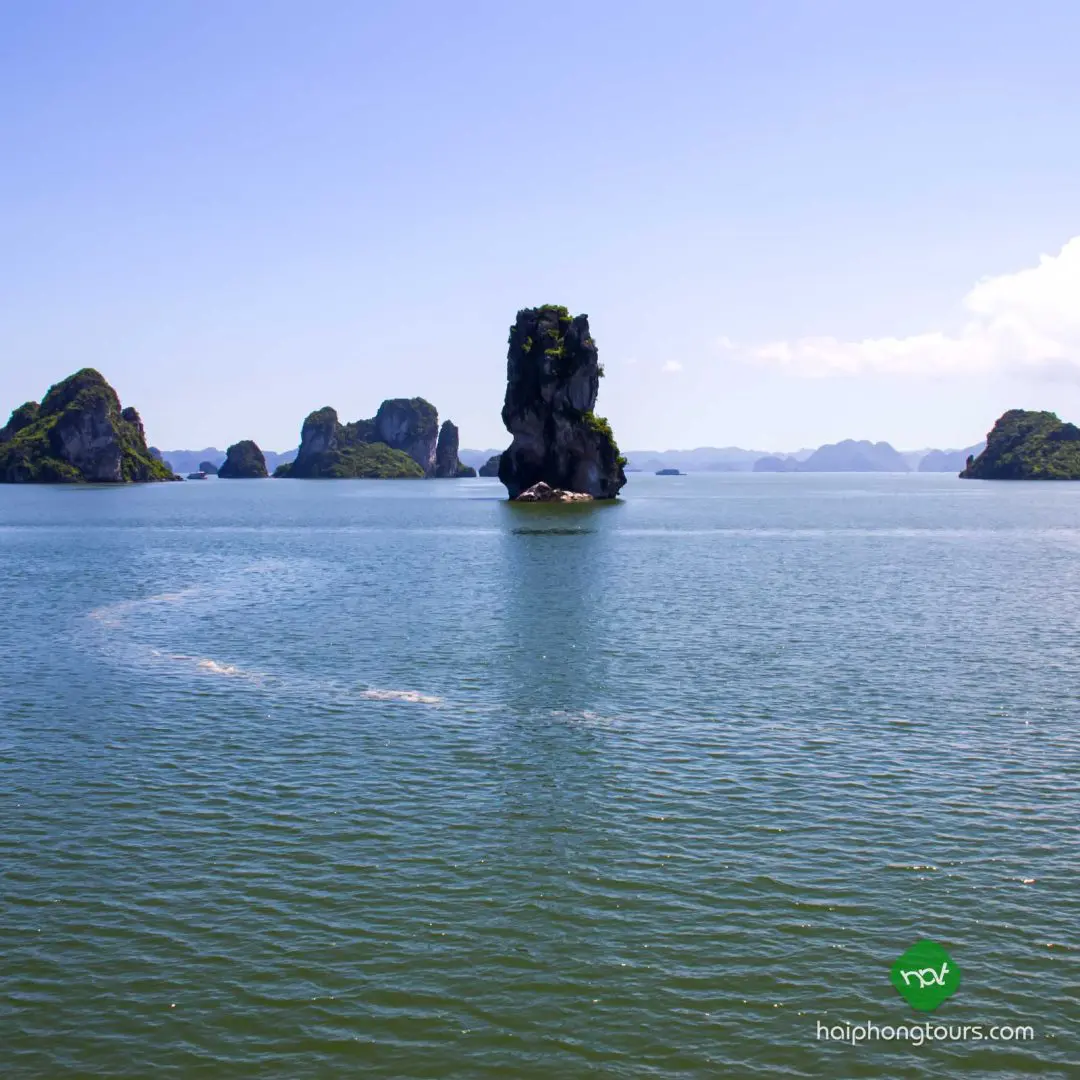
Distinguish fog from a storm warning
Fog reduces horizontal visibility. Drizzle affects deck comfort and surfaces. Wind, thunderstorms and an official storm or vessel restriction can change operation. Do not convert one fog icon into a cancellation rule, and do not treat a clear icon as permission to ignore an authority notice.
Use NCHMF close to departure and the cruise issuer for the sailing decision. Preserve the operator’s written message. Social-media photographs from Tuan Chau, Bai Chay or a vessel already inside the bay may show a different hour and location.
Decide what fog removes from the itinerary
Distant karst panoramas, sunrise color and long-lens landscape photography are the first values at risk. Nearby limestone, a cave interior, meals and cabin time may remain available if the operator runs the program. Describe that as a trade-off, not as a promise that fog creates a better atmosphere.
A traveler whose only acceptable result is a clear sunrise needs date flexibility and change terms understood before payment. A first-time visitor with one fixed date may still keep the cruise, but should do so because the complete program retains value, not because the booking is nonrefundable.
Use day cruise and overnight cruise differently
A day cruise limits cabin recovery and provides one shorter weather window. It also limits the financial and time commitment. An overnight cruise adds a cabin, dinner, breakfast and more hours in the bay, but both days can still have poor visibility.
Do not choose an overnight product solely to “wait out” fog. Compare the actual cabin, route and included activities. If the traveler dislikes cold damp deck time and does not value the cabin or meals, a longer itinerary may add hours without adding the desired scenery.
Protect comfort on the deck and tender
Pack a warm layer, light rain protection and shoes with grip. Cold damp air can make an open deck or tender less comfortable than the temperature suggests. Keep essential medication and one dry layer in a day bag instead of checked luggage.
Kayaking, swimming, cave steps and tender boarding are separate choices. Ask what operates that day and how a traveler may opt out. A cruise label does not prove every activity is suitable in low visibility or cold water.
Use the correct port even when weather is uncertain
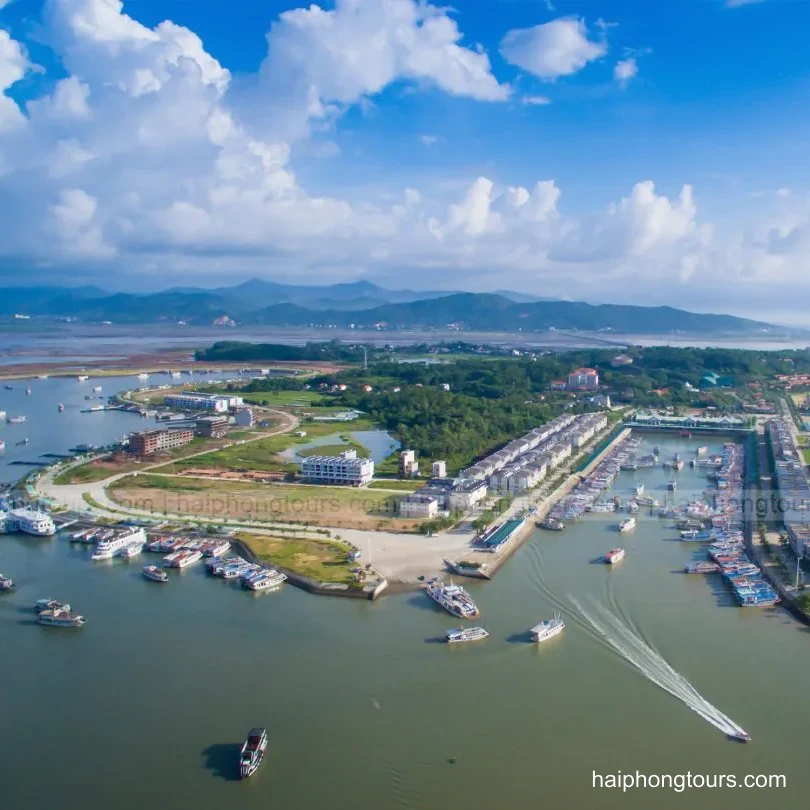
Tuan Chau Marina and Ha Long International Passenger Port are different. Follow the operator’s current lounge, pier and reporting time. Keep the road transfer when the issuer tells passengers to report. Do not cancel the car because another traveler posts that the bay looks foggy.
If the operator changes or cancels the sailing, ask for the public-side meeting point and time before moving the vehicle. A weather change can alter the return, so protect flights, trains and long road transfers with a separate buffer.
Read refund and change terms before requesting a move
An authority closure, an operator cancellation and a traveler choosing not to sail can have different financial treatment. Save the booking terms, payment record, operator notice and any written change. Do not rely on a phone summary when a date move or refund matters.
Ask whether a moved date keeps the same vessel, cabin, route and transfer. A weather-driven rebooking may solve visibility risk while creating a new hotel or onward-transport cost. Compare the whole change, not only the cruise fare.
Use a simple keep-or-move test
- Keep: one fixed date, current operation confirmed, and caves, close-range scenery, meals or cabin time still justify the trip.
- Move if terms allow: the main goal is clear long-distance photography or sunrise and the traveler has a genuinely flexible date.
- Wait for instruction: NCHMF or the operator reports wind, storm or vessel restrictions that may affect operation.
- Do not self-cancel transport: the cruise issuer still requires passengers to report at the named port.
The Hai Phong Tours Ha Long Bay cruises category can help compare current local-bay products. It cannot promise visibility, override the authority or guarantee that a customer’s preferred weather triggers a refund.
Use a public-side fallback
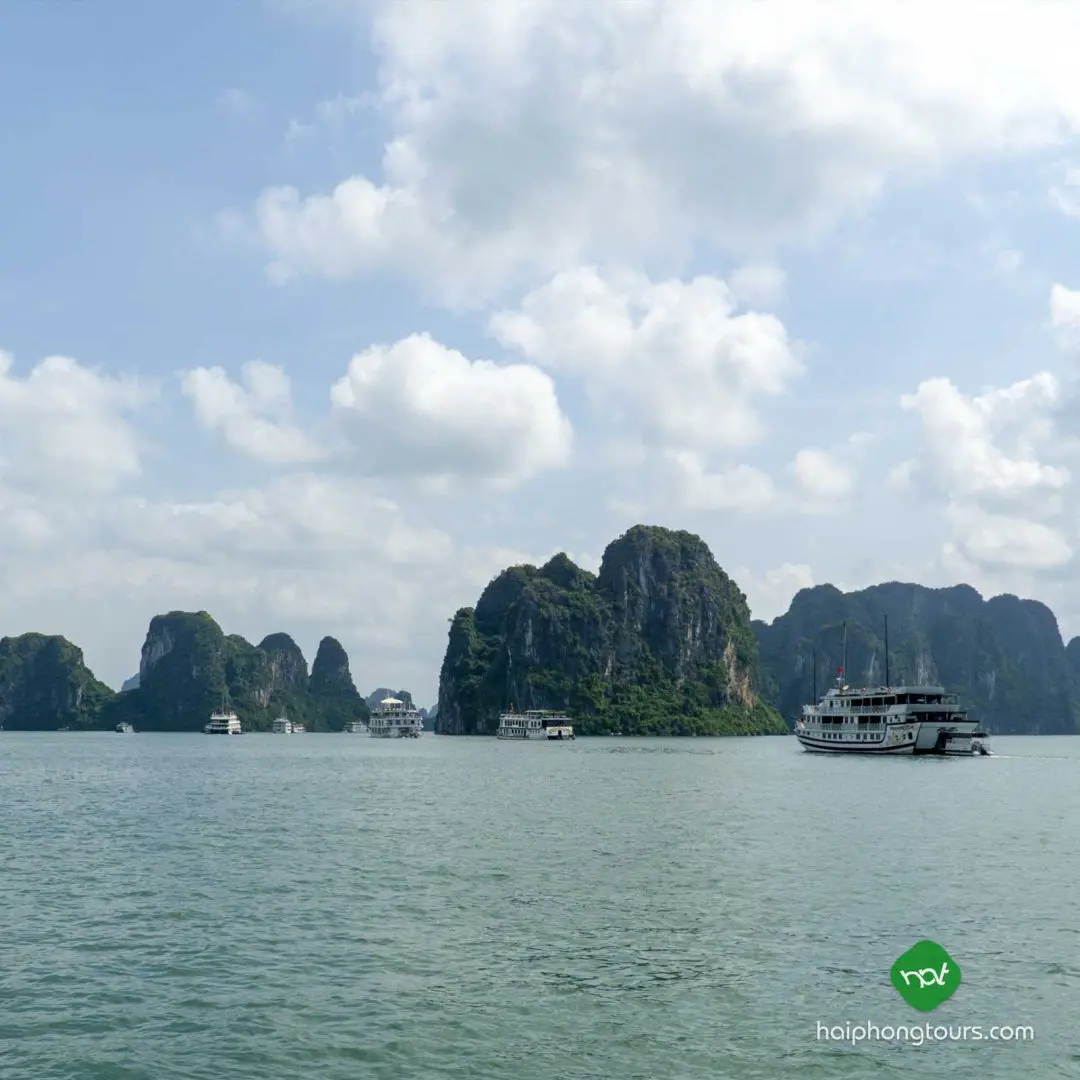
If the cruise is canceled, remain at the staffed hotel or official port area until the issuer gives the next step. Confirm the new road pickup before leaving. Do not accept an unlicensed replacement boat or pursue a vessel from another pier.
If the cruise operates but visibility stays poor, use the included close-range program and skip any optional activity that no longer feels worthwhile. A successful winter decision is an informed match between current operation and personal value, not a guaranteed clear photograph.
Useful guides for your trip
Would you like help fitting this experience into your trip? Contact us with your travel dates, starting point, available time and group size. Tell us about walking limits or special interests so we can suggest a practical itinerary.