
Hang Kia and Pa Co suit travelers who want a Hmong village stay, time with textile makers and a highland market beyond the central Mai Chau valley. Stay one night for a village activity and an early start the next day; choose Saturday night if the weekly Sunday market is important to you.
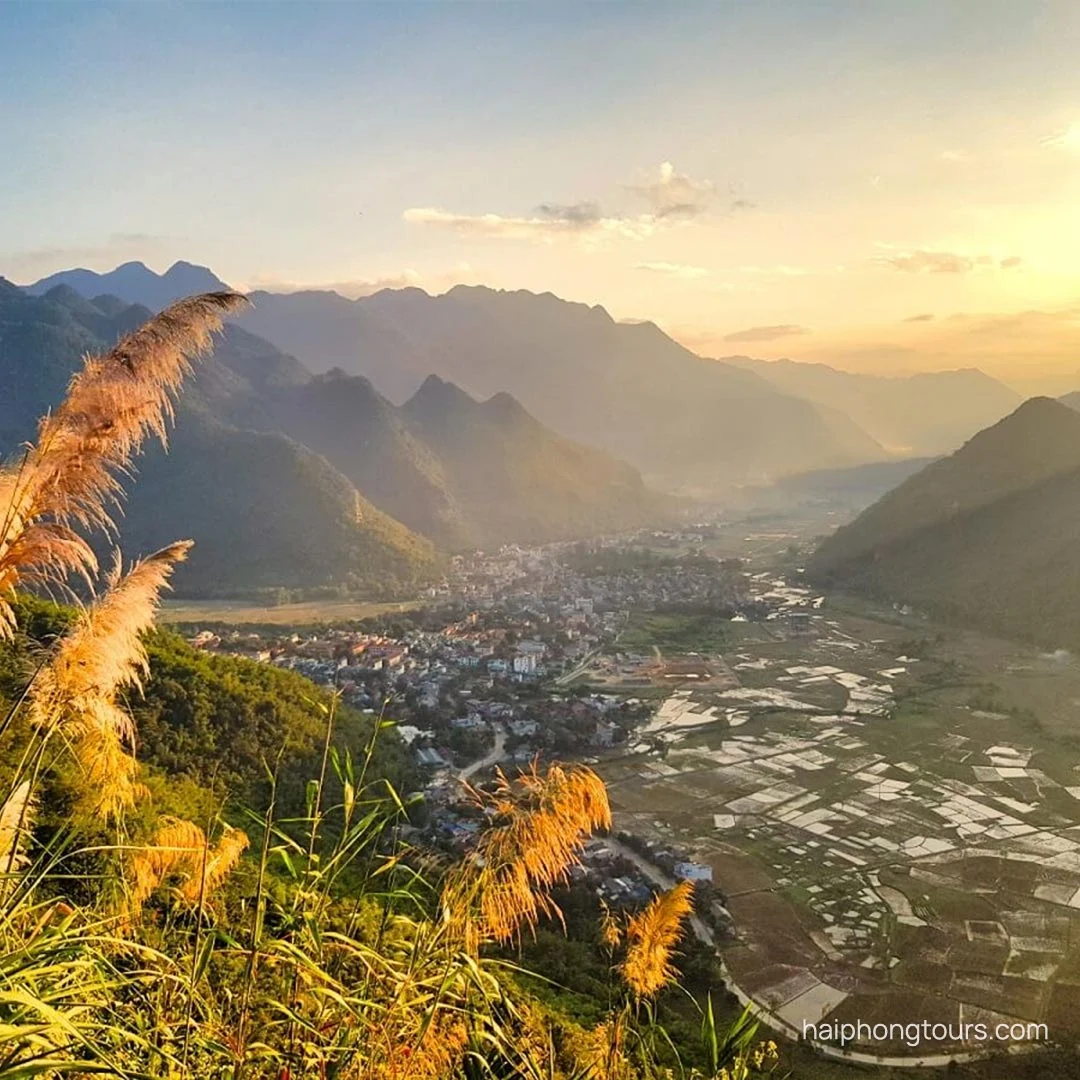
This is a separate mountain outing from Lac Village and Pom Coong. The Hang Kia–Pa Co area is roughly 30 km from Mai Chau and about 180 km from Hanoi, depending on your actual destination. Arrange the last part of the journey with your host, and choose a stay for its local experiences rather than for a guaranteed sea of clouds.
Where Hang Kia and Pa Co fit into a northern Vietnam trip
The communities lie in the highlands near the Hanoi–Moc Chau travel corridor. Older addresses place them in Mai Chau District, Hoa Binh Province; current addresses use Pa Co Commune, Phu Tho Province. The village name and accommodation pin are more useful for a driver than the province name alone.
Much of the appeal comes from the contrast with the Mai Chau valley. Here you encounter Hmong cultural traditions, textile production, orchards and mountain roads. In the central valley, cycling between White Thai villages and established visitor facilities is easier.
- Choose a Mai Chau valley base for easy cycling, a wider choice of places to eat and a shorter first countryside stay.
- Stay in Hang Kia or Pa Co for a hosted craft experience, a quieter village evening and convenient access to an early local activity.
- Combine both when you have enough time for separate valley and highland days. A single afternoon rarely does justice to both settings.
Use the Mai Chau guide to valley stays and activities when deciding where to spend your nights. Booking a room described broadly as “Mai Chau” does not establish that it is close to the Pa Co market or a Hang Kia viewpoint.
Pa Co market: come on Sunday morning
Pa Co’s weekly market takes place on Sunday, with people arriving from surrounding communities early in the morning. It is a working market with agricultural produce, textiles, clothing, household items and other everyday goods, as well as a place to meet and socialize.
Plan for the morning rather than arriving after a long lunch. Ask your host for the current meeting point and the best arrival time for that particular Sunday. A holiday, heavy rain or local arrangements can change the rhythm of the day.
You do not need to buy something at every stall. Walk slowly, leave space for shoppers and ask before taking close photographs of people. If a fabric or embroidered item interests you, ask about the material and which work was done locally; a market can sell both handmade and factory-produced goods.
The Sunday market and an advertised Pa Co night market are different things. Do not book an overnight solely for a night market without direct confirmation that it will run on your date. A hosted dinner is a more dependable evening plan.
If your travel dates cannot include Sunday, retain the village visit only if you want the crafts, walking or accommodation in their own right. For another market that fits a longer route, compare the weekly markets of northern Vietnam.
Textiles and beeswax batik: the strongest reason to slow down
Traditional Hmong textile work here includes weaving, embroidery, indigo dyeing and drawing patterns with beeswax. In wax-resist work, the wax protects parts of the cloth during dyeing; removing it reveals the pattern. Seeing one stage with a maker helps explain the time and skill behind a finished piece.
Arrange the visit through a participating household, craft group or your homestay. Pa Co and Cha Day are useful names to mention when asking about textile activities. Confirm whether you will watch a demonstration, try a technique yourself or visit a display and shop: those are different experiences.
What a short workshop can realistically include
A short visit might let you practice a small wax pattern or learn how a loom is used. It cannot reproduce the entire process from growing the fiber to weaving, dyeing and finishing a garment. Ask whether materials, translation and any piece you take home are included in the price.
For children, confirm that the activity can be adapted and that an adult will supervise hot wax or tools. For an adult who cares about the craft, a longer appointment with a willing maker is usually more useful than combining several rushed souvenir stops.
Buying a textile with a clearer understanding
Ask who made the item, whether the base fabric was handwoven and whether the design is embroidered, wax-resist dyed or printed. None of these questions needs to become a test of the seller; they simply help you choose what you value.
Confirm washing instructions, especially for indigo-dyed cloth, before packing it beside pale clothing. Pay an agreed price for a workshop even if you decide not to buy an additional item. Teaching time and a souvenir purchase are separate transactions.
Village walks, tea and orchards
The highland landscape includes village lanes, tea-growing areas and plum orchards. An arranged walk can connect these places without turning the stay into a demanding trek. Agree on the distance, slopes, surface and vehicle pickup before setting off.
Traditional Hmong homes in this area often sit at ground level, unlike the stilt houses associated with the Mai Chau valley. Some combine older forms with modern materials. Visit a home by invitation and let the host explain its layout; everyday changes do not make a lived-in house less meaningful.
If tea interests you, ask whether a household can arrange a visit or an explanation of local processing. Tea picking and fruit picking depend on the crop, the season and the owner’s agreement. Seeing trees from a path does not give visitors permission to enter an orchard or pick fruit.
Spring blossoms and the later fruit harvest offer different experiences. Choose your dates around the activity you want, then ask for a recent local photograph or crop update. A picture of white plum blossoms is not evidence that ripe plums will be available on the same trip.
Hang Kia viewpoints: make the view a bonus
Hang Kia has developed viewpoints associated with cloud watching. A cloud layer below the hills requires the right conditions; on another morning you may see clear mountains, fog around you or little beyond the foreground. Plan a craft visit or village walk that still makes the trip worthwhile.
Ask your host which viewpoint is suitable that day, whether it is open, the entrance charge and how far you must walk from the vehicle. Do not assume that all locations advertised under Hang Kia or Pa Co are the same place, or that a viewpoint has the facilities of your accommodation.
For an early outing, arrange a driver or local escort the evening before. Avoid an unfamiliar mountain road in darkness simply to chase a sunrise photograph. If fog makes the road difficult, postpone the viewpoint and use the morning for the market or breakfast.
Choose a homestay by the details that affect your visit
Book directly with a property or through a booking channel that identifies the actual host and location. A “homestay” may mean a private room, a shared sleeping space or a more conventional guesthouse. Confirm the room type rather than relying on the label.
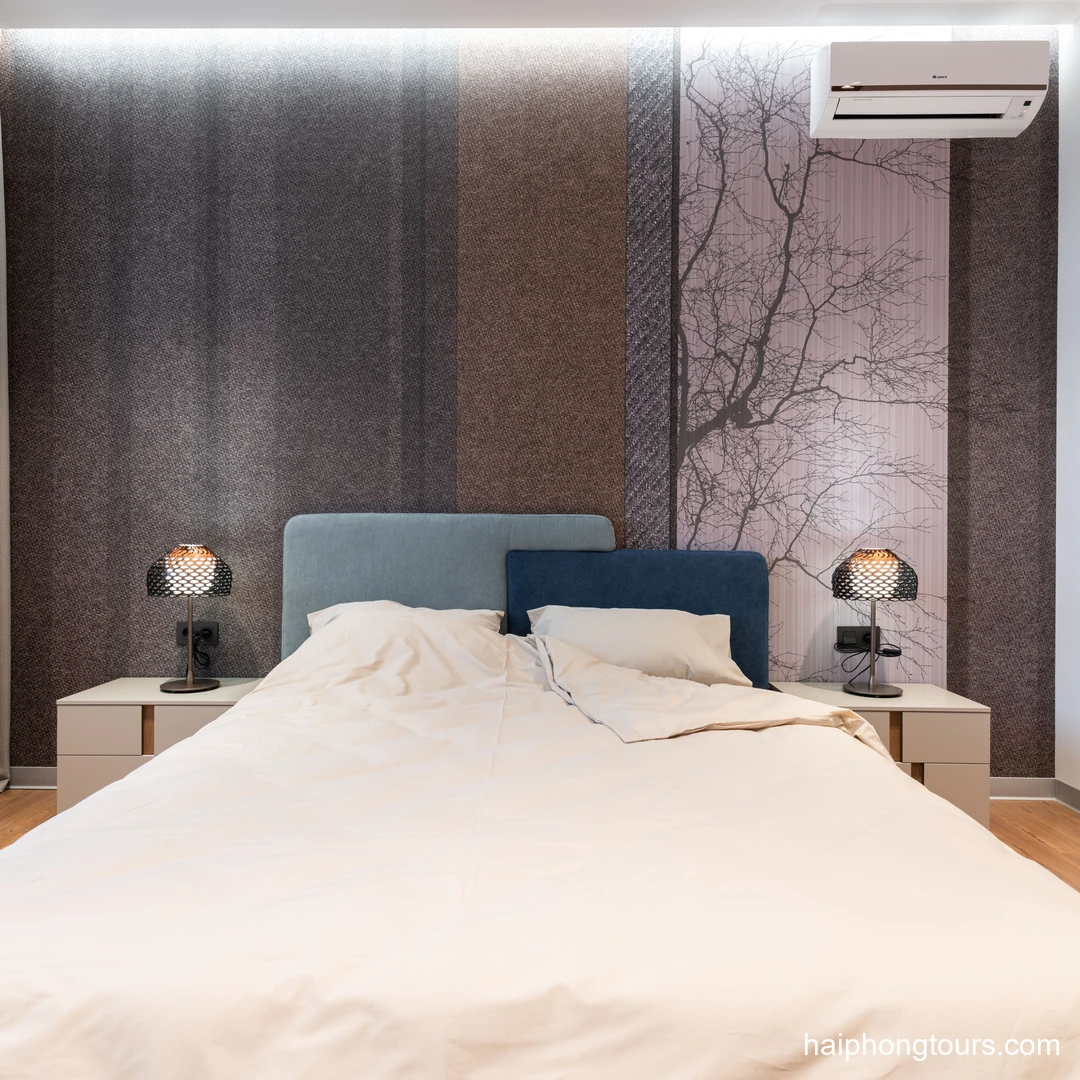
- Comfort: ask about enclosed sleeping space, bedding, bathroom access and hot water. Highland evenings can be cool and damp.
- Activities: confirm the named craft or walk, who leads it and whether English interpretation is available.
- Meals: reserve dinner and breakfast, state dietary requirements clearly and agree on what is included.
- Arrival: establish whether the car reaches the property or whether the host must meet you for a final connection.
- Basic services: check current water, charging and internet arrangements if any are essential to your stay.
Carry enough Vietnamese dong for local expenses. Keep the address and host’s phone number available offline, and settle the return journey before arrival. A good community stay is easier when the host knows your expectations before you reach the village.
Getting there without riding a motorbike
A prearranged car is the simplest option from Hanoi or a Mai Chau accommodation. The Hanoi approach follows the National Highway 6 corridor, followed by local access roads. Send the exact destination pin and ask the driver to price the complete journey, including any market or viewpoint stop.

If using a shared vehicle toward Mai Chau or Moc Chau, first confirm the actual drop-off and arrange the onward ride with your host. A service passing the general area does not necessarily enter the village. Avoid being left at a junction without an agreed pickup.
The roads and terrain are different from flat cycling lanes in Mai Chau. Arrange local transport if you are not experienced with mountain riding. After substantial rain, ask the host about the final approach and accept a changed route or delayed outing if necessary.
A one-night plan with the Sunday market
- Saturday: arrive with daylight remaining, have lunch or settle in, and spend the afternoon on a booked textile activity or a manageable village walk.
- Saturday evening: have dinner with your host and confirm the morning transport. Leave any cultural performance optional and specifically arranged.
- Sunday morning: visit Pa Co market early. Treat a viewpoint as an extra only when the weather and timing fit.
- After the market: return for your bags and continue to Mai Chau, Hanoi or your next confirmed destination.
On weekdays, replace the market with a longer hosted activity. Add a second night when you want both a substantial walk and craft time, or when a slower pace matters more than collecting stops. Hang Kia and Pa Co are most rewarding when the people, skills and mountain setting are the purpose of the stay.
Would you like help fitting this experience into your trip? Contact us with your travel dates, starting point, available time and group size. Tell us about walking limits or special interests so we can suggest a practical itinerary.