If you miss a Hanoi Metro tap-out, the system may record the maximum-segment charge described in the current official rule. Keep the ticket, card, QR, or bank record and ask official Hanoi Metro support for help. Do not assume an automatic refund, evade the recorded fare, or expose bank details to a stranger.

The task is to identify the incomplete journey: passenger, medium, line, entry station, intended exit, date, and time. A maximum charge is a journey-record consequence, not proof that the gate or bank made an error.
Confirm that tap-out was missed
Check whether you passed through an authorized exit, used a staffed gate, or received a clear exit confirmation. A later bank notification alone may not show whether the transport record closed.
Do not tap the card randomly at another station to test it. Preserve the sequence and ask staff or official support.
Gather the journey facts
- Ticket or payment medium used at entry;
- entry station and approximate time;
- station where you left;
- how you exited;
- visible gate message, if any; and
- receipt, app record, or bank transaction status.
Record facts without posting full card numbers or active QR codes. If uncertain, say so.
Keep the original medium
Do not discard a paper ticket, delete the app record, replace the bank card, or create a new account before official review. The original medium helps locate the entry and incomplete exit.
If the medium is lost, report that honestly and provide the non-sensitive evidence still available.
Ask the correct organization
Hanoi Metro can assess the transport journey and current maximum-fare rule. The issuing bank can explain banking status but cannot invent a metro exit. Start with the operator for the journey record and use the bank’s verified channel for a disputed banking transaction.
Do not trust an unsolicited person who offers to reverse the charge for a password, PIN, or one-time code.
Do not promise an automatic correction
Ask whether the current rule permits review and what evidence is required. Keep any case number and follow the stated process. A complete report does not guarantee a refund or specific response time.
If the charge is correct under the published missed-exit rule, accept the official explanation and prevent recurrence on the next trip.
Prepare the next journey
Before reusing the medium, ask whether the incomplete record must be cleared. Attempting a new entry without checking may lead to another rejection or charge.
Use the same approved medium for entry and exit. Watch for the gate confirmation and do not follow another passenger through.
Handle a bank-card case safely
Check pending versus completed transactions in the official banking app. Do not interpret a pending authorization as a final fare. Contact the bank only through verified details.
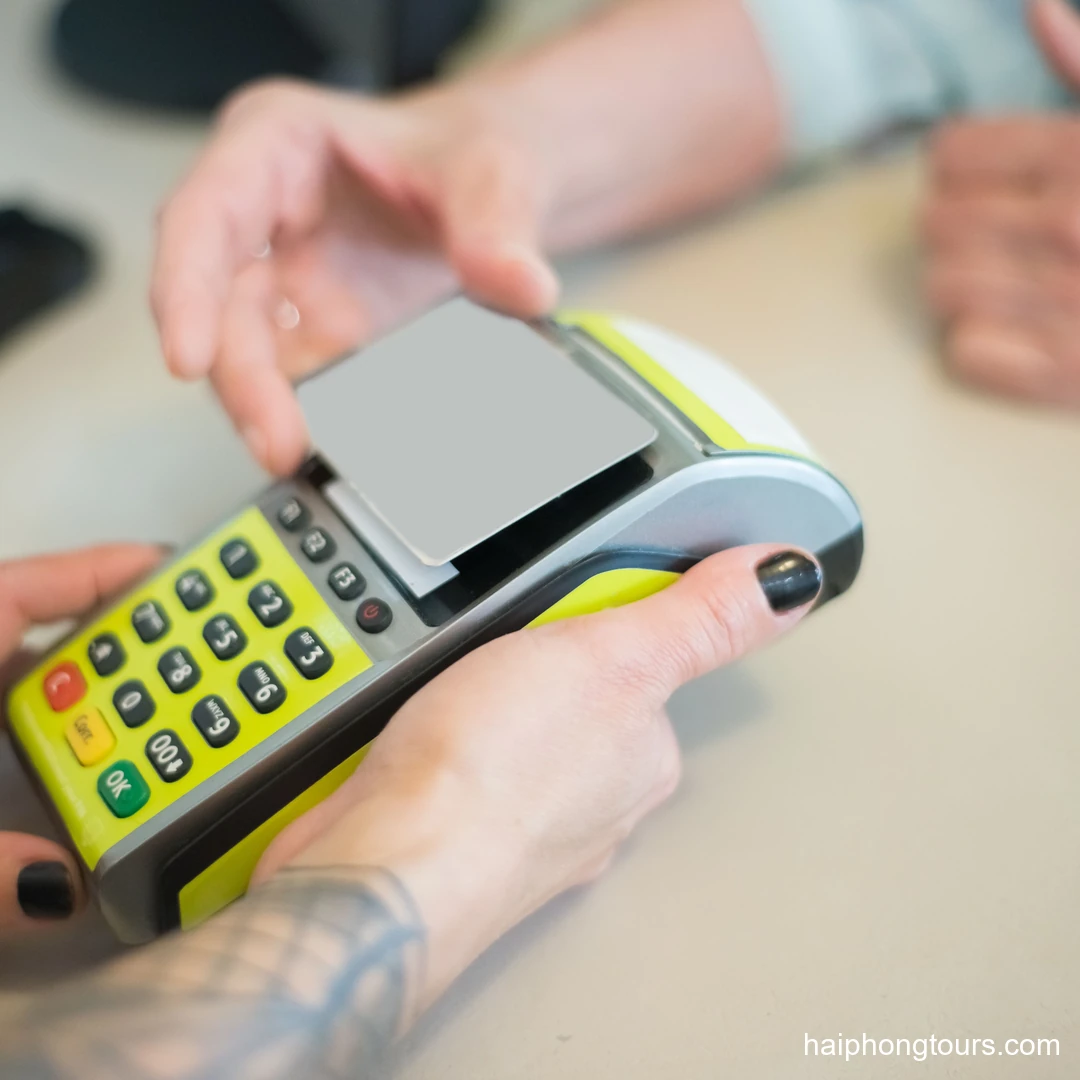
Share the minimum information needed. No metro or bank adviser needs a PIN, password, or one-time code.
Protect fixed commitments
A missed tap-out may not affect the completed ride, but resolving the medium can affect the next one. Use a paper single-ticket fallback if official staff recommends it and the original medium is not ready.
Hai Phong Tours advises resolving the entry-exit record before a fixed tour or transfer day. A separate provider cannot change the maximum metro segment or bank transaction.
Avoid another missed exit
Keep the medium accessible before the destination, follow the authorized gate, and wait for confirmation. With a group, each person should close the journey using the same personal medium that opened it.
If staff directs an assisted exit, ask how the record will be handled. Do not assume that walking through an open barrier automatically completes the tap-out.
Final recovery sequence
- Preserve the original medium and evidence.
- Record entry and actual exit details.
- Ask Hanoi Metro about the incomplete journey.
- Use the bank only for bank-side status.
- Follow the current review outcome without assuming a refund.
- Confirm the medium is ready before the next ride.
A missed tap-out should be solved as a traceable journey record. Official review, careful data protection, and consistent future gate use are more reliable than repeated taps or informal refund promises.
Rehearse the complete station decision
This rehearsal also exposes privacy risks. The traveler should know which document or screen may be shown, which data must remain hidden, and how to verify an official channel. Passport images, medical or student records, bank credentials, passwords, PINs, and one-time codes should never be exchanged merely to speed up a queue. The correct outcome is a valid passenger record and a traceable journey, not simply an open barrier.
Useful guides for your trip
Would you like help fitting this experience into your trip? Contact us with your travel dates, starting point, available time and group size. Tell us about walking limits or special interests so we can suggest a practical itinerary.