
Present a Hanoi Metro QR or supported card flat and steadily at the designated reader for the operator’s stated one-to-two-second read. Wait for the authorization signal before moving. Rapid swiping, slapping the reader, or repeated taps can create confusion and will not repair an invalid ticket.

Correct technique matters only after the ticket is valid for the passenger, line, duration, and journey. Prepare the right medium before the gate and use it consistently at entry and exit.
Prepare before joining the gate line
For an app QR, open the active ticket rather than a receipt or screenshot, raise screen brightness, clean the screen, and disable overlays that cover the code. Keep enough battery for exit.
For a paper QR, keep the code flat, dry, and unfolded. For a supported card, remove it from a wallet containing other contactless cards so the reader sees one medium.
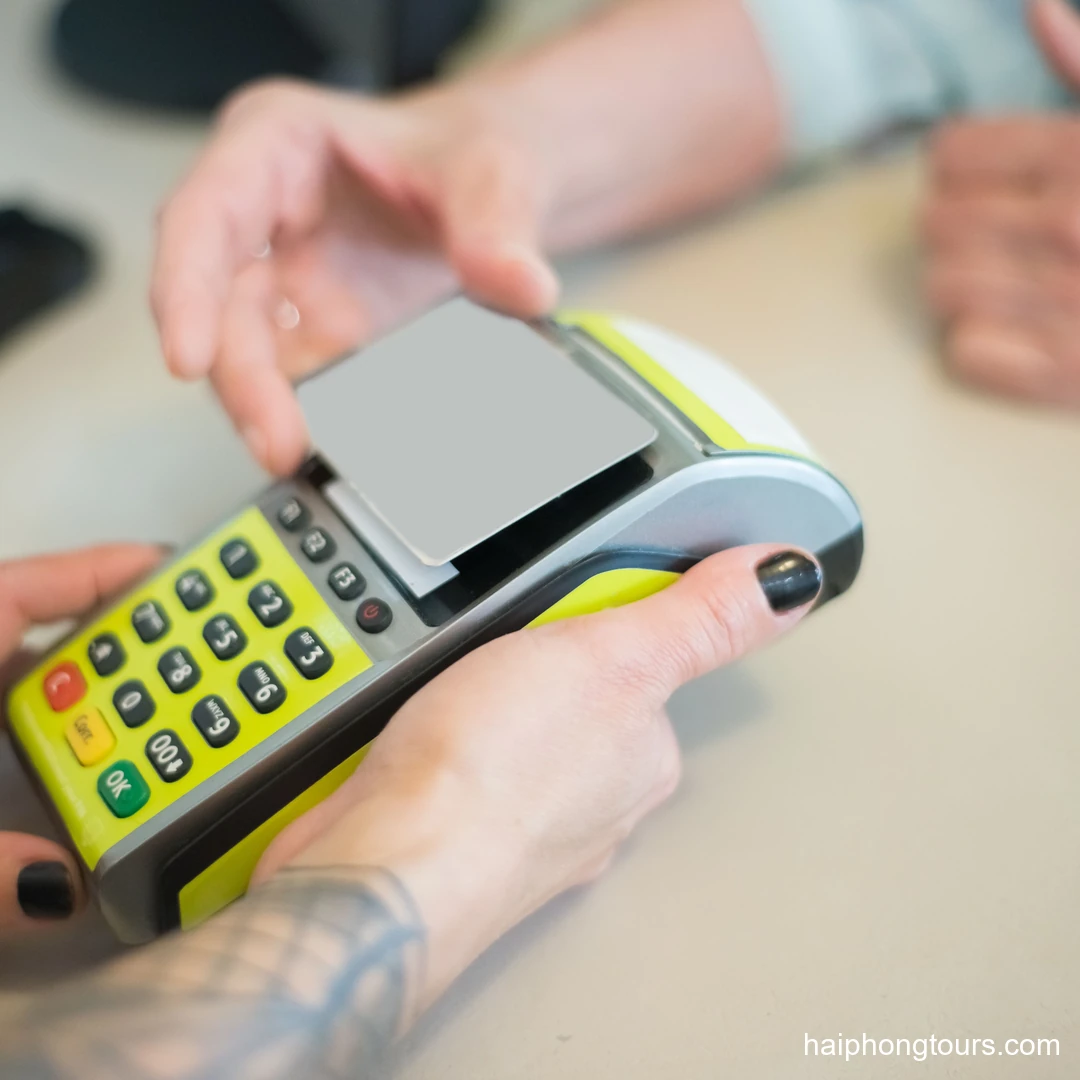
Find the correct reader
Follow the gate markings and current station instruction. QR optical readers and contactless card areas may be different. Do not press a phone against a card target or wave a card over the QR window without confirming the design.
Ask uniformed staff when signage is unclear. Do not copy another passenger’s movement if that person uses a different medium.
Use a controlled presentation
Center the code or card over the indicated area and hold it still for one to two seconds. Watch for the light, sound, screen message, and barrier. Move through only after authorization.
Keep bags and clothing from covering the sensor. One passenger should complete the gate movement before the next person presents a medium.
Keep entry and exit consistent
Use the same QR, paper ticket, chip identity card, NFC medium, or bank card that created the entry record. Do not switch because another item is easier to reach at exit.
Keep each family member’s ticket separate. Passing phones or cards across the barrier can mismatch records.
Diagnose technique versus entitlement
A “no read” may improve after correct positioning, but an expired, inactive, wrong-destination, missing-entry, or ineligible ticket needs staff. Limit attempts and read the gate message.
If one careful second attempt fails, move aside and ask uniformed staff. State the medium, ticket type, passenger category, station, line, and entry or exit state.
Do not create a duplicate journey
Before trying another gate or medium, ask whether the first scan recorded anything. Repeated taps can produce an uncertain sequence. Do not buy a duplicate until staff checks the original.
If a replacement paper ticket is required, preserve the original and receipt. The fallback does not automatically refund or extend another product.
Protect phones, cards, and identity
Keep the device unlocked only as long as needed and retain it in your hand. No helper needs the phone passcode, app password, banking PIN, or one-time code.
Do not photograph or share active QR codes. Keep identity cards with their owners and report loss through official channels.
Scan safely with children or luggage
Organize bags before the barrier and keep children beside the responsible adult. Ask staff for an assisted gate when a stroller, wheelchair, or large luggage makes the standard lane unsuitable.

Do not hold a closing barrier or rush after a companion. Reunite in the staffed area if the group becomes separated.
Allow time for a failed read
Gate technique usually takes seconds, but a record correction may take longer. Build a buffer before a train, tour, or airport connection. Published frequency is not a guaranteed arrival.
Hai Phong Tours recommends testing the current medium on a flexible journey before relying on it for a fixed meeting. Another provider cannot correct a metro gate record.
Quick technique checklist
- Correct active ticket is ready.
- Screen is bright or card is isolated.
- Correct reader is identified.
- Medium is held still for one to two seconds.
- Authorization is received before passing.
- Same medium remains available for exit.
Good scanning is slow enough for the reader and disciplined enough to stop when the ticket state, not the hand movement, is the problem. One careful presentation followed by official help is safer than repeated swipes or forced passage.
Rehearse the complete station decision
This rehearsal also exposes privacy risks. The traveler should know which document or screen may be shown, which data must remain hidden, and how to verify an official channel. Passport images, medical or student records, bank credentials, passwords, PINs, and one-time codes should never be exchanged merely to speed up a queue. The correct outcome is a valid passenger record and a traceable journey, not simply an open barrier.
Useful guides for your trip
Would you like help fitting this experience into your trip? Contact us with your travel dates, starting point, available time and group size. Tell us about walking limits or special interests so we can suggest a practical itinerary.