
Register Vietnam Airlines hearing-assistance service before departure and retain confirmation for each operating flight. The service can support airport and onboard communication, but the traveler should still agree on how staff will deliver important instructions.
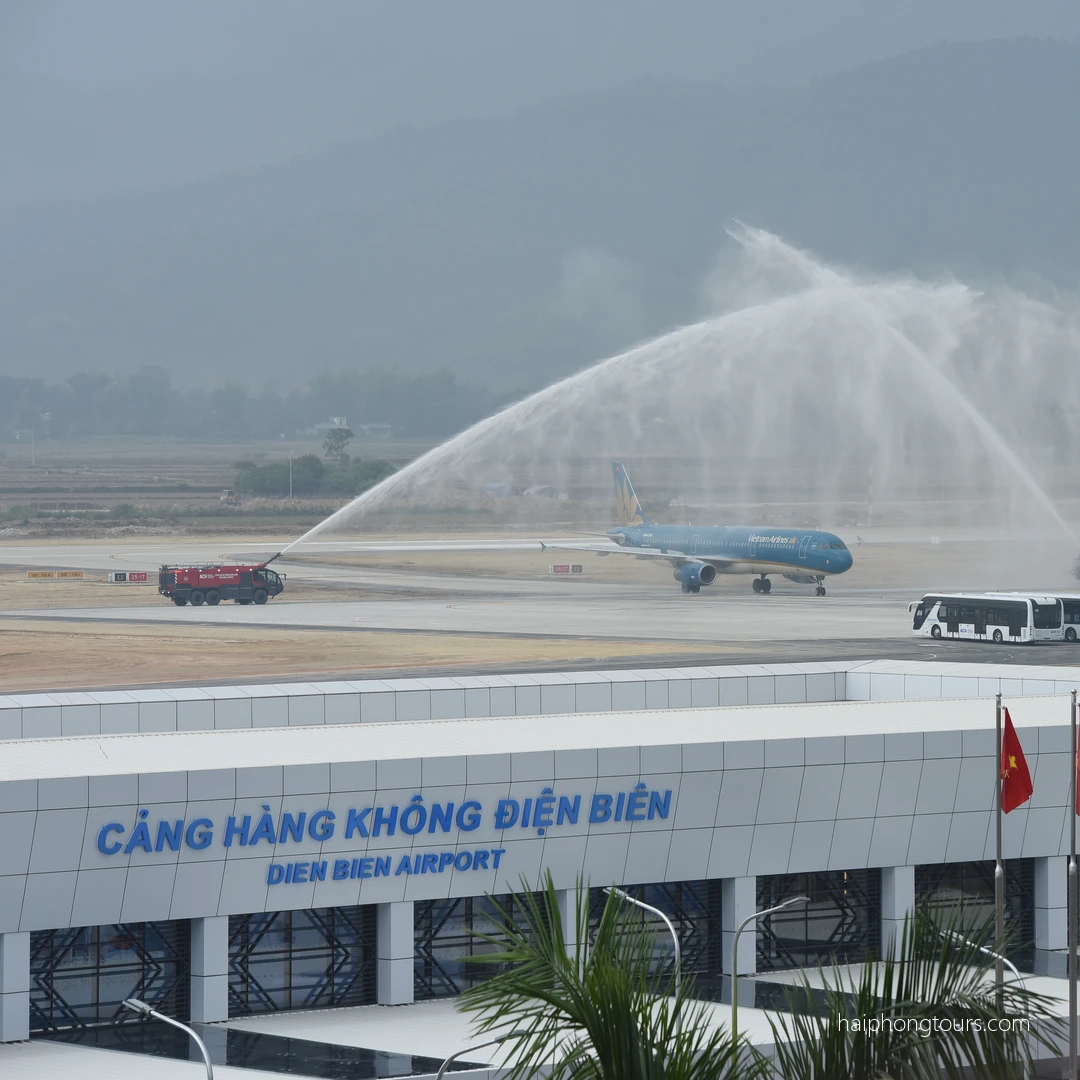
The official hearing-assistance page provides online and booking-management registration routes and asks passengers using contact channels to act at least 24 hours before departure. Treat the request as incomplete until Vietnam Airlines confirms the service for the actual operating flight. A ticket, form submission or earlier approval does not by itself guarantee equipment, staffing or medical acceptance after an itinerary change.
Start with the exact passenger need
State whether the passenger is deaf, hard of hearing or uses a hearing device, then describe the communication method that works best. This is more useful than asking staff to infer needs during a busy airport handoff.
Describe the assistance needed in practical terms without making a diagnosis. Give the booking reference, passenger name, route, flight number, date, operating carrier and connection details. State what the passenger can do independently, what assistance is requested and what equipment or companion will travel.
Hearing assistance is not a promise of personal care or medical treatment. Cabin crew must communicate safety information, but they are not substitutes for a companion when the passenger needs continuous individual help beyond the published service.
Prepare evidence before requesting the service
Keep the booking reference, service confirmation and an accessible written note of communication preferences. If a hearing device travels, bring its normal accessories and follow all battery rules without assuming airline staff can repair it.
For the service request, keep names, dates and flight sectors consistent across the ticket, identity document, service request and any medical or equipment record. Photograph or scan the final set for backup, while carrying originals whenever the airline requires physical documents at check-in.
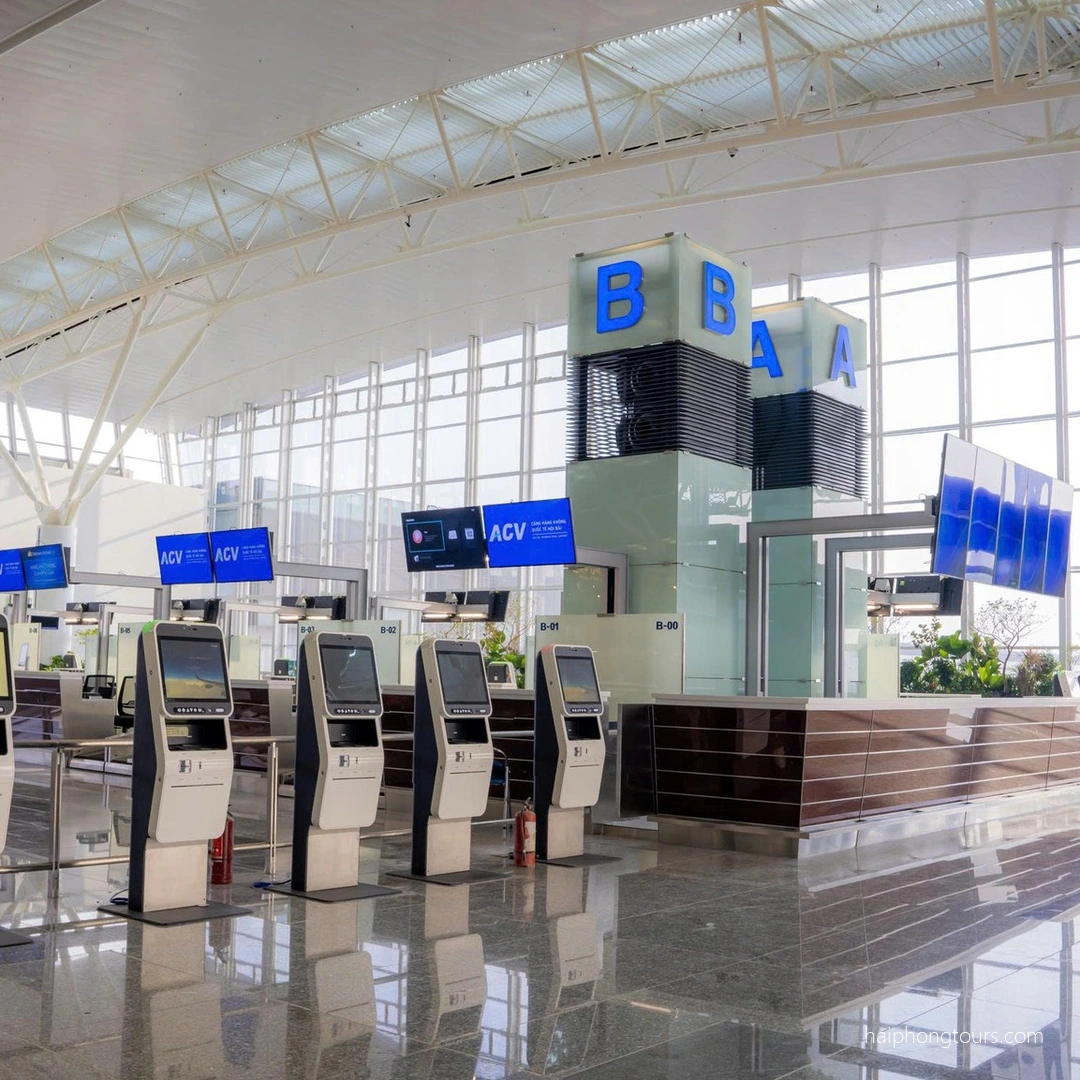
Choose a backup communication method such as written text, clear face-to-face speech or an agreed gesture. Confirm how gate changes, boarding calls and emergency instructions will reach the passenger.
Request and confirm the operating flight
Register during ticket purchase, through Manage Booking special services, or through the official sales or contact channel. When using the contact route, complete the request at least 24 hours before departure and ask for confirmation.
Record the date, channel and reference for the request. Ask for a response that identifies the accepted service, flight sectors and any remaining conditions. If a call handler gives only verbal guidance, follow up through an official channel and retain the written confirmation.
The assistance may involve priority-counter handling, suitable seating and staff communication. It does not guarantee that every airport has identical facilities, so verify the local handoff and the operating carrier.
Recheck changes before airport travel
A schedule or gate change can break an informal communication plan. Make sure the hearing-assistance record remains attached after rebooking and ask how the passenger will receive updates at the new airport.
Review the booking again before departure for aircraft swaps, schedule changes, rerouting or a different operator. These can alter space, equipment, staffing, seating or medical-service capacity. Reconfirm the arrangement rather than relying on the original record.
If the passenger’s condition, companion, mobility device or medical requirement changes, tell the carrier promptly. Do not conceal a material change to preserve an earlier confirmation. The airline must be able to reassess safe carriage for the current circumstances.
Use a controlled airport handoff
Arrive earlier than ordinary check-in planning requires and identify the confirmed service at the first counter. Ask staff to verify the preferred communication method before the passenger moves toward security or the gate.
At the first airline contact point, show the service confirmation and required documents, then explain the agreed handoff. Ask which staff member or desk owns the next step. Keep medicines, essential documents and approved small aids accessible rather than buried in checked baggage.
At boarding, confirm that gate and cabin staff know the passenger needs direct safety communication. On arrival, use the agreed assistance point rather than following a crowd without receiving the carrier handoff.
During the journey, the passenger and companion should follow safety instructions while preserving dignity and privacy. Cabin crew can provide the assistance described by the carrier but should not be expected to perform unapproved personal care, clinical treatment or tasks outside their training.
If the journey involves ground transport, give the driver only the practical information needed for a safe pickup, such as terminal, meeting point, luggage or mobility-equipment space and realistic transfer time. Do not disclose unrelated medical information or treat a road transfer as medical transport.

If the request is late or unavailable
If the 24-hour contact window is missed, request help immediately but do not assume acceptance. Consider a later flight or an eligible companion if the carrier cannot organize the necessary communication support.
Do not arrive expecting airport staff to create the requested service without notice. Ask the airline to identify the available options: a later flight, different aircraft, revised route, approved companion, corrected document set or another lawful arrangement. Keep the response with the ticket record.
If an operating carrier does not accept the Vietnam Airlines request, follow that carrier procedure or change the itinerary. Keep essential instructions available in writing while resolving the booking.
Final confirmation checklist
- Confirm passenger identity, condition or functional assistance need.
- Confirm the operating carrier and every flight sector.
- Confirm the request deadline, submission channel and approval status.
- Confirm required documents, equipment details and companion eligibility.
- Confirm capacity, airport arrival time and handoff points.
- Recheck all items after any booking or passenger change.
A successful hearing-assistance plan connects advance registration, a practical communication method and confirmed handoffs from check-in through arrival.
Useful guides for your trip
Need help with airport transfers or the rest of your Vietnam trip? Contact us with your confirmed flight details, destination and travel dates to discuss a suitable ground transfer or sightseeing plan.