
Hoa Lu is easy to underestimate. The surviving temples occupy a peaceful valley, but this was the political centre of Dai Co Viet at a decisive moment in Vietnamese history. A good visit is less about searching for a complete ruined palace and more about understanding why the capital was placed among limestone mountains, and why it later moved to Thang Long.
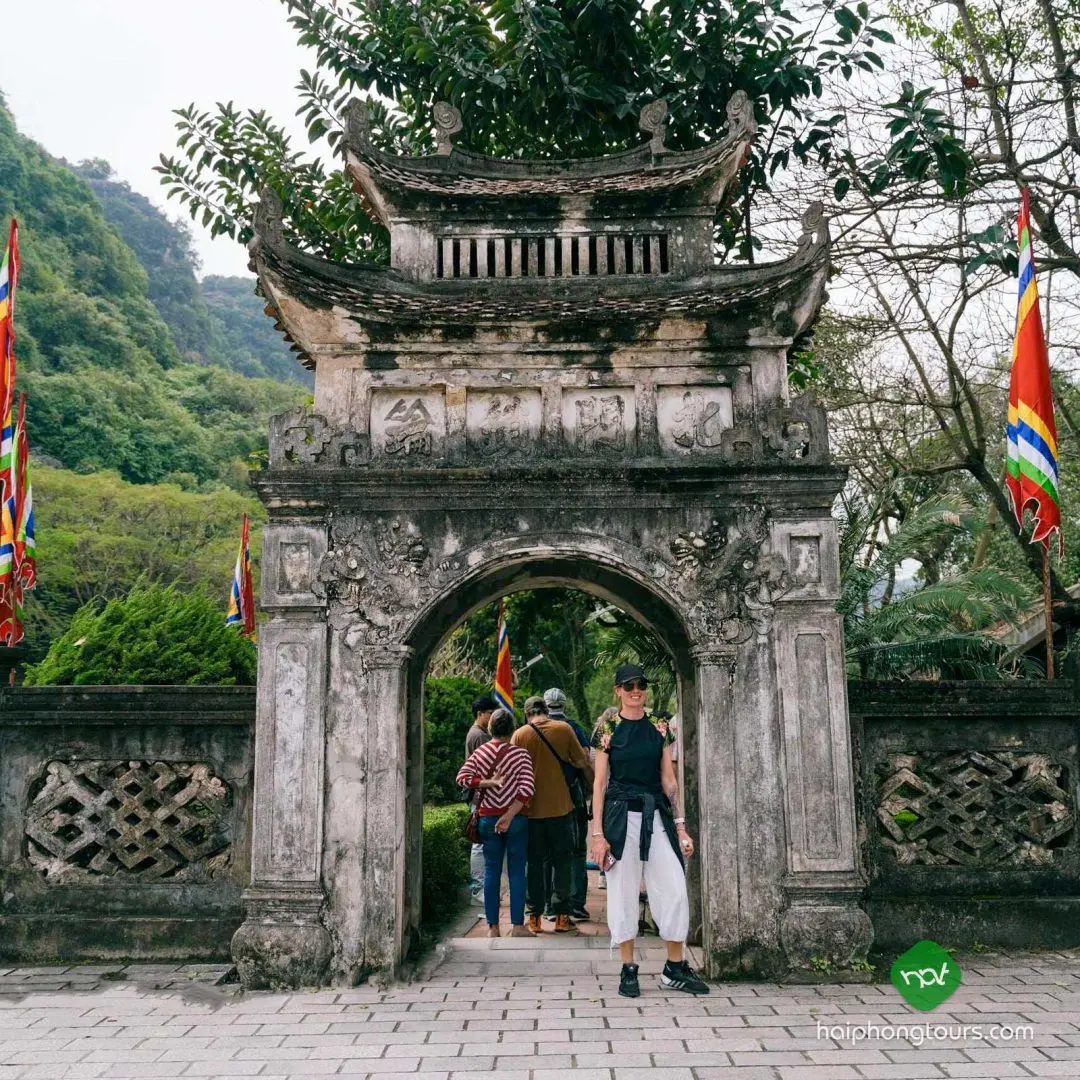
Hai Phong Tours recommends pairing Hoa Lu with one nearby landscape experience so the history and natural setting make sense together.
Why Hoa Lu matters
In 968, Dinh Bo Linh established his capital at Hoa Lu after unifying the country and proclaimed the state of Dai Co Viet. The site then served the Dinh and Early Le dynasties and the beginning of the Ly dynasty. In 1010, Ly Thai To moved the capital to Dai La, renamed Thang Long, while Hoa Lu remained an important place of memory and worship.
The surrounding karst peaks were not just a dramatic backdrop. They helped form natural defensive walls around the citadel. Rivers and wetlands also supported movement and protection in a period when political unity was still fragile.
For an earlier chapter of Dinh Bo Linh’s story, Hoa Lu Cave, also called Thung Lau, is a separate valley associated with his early base. Allow a separate journey and a stair climb; this is not an underground cave within the Ancient Capital.
What can you see today?
Temple of King Dinh Tien Hoang
This is one of the two principal temple complexes. Walk through the courtyards slowly and look for stone carving, timber details and the ceremonial sequence from outer gate to sanctuary. The present architecture reflects later rebuilding and restoration, so it should not be read as an intact tenth-century palace.
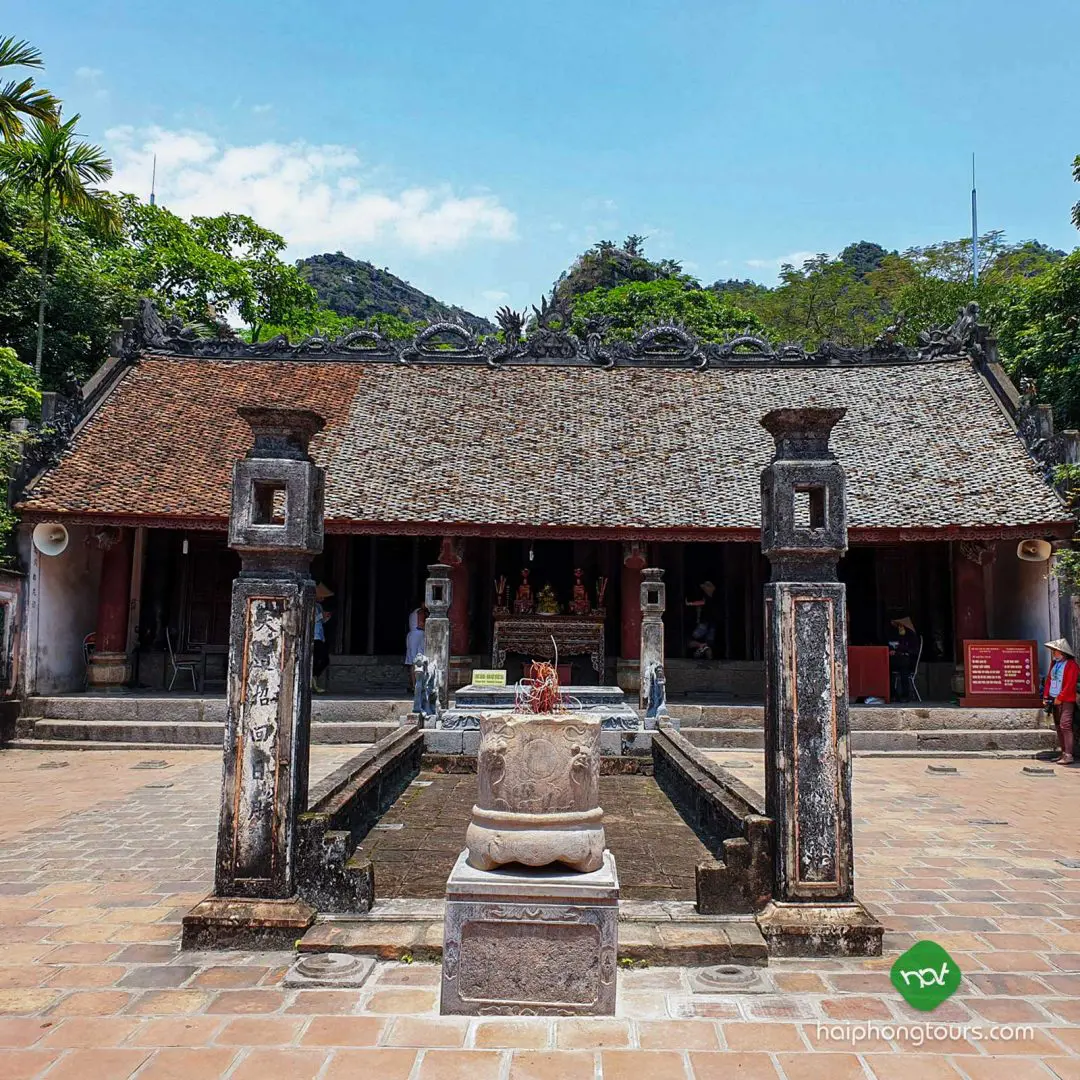
Temple of King Le Dai Hanh
Nearby, this temple commemorates Le Dai Hanh and figures connected with the Early Le court. Seeing both temples helps visitors understand the dynastic transition and the continuity of Hoa Lu as a sacred historical landscape.

Nhat Tru Pagoda and its tenth-century Buddhist pillar
For a closer connection with the Early Le period, continue to Nhat Tru Pagoda near the main royal temples. Its stone Buddhist scripture pillar was erected in 995 under Le Dai Hanh. This surviving object offers a different kind of historical evidence from the later temple buildings.
Look for the octagonal inscribed pillar beneath its protective pavilion just inside the pagoda grounds. Much of the lettering has weathered, so the visit is about observing the object and understanding its place in the former capital, rather than expecting to read a complete inscription. Do not touch the stone or attempt a rubbing.
Nhat Tru means “one pillar,” but this is a separate site from Hanoi’s One Pillar Pagoda. Build the short detour into your Hoa Lu walk, check the pagoda’s access before leaving the main temple area, and respect any worship in progress. A guide can connect the pillar with Buddhism’s role in the tenth-century court.
Ma Yen Mountain and the surrounding landscape
The saddle-shaped mountain stands between key parts of the site and provides physical context for Hoa Lu’s defensive geography. Steps and paths can be steep or slippery, especially after rain. Only use maintained, open routes.
Hoa Lu and the Trang An World Heritage property
Hoa Lu Ancient Capital forms part of the Trang An Landscape Complex, inscribed by UNESCO in 2014 for both cultural and natural values. UNESCO highlights the limestone karst landscape, long record of human occupation and the strategic establishment of Hoa Lu in the tenth and eleventh centuries.
This connection explains why Hoa Lu should not be treated as an isolated monument. The waterways, cliffs and valleys seen at nearby Trang An or Tam Coc are part of the same larger landscape story.
For a separate cultural extension, Thien Ton Cave and Pagoda introduces the guardian traditions surrounding Hoa Lu. Its cave shrine and carved stonework add a different focus from the royal temples, with a separate entrance and road journey.
How long do you need?
Allow 60–90 minutes for the two main temples and an unhurried walk. History enthusiasts may want two hours. Add more time only if a confirmed open route or temporary exhibition interests you.
- Best paired with Trang An: strong mix of history and a boat landscape.
- Best paired with Tam Coc: convenient for travellers staying around Tam Coc and Bich Dong.
- Best for a quieter day: combine Hoa Lu with countryside cycling and one smaller pagoda rather than two major boat sites.
Visitor etiquette and practical tips
- Wear clothing that covers shoulders and knees inside temple areas.
- Do not sit on thresholds or stand directly in front of worshippers.
- Carry sun protection and water; shade between buildings is limited.
- Check the official Ninh Binh tourism portal for current tickets, festivals and access notices.
- During the spring festival period, expect more domestic visitors and ceremonial activity.
Visiting from Hanoi or Hai Phong
From Hanoi, the most efficient day combines Hoa Lu with one major landscape experience. Travellers can compare a Ninh Binh day tour from Hanoi or choose a private Ninh Binh day tour for more control over pace. From Hai Phong, the Hai Phong–Ninh Binh day tour combines transport and sightseeing in one long but manageable day.
 Day Tour
Ninh Binh
Ninh Binh Day Tour from Hanoi: Multiple Itineraries
 Day Tour
Ninh Binh
Private Ninh Binh Day Tour: Ninh Binh Pickup & Drop-off
 Day Tour
Ninh Binh
Hai Phong Ninh Binh Day Tour: Fulfill 1 day, Transfers Included
Hoa Lu becomes far more rewarding once you stop looking for a single grand ruin. Read the temples, mountains and river plain together, and the logic of Vietnam’s first centralised imperial capital comes into focus.
Would you like help fitting this experience into your trip? Contact us with your travel dates, starting point, available time and group size. Tell us about walking limits or special interests so we can suggest a practical itinerary.