
K15 Numberless Ship Wharf in Do Son is a coastal memorial to the secret sea routes that carried supplies from northern to southern Vietnam during the Vietnam War. The remaining wharf piles, memorial plaza and reconstructed ship help explain a different side of Hai Phong from its beaches and food streets.
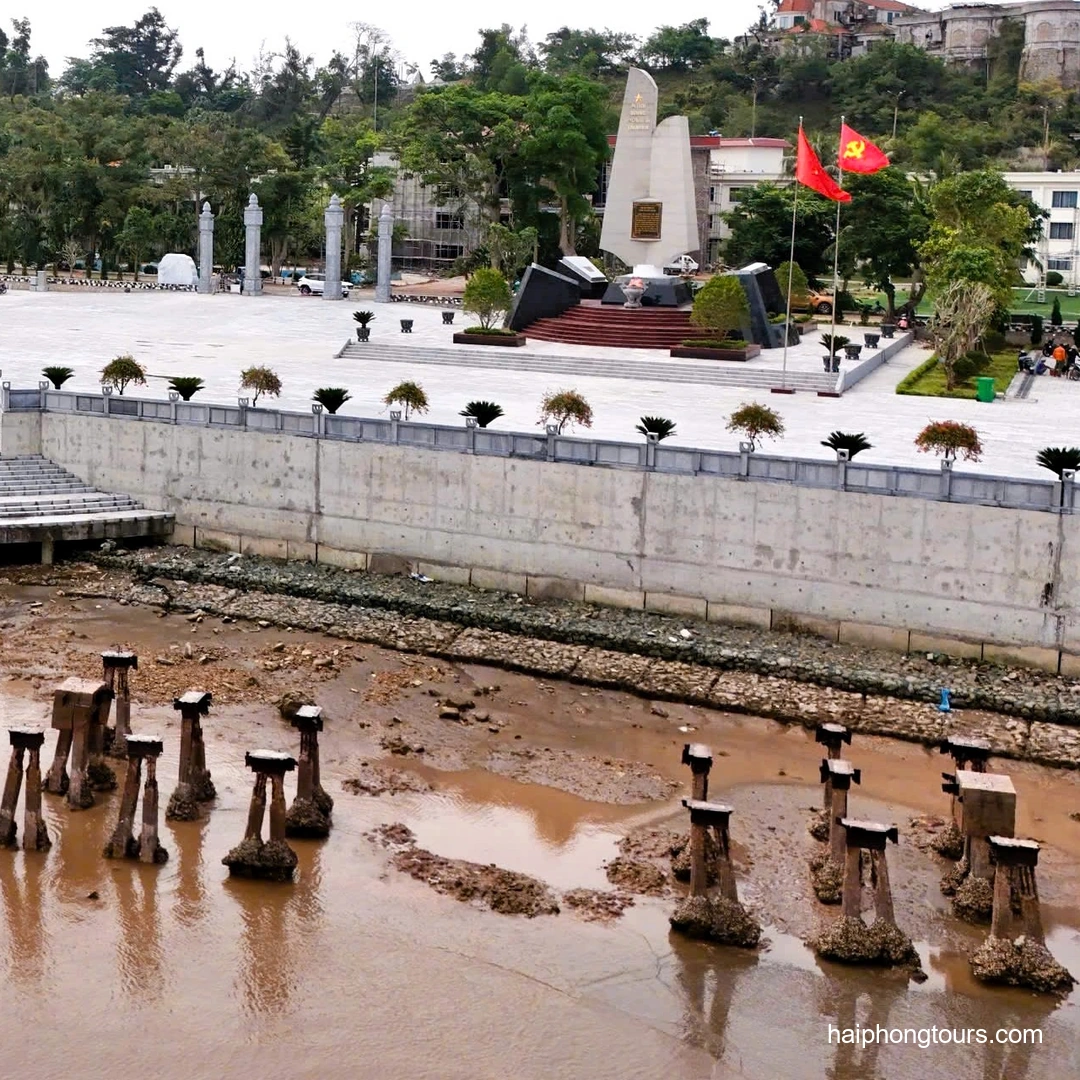
Allow roughly 45–60 minutes as a planning estimate if you want to understand the site rather than stop for a photograph. K15 works particularly well beside Bao Dai Villa on a mainland Do Son outing. It is a commemorative site, so its value lies in the history and the surviving traces of the old departure point.
Where K15 is, and which destination to show your driver
Ask for Bến tàu Không số K15 or Di tích Bến K15, Đồ Sơn, Hải Phòng. The site is at the foot of Van Hoa Hill, also called Nghinh Phong Hill, beside the Vung Set waterfront on the Do Son peninsula.
Use the specific K15 memorial pin when arranging a car. “Do Son pier” is too vague for a peninsula with several waterfront sites. Plan a visit to the memorial grounds; do not build the outing around taking a boat from the historic wharf.
The history that makes the waterfront meaningful
K15 was a departure point for the maritime Ho Chi Minh Trail, a covert supply network distinct from the better-known overland routes. On October 11, 1962, the wooden vessel Phuong Dong 1 left K15 carrying weapons to Vam Lung in Ca Mau. Later voyages transported supplies and personnel south by sea.
The “numberless ships” name refers to the clandestine fleet. Concealment and changing identities were part of its operation; the name should not be taken as a simple description of every vessel’s appearance throughout its service. Looking from the sheltered shoreline toward the sea helps put the departure point into context.

The memorial presents this history through Vietnamese naval remembrance. An English-speaking guide is useful if you want the connections between the ships, their destinations and the people commemorated here explained in more depth.
What is original and what belongs to the renewed complex
The restored memorial complex was inaugurated on May 14, 2026. Understanding the difference between surviving wharf remains and later commemorative construction makes a visit much more informative.
The old concrete wharf piles
The concrete piles at the water’s edge are surviving evidence of the former berth. View them from the public waterfront rather than climbing down onto the remains. Their visibility changes with the water level, so the shoreline may look different from photographs taken at low tide.
The ship and crew sculpture
The ship and figures in the renewed complex are a reconstruction commemorating the vessels and their crews. Treat this as a memorial installation rather than an original wartime ship that you can expect to board. The wider grounds also include a sail-shaped monument, a memorial shrine and a relief depicting General Vo Nguyen Giap with naval personnel.
The shrine and historical displays
The shrine contains a model of the maritime route alongside photographs, objects and letters associated with the crews. If the building is open during your visit, start with the route display before looking at the smaller exhibits: the destinations give the individual stories a clearer geographical setting.
Allow time for the outdoor memorial even if an interior space is unavailable. If the displays are your main reason for traveling, ask your guide or accommodation to confirm access for the day before arranging a dedicated trip.
A useful way to spend your time at K15
- Locate the historic departure area. Begin at the waterfront and identify the old piles before looking at the reconstructed ship.
- Follow the route story. Use the information displays or your guide to connect K15 with the southern landing points.
- Visit the memorial quietly. Leave space for people offering incense or attending a ceremony.
- Finish with the broader coastal setting. A final look across the water helps connect the small surviving structures with the much larger sea journey.
Choose a daylight visit with enough time before your next stop. Bring sun protection for the exposed waterfront and footwear with grip. In heavy rain or strong coastal wind, shorten the outdoor visit rather than getting close to the water for a photograph.
Cover shoulders and knees when entering the shrine, keep voices low and follow any instructions about shoes or indoor photography. For limited mobility, confirm the drop-off point and access to the specific spaces you want to see; a landscaped plaza does not establish that the whole visit is step-free.
Getting there and combining K15 with other Do Son stops
From central Hai Phong, arrange a car or taxi with a clear waiting or return arrangement. K15 and the other Do Son heritage sites are separate stops, so keep transport between them in your plan. Confirm the day’s entry arrangements and which interior spaces are accessible, especially if you are traveling specifically for the displays.
Bao Dai Villa makes a useful companion visit: its royal residence and hill setting contrast with K15’s maritime history. For a broader circuit including temples and viewpoints, use the Do Son heritage route to choose the stops that interest you instead of trying to see everything.
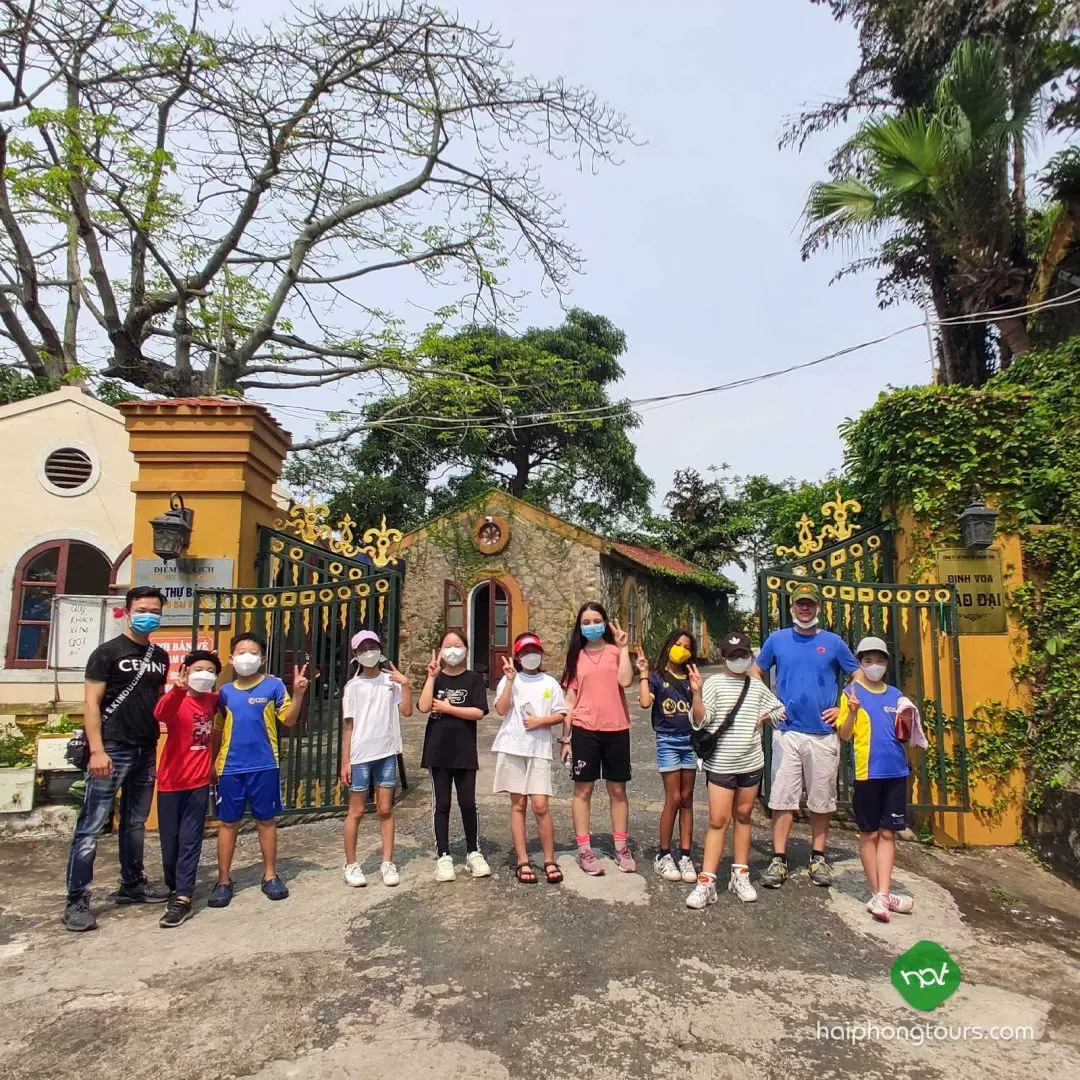
For visitors who want transport and historical explanation together, the Hai Phong City Tour through Do Son includes K15, Bao Dai Villa, Ba De Temple and Tuong Long, with a private vehicle, an English-speaking guide and hotel pickup in Hai Phong. Morning and afternoon departures are listed. Hai Phong Tours recommends mentioning K15 when booking if wartime history is your main interest, so the time available here can be discussed before the itinerary is agreed.
Keep a buffer after the half-day tour rather than scheduling a train or airport departure immediately afterward. For an independent visit, one or two companion stops give K15 more breathing room than a rushed full-peninsula checklist.
Useful guides for your trip
Would you like help fitting this experience into your trip? Contact us with your travel dates, starting point, available time and group size. Tell us about walking limits or special interests so we can suggest a practical itinerary.