
Ky Quan San, often advertised as Bach Moc Luong Tu, is a demanding mountain trek on the Lao Cai–Lai Chau boundary. The summit is 3,046 meters high, and the usual itinerary from the Sang Ma Sao side takes three walking days with two nights in mountain huts. Choose it for sustained climbing, changing forest and high ridges, with cloud views as a possible bonus.
Foreign travelers should settle access before paying for transport. Participation depends on the organizer accepting your nationality, dates and exact route and completing the required local arrangements. A bookable departure or an English tour description is not permission to enter independently. Confirm this first, then compare the walking demands and sleeping conditions.
Ky Quan San, Bach Moc Luong Tu and the correct trailhead
Both names commonly refer to the same trekking objective. For the Lao Cai approach, specify Ky Quan San village in the Sang Ma Sao area, rather than sending a driver the summit pin. Sapa is a useful meeting base, but it is still a separate road journey from the trekking start.
A second approach comes from the Sin Suoi Ho side in Lai Chau. The route, overnight stops and exit transport are different. The itinerary below follows the Sang Ma Sao approach and returns the same way; a traverse to Lai Chau needs its own confirmed plan.
How difficult is the trek?
Plan for roughly 27–30 kilometers across three days on the commonly offered return route, with the actual walking distance affected by the lower approach and any motorbike section. The first climb and the summit return can each occupy around seven to eight hours, including the day’s stops. Wet conditions or a slower group can extend the day.
The challenge includes repeated climbs and descents, uneven forest paths, streams and exposed ridge sections. A summit height of 3,046 meters does not describe the total ascent: the path loses and regains height. The return journey still requires concentration when your legs are already tired.
This is a substantial step beyond a casual Sapa village walk. You should be comfortable with consecutive long days on steep, uneven ground and with being far from road access. Share recent hiking experience with the organizer, including how you manage sustained descents and exposed paths; a fitness label such as “active” gives too little information.
For a shorter mountain commitment, compare the two-day Lao Than trek, which has its own foreign-visitor access checks. For shorter walks across several regions, use the North Vietnam hiking guide.
The Nhiu Co San trekking guide covers another overnight mountain option, with Ong Chua Waterfall, steep forest walking and different bus or train arrangements. Confirm foreign-guest acceptance and the summit schedule before comparing departure prices.
Salt Hill sunrise is different from reaching the summit
Nui Muoi, also called Salt Hill, is the cloud-viewing area close to the mountain huts at around 2,100 meters. Many itineraries watch sunrise here, return for breakfast and only then begin the summit walk. Your main summit visit is therefore normally later in the day.
Between the hut and the summit, the route climbs over intermediate high points and narrow ridges before reaching higher forest. Allow a full day to go up and return to the hut. Do not choose a package because a sunrise photograph appears beside the summit name.
If the cloud viewpoint matters more than summiting, discuss that before booking. Stopping at the hut still involves a serious climb, and remaining there while a group continues requires agreed staffing and sleeping arrangements. It is not a road-accessible lookout or an automatic easy alternative.
Three walking days can mean four nights away
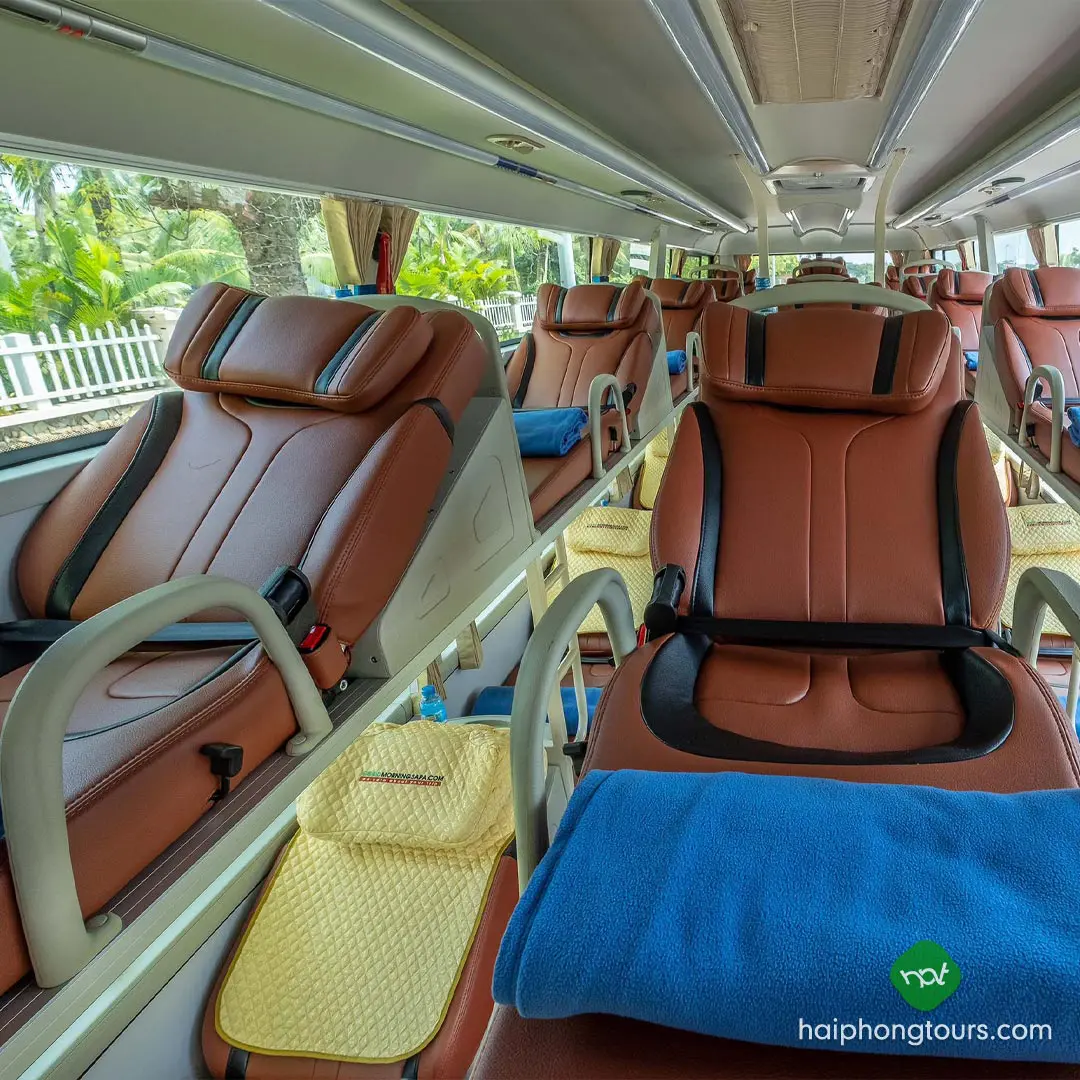
A common Hanoi package uses an overnight sleeper bus before the trek, two hut nights and another overnight bus afterward. “Three days, two nights” may describe only the mountain portion. Put both road journeys on your calendar before arranging hotels or flights.
Arrival and day one: Sapa to the mountain hut
Groups arriving by sleeper bus usually have breakfast and sort luggage in Sapa before the road transfer toward Sang Ma Sao. Allow roughly two hours for that mountain-road leg as a planning estimate, then time for the final approach and briefing.
Confirm exactly where the car stops. Some programs use a local motorbike transfer before the walking trail; the distance and whether it is included vary. If you do not want to ride, settle the extra walking and earlier start in advance rather than discovering the arrangement at the drop-off.
The climb passes cultivated slopes and forest before reaching the booked hut in the late afternoon. A delayed road arrival reduces the walking daylight, so the first day needs a firm start and a realistic pace.
Day two: summit and back to the same hut
After any nearby sunrise outing and breakfast, leave overnight equipment at the hut if that is your agreed route. Carry your own rain layer, warmth, drinking water, food and other essentials for the whole summit day. The usual plan returns to the same hut for a second night.
The summit is a conditional objective. Agree who accompanies someone turning back, and follow the guide’s turnaround decision if weather or the group’s condition changes. Reaching the marker late is not useful if it leaves the descent in poor light.
Day three: descend, return to Sapa and continue
Descend to the arranged exit and rejoin the road transfer. Packages may include a meal or washing stop in Sapa before the night bus, but neither an afternoon arrival nor a hotel room is automatic.

Staying in Sapa after the trek removes the immediate overnight journey and leaves space for delays. If you return to Hanoi by night bus, avoid tying the expected early-morning arrival to a tight flight connection.
Arrange foreign-guest access and an understandable briefing
Contact MAM Travel about its Ky Quan San program. Its program has terms for foreign guests; request a written answer covering your nationality, passport requirements, departure date and the precise Sang Ma Sao route before making a payment.
The confirmation should identify who handles local access and overnight registration, what happens if entry is refused or the route closes, and whether the quoted total includes any foreign-guest charge. A surcharge is not itself an entry permit. Do not assume an arrangement available to a Vietnamese group applies to you.
Request an English-speaking guide explicitly. A local porter who knows the trail and a guide who can explain route changes in English perform different roles. Establish the group size and support for different walking speeds, especially if joining alone.
If you want to sleep in Sapa before the trek, obtain the organizer’s agreement to a Sapa meeting point first. The private Hanoi-to-Sapa transfer can handle the separate journey to your Sapa hotel. The onward trailhead vehicle, mountain access and trekking team remain separate arrangements.
What the mountain nights involve
Expect simple communal huts rather than private lodge rooms. The standard programs use huts around 2,100 meters, with bedding, meals and basic toilet arrangements. Ask for the actual hut and sleeping layout; hot washing water, privacy and space vary.
Keep dry sleeping clothes separate from your walking gear. Bring earplugs if shared sleeping is difficult, a headlamp for nighttime toilet trips and enough power for the journey. Plan without dependable mobile reception or charging.
Confirm the personal porter allowance and the drinking-water refill plan. A small daily bottled-water allocation is not a complete description of your supply for a long walking day. Keep essentials with you even when a porter carries your overnight bag, and communicate dietary requirements before the food is carried uphill.
Season, visibility and reasons to change the plan
Autumn through spring is the usual period to investigate, with many programs operating from September to May. Cold mornings, wind and fog remain possible. The useful cloud scene is a layer below the viewpoint; being inside cloud can hide everything.
Choose dates around trail conditions as well as scenery. Heavy rain affects footing, streams and the lower access road, while a clear forecast for Sapa does not establish conditions on the mountain. Keep a flexible objective and ask the local team about the latest conditions before departure.
If your main wish is a mountain view without several days of hard walking, the Sapa plan without trekking offers a different type of trip. Ky Quan San makes sense when the long climb, shared huts and forest journey are part of what you want, even if clouds conceal the summit view.
Would you like help fitting this experience into your trip? Contact us with your travel dates, starting point, available time and group size. Tell us about walking limits or special interests so we can suggest a practical itinerary.