
Quick answer: Remove or re-route a device whose battery is above Vietnam Airlines’ published 160-Wh passenger-baggage threshold. Acceptance depends on the operating carrier, readable marking, rating or capacity, item configuration, quantity, packing location, and any approval requirement. Check every one of those points before travel rather than relying on the item’s everyday name.

Moving an over-threshold item from checked baggage to the cabin does not solve the problem. The published result is not allowed in both locations. The relevant Vietnam Airlines page describes the permitted category, but airport staff must still be able to identify the actual item and apply the current rule.
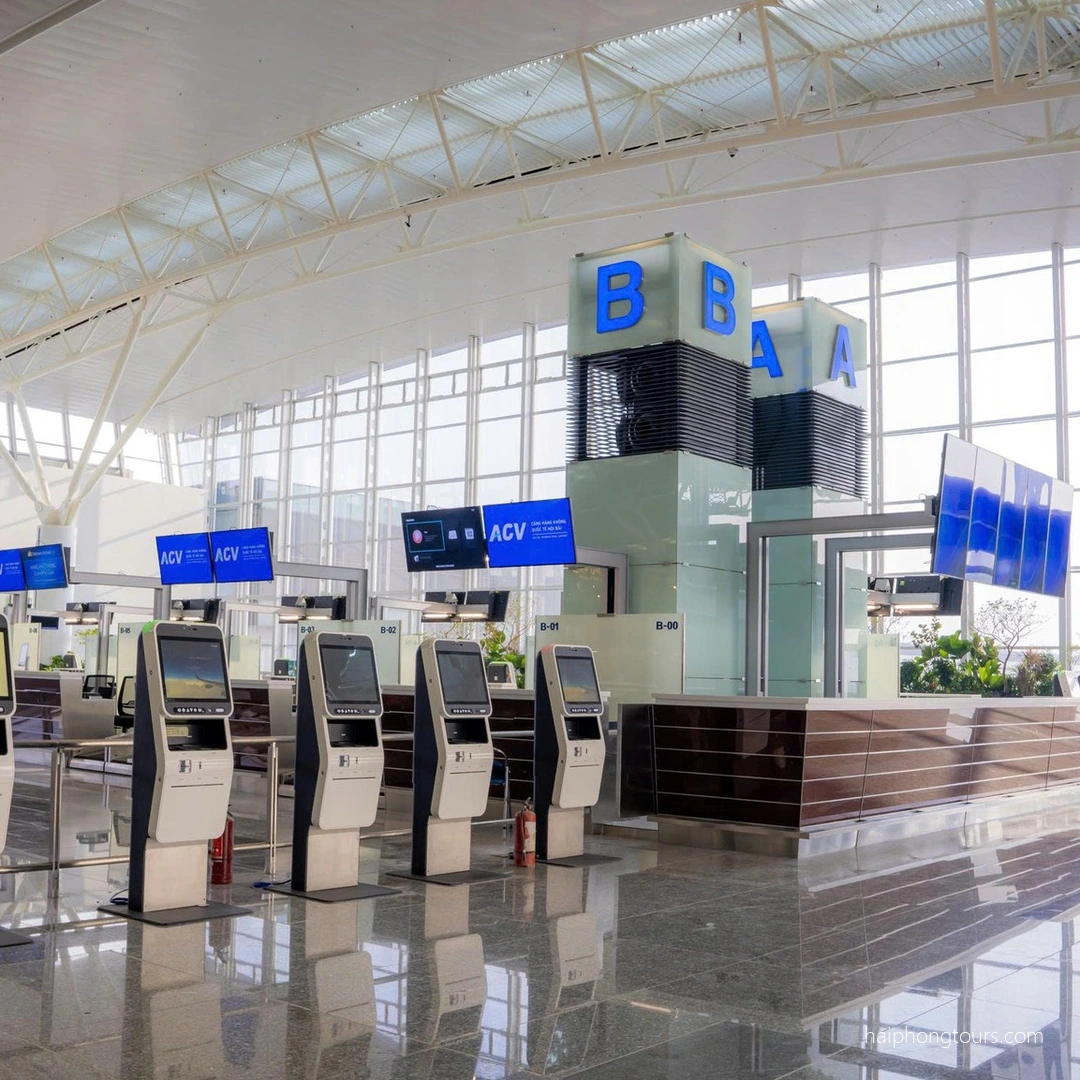
The published rule for a lithium battery above 160 Wh
Vietnam Airlines’ passenger-baggage table marks devices over 160 Wh, or lithium-metal batteries over 8 g, as not allowed in either hand or checked baggage. Power banks in that category are also not allowed.
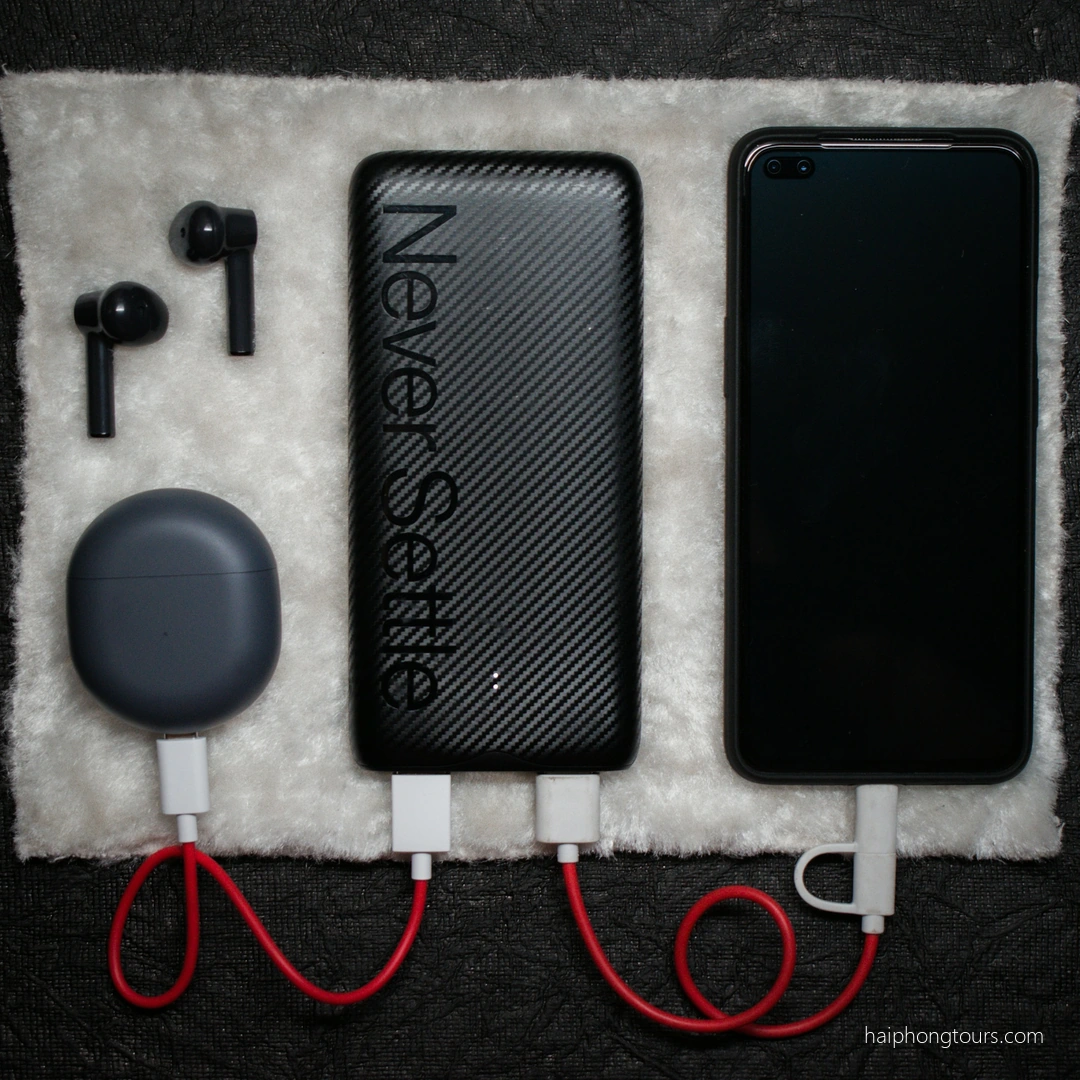
Read every threshold and condition for a lithium battery above 160 Wh together. A capacity limit does not cancel a location rule, a quantity limit does not prove the chemistry is permitted, and protective packing does not make an otherwise prohibited item acceptable. When the page says to contact Vietnam Airlines, do that before reaching the airport.
Identify the item correctly
Verify the label and product documentation before traveling to the airport. Do not convert voltage and amp-hours unless the necessary manufacturer data is reliable and the result can be checked. A model name alone may not establish the information the carrier needs. Use the label on the item and reliable manufacturer documentation; do not infer a missing watt-hour, voltage, lithium-content, or container-capacity value from appearance.
When classifying a lithium battery above 160 Wh, separate installed equipment, removable batteries, spare batteries, power banks, smart luggage, liquids, aerosols, and mobility aids. These categories can have different cabin, checked-baggage, quantity, and protection conditions. Hai Phong Tours is not an airline or screening authority; travelers should keep the exact item details ready for the operating carrier.
Check the operating carrier and complete itinerary
For a lithium battery above 160 Wh, a Vietnam Airlines flight number does not by itself prove that Vietnam Airlines operates every sector. Check the carrier on each leg, including codeshares and connections. Another airline, airport, or country may add restrictions, so this item must satisfy every applicable stage of the journey.
Map where each item covered by a lithium battery above 160 Wh will be during check-in, screening, boarding, flight, connection, and arrival. If a cabin bag might be checked at the gate, remove anything cabin-only before surrendering it. If checked baggage must be collected and screened again, confirm the next sector’s conditions as a new step.
Create a verifiable packing record
Resolve uncertain specifications before check-in. For a lithium battery above 160 Wh, keep photographs of the full item, label, terminals or closure, and relevant design feature. Record the count and intended packing location. Documentation supports a clear conversation, but it does not guarantee acceptance or override a decision by the airline or screening authority.
- Confirm the operating carrier for every sector.
- Read the rating, capacity, chemistry, or container volume from a reliable source.
- Identify whether a battery is installed, removable, spare, or part of smart luggage or a mobility aid.
- Count all units against the applicable per-passenger limit.
- Protect terminals, controls, valves, closures, or the complete device as the category requires.
- Place the item in cabin or checked baggage only where the current rule permits it.
When to contact Vietnam Airlines
Contact the airline before departure whenever an item covered by a lithium battery above 160 Wh has an unreadable label, unusual design, boundary rating, removable component, medical purpose, or stated approval condition. Give the exact flight, operating carrier, item count, manufacturer, model, chemistry, rating, dimensions where relevant, and intended baggage location. Ask what evidence must be shown at check-in.
Keep the response about a lithium battery above 160 Wh with the booking and recheck it if the itinerary or operating carrier changes. Advance guidance can clarify preparation, but it is not permission to alter the item, ignore screening instructions, or assume a different carrier will apply the same rule.
Do not use arithmetic to hide uncertainty
If this decision about a lithium battery above 160 Wh involves a battery, ratings may sometimes be calculated from reliable voltage and amp-hour data, but a traveler should not invent missing inputs or treat an estimate as a manufacturer’s marking. Similar models may contain different cells. If a readable rating is needed, obtain documents identifying the exact model and battery.
Liquid rules also turn on container capacity, category, purchase location, seal, route, and exception evidence. A small remaining amount inside a larger container may still fail a container-size rule. Work from the published wording for a lithium battery above 160 Wh, not from a general memory of airport policy.
Correct the problem before baggage handover
An over-limit item should be removed from the journey early. Arrange compliant cargo or specialist transport where available, use a lower-rated approved device, rent equipment at the destination, or leave the item behind. Do not remove or cover the label to avoid scrutiny. Do not conceal an item, alter a label, split it into misleading categories, or move a cabin-only battery into checked baggage. Follow staff instructions if a problem is discovered at the airport.
Alternatives for a lithium battery above 160 Wh may include leaving it with a lawful non-traveling custodian, replacing it with a clearly marked compliant version, buying or renting suitable equipment after arrival, repacking within the published liquid rules, or arranging specialist transport. The workable option depends on the exact item and route.
Final decision checklist
Carry an item covered by a lithium battery above 160 Wh only when its identity, rating or capacity, configuration, count, protective packing, and location can all be verified. Recheck the operating carrier and any approval requirement shortly before departure. If a label is unreadable, a threshold is exceeded, the item is wrongly packed, or acceptance remains uncertain, use the planned fallback rather than asking airport staff to accept an assumption.
Need help with airport transfers or the rest of your Vietnam trip? Contact us with your confirmed flight details, destination and travel dates to discuss a suitable ground transfer or sightseeing plan.