
For a first village visit around Sapa, choose Cat Cat for a developed visitor route close to town, Lao Chai and Ta Van for a walk through the Muong Hoa Valley, or Ta Phin for Red Dao textile traditions and herbal baths. If you have more time, consider Sin Chai, a guided route through Y Linh Ho, or an overnight stay farther down the valley in Ban Ho.
You do not need to visit all seven. These are communities and landscapes to spend time in, with different terrain and visitor facilities. One well-chosen walk, conversation or overnight stay is more rewarding than a day spent driving between village names.
Choose a village route that fits your trip
- A half-day near Sapa: Cat Cat, if you are comfortable with many steps; Sin Chai is a separate option for a village walk beyond the Cat Cat area.
- A full walking day: a guide-selected route through part of the Y Linh Ho–Lao Chai–Ta Van area, with road transport where needed.
- A village stay: Ta Van for a base in Muong Hoa Valley; Ban Ho for more time in the lower valley.
- Crafts and a herbal bath: Ta Phin, arranged around an actual workshop or bathhouse booking.
- Limited walking: a vehicle-accessible homestay or workshop with a short local walk. Confirm steps and the final approach before choosing a property.
Seven villages around Sapa
1. Cat Cat: a developed visitor route with steps and a waterfall
Cat Cat is a Hmong village and tourist area reached downhill from central Sapa. Its visitor route brings together wooden houses, craft shops, cultural presentations, cafés and the waterfall area.
Choose it if you want a clearly established sightseeing stop without committing to a long countryside trek. Expect a managed tourism setting, including places arranged for visitors and photography, alongside local cultural features.

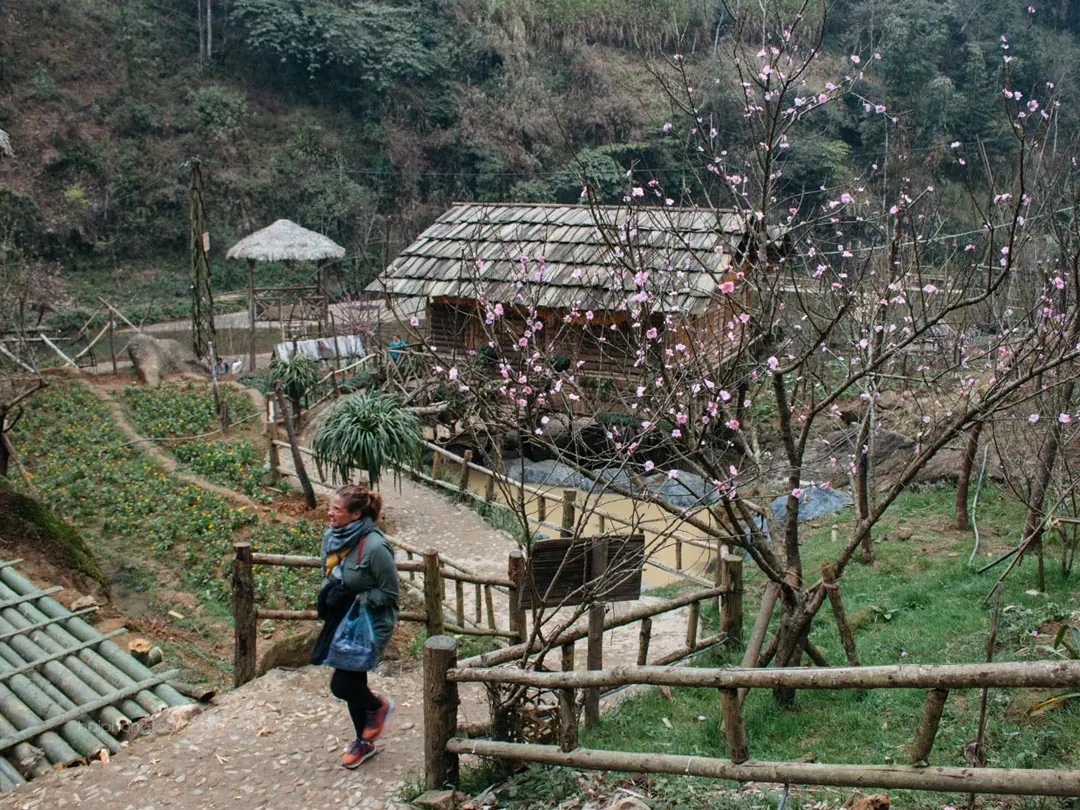
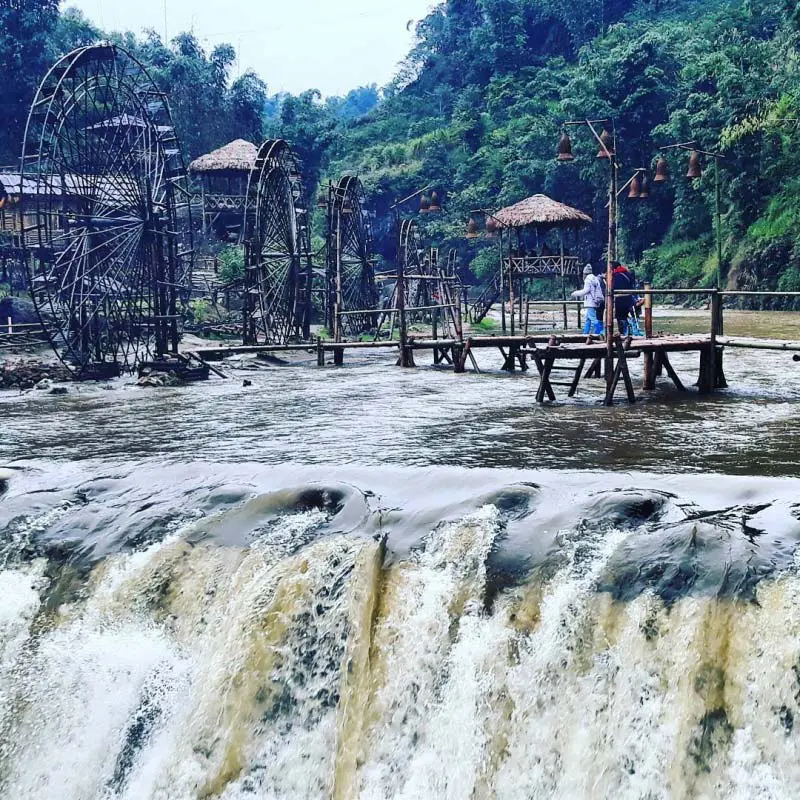
Streams, wooden waterwheels and walking paths in Cat Cat Village.
The short distance from town does not make it a flat walk. Much of the route uses stone steps, with a descent into the village and an uphill journey afterward. Agree on the return pickup point if you want to avoid walking all the way back to Sapa.
Allow: a relaxed half-day including transport and stops. Check the current admission charge and ask which activities, rentals or purchases cost extra.
2. Sin Chai: a separate Hmong village beyond Cat Cat
Sin Chai, also written Sín Chải, is a Hmong community beyond Cat Cat on the same general side of Sapa. Wooden homes, agricultural land and textile-related work give a village walk a different focus from the managed Cat Cat visitor route.
Sin Chai and Cat Cat are not two names for the same village. Specify the Sin Chai near Cat Cat when arranging transport or guiding, since similar place names appear elsewhere in the northern mountains.
Ask a local guide or host which paths are suitable and where a driver can collect you. A village lane may be straightforward while a footpath through fields adds uneven ground or climbing.
Best suited to: a slower local walk, with time for an arranged craft visit or conversation. Private homes and workspaces are not automatically open to visitors.
3. Y Linh Ho: a walking route through the hills
Y Linh Ho is associated with the Hmong communities and terraced landscapes around Muong Hoa Valley. It is often included in trekking routes that continue toward Lao Chai and Ta Van.
Think of it as part of a walking itinerary rather than a single roadside attraction with a universal entrance. Different guides use different starting points and trails, so the distance from your hotel does not tell you the difficulty of the day’s walk.

Ask about the total walking distance, steep descents, path surface and vehicle pickup options. After rain, a narrow field path can be much harder than a paved village road.
Best suited to: travelers who want a countryside trek and are happy to adapt the route to conditions. Choose a shorter alternative if the terrain exceeds your comfort level.
4. Lao Chai: Hmong communities and the Muong Hoa landscape
Lao Chai sits along the Muong Hoa Valley and is known for its Hmong communities and terraced farmland. It pairs naturally with neighboring Ta Van for a walk with views into the cultivated valley.
You can combine road transport with a selected walking section instead of trekking the whole way from Sapa. This can suit travelers who want to see the valley without a full day of uneven trails.
If textiles interest you, ask your guide to arrange a visit where someone can explain the materials and work involved. Do not assume every souvenir sold in the area was made in the village or that a demonstration is available whenever you arrive.
Best suited to: a valley walk, photography from established paths and an introduction to local farming and crafts.
5. Ta Van: a base for a village overnight
Ta Van is home to Giay communities as well as other groups, with accommodation and walking routes spread around the valley. An overnight stay gives you time for a village meal and a morning walk without returning to Sapa after every outing.
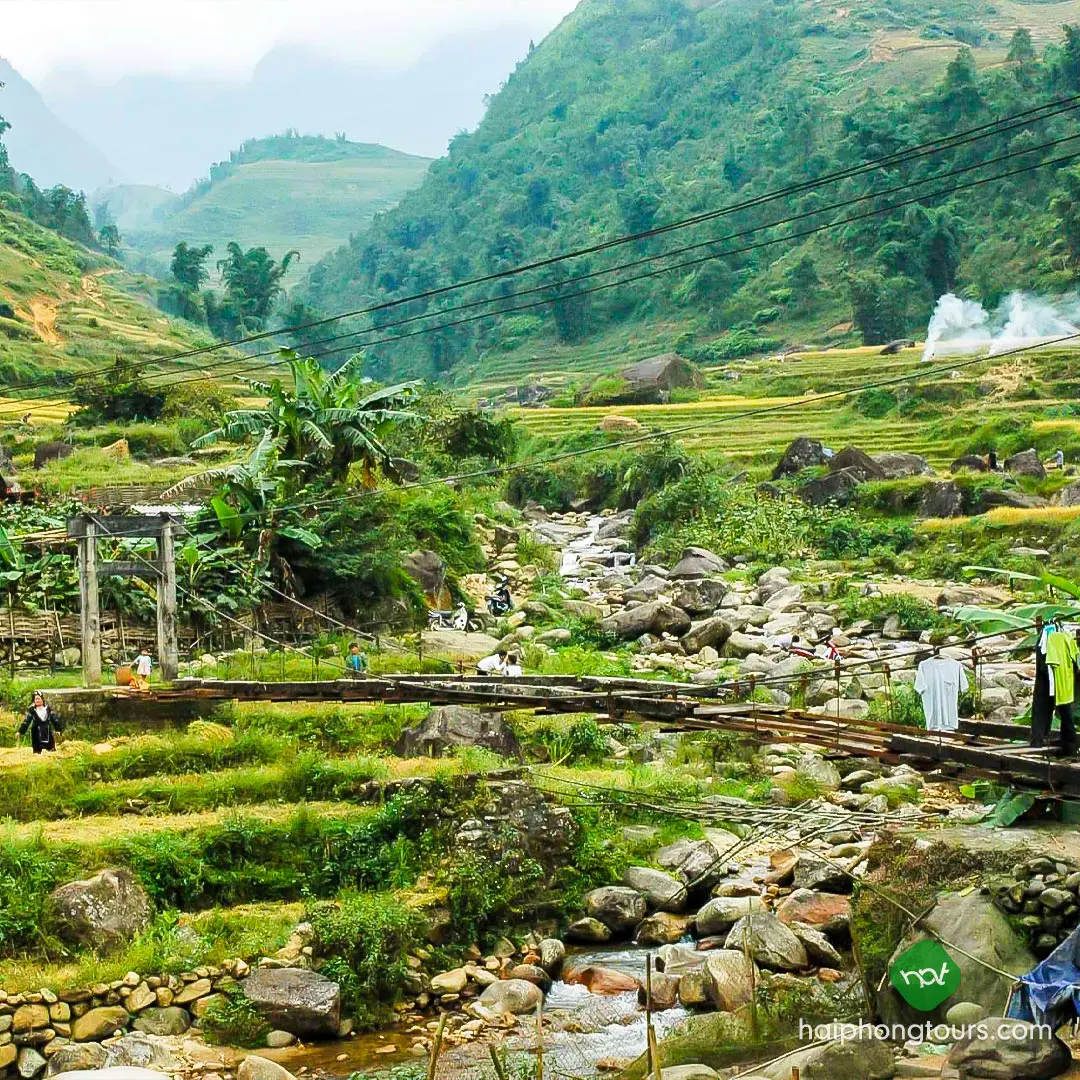
Choose the accommodation as carefully as the village. “Homestay” can describe a shared family house, a private room or a more developed guesthouse. Ask about bathrooms, hot water, bedding, heating in cold weather, meals and the walk from the vehicle drop-off.
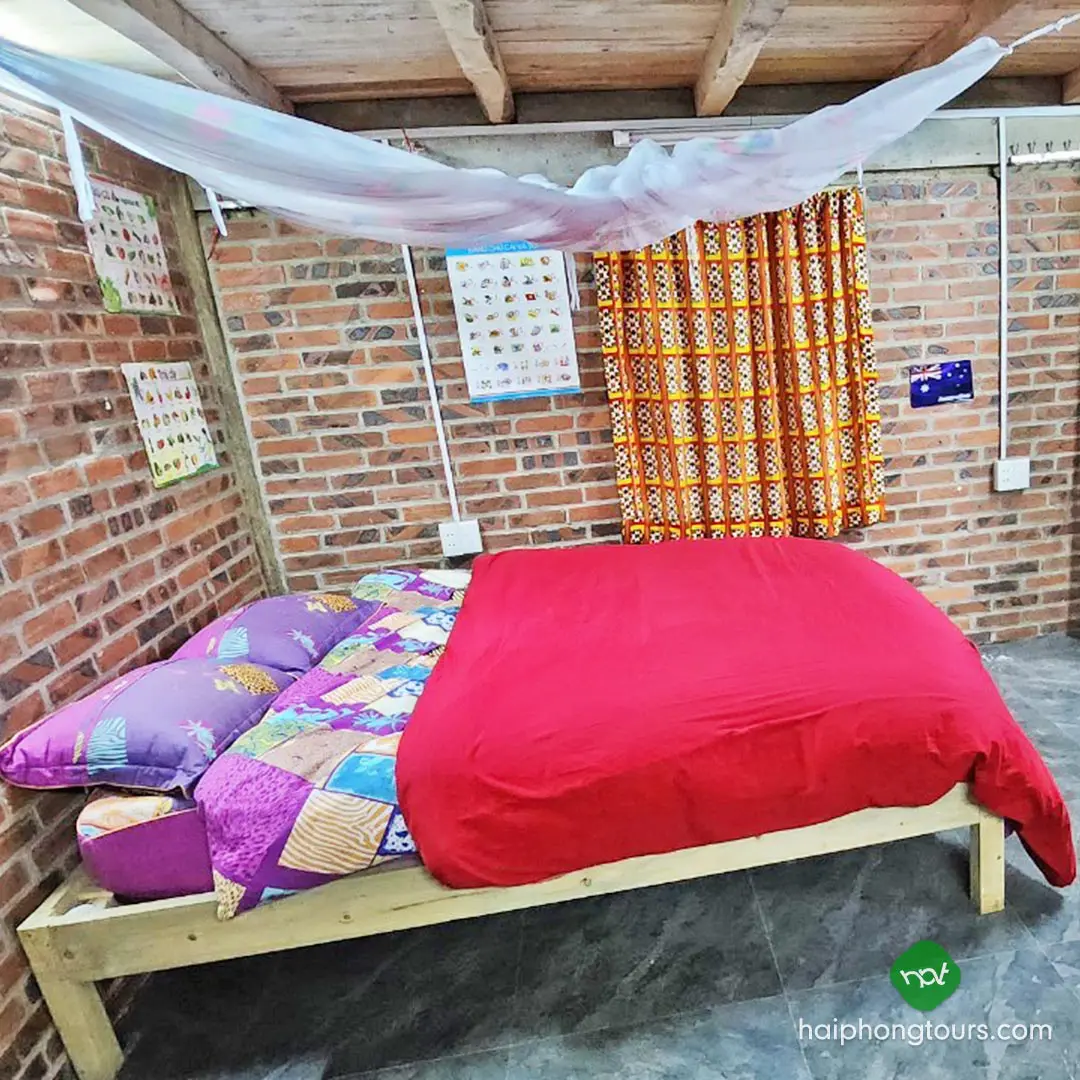
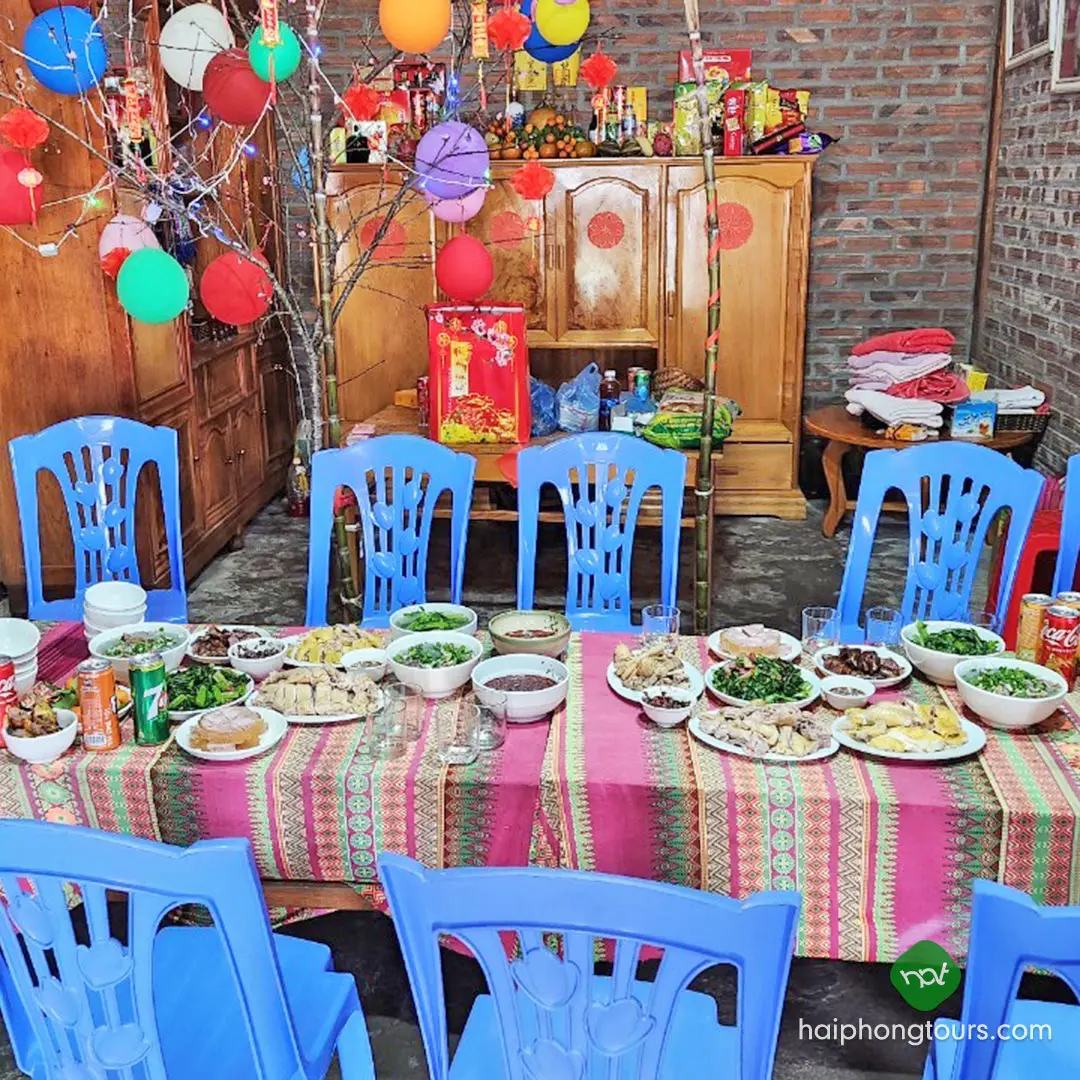
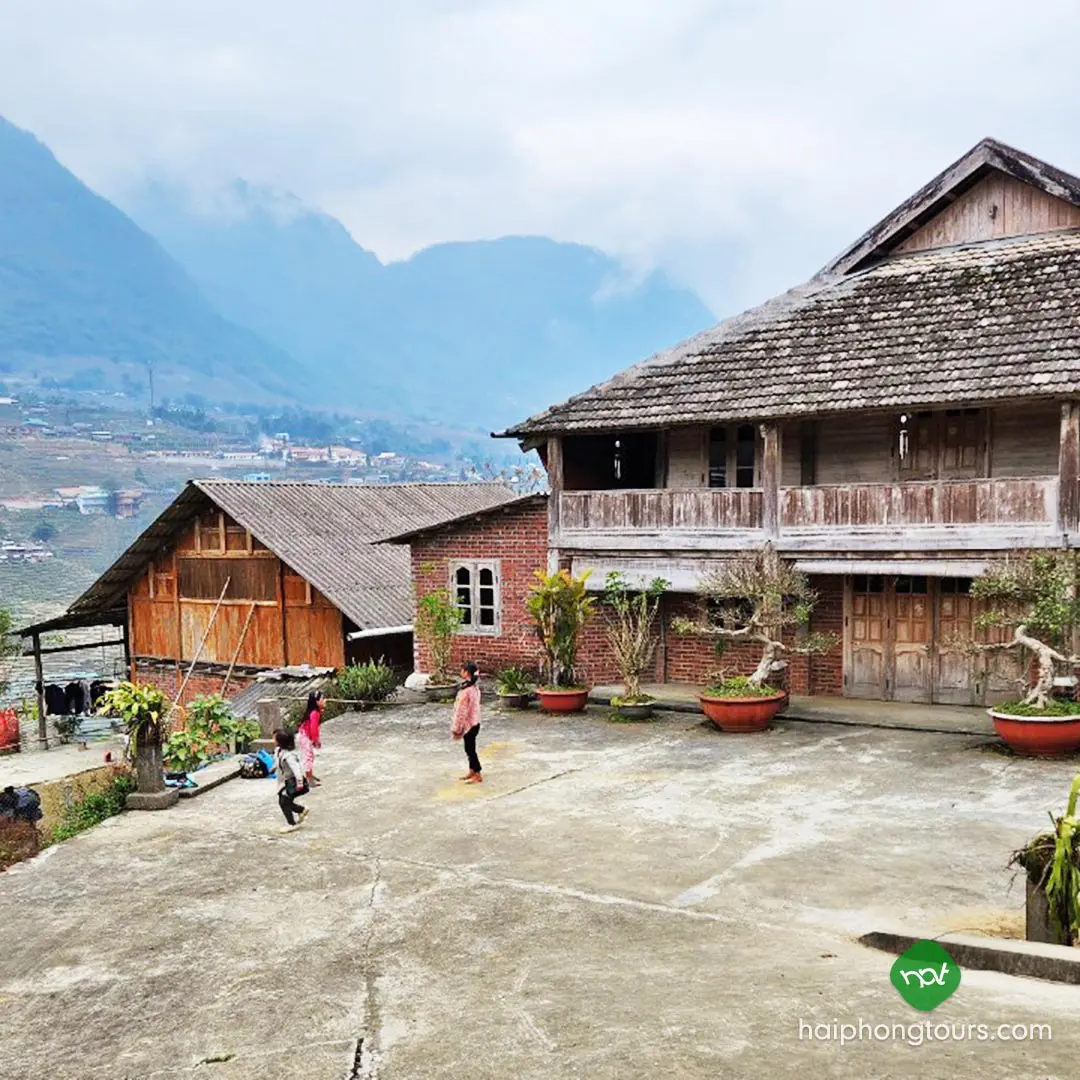
A bedroom, shared meal and courtyard at homestays in Ta Van.
If you want to learn about Giay traditions, look for a host or guide who can explain that community’s customs. A general “ethnic village” description does not tell you whose traditions an activity represents.
Best suited to: a one-night valley stay or the end of a guided walk from the Lao Chai area. Book your evening meal ahead if you plan to eat with your hosts.
6. Ta Phin: Red Dao embroidery and herbal bathing
Ta Phin is associated with Red Dao and Hmong communities and offers a different outing from the main Lao Chai–Ta Van valley route. Red Dao embroidery and traditional herbal bathing are useful reasons to plan a visit here.
The bath uses a prepared herbal infusion; it is not a tobacco or “cigarette” bath. Arrange it with a bathhouse or host, and ask about the ingredients, bathing facilities, water temperature and what is included in the price. Treat it as a cultural and relaxation experience, without expecting a guaranteed medical benefit.
For crafts, request an embroidery or textile session in advance rather than relying on a shopping stop to provide an explanation. Pay for the agreed lesson or demonstration, and ask before handling tools or unfinished work.
Allow: a half-day for a focused visit with transport, a short walk and one booked activity. A cave visit is a separate undertaking: confirm access, a suitable guide and equipment before adding it, especially in wet conditions.
7. Ban Ho: Tay stilt houses farther down the valley
Ban Ho lies farther down the Muong Hoa Valley than Lao Chai and Ta Van. The Tay community and traditional stilt-house accommodation distinguish this area from the villages nearer central Sapa.
The Ban Den area is one place to look for a hosted stay. For example, Ban Ho Swing describes its accommodation as the home of a local family, with both a communal stilt house and private rooms. Check the actual sleeping arrangement and vehicle access before booking any stay.
Give Ban Ho its own time rather than adding it as a rushed final stop after several villages. A car-assisted day visit is possible to arrange, while an overnight leaves more time for a meal and a local walk with your hosts.
Best suited to: travelers interested in a lower-valley stay and Tay culture. Do not assume nearby streams or waterfalls are safe swimming spots; ask about conditions and stay out of fast, rising or rain-affected water.
Two practical ways to plan your time
One full day: choose one area
For a walking day, ask a guide to select a route through the Y Linh Ho, Lao Chai and Ta Van area that matches your pace. Arrange lunch and the return pickup before starting. You can shorten the walk with a road transfer instead of trying to include every village.
For less continuous walking, choose Ta Phin with a booked craft or bath experience, or spend a half-day at Cat Cat and leave the rest of the day flexible. Combining Cat Cat, Ta Phin and the lower valley in one day creates considerably more travel and less time in each place.
Two days: walk, stay and leave time with your hosts
One option is a guided valley walk on the first day, followed by dinner and a night in Ta Van. Take a shorter local walk the next morning and return to Sapa with time to collect luggage and meet your onward transport.
If Ban Ho is your priority, build the two days around that stay, using a confirmed road transfer and a suitable local walk. A continuous trek all the way from Sapa is a different commitment; ask for the full distance and terrain before agreeing to it.
For a farther-out Red Dao village outing, the Nam Cang village and trekking guide compares a road visit with a longer guided walk. It also explains the early rice harvest and why old Topas Riverside Lodge itineraries need care.
Prepare for the terrain and the season
Rice terraces are working farmland. Water-filled fields, green crops, golden rice and harvested terraces belong to different parts of the farming cycle. If a particular rice-field appearance matters to your trip, ask your host about the fields near your chosen village shortly before booking; a broad “autumn” label does not guarantee unharvested golden rice.
Wet weather changes footing and can affect trails and roads. Wear shoes with grip, carry rain protection and a warm layer, and let your guide shorten or change the route when needed. A village being close to town does not make its steep paths suitable for every visitor.
Before an overnight trek, confirm the walking distance for each day, meals, admission charges, accommodation, baggage storage and pickup points. Leave large luggage with an agreed hotel or operator rather than assuming your next homestay can be reached by your arrival vehicle.
Visit as a guest in a living community
- Ask before photographing people, entering a home or joining an activity. Accept a refusal without pressing.
- Stay on agreed paths and avoid stepping into planted terraces for a photograph.
- Arrange guiding, meals and craft activities with clear prices, and pay the people providing the service.
- Let your host explain seating, household and ceremonial customs rather than assuming every community follows the same rules.
- Carry your litter out and keep noise low around homes. A village stay is not a scheduled performance of everyday life.
Getting to Sapa and on to your village
If you are arriving from Hanoi, the Hanoi to Sapa private transfer provides a road-travel option. Send the exact accommodation location when requesting it, especially for a village homestay, and confirm the final vehicle-accessible drop-off. Pickup outside Hanoi’s Old Quarter may involve a surcharge.
This arrival transfer is separate from a village trek, local guide or car waiting through several sightseeing stops. Settle those arrangements around the village experience you want, then leave enough time to enjoy it.
Useful guides for your trip
Would you like help fitting this experience into your trip? Contact us with your travel dates, starting point, available time and group size. Tell us about walking limits or special interests so we can suggest a practical itinerary.