
A motorbike trip in northern Vietnam needs a budget for the bike, fuel, riding equipment, accommodation and meals, plus any one-way return fee and insurance you need. Keep the rental deposit separate: it is money you must have available, even when you expect it back. A daily rental price alone cannot tell you what the trip will cost.
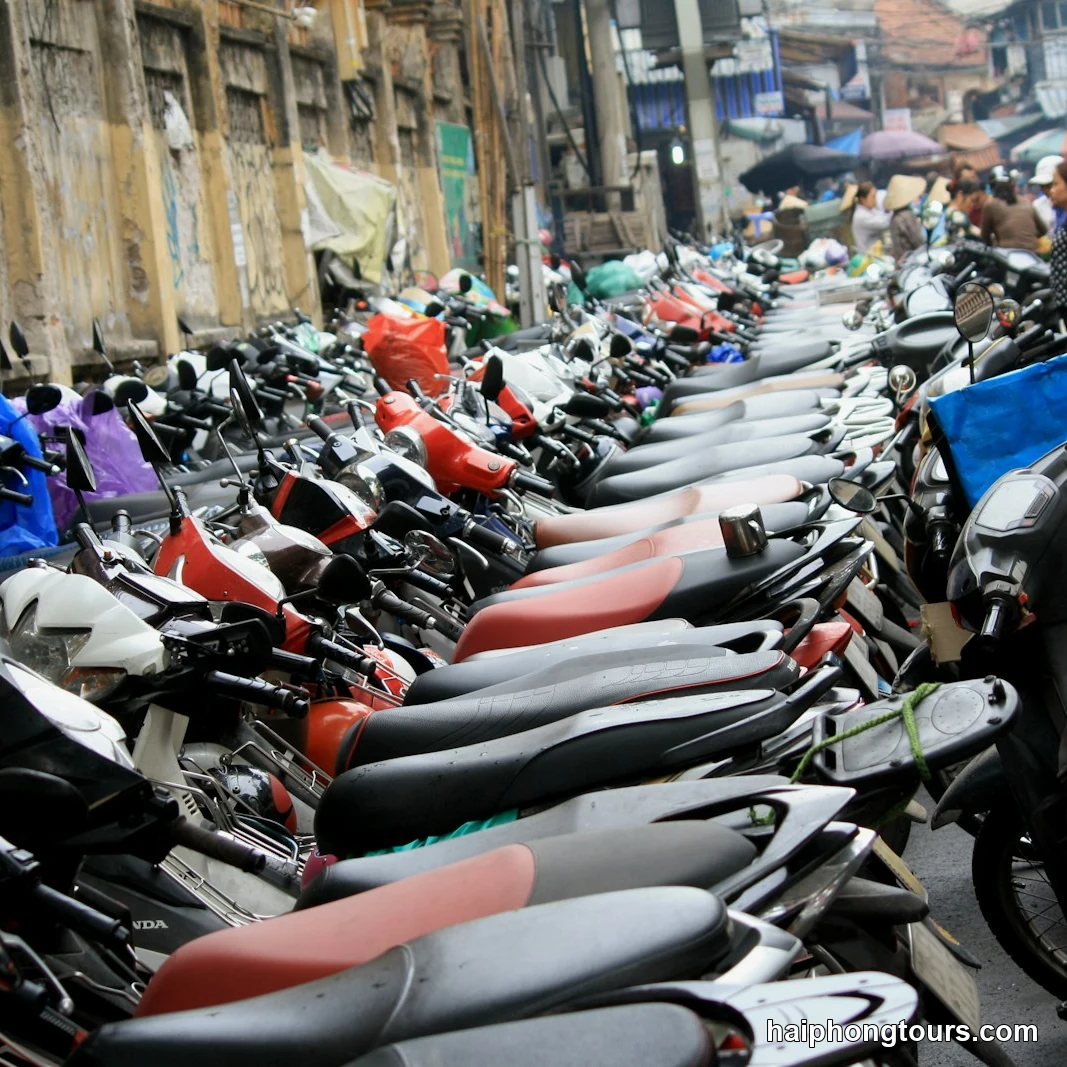
For a Hanoi departure or a northern mountain loop, first choose a motorcycle you can legally and confidently ride. Then request a quote for the exact collection date, return date and return location. Paying for a suitable bike and realistic riding days matters more than reaching the lowest possible daily total.

Start with the rental period and the right motorcycle
As a price reference, Style Motorbikes’ Hanoi list gives a Honda Wave Alpha 110cc at US$10 per day and a Honda XR150L at US$18 per day. These are different types of motorcycle, not interchangeable upgrades: the Wave is semi-automatic and the XR150L is a manual dual-sport. Confirm the current rate, availability and suitability for your license, experience, passenger and luggage.
At those listed daily rates, seven billed days would cost US$70 or US$126 for the motorcycle alone. This calculation excludes the deposit, fuel, accommodation, meals and any optional cover or extras. A longer-rental quote may use a different rate, so ask for the total payable rather than multiplying a headline price without checking.
Clarify how a rental day is counted, what happens if you return late and whether unused days are refunded. A rest day generally still falls inside the rental period unless you have agreed otherwise. If you collect in Hanoi and return somewhere else, confirm both the accepted return branch and any vehicle transport charge.
Allow for equipment and luggage
Ask what is included before buying or renting equipment separately. Style’s Hanoi listing includes a helmet, phone holder, charger and luggage rack. Rentabike Vietnam’s tourist-rental equipment varies with availability, and its listed inclusions do not extend to riding boots, protective trousers, body armor or rain suits.
Check helmet fit and condition, and make sure you have suitable gloves, footwear and weather protection for the route. A helmet being supplied does not mean every size or preferred style will be available. Price any missing equipment before committing to the motorcycle.
If you are returning to the same Hanoi accommodation, ask about storing your main suitcase there. Otherwise, ask the rental company about luggage storage or forwarding and its delivery time and charges. Keep documents, medication and anything needed during the ride with you; do not build the plan around an unconfirmed bag delivery.
Separate the deposit from damage and insurance costs
Rental deposit
Ask how much security is required, how it is collected and what conditions govern its return. A card hold, a charged payment and a cash deposit affect your available money differently. Refund processing may continue after you return the bike, and transfer or currency-conversion charges may not come back.
Arrange a financial deposit rather than leaving your passport as security. Keep the rental agreement, payment record and a record of the motorcycle’s condition. At handover, check the brakes, tires, lights, mirrors, luggage attachments and any existing damage with the supplier before departure.
Damage waiver and vehicle liability
A rental company’s damage waiver changes what you may owe for damage to its motorcycle. It does not automatically cover your medical treatment, injury to another person, theft or every form of loss. Ask for the exclusions and maximum remaining liability in writing.
Tigit’s terms, for example, distinguish repairable damage from a stolen or unrecoverable motorcycle. Rentabike describes its optional damage waiver separately from insurance. Compare the actual contract for the bike you are renting instead of treating the word “covered” as a complete answer.
Your license and travel insurance
For travelers relying on an international driving permit, Vietnam recognizes qualifying permits under the 1968 Vienna Convention together with a valid national license for the vehicle being ridden. The permit alone is insufficient, and not every permit issued abroad qualifies. Confirm that your documents and motorcycle entitlement are accepted before paying for the trip.
Ask your insurer about the exact motorcycle, engine size, riding activity and route. Check medical treatment and evacuation, third-party liability and rental-vehicle damage separately; one type of cover does not establish the others. If you plan to ride as a passenger, check those policy conditions too.
If you are not licensed or experienced for the intended roads, compare a journey with a qualified rider or travel by bus or car. A northern mountain holiday is not a suitable place to learn motorcycle control while trying to keep up with a schedule.
Estimate fuel from your actual route
Use the motorcycle’s expected fuel consumption and the distance of the route you will ride. The calculation is kilometers × liters per 100 km ÷ 100 × the current pump price per liter. Ask the supplier what consumption and fuel grade to expect for the chosen bike.
Do not use a car’s expressway route to calculate your riding distance or arrival time: motorcycles are prohibited on expressways. Review the legal route and current road conditions with the rental company. Mountain bends, village traffic, stops and rain can make a short-looking section take much longer than expected.
Plan fuel stops before remote sections and refill with a useful margin. A universal “one tank per day” allowance is unreliable because motorcycles, loads and riding distances differ. Rental days when you explore on foot still cost rental money but may use little fuel.
Budget for beds, meals and time off the bike
For each overnight stop, establish whether the price is for a private room, a dormitory bed or a mattress in a shared homestay space. Check bathroom arrangements, parking, bedding and what is included. Two riders sharing a room may save on accommodation, while two separate motorcycles still mean two rental charges.
At a rural homestay in Mai Chau, Sapa or Ha Giang, confirm the dinner and breakfast arrangements before arrival. Meals may be priced separately or packaged with the stay. Ask where else you can eat if you do not want the house meal, particularly when the property is away from town.
Keep water, roadside meals and snacks in the daily budget, with admission tickets, laundry and parking as separate items when applicable. Avoid booking an evening activity that requires you to hurry through the final riding section.

Camping is not automatically the cheapest option once you add equipment and the need for a suitable, permitted site. For a first northern ride, confirmed accommodation with secure parking and a reachable host is simpler to plan around.
Plan for repairs, route changes and the return
Ask the rental company whom to call for a puncture or mechanical problem, what assistance it can provide on your route and which costs remain yours. Contact it before authorizing roadside repairs or maintenance. Keep receipts and photographs of any agreed work.
Set aside enough accessible money for an extra night, food and alternative transport if weather or a mechanical problem stops the ride. Ask how extra rental time and motorcycle recovery would be handled. Leave a buffer between the planned return and an important flight or train.
For a short holiday, renting is usually simpler to organize than buying and reselling a used motorcycle. Buying adds the need to establish lawful ownership and registration, assess the bike’s condition, pay for any repairs and find a buyer before leaving. A low purchase price is not a dependable total-trip budget.
Before you pay, have a written rental total, an equipment list, the deposit and damage terms, and a realistic sequence of overnight stops. Those details will tell you far more than a fixed daily budget copied from another rider’s trip.
Would you like help fitting this experience into your trip? Contact us with your travel dates, starting point, available time and group size. Tell us about walking limits or special interests so we can suggest a practical itinerary.