
Nghia Lo is worth an overnight if you want to understand the Muong Lo valley rather than simply drive through it on the way to Mu Cang Chai. Its strengths are Thai village stays, broad rice fields, local food and cultural encounters that benefit from a host’s explanation. It offers a different experience from the steep terraces and high viewpoints farther along the route.
Use Nghĩa Lộ, Mường Lò when checking a room or arranging transport. Nghia Lo is the town and service center; Muong Lo describes the wider valley and cultural area. Older travel material places it in Yen Bai, while current addresses use Lao Cai Province. That does not mean you should book transport to Lao Cai city near the Chinese border.
One night for a stopover, two for the valley
With one night, aim to arrive early enough for a village walk, dinner and a conversation with your host. Leave time the following morning for the fields or a small cultural stop before continuing toward Tu Le and Khau Pha. Arriving after dark and leaving at dawn provides a bed, but little of the experience.

Two nights make more sense if you want to arrange a craft activity, spend longer in the villages or visit nearby Suoi Giang. Choose one additional outing rather than stacking several mountain destinations into a day that is supposed to be relaxing.
If your only priority is photographing Mu Cang Chai’s layered terraces at first light, sleep closer to those fields. Nghia Lo can break the road journey, but it is not a substitute for a base in the terrace area.
Town accommodation or a Thai village homestay
Stay in town for straightforward logistics
A town base suits a short stop, a later arrival or travelers who prefer to arrange meals and transport separately. Before booking, check the exact road frontage and room position if traffic noise matters. Have the property arrange the village outing you want, rather than assuming it begins outside the door.
Stay in Ban Deu or Sa Ren for more time with a host
Ban Deu and Sa Ren are established community-tourism areas around Nghia Lo. Both are associated with Thai cultural life and stilt-house stays. Pick a specific host and confirm the experience instead of treating either village name as a guarantee of a particular room standard or activity.
Ask whether you will have a private bedroom or a shared sleeping floor, where the bathroom is, and whether stairs are unavoidable. Agree on dinner, language support and any guided walk in advance. A family home and a purpose-built guesthouse may both be called a homestay.
For a broader comparison of what these arrangements involve, see the North Vietnam village stay guide. The most useful choice is the host who can explain and arrange the visit you want, with accommodation that meets your needs.
Explore the Muong Lo rice valley at ground level
Muong Lo is a broad agricultural basin, with fields and settlements framed by mountains. Look for a village-and-field route rather than expecting the vertical stacks of terraces that characterize Mu Cang Chai. Walking slowly lets you notice irrigation, farm activity and the relationship between houses and fields.
Ask your host to select a route for the day’s heat, rain and farming work. A bicycle can help cover more ground when a suitable bicycle and quiet route are available, but do not assume every lane is free of motorcycles, trucks or uneven surfaces.
Field color changes with planting and harvesting. Ask about the particular fields near your base if green or golden rice is important; a photograph from a different valley or a previous season is a poor guide. Do not walk across planted plots or use narrow irrigation edges as photo platforms.
Xoe dance: understand the culture before booking a show
Xoe is an important cultural expression of Tai communities in northwestern Vietnam, including the Thai people of Muong Lo. The art of Xoe dance was inscribed on UNESCO’s Representative List of the Intangible Cultural Heritage of Humanity in 2021. That recognition concerns the living tradition, not a promise of a daily performance in every village.
Circle dancing is one familiar form, but Xoe also has ritual and presentational forms. Ask a host or local guide to explain what you are seeing and whether guests may participate. Joining an invited circle is different from approaching a private family ceremony as a spectator.
If a cultural program matters to your stay, confirm who is arranging it, what is included, the price and whether a minimum group size applies. A small group may need to book separately rather than expect a performance bundled with a room. Respect a host’s explanation when a ritual is not open to visitors.
The Muong Lo cultural festival brings a larger public program at its announced dates. Book accommodation around the actual schedule, not a date copied from a previous year. Village celebrations and staged visitor programs may also happen on different dates from the underlying lunar-calendar observance.
Food and household traditions worth making time for
Rice is central to Muong Lo’s agricultural and culinary identity. Thai meals may include sticky rice, bamboo-cooked rice, colored sticky rice and fish dishes, with details varying by family and occasion. Ask what your host prepares regularly rather than requesting every dish shown in a festival photograph.
Arrange a meal early enough for shopping and preparation. Explain allergies and dietary restrictions clearly, including ingredients in sauces and seasonings. If you want to help cook, agree on that activity before arrival; being served dinner does not automatically include a cooking lesson.
For a named household experience, Muonglo Farmstay combines Muong cooking with an overnight village stay. Arrange the kitchen activity separately from your room.
Traditional stilt houses may feature khau cut roof ornaments. Let a host explain the house, its kitchen and private areas rather than entering uninvited. Textile work or another household craft can add depth when a maker is available and wants to receive visitors; agree on time and payment directly.
Choose one additional cultural or mountain outing
Cang and Don Nghia Lo historic sites
The Cang and Don Nghia Lo heritage sites connect the area with colonial-era imprisonment, resistance and the fighting of 1952. They comprise more than one location, including the Pu Trang hill site. Tell your driver which component you intend to visit rather than assuming one map pin covers the whole complex.
This is a worthwhile addition for travelers interested in regional history. Arrange an explanation in a language you understand and check access before going. Keep time for the meaning of the site rather than adding it as a brief photograph stop.
Suoi Giang for tea and a different mountain setting
Suoi Giang is associated with Shan tuyet tea and Hmong communities in the hills above the wider Nghia Lo area. It adds a change of landscape and cultural setting, but the uphill road makes it a separate outing. Plan a specific tea visit and return transport with a local contact.
Confirm what the visit includes: a tasting, a walk among tea trees or a production demonstration are different activities. Tea processing depends on actual work taking place, while rain and fog can change the outdoor part of the visit. Leave this for a second day if your first afternoon is already short.
Getting there and continuing to Mu Cang Chai
Nghia Lo sits on the National Highway 32 travel corridor. From Hanoi, choose a coach whose confirmed stop suits your accommodation or a car with a driver for a more flexible road journey. Ask for the actual pickup and drop-off pins, luggage arrangements and the contact for the final local connection.

Allow a substantial part of the arrival day for travel. A booking labeled “Yen Bai” or “Lao Cai” may refer to somewhere far from Nghia Lo; the destination name alone is not enough. Avoid attaching a fixed-price evening activity to a connection with no delay margin.
Continuing toward Tu Le, Khau Pha and Mu Cang Chai introduces a longer mountain-road section. Leave in daylight, stop only where the vehicle can pull clear of traffic and adapt the plan to road conditions. The Mu Cang Chai travel guide covers the terrace areas and the extra nights they need.
A useful overnight plan
- Arrival afternoon: check in, take a host-arranged village and field walk, then have a prearranged meal. Add a cultural activity only if it has been agreed.
- Next morning: enjoy a short local walk or one historic-site visit, then continue along the route with daylight to spare.
- With an extra night: use the full day for Suoi Giang or deeper village time, keeping the evening free instead of adding another distant transfer.
Nghia Lo is most useful when it changes the pace of a northwest trip. Give the valley enough time for a meal, a local explanation and an unhurried walk, and it becomes more than a place to sleep between two better-known destinations.
Transport between Hai Phong and Nghia Lo
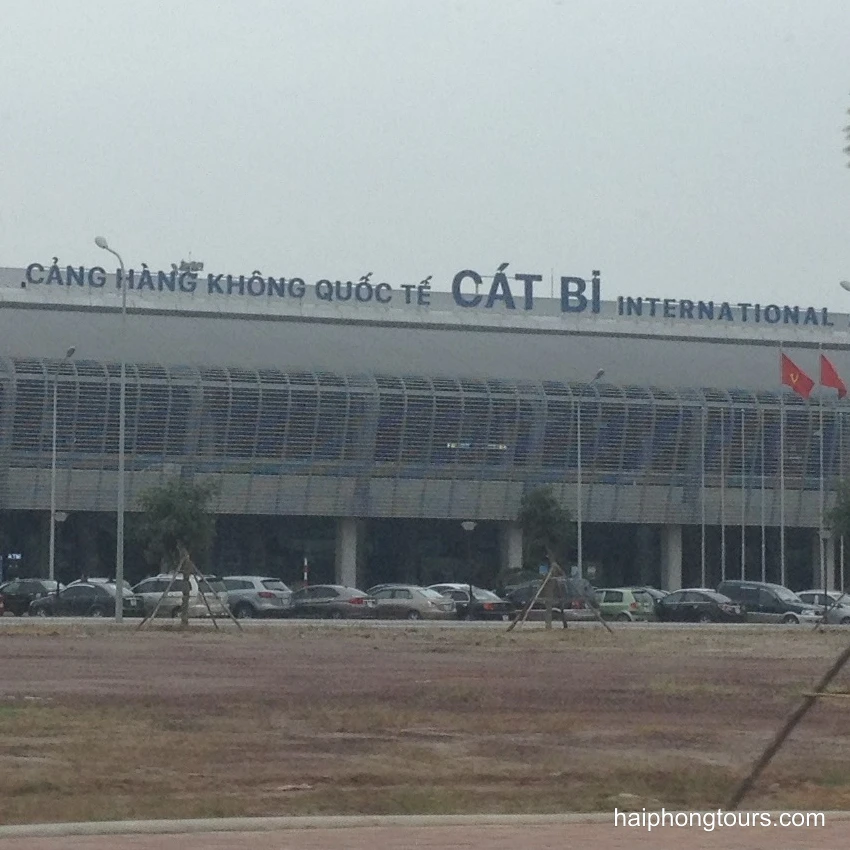
Use the Hai Phong to Nghia Lo guide for Muong Lo arrivals and the Nghia Lo to Hai Phong guide for local pickup, Cat Bi Airport or Cat Ba connection planning.
Would you like help fitting this experience into your trip? Contact us with your travel dates, starting point, available time and group size. Tell us about walking limits or special interests so we can suggest a practical itinerary.