
Nghia Lo to Hai Phong currently has a daily direct coach, while a private car remains the door-to-door choice. Kết Đoàn’s operator page describes a 15:00 departure from Nghia Lo Bus Station and about six hours to Hai Phong. Confirm the dated vehicle, reporting time and final city stop before arranging Cat Bi Airport, Cat Ba or another fixed connection.

Nghia Lo center, a Muong Lo village and a rural farmstay are not one pickup zone. Ask the property whether you must reach the bus station independently. If a fixed flight or sailing matters, keep a large road buffer or travel to Hai Phong the previous day.
Identify the real pickup
Nghia Lo center, a Muong Lo village and a rural farmstay are not interchangeable. Ask the property whether the booked vehicle reaches reception or whether you need a local ride to a town office. Use a pin and Vietnamese name, not only “Nghia Lo.”
Private car
A direct car reduces handovers and can take you to a Hai Phong hotel, Cat Bi International Airport or another confirmed mainland address. State the final endpoint before the price is agreed. Cat Ba requires an additional ferry or speedboat plan and should not be quoted as a city drop.
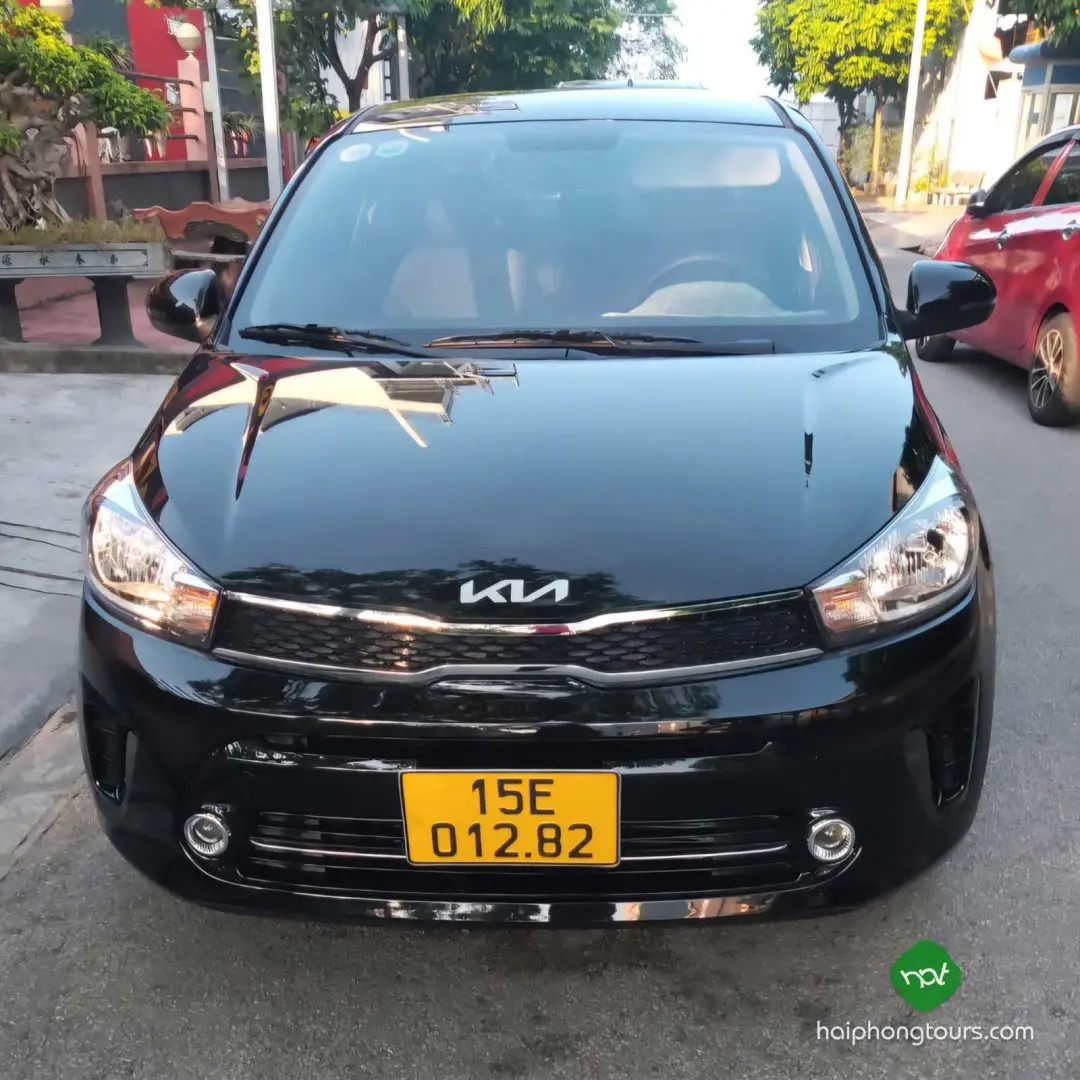
For a morning departure, load luggage and settle the accommodation bill the previous evening. the team recommends confirming driver rest and avoiding an immediate return after the driver has completed another long journey.

Ask whether meal stops, tolls and parking are included, and whether a route change can be made after departure. A direct transfer normally ends at the agreed drop; it does not include keeping the car for sightseeing in Hai Phong.
Coach or limousine connection
Verify the operating day and actual office. Some services use roadside collection or a local shuttle; others require travelers to reach a central point. Ask where the vehicle ends in Hai Phong and whether the advertised time includes pickups.
When changing in Hanoi, buy both legs only after checking the transfer between stations. “Hanoi” can mean offices on opposite sides of the city, and separate operators do not wait for a delayed vehicle.
An overnight service may save daytime but can arrive before public transport and hotel reception are fully active. Arrange the final taxi or hotel luggage storage in advance rather than waiting on the street with bags.
Do not risk the same-day deadline
For a Cat Bi flight, follow the airline’s check-in deadline and add a substantial road buffer. For Cat Ba, confirm the current terminal and last suitable sailing. Severe rain or fog is a reason to leave earlier or move to Hai Phong the previous day.
Departure checklist
- Share the exact Nghia Lo pickup pin.
- Confirm city, airport or terminal drop.
- List passengers, luggage and special equipment.
- Check weather and mountain-road conditions.
- Keep documents, medication and a warm layer in the cabin.
- Use a large buffer before the next ticketed service.
Read the Nghia Lo and Muong Lo guide to distinguish local villages and stays. For the reverse journey, see Hai Phong to Nghia Lo.
Turn the route into a door-to-door plan
Nghia Lo town, the Muong Lo valley and an outlying homestay need different pins. The town is also a staging point for Tu Le and Mu Cang Chai, not a substitute for those destinations. Write both pins, the date, local pickup time and required arrival in one message. A broad town label can produce a quote that ends at an operator office rather than the property you intended.
For the pickup from Nghia Lo, ask the property to confirm the last point a car can reach and who meets the vehicle. A map pin may identify the building while the practical pickup is at a junction or gate. Reconfirm the evening before, keep the host’s phone available and allow loading time before the road schedule begins.
Give the final Hai Phong entrance rather than “city center.” Allow a separate contingency before Cat Bi Airport, a train or a Cat Ba departure. The car can deliver to an agreed road endpoint; it cannot protect a tight onward ticket from a weather or road delay.
When a staged journey makes sense
Yen Bai city or Hanoi, depending on the service is the main staging reference for this route, but it is not automatically the final destination. Before buying a shared ticket, identify its exact arrival office and reserve the next vehicle. Separate operators do not protect each other when the first leg is late, and a roadside drop after dark can be difficult to solve.
Use a coach or shared car step by step
- Check the exact date and direction; the return may use another office or operate less often.
- Request the boarding pin, check-in time, vehicle type and luggage allowance in writing.
- Open the arrival pin and reserve the feeder or final local car before buying the main ticket.
- Allow unloading, food and a taxi between offices when combining separate operators.
- Reconfirm on the day and keep the dispatch contact; do not accept an unverified roadside substitute.
If an operator cannot confirm the current boarding and arrival points for your date, the service is not yet a usable plan. Keep the shared sector only when the whole chain reaches the accommodation safely.
Set the schedule around what cannot move
Work backward from the Hai Phong flight, train, Cat Ba connection or appointment. Add time for loading, a proper meal, toilet stops and one moderate delay. Do not fill the margin with optional viewpoints. If conditions remain good, arriving early is easier to manage than missing the only boat, train, reception window or guide meeting.
The main variable on this journey is weekend traffic, rain and slower travel on the western approach. Check conditions for the actual districts and ask the property about the final road. A safe driver may reduce speed, wait for visibility or choose an earlier overnight. That is a better outcome than preserving a map estimate.
Match the vehicle to the final road and the bags
Count adults, children and every large item. Four travelers with trekking packs or full-size cases may need more luggage room than a nominal seat count suggests. Send a luggage photograph when there is a stroller, wheelchair, bicycle box or other unusual item. Keep passports, medication, rainwear and electronics in the cabin.
A larger van offers cargo room but may not fit a narrow village lane. Ask the host whether a sedan or van reaches the entrance and where luggage is carried by hand. Child seats, mobility help and roof loading must be agreed before vehicle assignment; they are not automatic features of a private transfer.

Confirm the scope before paying
- Both exact pins, passenger phone and the local name of the property.
- Vehicle class based on people and luggage, not only seats.
- Tolls, parking, normal waiting and the planned rest stops.
- Any driver meal or overnight cost on a long one-way movement.
- Added sightseeing, local handover or boat sector that is outside the road transfer.
- Change, delay and cancellation rules for weather or a late incoming service.
Use a simple fallback hierarchy
- Keep the original route but remove optional stops.
- Move the fixed activity or check-in when the provider allows it.
- Change the handover point only after both operators agree.
- Use an earlier safe overnight if the final section should not be driven late.
- Protect the next flight, train or boat before protecting a minor reservation.
Save the driver, operator and property contacts offline. If the plan changes, send one clear update containing the new time and pin. Avoid parallel instructions from several passengers, which can send the vehicle to different locations.
Current direct-coach reference
Kết Đoàn’s operator-owned route page describes a daily 15:00 departure from Nghia Lo Bus Station to Hai Phong, about six hours, using a 41-bed sleeper. Its detailed page shows a VND 300,000 reference fare. Reconfirm the service, reporting time, vehicle and Hai Phong endpoint for your date.
Nghia Lo town, a Muong Lo village and a rural stay are different pickup problems. Send the property pin and ask whether you must reach Nghia Lo Bus Station independently. At the other end, request the exact Hai Phong drop-off before arranging Cat Bi Airport, Cat Ba or another fixed connection.
Rail does not provide a direct Nghia Lo–Hai Phong solution. A train detour still needs road transfers. For self-driving, use daylight, a valid licence and a legal route that avoids expressways; do not attach a weather-sensitive mountain ride to a fixed flight or sailing.
When to ask for help
For a difficult Nghia Lo handover, Hai Phong Tours can provide route advice or discuss a suitable car while you remain free to travel independently. You can still book independently once the date, driver, luggage and final address are confirmed.
Useful guides for your trip
Would a private transfer make this journey easier? Contact us with your travel date, exact pickup and drop-off, number of travelers and bags. Include any flight, train or cruise deadline so we can assess a suitable plan and quotation.