
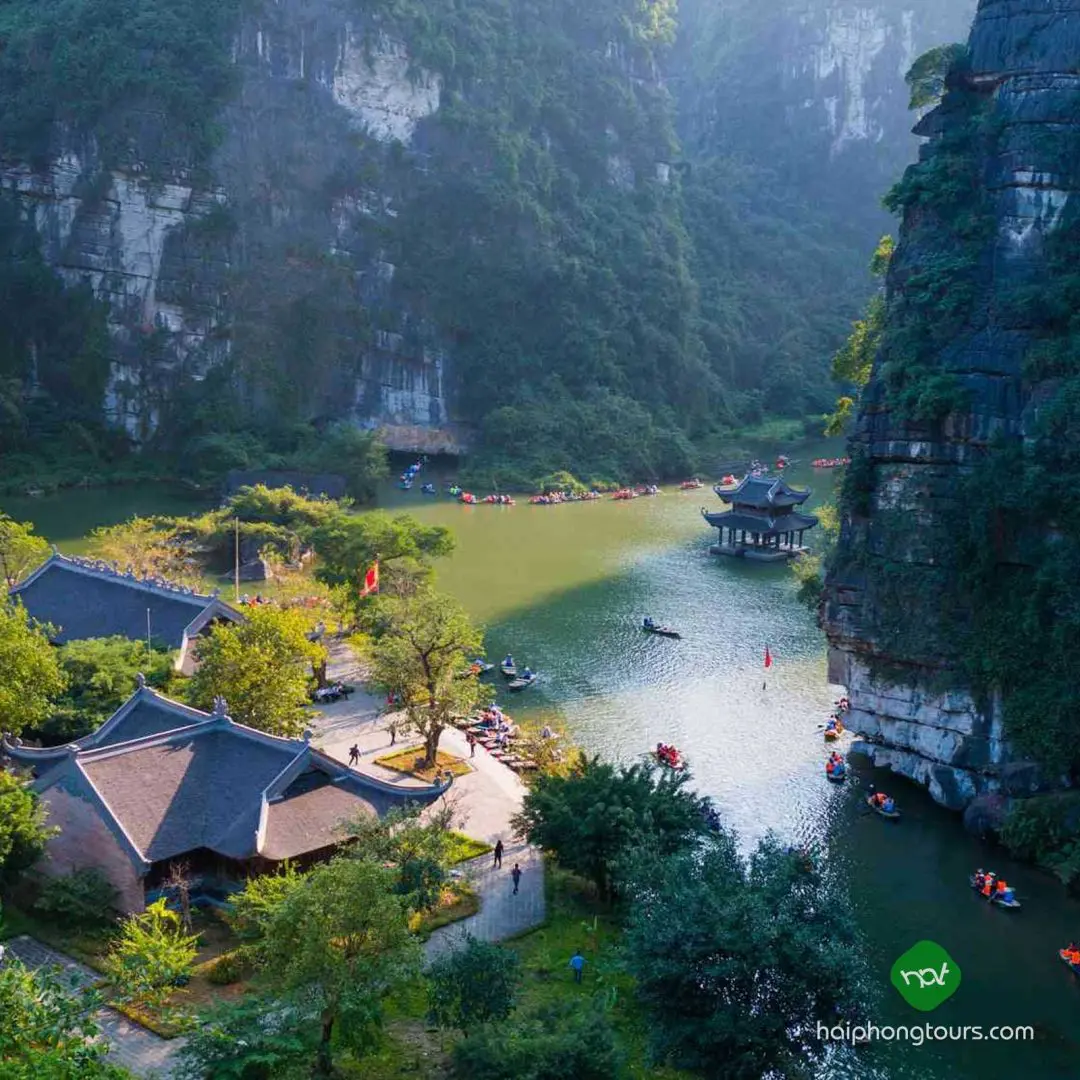
Non Nuoc Mountain, also called Duc Thuy Son, is a compact heritage stop beside the Day and Van rivers in urban Ninh Binh. Visit for poetry carved into limestone, a short stone stairway, riverside views, and the nearby Truong Han Sieu Temple and Non Nuoc Pagoda. It fits a spare morning or afternoon particularly well when you are staying in the city.
Allow roughly 45–75 minutes for the hill and its immediate surroundings, depending on access and how long you spend at the religious buildings. This is a planning allowance, not a fixed circuit. Adding Ninh Binh Museum makes a more substantial cultural half-day, but its weekday opening sessions and midday break need to shape your route.
Choose Non Nuoc for city heritage and poetry
The appeal is the combination of a lived-in river setting and a long literary history. This is an urban hill, with roads, buildings and working river traffic around it. Travelers expecting the rice-field panorama of Hang Mua or a boat journey through limestone valleys should keep those experiences as their main countryside outing.

- A good fit: a second visit to Ninh Binh, a city-based overnight stay, an interest in Vietnamese literature, or an unhurried cultural break between larger excursions.
- A limited fit: a single sightseeing day when you have yet to visit the main karst landscape. Use your clearest weather window for the outdoor experience you came for.
- For a mixed-mobility group: separate the base visit from the climb. The summit requires stone steps; a short hill is not automatically an accessible hill.
Find the correct Non Nuoc Mountain
Use the Vietnamese name Núi Non Nước, Ninh Bình, or Dục Thúy Sơn, and identify the riverside location near Truong Han Sieu Temple in Hoa Lu Ward. Non Nuoc is a name used elsewhere in Vietnam, so the destination pin matters more than an English search result alone.
From a city hotel, ask whether the actual route to the temple entrance is a reasonable walk. From Tam Coc or rural Trang An accommodation, arrange a car or taxi with a return plan. The wider booking label “Ninh Binh” does not place every hotel close to this urban site; the guide to choosing a Ninh Binh base explains the difference.
Agree on a recognizable pickup point at street level before climbing. Leave luggage at your accommodation and carry water, a charged phone and shoes with reliable grip.
Read the landscape before taking the stairs
Truong Han Sieu Temple
The temple at the foot of the hill honors Truong Han Sieu, the Tran-period scholar and official associated with the name Duc Thuy Son. Begin here to connect the person with the landscape before looking for the mountain’s inscriptions.
A temple visit and a literature walk offer different things. If the poetry is your main interest, arrange someone who can explain historical writing and identify a few inscriptions; ordinary English conversation alone may not provide that specialist interpretation.
Non Nuoc Pagoda
Non Nuoc Pagoda is another religious stop at the base. Visit the areas open to the public, keep shoulders and knees covered, and follow the local instructions for entering halls and taking photographs. Allow worshippers room rather than treating every doorway as a photo position.
These buildings can give the outing value even if you decide against the summit. However, courtyards and entrances may still have thresholds or steps. Anyone needing step-free access should check the exact entrance rather than relying on the phrase “at the foot of the mountain.”
Climb for the inscriptions and river outlook
The ascent uses an old stone stairway on the southern side. Some treads are worn, so judge the surface as you go and take equal care descending. In wet weather, a short climb can still be slippery; choose the base visit or an indoor alternative if your footing is uncertain.
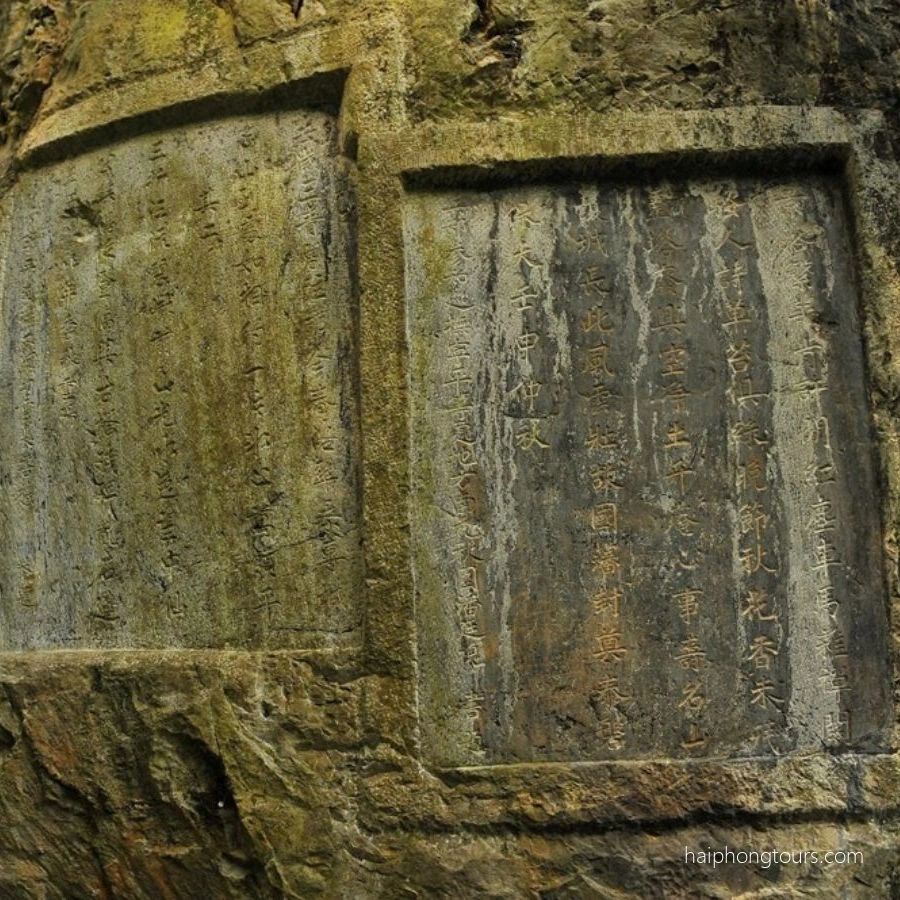
Look for the relationship between the rock, the rivers and the writing. Poems and other inscriptions were added over different periods, in literary Chinese, Vietnamese Nom script and the modern Vietnamese alphabet. Truong Han Sieu helped establish the hill’s literary identity, while later rulers and scholars continued its association with poetry.
One distinctive inscription is Vũ Trụ Dĩ Lai, carved on the southern face in 1770 and associated with Ngo Thi Si. The phrase invokes the mountain’s place in the long life of the universe. It is a useful example of why this stop rewards interpretation as well as a photograph.
Not all writing is easy to read or safely reachable. Stay on permitted paths, use a camera zoom where helpful, and leave the rock untouched. Do not climb onto ledges to find a particular inscription or enter a riverside recess when the approach is wet or submerged. The amount you can see safely matters more than completing a list.
Add Ninh Binh Museum on a weekday
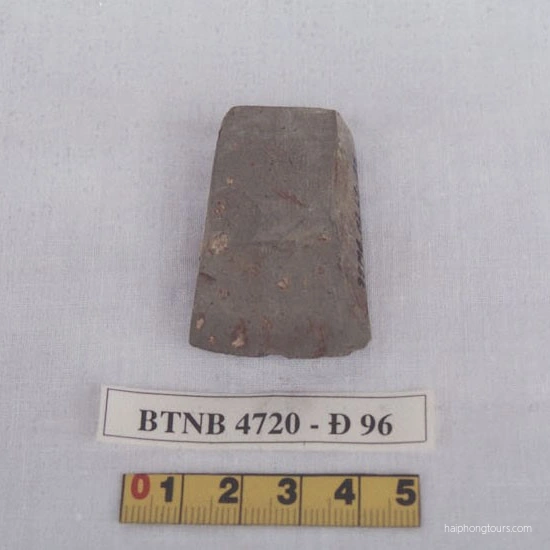
Ninh Binh Museum on Le Dai Hanh Street, south of Thuy Son Park, is a logical companion. Its displays introduce the area’s natural history and archaeology, the dynastic past, and more recent history. This adds context to a trip otherwise dominated by scenery and temple architecture.
Use the Le Dai Hanh location when arranging transport. The provincial museum institution now encompasses collections and sites beyond the immediate Ninh Binh urban area, so a museum event mentioned elsewhere in the province may be at a different venue.
The regular visiting pattern is Monday to Friday with separate morning and afternoon sessions. Summer hours are 7:00–11:00 a.m. and 1:30–5:30 p.m.; winter hours are 7:30–11:30 a.m. and 1:00–5:00 p.m. Weekend groups need advance arrangements. Confirm the applicable session and any holiday change before making the museum central to your day.
A weekday arrival around 9:00 a.m. or 2:00 p.m. gives a more useful margin than turning up near a seasonal closing time. Budget approximately an hour for a selective visit, longer if you have a guide. For a wet day, use the Ninh Binh rain-planning guide to decide whether the outdoor part should be dropped altogether.
Build a relaxed city half-day
On a dry weekday morning, start at Non Nuoc while the air is cooler, then visit the museum within its morning session. If you begin late, have lunch first and use the confirmed afternoon museum opening rather than rushing both places into the midday closure.
For a later start, visit the museum first, then the mountain while daylight and conditions allow. If you want dinner and evening activity afterward, Hoa Lu Old Town beside Ky Lan Lake is a separate urban stop with food and optional paid entertainment. It is not the historical Hoa Lu Ancient Capital.
Keep a booked train or transfer as the fixed commitment. Allow time to collect bags and reach the departure point, and shorten the sightseeing rather than depending on an immediate taxi after the final stop.
Useful guides for your trip
Would you like help fitting this experience into your trip? Contact us with your travel dates, starting point, available time and group size. Tell us about walking limits or special interests so we can suggest a practical itinerary.