
For pho in District 1, choose a restaurant that fits your location and meal time. Phở Minh suits an early breakfast near Pasteur Street, Phở Hùng offers a wide choice of beef cuts on Nguyễn Trãi, and Phở Phú Vương is convenient for the streets south of Bến Thành Market. Around the backpacker area, Phở Quỳnh serves both classic beef pho and a different bowl made with braised beef.
The five places below are in the central Saigon area travelers commonly call District 1. Map listings may now show newer ward names, so use the restaurant name and full street address when arranging a ride. These are practical choices for different situations, rather than a ranking of how everyone should like their pho.
Choose a pho stop for your day
- Early breakfast near Nguyễn Huệ: Phở Minh, 63/6 Pasteur. Go early; this is a morning-only kitchen.
- Beef balls or a mixed beef bowl: Phở Hùng, 241–243 Nguyễn Trãi. Its menu lets you choose individual cuts and combinations.
- A longstanding family shop near Mạc Đĩnh Chi and Nguyễn Thị Minh Khai: Phở Cao Vân, 25 Mạc Đĩnh Chi.
- A meal around Bến Thành and the Fine Arts Museum neighborhood: Phở Phú Vương, 120 Nguyễn Thái Bình.
- A convenient stop near Phạm Ngũ Lão and Bùi Viện: Phở Quỳnh, 323 Phạm Ngũ Lão. Choose classic pho or phở bò kho deliberately; they are different dishes.
Five pho restaurants in central Saigon
1. Phở Minh: an early breakfast down a Pasteur alley
Address: 63/6 Pasteur, Saigon Ward, Ho Chi Minh City.
Phở Minh is a small, established beef pho shop inside an alley, rather than a restaurant directly on the main street. Look for the entrance at number 63, then follow the alley to the shop. Keep the full 63/6 address in your map search; a pin for Pasteur Street alone is not precise enough.
Choose from the beef cuts available that morning. If you want something alongside the soup, the shop also makes pâté chaud, a savory pastry with a meat filling. Order it separately rather than assuming it comes with the bowl.
Plan for breakfast: normal service is around 6:30–10 a.m., but food can run out earlier. An early visit leaves more choice; arriving just before 10 is a gamble. This is a useful first stop before exploring the Nguyễn Huệ and Đồng Khởi area, but not a lunch option.
2. Phở Hùng: choose the beef cuts you actually want
Address: 241–243 Nguyễn Trãi, Cầu Ông Lãnh Ward, Ho Chi Minh City.
Phở Hùng suits travelers who want to compare the different meats that appear on a Saigon pho menu. Alongside sliced beef, its menu includes beef balls, tendon, fatty brisket and combinations of several cuts. Beef balls are a useful starting point if you prefer a springy texture to slices of meat.
For a straightforward order, choose phở tái, phở thịt chín nạc or phở bò viên. For more variety, ask what is included in the house special before ordering. A special bowl can contain cuts you would not choose individually, and extra meat is a separate order.
Best for: a substantial, informal meal while staying around Nguyễn Trãi or Cống Quỳnh. Choose it for the bowl and menu range rather than a quiet restaurant setting. If you need to eat very late, confirm the kitchen’s closing time before making a special trip.

3. Phở Cao Vân: a family pho shop on Mạc Đĩnh Chi
Address: 25 Mạc Đĩnh Chi, near Nguyễn Thị Minh Khai, Ho Chi Minh City.
Cao Vân’s story connects northern pho traditions with generations of family cooking in Saigon. Founder Trần Văn Phồn brought his trade south from Hanoi; the business continued under his son Trần Văn Phụng after the founder’s death. The shop later settled at its Mạc Đĩnh Chi address after an earlier location on Trần Cao Vân.
The family has maintained a charcoal-and-wood broth-cooking tradition. Its pho also reflects the city where it developed, so approach it as a Saigon family recipe rather than expecting every detail of a Hanoi bowl.
Best for: travelers already near the northern side of the downtown sightseeing area who want an established neighborhood shop. Choose your meat from the day’s menu and taste the broth before adding condiments. A regular bowl makes more sense than ordering assorted extras if you plan another food stop afterward.
4. Phở Phú Vương: a stop south of Bến Thành Market
Address: 120 Nguyễn Thái Bình, Ho Chi Minh City.
This Phú Vương location is useful when your day takes you through the Nguyễn Thái Bình streets near the Fine Arts Museum and the southern side of Bến Thành. Use the full address when searching: the brand has other locations, and their menus or opening arrangements should not be assumed to match this shop.
The focus is beef pho, with a range of cuts rather than one compulsory combination. If you want sliced cooked beef, ask which nạm or gầu options are available; if you do not enjoy fatty meat or tendon, make that clear when ordering. “Beef pho” alone does not specify the cuts.
Best for: fitting a bowl into this neighborhood’s sightseeing, without crossing town for another meal. Check the menu before adding meat or side dishes, and leave time to sit down rather than squeezing the stop immediately before a booked departure.
5. Phở Quỳnh: classic pho or braised beef near Phạm Ngũ Lão
Address: 323 Phạm Ngũ Lão, at the Đỗ Quang Đẩu corner, Ho Chi Minh City.
Phở Quỳnh is a convenient choice when you are staying near the backpacker streets. The menu includes classic beef pho as well as phở bò kho: rice noodles with a more richly seasoned braised-beef broth. If you are trying pho for the first time and want the familiar clear-broth version, order from the regular beef pho options.
English descriptions and menu photographs help with ordering, but still check which cuts are included in a mixed bowl. A photo of bò kho can look appealing without making the difference from ordinary pho obvious.
Best for: a nearby meal before or after exploring Phạm Ngũ Lão and Bùi Viện. The surrounding streets can be lively; this is not a choice for a quiet dinner. For an overnight or very early arrival, confirm that the kitchen is serving before relying on it as your only food stop.
How to read a beef pho menu
The words after phở usually tell you which meat or preparation you are ordering. Combining two or three terms normally means combining those ingredients in the same bowl.
- Tái: thinly sliced beef served rare or lightly cooked by the hot broth. Ask for it to be cooked through if that is your preference.
- Chín or thịt chín nạc: cooked beef; nạc specifies lean meat.
- Nạm: cooked flank or brisket-style beef. English translations vary between menus.
- Gầu: a fattier brisket cut, useful if you enjoy richer meat rather than lean slices.
- Gân: tendon, with a gelatinous, chewy texture.
- Sách: tripe. Do not confuse it with thinly sliced muscle meat.
- Bò viên: beef balls.
- Đặc biệt or thập cẩm: a house special or mixed bowl. Ask which ingredients it contains; there is no universal combination.
A useful simple request is “Một tô phở chín, không gân, không sách”: one bowl with cooked beef, without tendon or tripe. If you want no scallions, say “không hành.” Point to the exact menu item as well, particularly when ordering several bowls with different preferences.
Getting more from the meal
Taste before seasoning. Try a spoonful of broth first. Add lime, chili, herbs or sauces gradually, according to what the shop serves and what you enjoy. Putting a large amount of hoisin or chili sauce into the bowl immediately makes it harder to appreciate differences between shops.
Check ingredients beyond the meat topping. Removing beef does not make the broth vegetarian. If you avoid a particular ingredient, ask about the stock, meatballs and sauces as well as the visible garnish. Choose a dedicated vegetarian restaurant if you need a clearly meat-free meal and the kitchen cannot confirm a suitable broth.
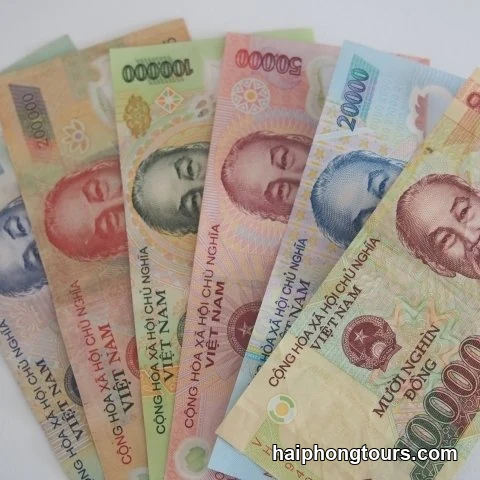
Use the current menu for the total. Bowl sizes, mixed cuts and extra meat can be priced differently. Drinks, pastries and packaged wet towels may also be charged separately; items placed on the table are not necessarily complimentary. Carry Vietnamese dong for payment and ask about card acceptance before ordering if you depend on it.
Make one shop part of your route. These addresses are spread across downtown rather than forming one compact food street. Allow roughly 30–45 minutes for a relaxed meal as a planning estimate, plus your journey and any queue. If you want to compare two bowls, put them on different days or at separate mealtimes instead of rushing through several full servings.
For one morning downtown, Phở Minh works well when you can arrive early. For a less time-sensitive plan, choose the shop nearest the area you will already be exploring, check that day’s service, and decide your beef cuts before ordering.
Would you like help fitting this experience into your trip? Contact us with your travel dates, starting point, available time and group size. Tell us about walking limits or special interests so we can suggest a practical itinerary.