
A book-focused trip to North Vietnam should combine places connected to education and print culture with time to browse, read and ask what is actually available in English. Hanoi is the strongest base; add Hai Phong for a quieter port-city chapter rather than traveling long distances only for a literary label.
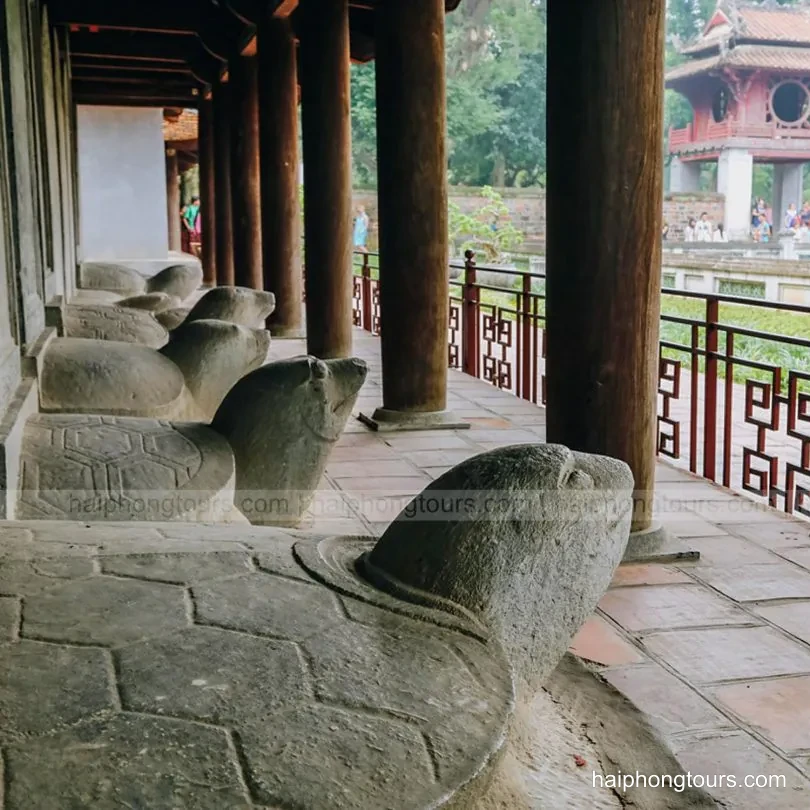

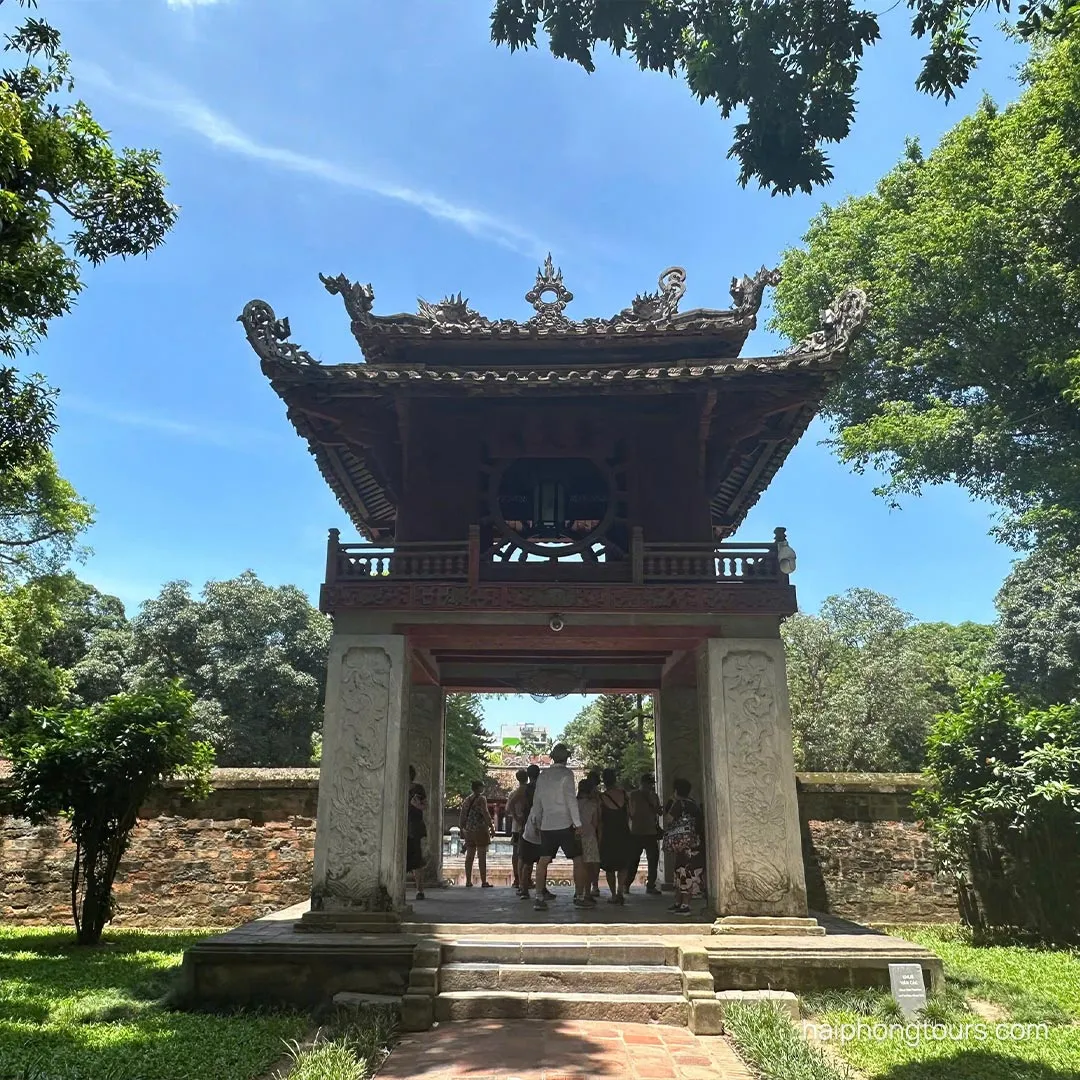
Temple of Literature stelae, courtyards and gateways.

Do not expect every important Vietnamese work to be translated or every bookshop to organize foreign-language stock online. Bring a short reading list, keep room for local discoveries and treat museums and performances as context rather than substitutes for the literature itself.
For a separate countryside chapter, the Dai Hoang and Nam Cao village guide pairs the writer’s memorial with Ba Kien house in the former Ha Nam area. Read a translated story beforehand and arrange English explanation; allow a full day from Hanoi rather than squeezing the village into a city museum morning.
Begin at the Temple of Literature
Hanoi’s Temple of Literature is associated with the country’s long scholarly and educational history. Its courtyards, stelae and ceremonial spaces help a reader understand the prestige of learning, examination and the written tradition.
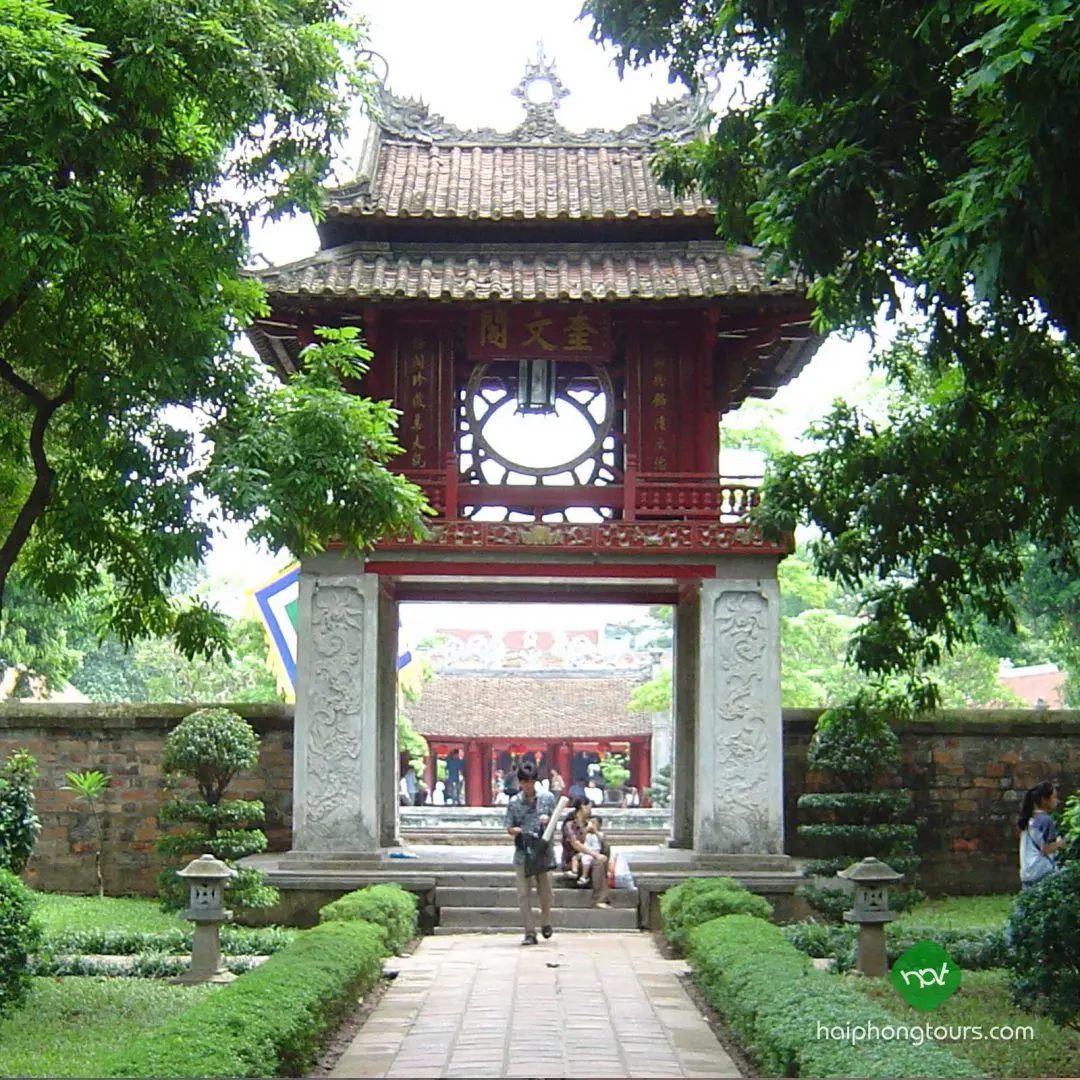

Temple of Literature gateway and ceremonial drum.
Visit slowly and distinguish historical interpretation from the stories attached to good-luck rituals. Check current opening and ticket information, dress appropriately and avoid blocking graduation photographs or worship activity.

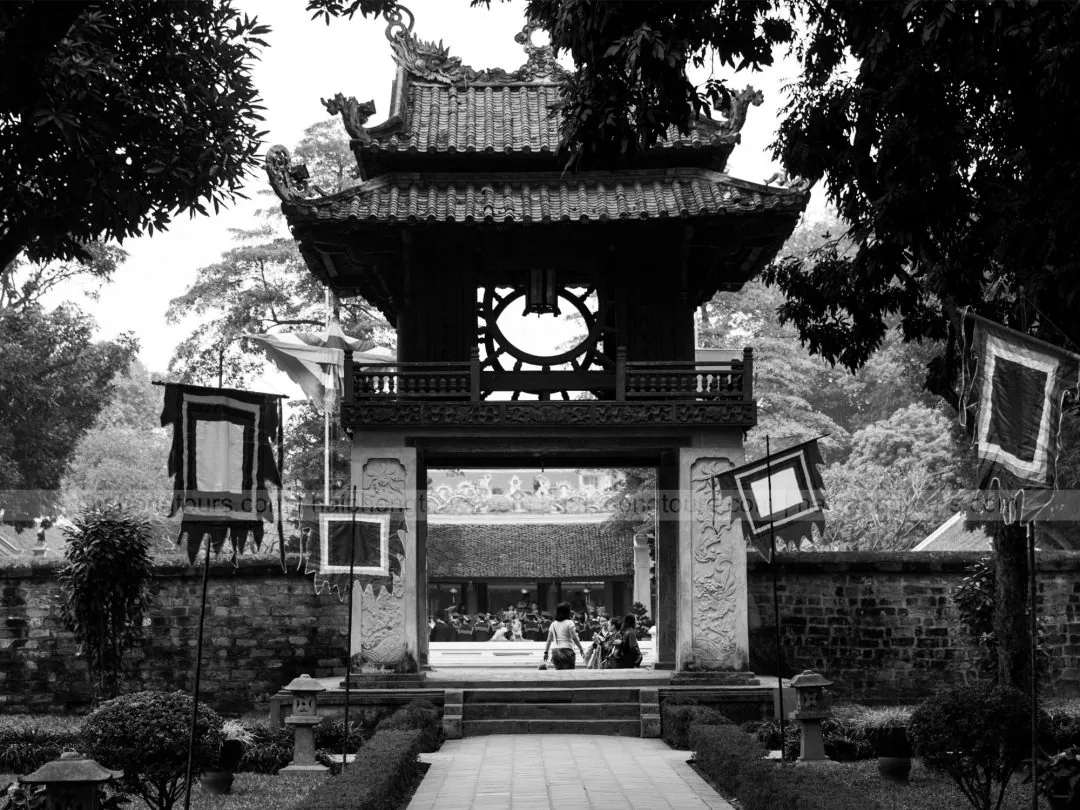
Temple of Literature worship hall and historic pavilion.
Use museums to build reading context
The Vietnamese Women’s Museum, Museum of Ethnology, National Museum of History and Fine Arts Museum can provide social, material and visual context for memoir, fiction, poetry and history. Choose the institution that matches the book you are reading rather than trying to complete a museum list.
English interpretation varies by exhibition. Download notes before the visit, carry the book’s Vietnamese title when possible and record questions for later research instead of filling gaps with assumptions.
For manuscripts and the personal working materials of Vietnamese writers, add the Vietnam Literature Museum in Hanoi. It is a separate attraction from the Temple of Literature: choose a weekday session in Au Co and arrange interpretation if you need English explanations of the objects.
Browse Hanoi with realistic expectations
Large bookshops are useful for current Vietnamese publishing, stationery and some translated titles. Smaller shops and second-hand stalls may reward patient browsing but can be difficult to search by English title.
For specific places to buy reading material, the English bookshops in Hanoi guide compares Bookworm, InBook and The Bookshelf, with current collection addresses, language choices and stock checks before an onward journey.
- Keep the author’s name and title in both scripts when available.
- Ask whether a translation is complete or abridged.
- Check publication language before buying a visually familiar cover.
- Inspect second-hand books for missing pages, moisture and binding damage.
- Protect books from humidity and rain inside your luggage.
A book street or literary event can change its program. Confirm the current date and venue through the organizer rather than building the trip around an old listing.
Read the Old Quarter as a working text
The Old Quarter’s guild-street history, shopfronts, religious sites and dense daily life can make historical writing more concrete. Walk one small area, sit in a cafe and compare the observed street with the period and perspective of your book.
Do not treat a modern resident as a character from an older text. The neighborhood has changed through commerce, migration and tourism, and private alleys remain private even when a novel makes the area feel familiar.
Hai Phong for port-city comparison
Hai Phong adds railway, port and civic history to a northern reading route. Use central architecture, markets and the waterfront context to examine how trade, movement and urban identity differ from Hanoi.
A local bookshop or library may primarily serve Vietnamese readers. Check visitor access before expecting research facilities, and use a translated excerpt or bilingual notes when language access is limited.
Include performance and oral tradition
Water puppetry, traditional music and festival storytelling show how narratives move beyond print. Read a reliable introduction before the performance, then focus on staging, music and repeated motifs rather than expecting a full English explanation of every episode.
For legends and ritual stories tied to specific places, use the North Vietnam legends and folklore itinerary to separate living tradition, historical sites and modern retellings.
A five-day literary route
- Day 1, Hanoi: settle in, browse one bookshop and organize the reading list.
- Day 2: Temple of Literature and one related museum.
- Day 3: Old Quarter observation, reading time and an evening performance.
- Day 4, Hai Phong: train or road journey, central urban walk and local reading time.
- Day 5: return to Hanoi with a flexible final bookshop or museum visit.
Buy and share responsibly
Support legitimate editions and reputable sellers. Ask before photographing pages, displays or people reading, and do not reproduce long copyrighted passages in a travel post.
A useful literary trip leaves space between attractions. Read before a place, observe it without forcing the book onto present-day life, then write down where the text clarified the destination and where the destination complicated the text.
Readers who also need protected time to make new work can use the North Vietnam creative-writing retreat guide to choose a base, routine and ethical research plan.
Would you like help fitting this experience into your trip? Contact us with your travel dates, starting point, available time and group size. Tell us about walking limits or special interests so we can suggest a practical itinerary.