
North Vietnam’s caves are not one type of attraction. Choose Sung Sot, Thien Cung, Dau Go, Trung Trang or Nguom Ngao for a walking cave; Luon and Dark and Bright Cave for a small-boat passage; Trang An or Tam Coc for a landscape journey through several low caves; and Hospital Cave for wartime history inside a mountain.
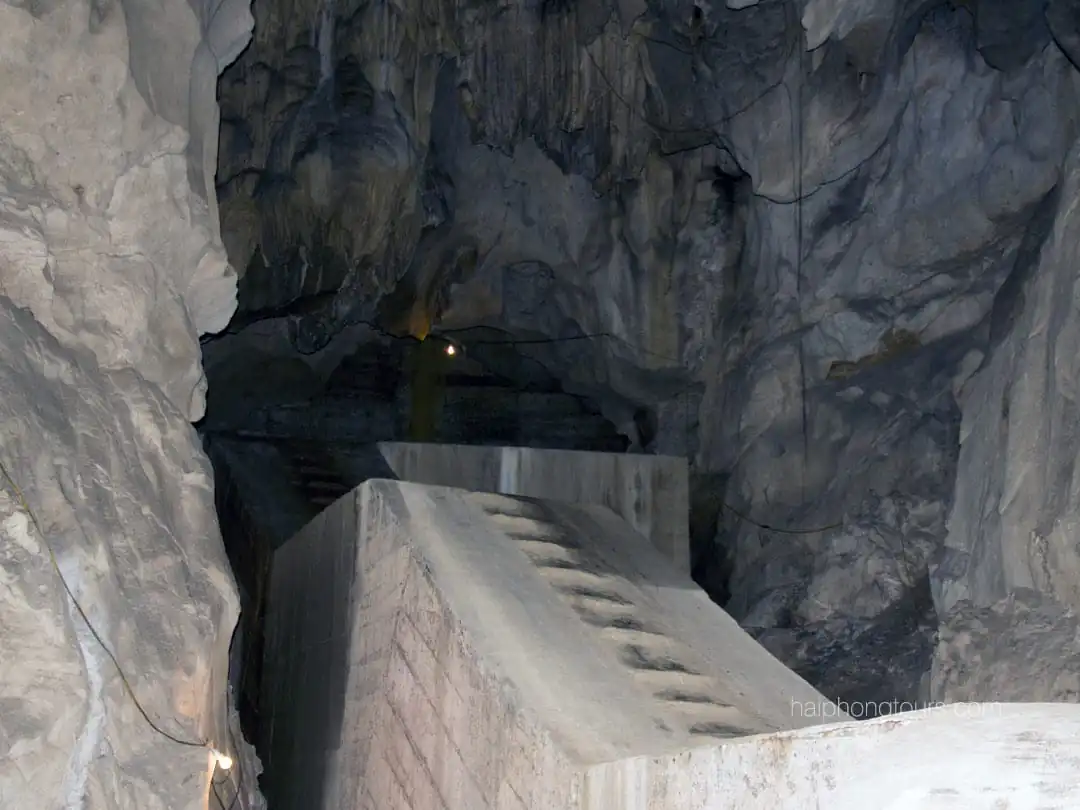
The most useful comparison is physical: steps, low ceilings, wet surfaces, small-boat transfers, darkness and the ability to turn back. A famous cave is not automatically the right choice for a traveler with limited mobility, claustrophobia or only one short cruise.
Four cave experiences to distinguish
Walking show cave
You enter on foot using a managed route with steps, paths and installed lighting. Examples include Sung Sot, Thien Cung, Dau Go, Trung Trang and Nguom Ngao. Difficulty depends on the approach and interior, not only cave length.
Water cave or tunnel
You pass through a low opening by kayak or small rowing boat. Luon Cave in Ha Long Bay and Dark and Bright Cave on Lan Ha routes fit this category. The transfer into the small craft is part of the visit.
Boat landscape with cave passages
Trang An and Tam Coc use small rowboats through karst valleys and cave tunnels. The full seated journey matters more than any single chamber.
Historical or sacred cave
Hospital Cave on Cat Ba combines natural rock with a reinforced wartime complex. Huong Tich Cave at the Perfume Pagoda is a religious destination reached through a larger pilgrimage route. Behavior and meaning matter as much as geology.
 Overnight Cruise
Lan Ha Bay
Calypso Cruise 2 day 1 night tour
Overnight Cruise
Lan Ha Bay Calypso Cruise 3 day 2 night tour
Ha Long Bay caves
Ha Long cave visits are tied to authorized cruise routes. A cruise does not choose freely among every cave on the day. Read the exact itinerary and select the vessel around the stop that matters.
Sung Sot Cave
Sung Sot, also called Surprise Cave, is a large walk-through cave on Bo Hon Island. Its scale and established interior route make it a strong first choice, but the landing and cave visit involve steps and sustained walking. A comfortable ship does not make the cave accessible to everyone.
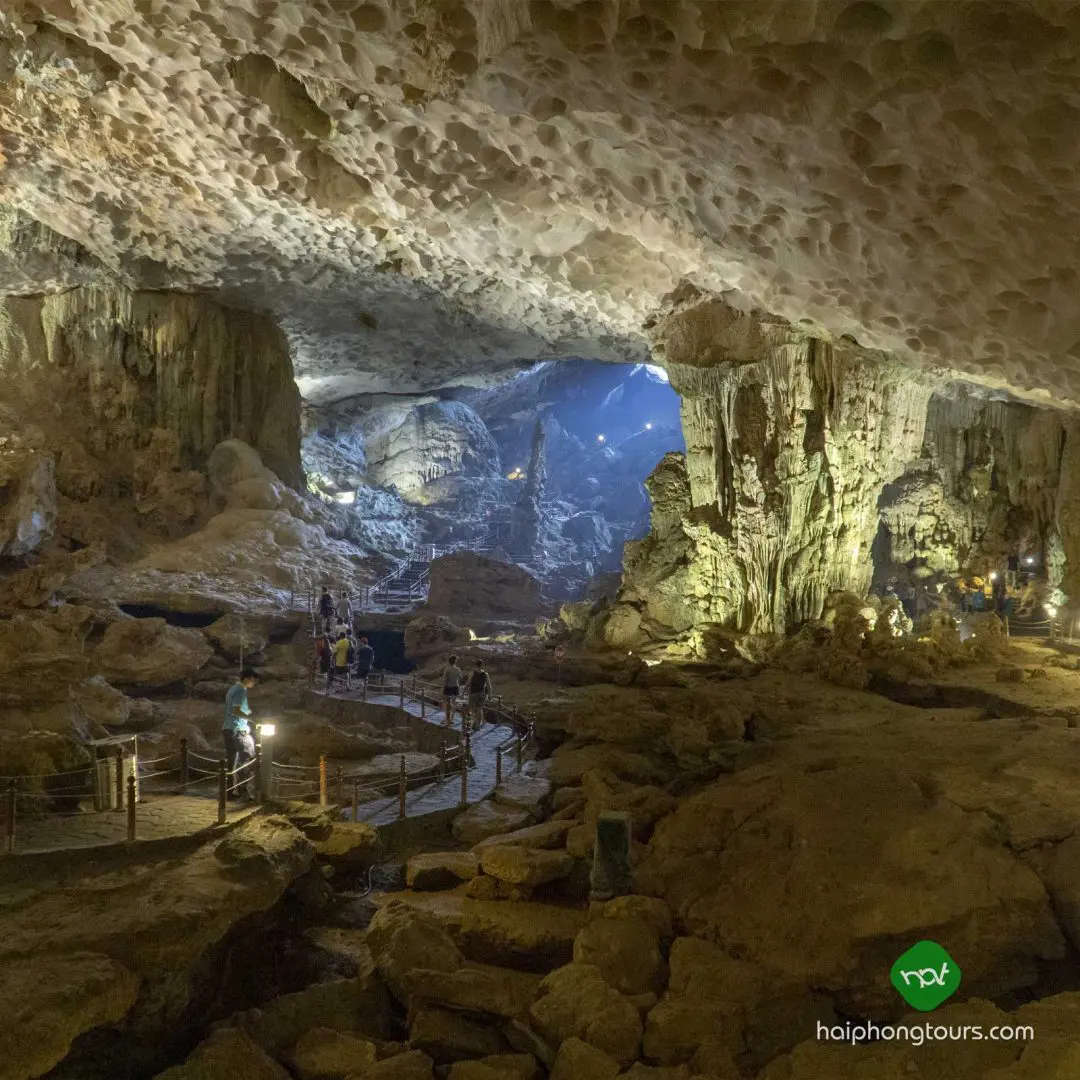
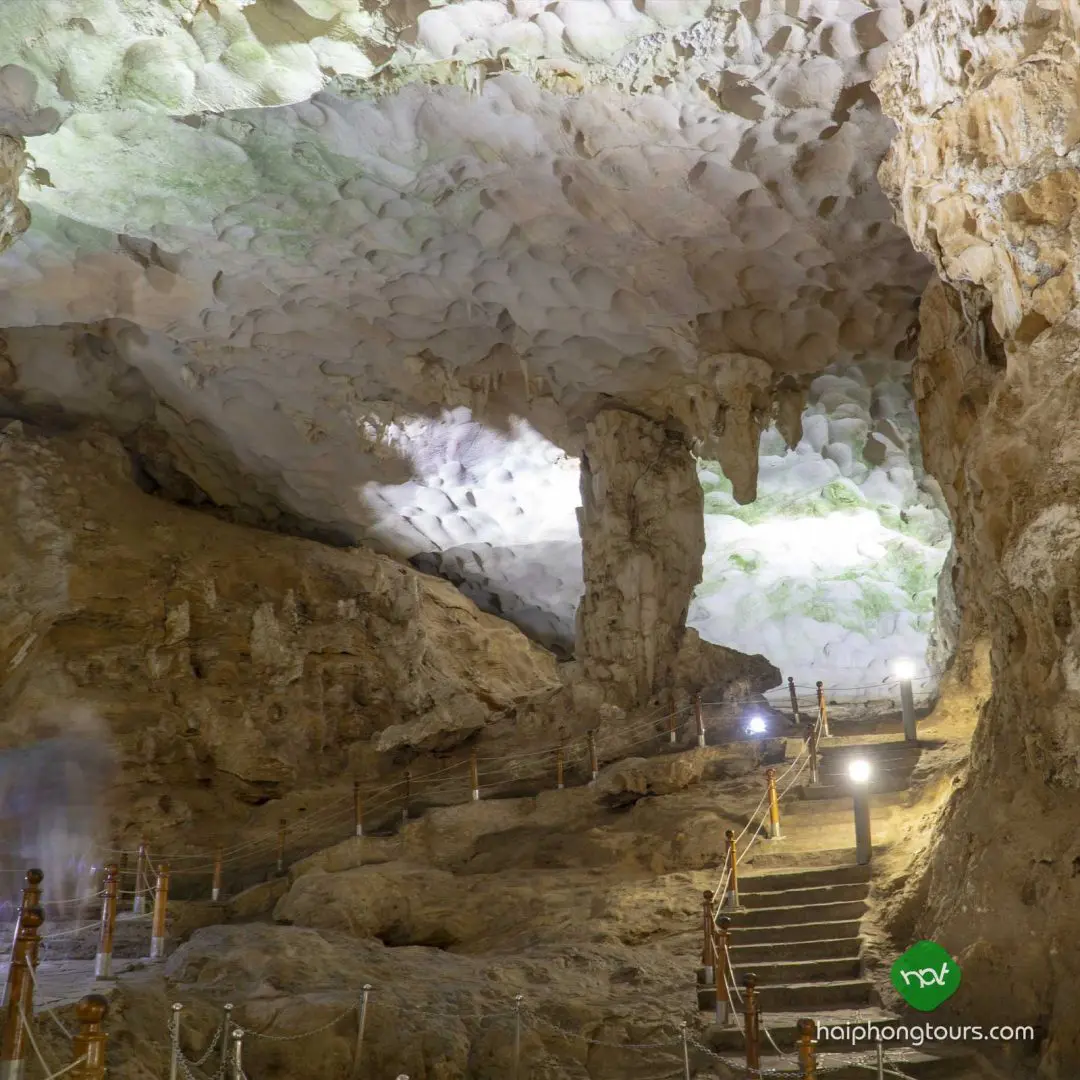
Illuminated chambers and walking paths inside Sung Sot Cave.
 Overnight Cruise
Halong Bay
Catherine Cruise 2 day 1 night tour
 Day Cruise
Halong Bay
Top Luxury Halong bay 1 day Yacht with Private room
 Day Cruise
Halong Bay
Halong Bay Day Tour
 Day Cruise
Halong Bay
Luxury Halong bay day cruise
 Day Cruise
Halong Bay
Private 6 Hour Halong Bay Day Cruise
 Day Cruise
Halong Bay
Catherine Horizon Day Cruise
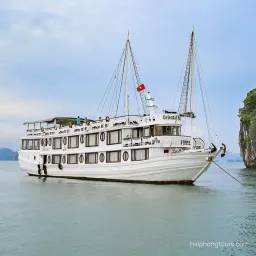 Overnight Cruise
Halong Bay
Oriental Sails 2 day 1 night tour
 Overnight Cruise
Halong Bay
Athena Cruise 2 day 1 night tour
 Overnight Cruise
Halong Bay
Starlight Cruise 2 day 1 night tour
Overnight Cruise
Halong Bay & Lan Ha Bay Oriental Sails 3 day 2 night tour
Overnight Cruise
Halong Bay & Lan Ha Bay Starlight Cruise 3 day 2 night tour
Overnight Cruise
Halong Bay Athena Cruise 3 day 2 night tour
Overnight Cruise
Halong Bay Catherine Cruise 3 day 2 night tour
 Day Cruise
Halong Bay
Icon Cruise Halong Bay: 6-Star Luxury Day Cruise
Thien Cung and Dau Go
Thien Cung and Dau Go are separate caves on the same island area. They appear on shorter classic Ha Long routes. Thien Cung emphasizes densely lit formations; Dau Go has a broader entrance and distinct chambers. Confirm both names if visiting both is important.
Luon Cave
Luon is a water-level tunnel into an enclosed lagoon. Visitors use a kayak or rowing boat when conditions allow; the main cruise ship cannot enter. This requires a small-craft transfer and low clearance rather than a walking route.
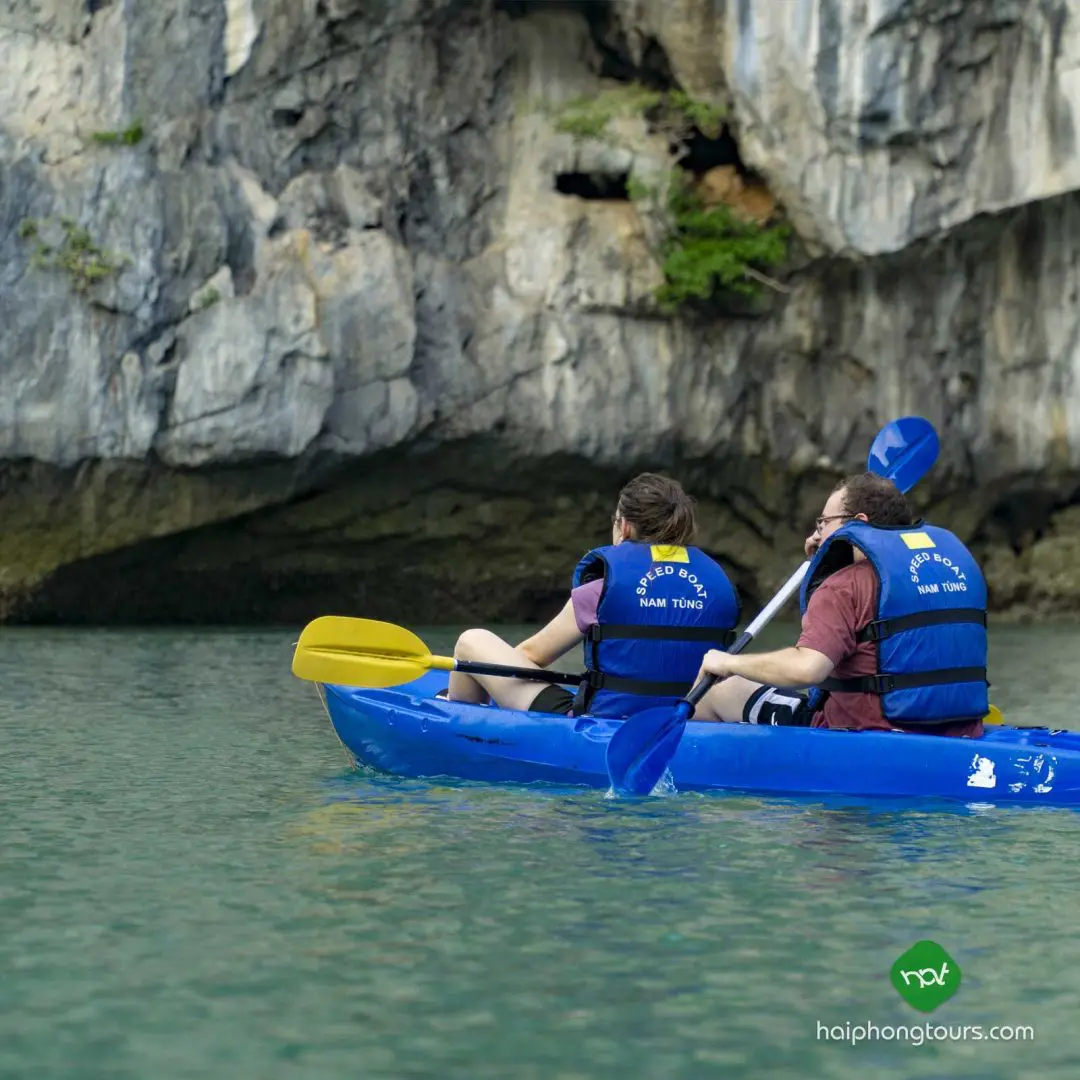

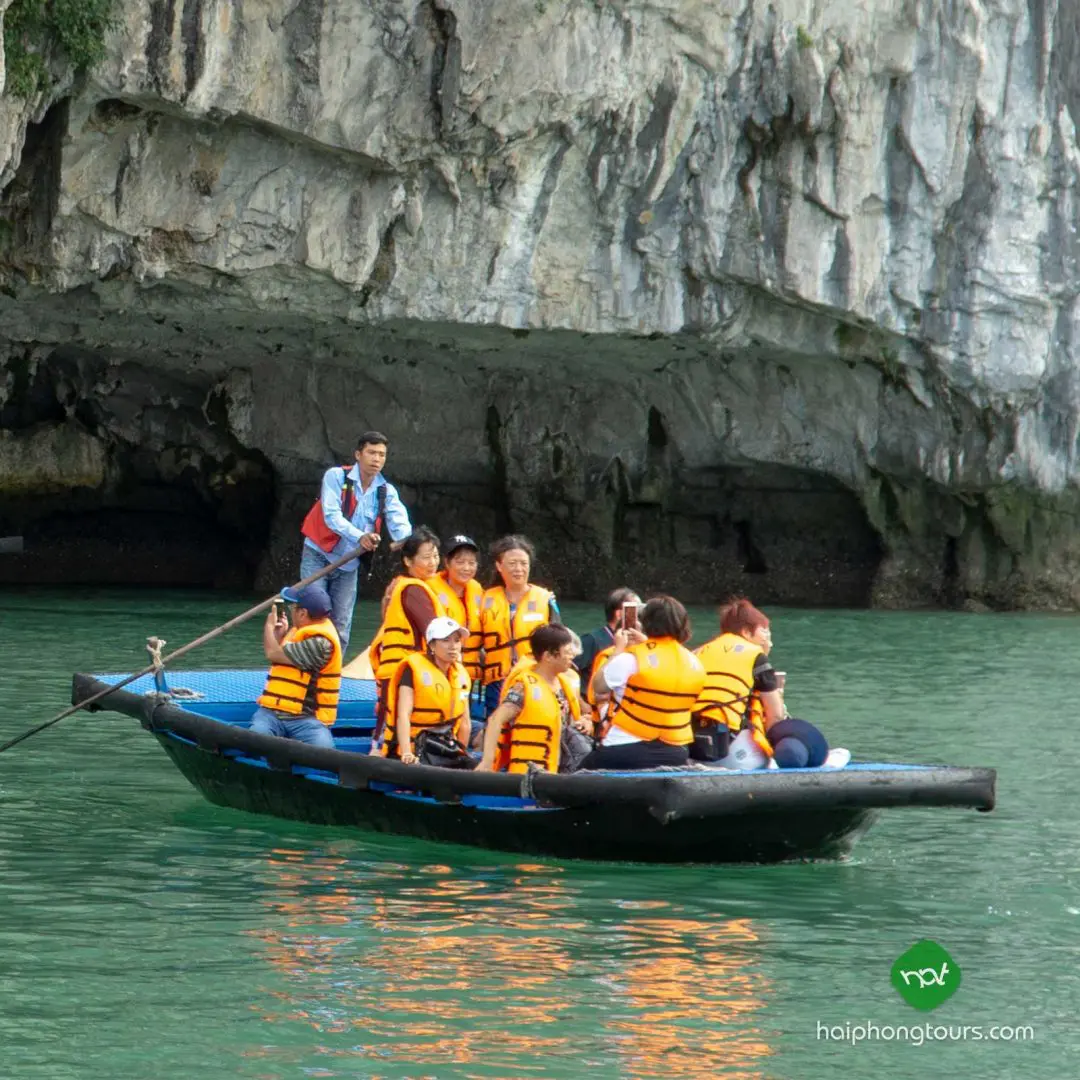
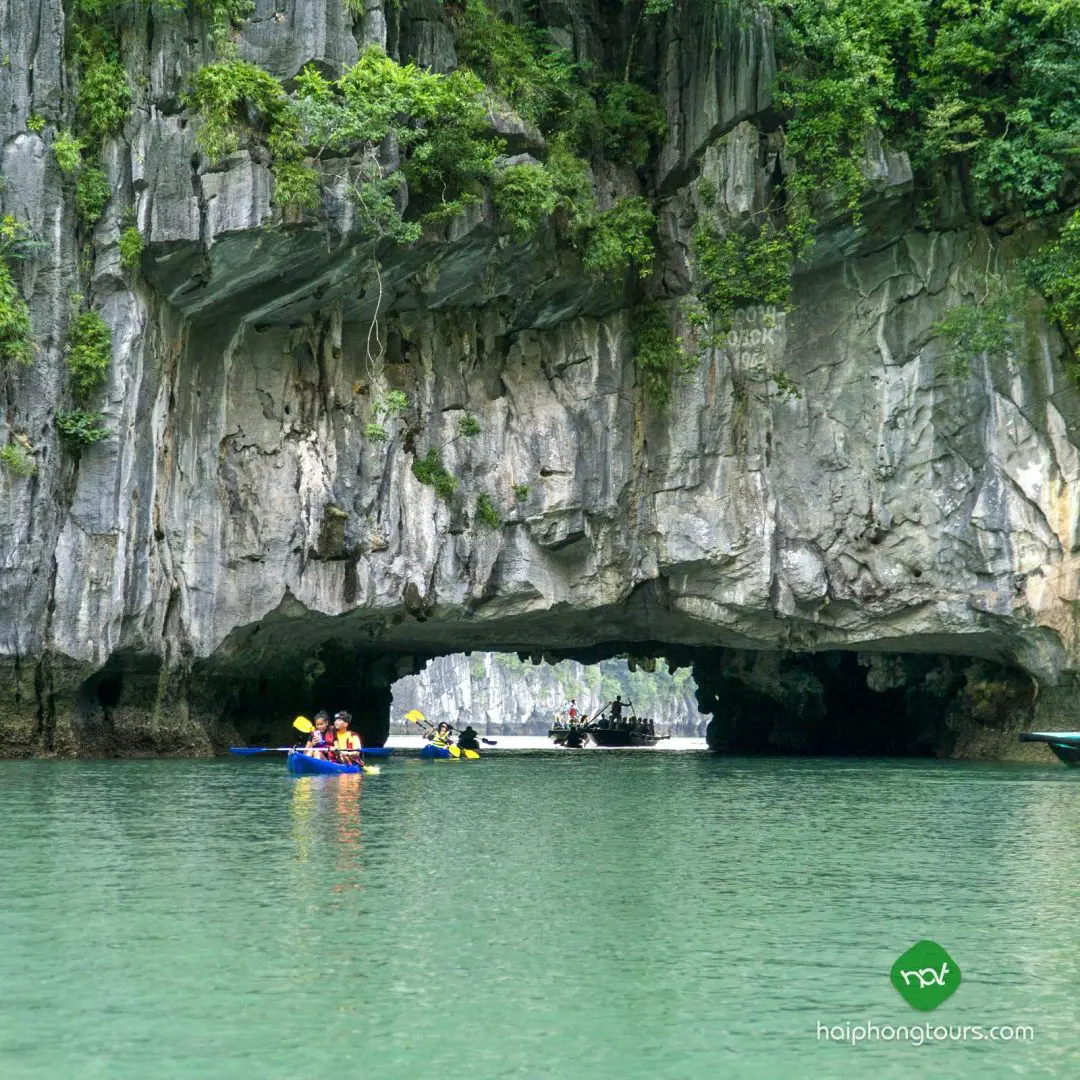
Kayaks, rowboats and a monkey around Luon Cave.
The Ha Long Bay caves guide compares the walking caves, water caves and routes in detail. Use the current Hai Phong Tours cruise directory to check which exact cave appears in each itinerary.
Lan Ha and Bai Tu Long cave routes
Dark and Bright Cave is associated with Lan Ha Bay itineraries and is normally experienced by kayak or small rowing boat. The limestone passage, lagoon and transfer conditions matter more than the word cave. If kayaking is optional, ask what rowing alternative is provided.
Thien Canh Son appears on established Bai Tu Long overnight routes. Bai Tu Long is too distant for a practical one-day substitute from the usual Ha Long departure pattern, so treat this as an overnight-cruise decision.
Cave availability can change with tide, weather, conservation and route operations. Select a cruise whose overall bay experience still works if one small-craft activity changes.
Cat Ba: Hospital Cave or Trung Trang Cave?
These two Cat Ba caves answer different interests. Hospital Cave is a historical site where a natural cave was adapted as a protected wartime medical complex. Trung Trang is a natural limestone passage focused on formations and cave ecology.
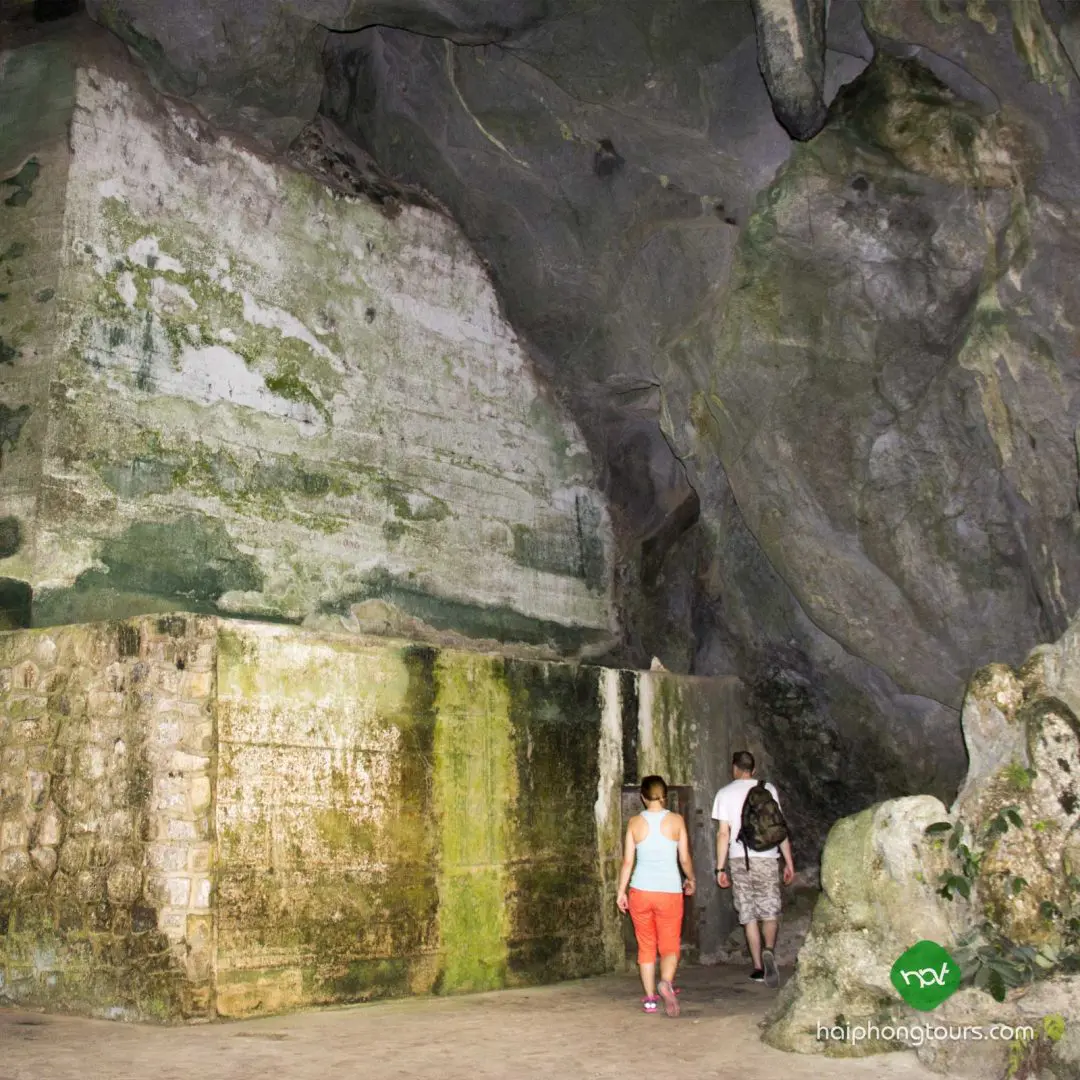
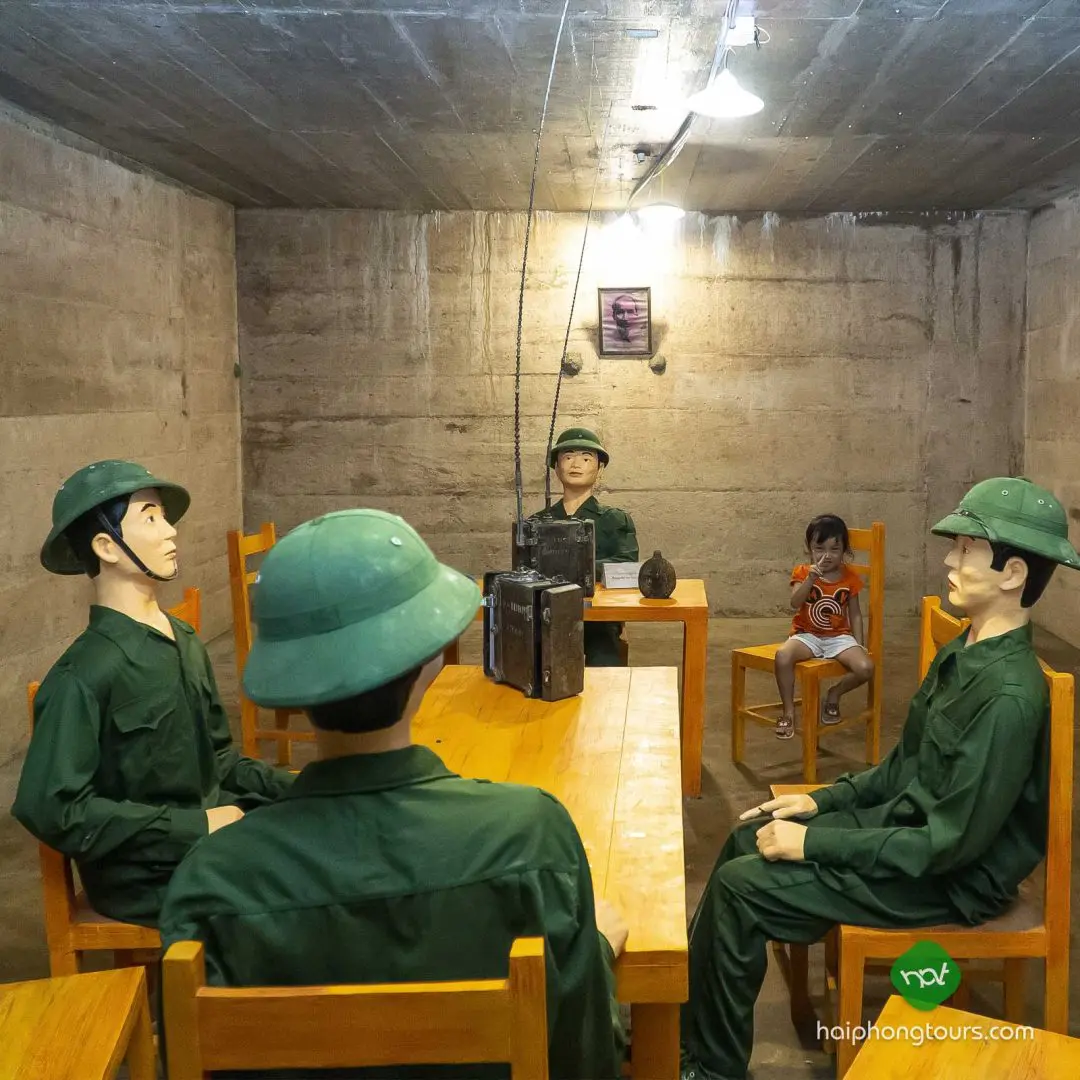
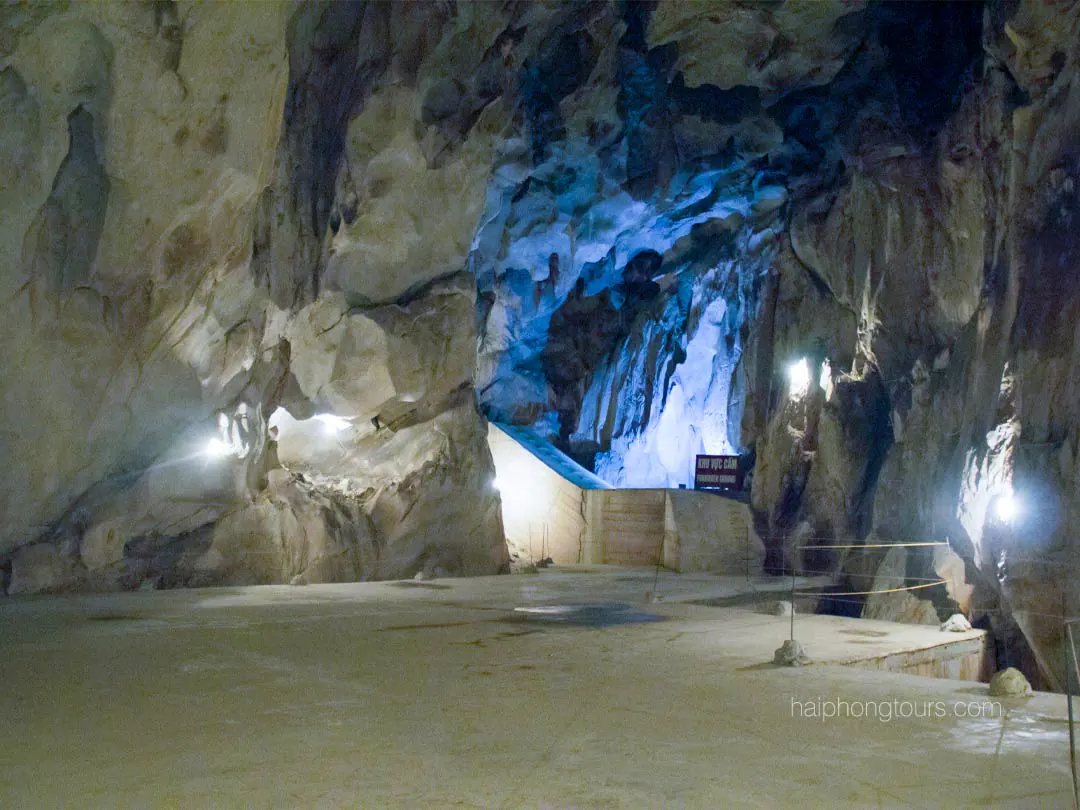
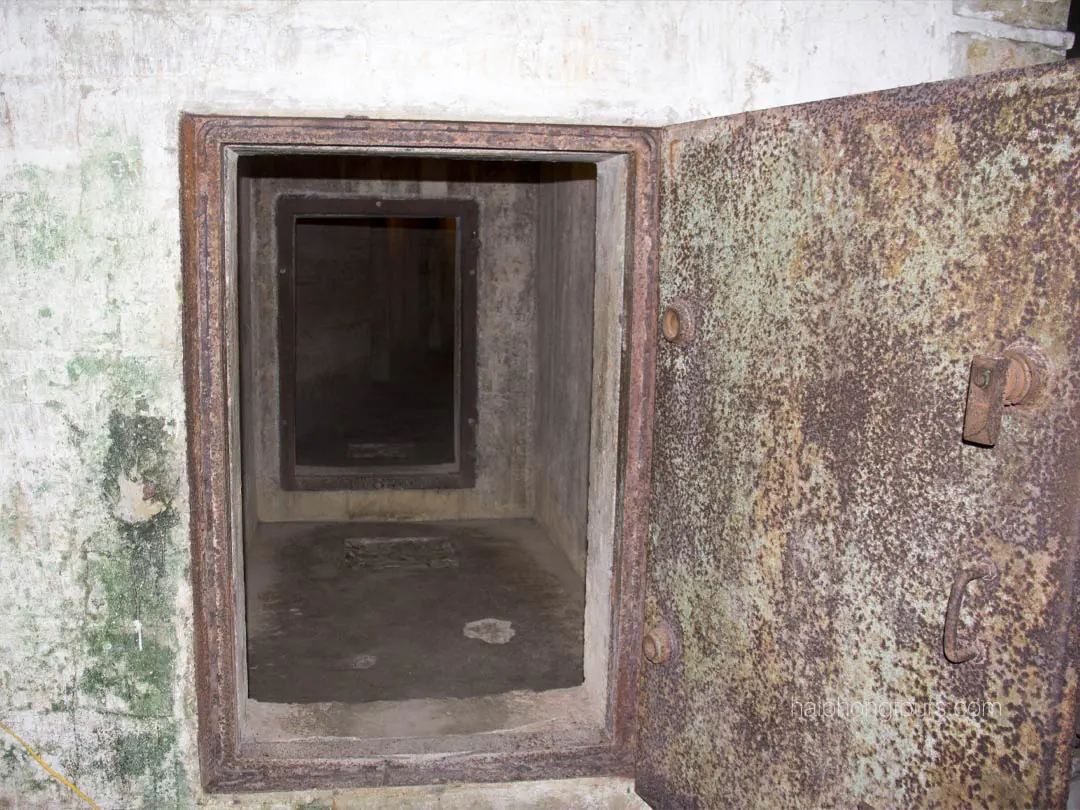
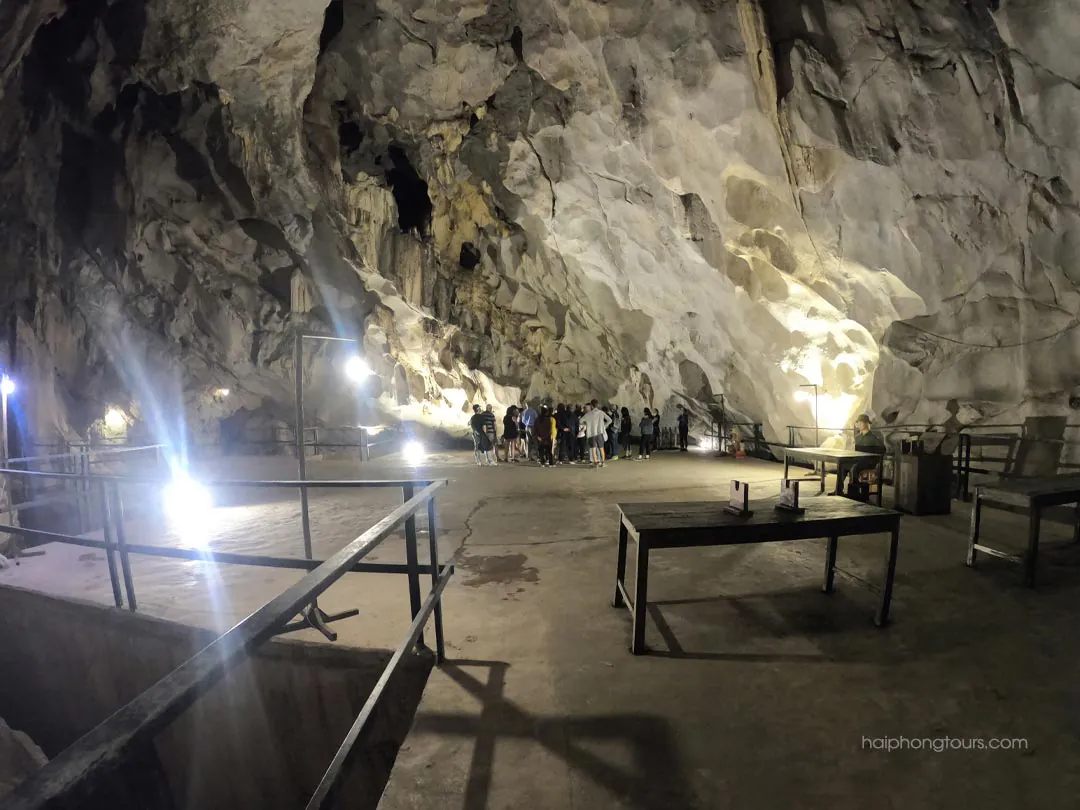
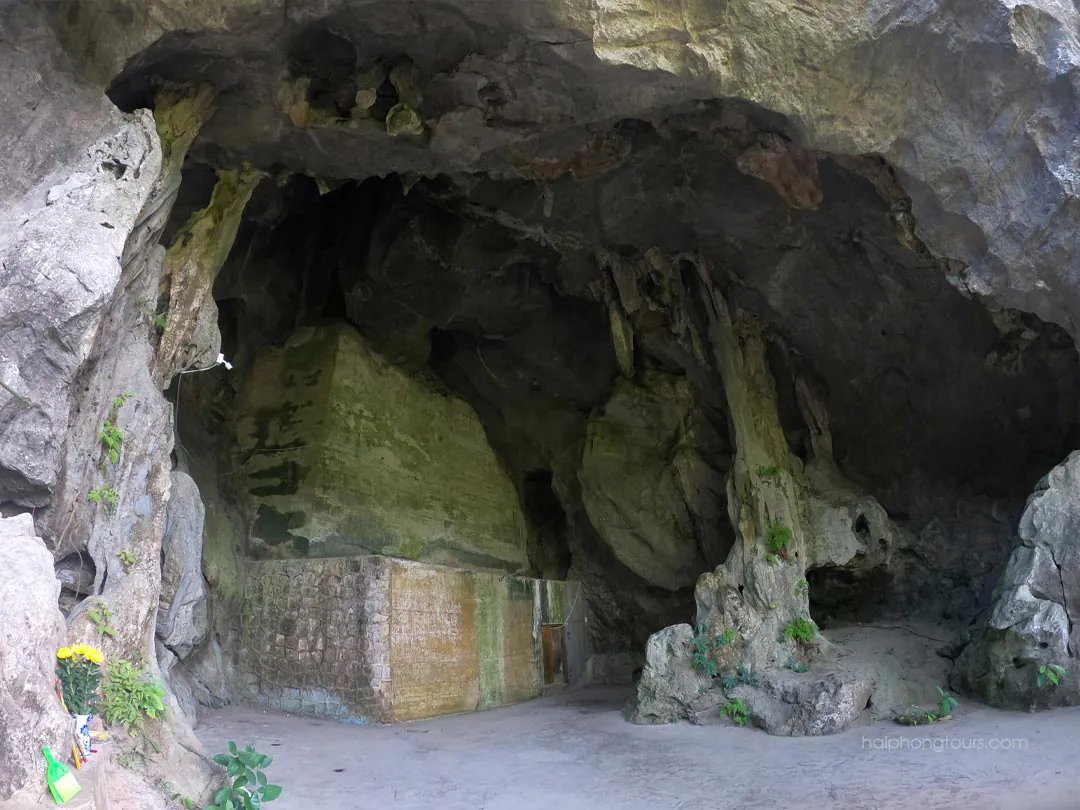

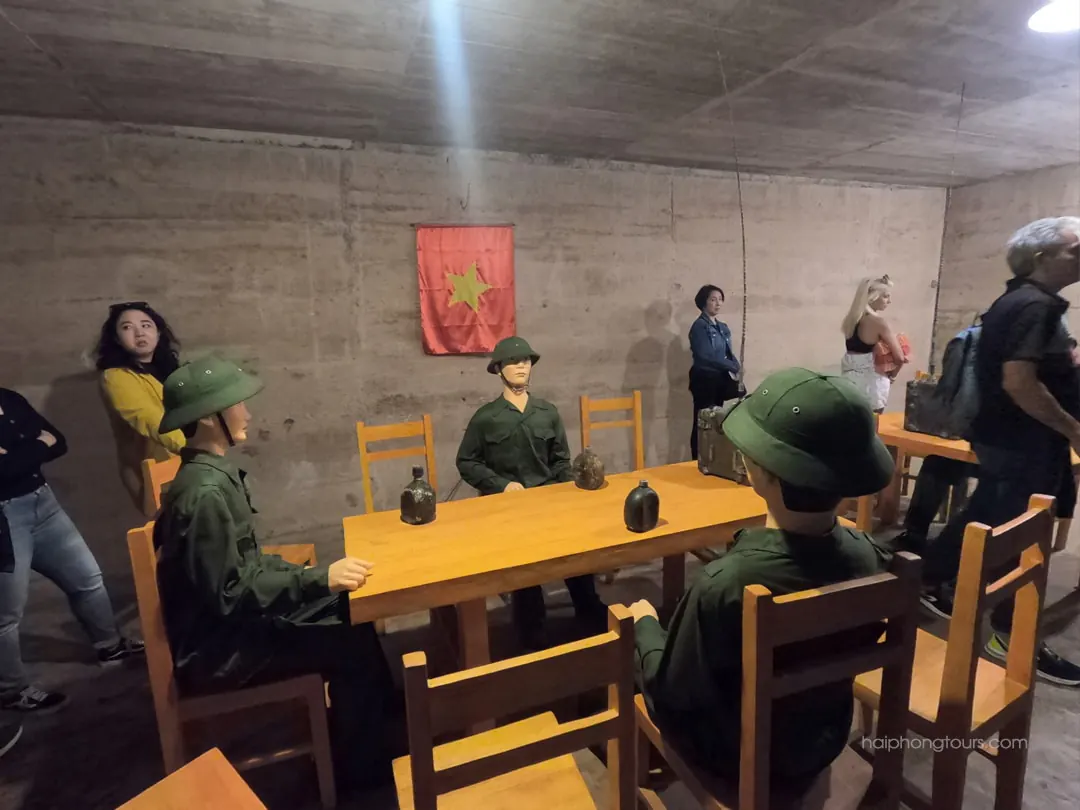
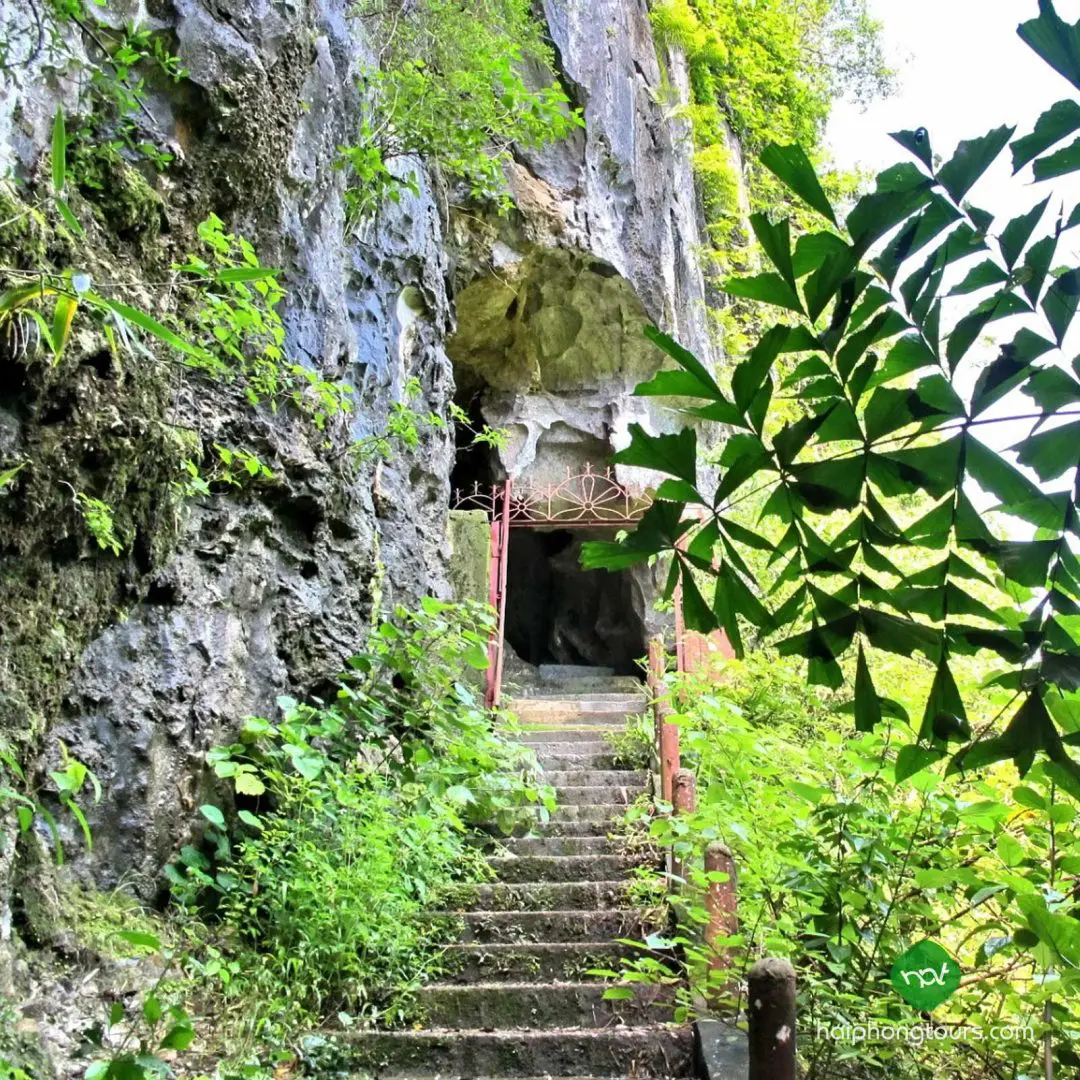

Hospital Cave chambers and wartime displays, followed by Trung Trang Cave.
 Overnight Cruise
Lan Ha Bay
Aqua Luxury cruise 2 day 1 night tour
 Overnight Cruise
Lan Ha Bay
Mila Grand Cruise 2 day 1 night tour
Overnight Cruise
Lan Ha Bay Mila Grand Cruise 3 day 2 night tour
Overnight Cruise
Lan Ha Bay Aqua Luxury cruise 3 day 2 night tour
Neither is a dependable step-free attraction. Hospital Cave begins with a staircase and uses a multi-level interior. Trung Trang has an extended natural passage with uneven, narrow and sometimes low sections.
Choose Hospital Cave for history and human engineering. Choose Trung Trang for geology and an efficient pairing with Cat Ba National Park. The Hospital Cave versus Trung Trang guide compares access, timing and physical barriers.
Ninh Binh: the cave is part of the boat journey
Trang An
Trang An combines submerged valleys, temples and multiple cave passages on a small rowboat. Several routes may operate, and water, conservation or daily conditions can change what is available. Choose Trang An for the full landscape system rather than one named cave.
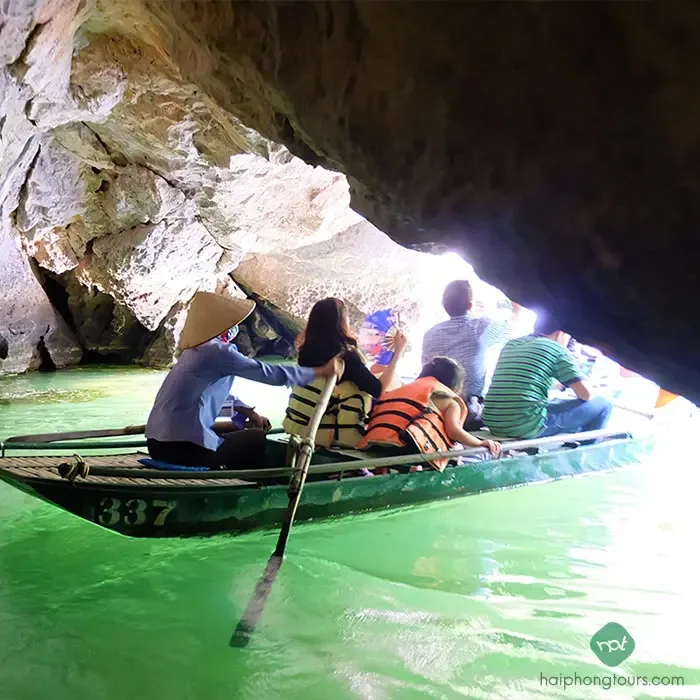
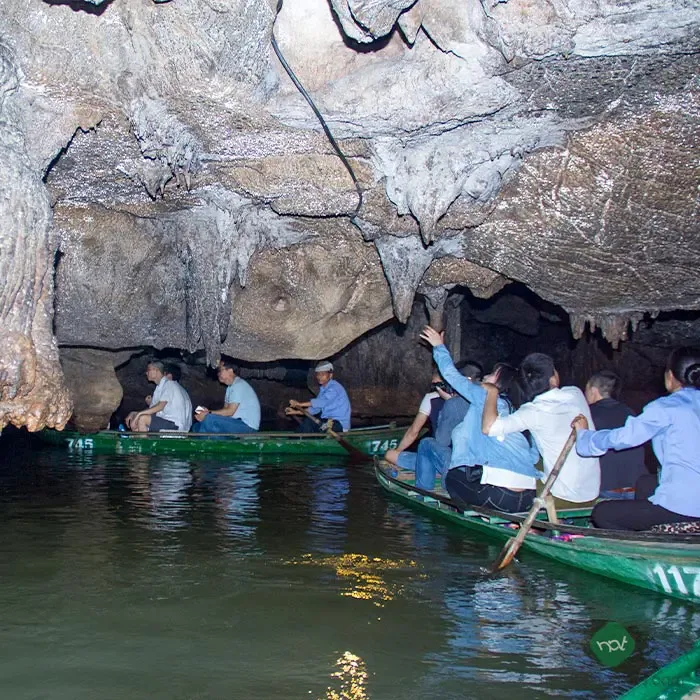
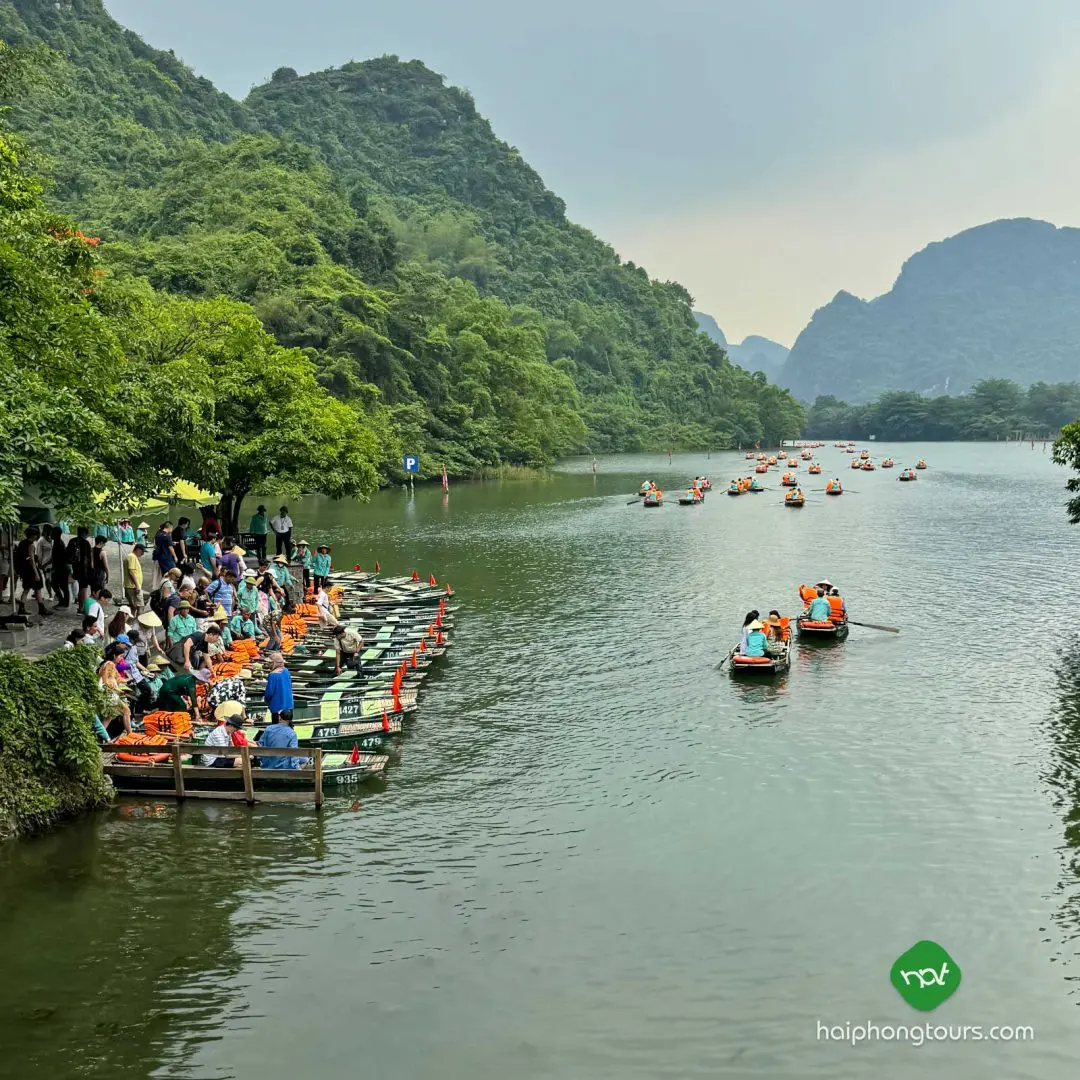
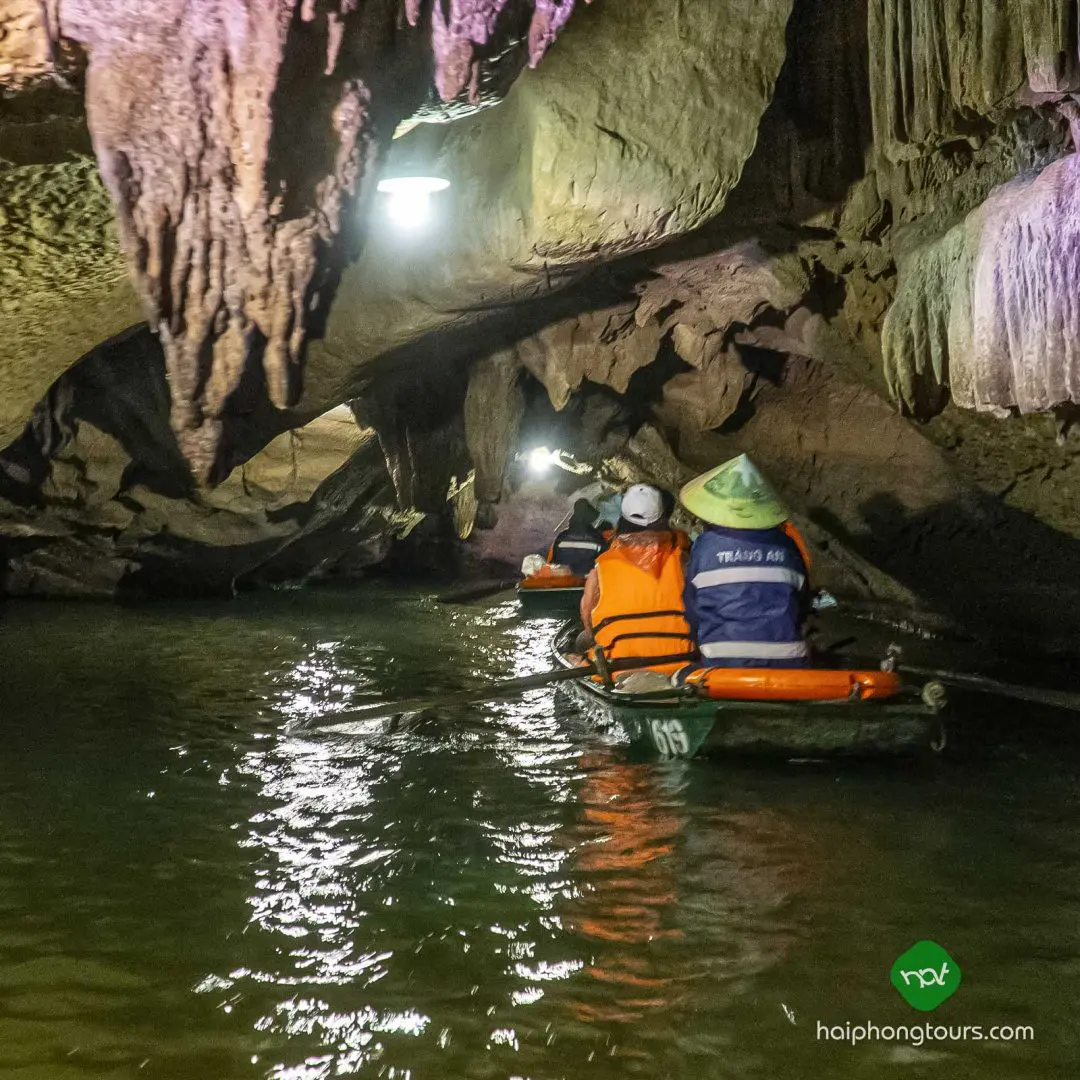
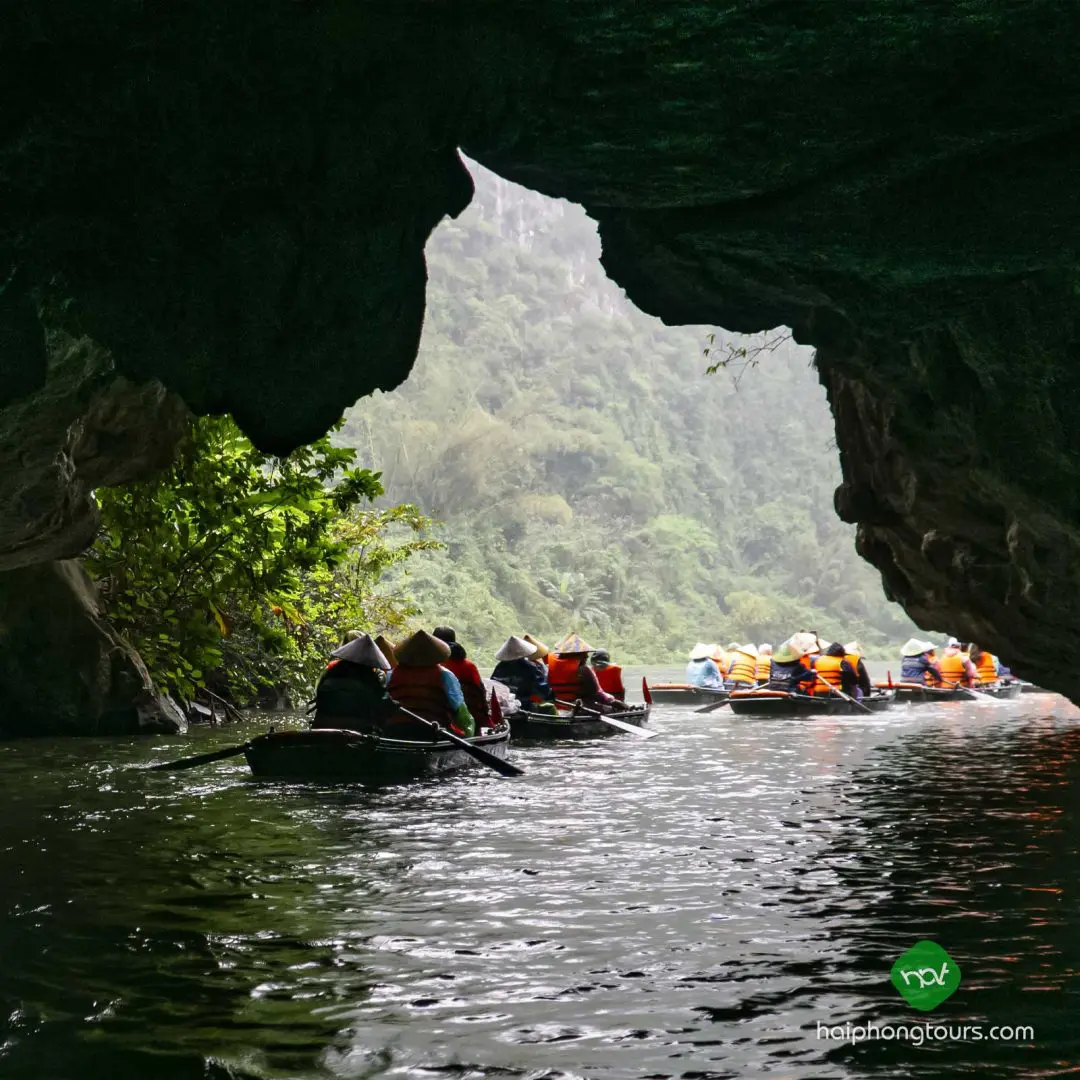

Trang An departure area and rowboats passing through limestone caves.
The traveler must transfer into a low boat and remain seated for an extended trip. Some landings may add steps. Use the toilet before boarding and confirm the current route and expected duration at the official dispatch point.
Tam Coc
Tam Coc means three caves and follows the Ngo Dong River through Hang Ca, Hang Hai and Hang Ba. The journey is known for open rice-field and limestone views between the passages. Rice conditions change with farming, so the cave route remains the reliable part of the experience.
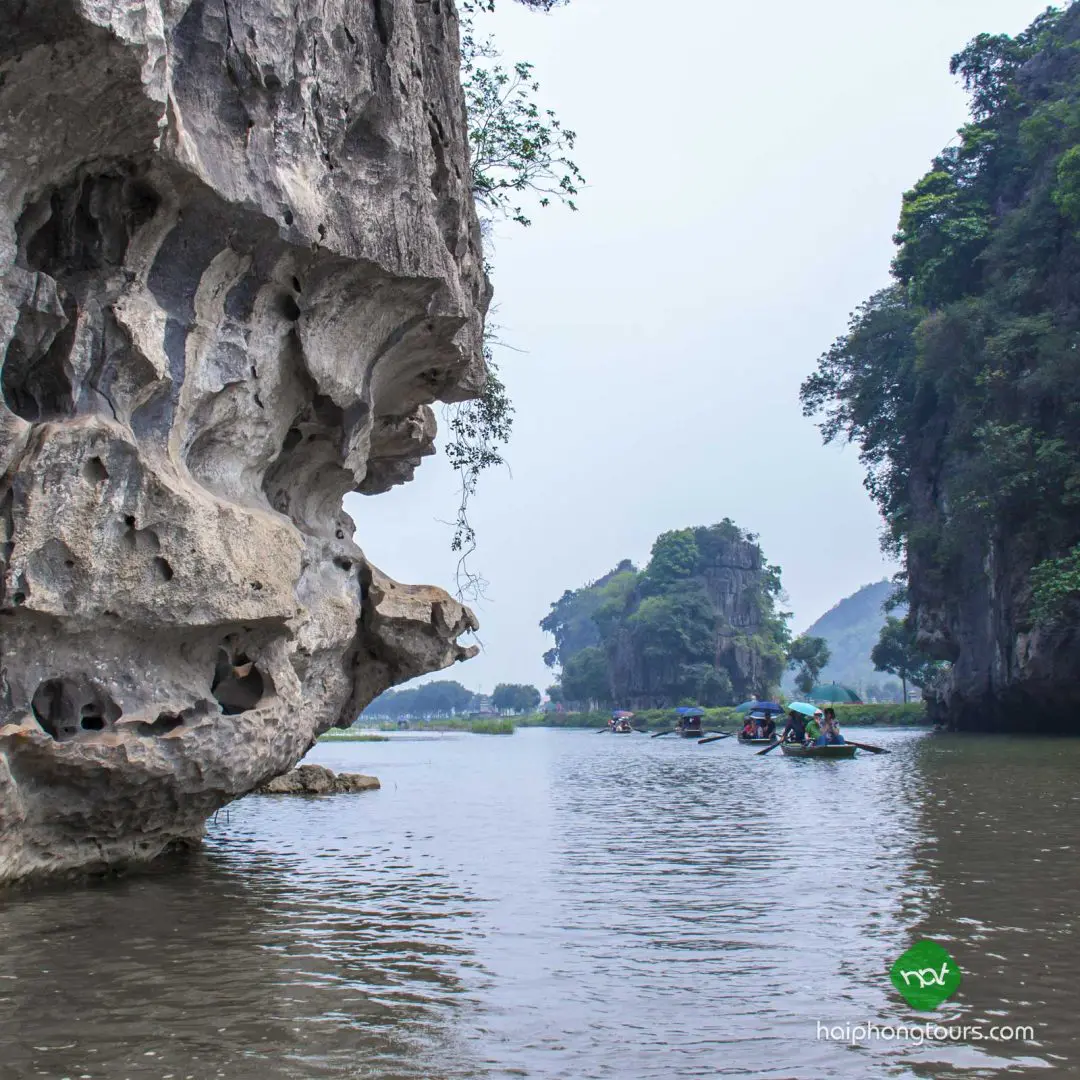

Rowboats and limestone cliffs along the Tam Coc route.
Hang Mua is mainly a viewpoint climb
“Mua Cave” appears widely in travel searches, but most visitors go for the steep stair climb to the mountain viewpoints. Do not choose it as a substitute for a substantial cave interior. The heat, steps and exposed upper path are the main planning issues.
The current Ninh Binh day tours from Hanoi offer multiple combinations using Trang An or Tam Coc with land attractions. Select one boat route rather than trying to duplicate both in the same day.
Cuc Phuong caves
Cuc Phuong National Park includes limestone caves within a forest setting. The Cave of Prehistoric Man adds archaeological context, while other routes can be longer or require a guide. Park headquarters, conservation centers and core forest are separated by road.
Use the Cuc Phuong guide to choose a named forest and cave route. Confirm current access, guide requirements, lighting and transport inside the park.
Do not build the day around seeing bats or other wildlife. Observe without touching, feeding, flash harassment or leaving the managed path.
Nguom Ngao Cave in Cao Bang
Nguom Ngao is a major walking cave near the Ban Gioc area and fits naturally into a Cao Bang road itinerary. Its limestone chambers and formations provide a different experience from the open waterfall landscape.
Allow for interior walking, steps, damp surfaces and temperature change. Confirm the current visitor route and closing time locally. Use footwear with grip and keep the same day geographically focused rather than adding a long drive back to Hanoi.
Lang Son cave pagodas
Tam Thanh and Nhi Thanh combine limestone interiors with religious, literary or historical elements close to Lang Son city. They are better approached as cultural cave sites than pure geological show caves.
Dress respectfully, speak quietly around worship, avoid blocking altars and ask before photographing people. Stone stairs and damp floors remain practical barriers even when the site is inside an urban area.
Phuong Hoang Cave and Mo Ga Stream in Thai Nguyen
Phuong Hoang combines a substantial stone-step climb to an upper cave with a lower stream and recreation area. The Phuong Hoang and Mo Ga visitor guide explains the difference, the effort involved and how to plan a half-day stop along the Thai Nguyen–Bac Son corridor.
Huong Tich Cave and the Perfume Pagoda route
Huong Tich is a sacred cave within the Perfume Pagoda pilgrimage landscape near Hanoi. The day involves road transport, a boat segment and mountain access, which may use a cable car for part of the journey when operating. The cave cannot be judged as a simple roadside stop.
During busy pilgrimage periods, crowd flow can matter more than walking distance. Confirm current boat, cable-car and site operations, and choose another day if congestion would make the experience unsuitable.
Pu Sam Cap: walking caves near Lai Chau
The Pu Sam Cap caves guide explains Thien Mon and Thien Duong, including the steps and outdoor connection. Plan a half-day from Lai Chau and treat the more difficult Thuy Tinh cave as a separate access question, not an automatic third stop.
Tien Son: a sacred cave on the Binh Lu route
Tien Son Cave in Binh Lu, Lai Chau combines limestone formations, an underground stream and religious grounds beside the National Road 4D corridor toward Sapa. It is separate from Pu Sam Cap. Confirm the public section open that day and allow time for both cave and grounds, rather than expecting access to the entire cave system.
Physical conditions inside caves
- Steps: approaches may climb before the cave and continue inside.
- Wet surfaces: condensation, rain and dripping water reduce grip.
- Low passages: protect the head and move slowly.
- Narrow sections: turning back may be difficult once a group enters.
- Light: installed lighting can be uneven and may fail to reveal a step.
- Temperature: interiors can feel cooler but humid; glasses and lenses may fog.
- Sound: enclosed spaces amplify voices and large groups.
- Wildlife: bats and other cave animals should not be approached or disturbed.
Tell the guide before entering if you have claustrophobia, balance problems, reduced vision, breathing concerns or difficulty with steps. Ask whether an early exit is possible.
Accessibility and limited mobility
“Easy cave” can mean short rather than accessible. A few steep entrance steps, a narrow threshold or low boat transfer can be the decisive barrier.
The accessible North Vietnam guide explains how to verify the complete route. For a cave, request entrance and interior step information, handrails, path width, ceiling height, toilet, seating and the closest vehicle drop-off.
A traveler who skips a cruise cave should confirm whether remaining onboard is permitted and whether an accessible toilet and supervised public area stay available.
Children in caves
Choose a short managed route with a clear exit for a first cave. Hold young children near water, stairs, railings and low formations. A carrier can become awkward in a low passage, while a stroller may be unusable.
Explain darkness, bats and echoes before entering. Do not encourage children to touch formations, collect rocks or run ahead. Bring a small light, but do not aim a powerful beam at wildlife or other visitors.
What to wear and carry
- Closed footwear with tested grip.
- Light layer for cooler interiors.
- Small bag that leaves hands free.
- Water for the approach and return.
- Phone light or compact torch as a backup where permitted.
- Lens cloth for condensation.
- Dry pouch for electronics during boat transfers.
- Personal medication and any needed mobility aid.
Large backpacks make narrow paths and small boats harder. Leave unnecessary luggage at the hotel or in a confirmed vehicle.
Photography without damaging the cave
Follow the site’s current flash, tripod and commercial-photography rules. A tripod can block a narrow route even when photography is allowed. Keep the group moving and use a stable stance rather than leaning across a barrier.
Do not touch, sit on or place equipment against formations. Their surfaces can be damaged and wet rock can be unsafe. Avoid flash or bright continuous light around bats and sensitive wildlife.
Weather and seasonal access
Heavy rain can affect cave access, water levels, boat passages and approach roads. A dry walking cave may remain open while a water-cave visit changes, or the reverse. The operator’s same-day safety decision overrides an old itinerary.
Use the North Vietnam weather guide for broad planning, then check recent rain and current operations. Do not enter an unmanaged cave, flooded passage or river tunnel after heavy rain.
Cave etiquette and conservation
- Stay on the marked route.
- Do not touch or remove rock, crystal, plants or archaeological material.
- Do not feed or disturb animals.
- Keep voices low at religious and wildlife-sensitive sites.
- Carry all waste out.
- Do not write, scratch or attach anything to the cave.
- Follow guide instructions around low ceilings, water and group spacing.
Build a cave-focused route
Five days: bay and island
- Ha Long day or overnight cruise with one confirmed cave route.
- Cat Ba for two nights.
- Choose Hospital Cave or Trung Trang, then add a national-park stop suited to your ability.
Seven days: river, forest and bay
- Ninh Binh for Trang An or Tam Coc.
- Cuc Phuong for one named cave and forest route.
- Ha Long for a walking cave or water cave matched to the cruise.
Do not visit every cave simply because the route passes nearby. Choose one water-cave experience, one walking cave and one historical or forest context.
Common mistakes
- Assuming every place called cave has a substantial interior visit.
- Choosing a cruise before checking the named cave route.
- Ignoring steps between the boat landing and cave entrance.
- Wearing smooth sandals on damp stone.
- Entering a low or narrow route without discussing claustrophobia.
- Expecting Trang An and Tam Coc to feel like walking show caves.
- Using flash or touching formations.
- Following an unmanaged passage after heavy rain.
Frequently asked questions
Which is the best cave in Ha Long Bay?
Choose Sung Sot for a large walking cave, Thien Cung and Dau Go for a shorter classic route, or Luon for a small-boat tunnel. The right choice depends on the cruise itinerary and physical needs.
Is Mua Cave a real cave visit?
There is a cave at the site, but most visitors go for the steep stair climb and mountain viewpoints. Do not choose it as a substitute for a large cave interior.
Can I visit a cave with claustrophobia?
Choose an open-chamber walking cave with a clear exit and avoid low water tunnels or narrow continuous passages. Explain the concern to the guide before entering.
Are North Vietnam caves wheelchair accessible?
Many involve stairs, uneven surfaces or low-boat transfers. Some partial visits may work for a traveler who can transfer, but the exact route needs current verification.
Do I need my own headlamp?
Managed show caves usually have installed lighting. Carrying a small backup light can help where permitted, but remote caving requires a guide and specialist equipment rather than a phone light.
Can rain cancel a cave visit?
Yes. Water levels, boat access, interior flooding and approach roads can change. Reconfirm the same day and accept the operator’s safety decision.
Choose the cave by how you enter
A cave name tells only part of the experience. Decide whether you want to walk, ride through a water tunnel, learn wartime history or join a sacred landscape. Then check the steps, surface, route and weather so the visit fits the traveler as well as the itinerary.
Would you like help fitting this experience into your trip? Contact us with your travel dates, starting point, available time and group size. Tell us about walking limits or special interests so we can suggest a practical itinerary.