
A farm-to-table trip in North Vietnam should follow one ingredient from landscape or producer to market, kitchen and finished dish. Hanoi gives you the best comparison base; Thai Nguyen or Moc Chau can add tea and agriculture, while Hai Phong connects fish sauce, rice noodles, seafood and port-city food.
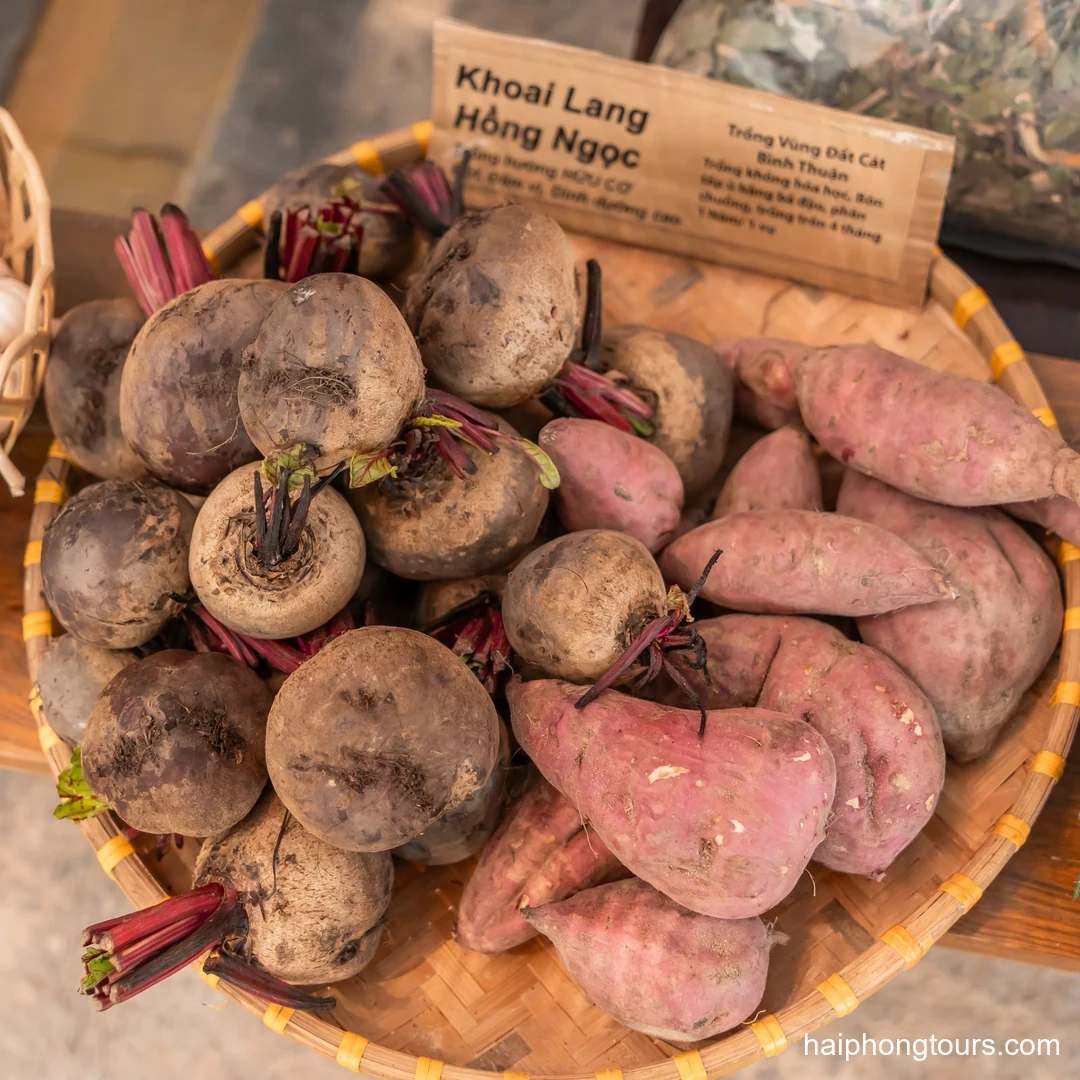
Do not accept farm-to-table as proof of origin. Ask which farm or producer supplied the ingredient, whether the visit is part of normal work and what is actually in season. A rural-looking restaurant and a farm-themed hotel may have no direct relationship with the food on the plate.
Choose one food chain to follow
- Rice: field season, milling, noodles, cakes and everyday meals.
- Tea: garden, picking standard, processing, tasting and buying.
- Fish sauce: raw material, salt, fermentation, grading and kitchen use.
- Rice noodles: flour or soaked rice, forming, drying, packing and local dishes.
- Fruit and vegetables: season, harvest, wholesale movement and restaurant preparation.
One complete chain teaches more than five unrelated photo stops. It also helps you see where value is created and which claims are difficult to verify.
For another ingredient, consider a Côn Minh glass-noodle producer visit.
Use Hanoi to establish the questions
Begin with one neighborhood market and a meal built around the ingredient you intend to follow. Notice how it is named, sold and portioned. Ask simple questions about origin, but remember that a retail seller may buy through a wholesaler and may not know the farm.
The North Vietnam markets guide explains the difference between neighborhood, wholesale, weekly and tourist markets. Choose the type that answers your question instead of treating every market as a producer market.
For a hosted farm day west of Hanoi, the Bavi Homestead experience guide compares tea, dairy, rice and cooking programs. Choose the process you want to understand first: the partner farms are separate stops, and a room booking does not include every activity.
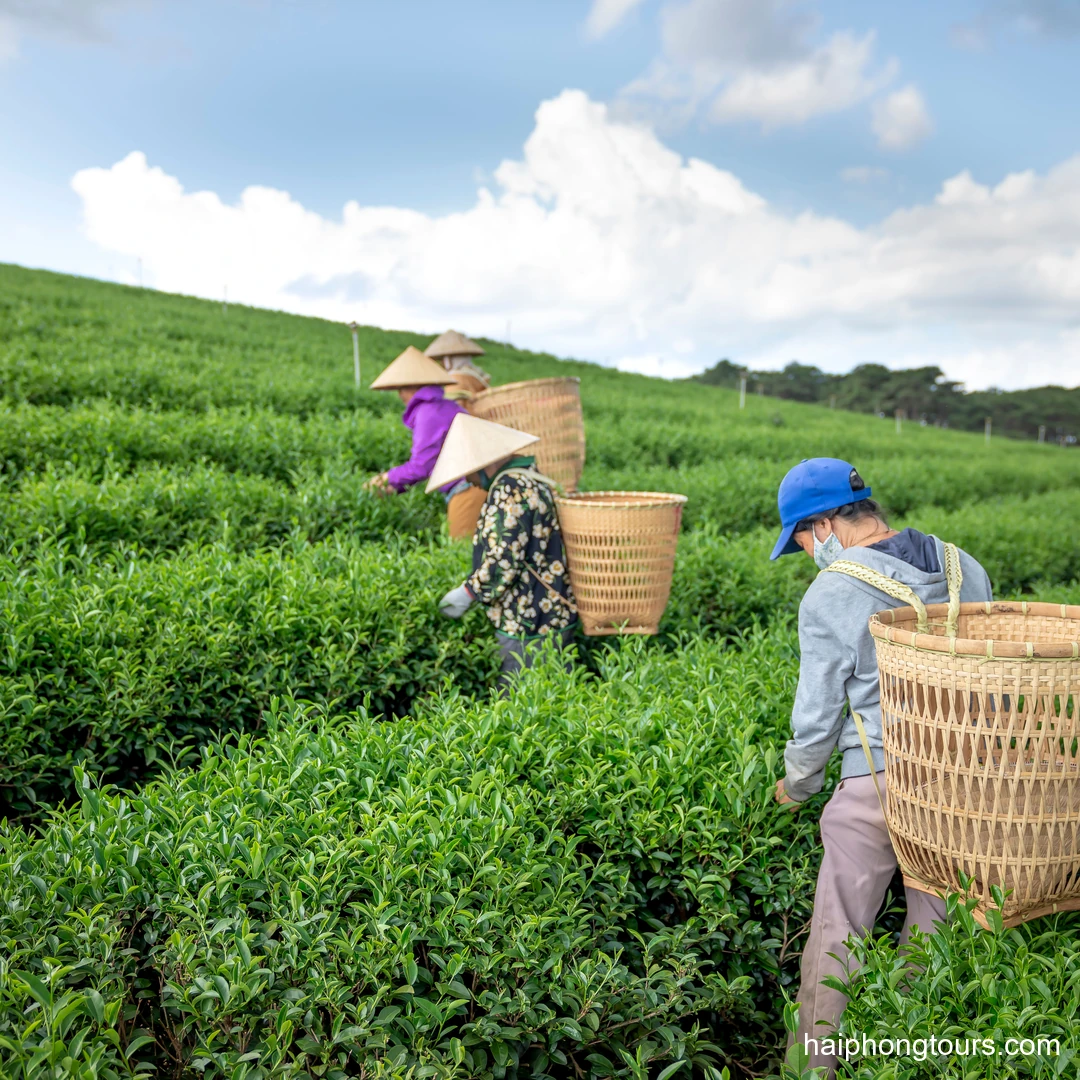
For a hosted visit on the Duong River side of Hanoi, the Giang Bien farm, cooking and craft guide separates short harvesting visits from farmer-led cooking and village cake-making. Choose the process you want to take part in, then confirm English hosting and the exact meeting point; the programs have different inclusions and group prices.
Tea: the clearest northern producer route
Thai Nguyen is the most manageable tea-region addition from Hanoi, while Moc Chau offers large plantation landscapes within a longer plateau trip. Mountain Shan Tuyet areas in Ha Giang and Yen Bai require more road time and stronger local coordination.
Confirm whether you will visit a garden, household producer, cooperative, factory or tasting room. These are different experiences. Processing depends on harvest, weather and work schedules, so machinery may not be operating when you arrive.
Use the North Vietnam tea guide to compare regions, processing styles and traceability questions before buying.
Hai Phong: noodles, fish sauce and the working food city
Hai Phong is useful for connecting regional production with everyday dishes. Cat Hai fish sauce, red rice noodles and local seafood each have a visible place in the city’s food identity, but not every factory or workshop is open to unscheduled visitors.
A producer visit should be arranged and should state which area is public, whether protective clothing is required and if photography is allowed. Fermentation and noodle drying are working processes with hygiene, heat, moisture and machinery constraints.

- Cat Hai fish-sauce production is useful for understanding fermentation, labels and the limits of unscheduled factory access.
- The Hai Phong red-noodle guide connects the ingredient with buying and cooking.
- The Lo Cuong rice-noodle guide adds production and access context.
Seasonality changes the experience
A field can be newly planted, green, ready for harvest, bare or under another crop. Orchard blossoms, fruit picking and vegetable availability have short windows that vary with weather. Ask what visitors can observe on your exact date rather than booking from last year’s photographs.
Harvest participation should be hosted, safe and useful to the farm. Do not step into fields, pick produce or direct workers for photographs without permission. Agricultural land can contain irrigation channels, chemicals, animals and machinery that are not managed as visitor attractions.
For a concrete orchard destination, Luc Ngan and Chu’s fruit-growing region offers different seasons for summer lychees and late-year oranges and pomelos. Pair a hosted garden visit with a Chu-noodle meal or a prearranged producer visit, choosing the actual crop and host before setting the route.
Evaluate community benefit
- Who owns or manages the visit?
- Who is paid for guiding, cooking and demonstrating?
- Can you buy directly from an identified producer?
- Does the host control photography and access?
- Is the activity real work, a visitor demonstration or both?
The community-based tourism guide helps separate community participation from a label applied by an outside seller.
Eat and buy safely
Wash hands after animal contact and before eating. Choose properly cooked hot food, safe drinking water and clean utensils. Raw milk, undercooked meat, raw shellfish and unwashed produce carry risks that a local or organic label does not remove.
For packaged food, check the producer, ingredient list, seal, storage instructions and date marking. Fish sauce, tea, seeds, fresh produce and animal products may face airline or destination-country restrictions. A seller cannot decide what another country will admit.
A five-day food-origin route
- Day 1, Hanoi: market orientation and one focused regional meal.
- Day 2: a cooking class or kitchen session using the chosen ingredient.
- Day 3: confirmed producer visit in Thai Nguyen or another nearby area.
- Day 4: travel to Hai Phong, compare how the ingredient or technique changes.
- Day 5: one arranged workshop or food business, then a final meal and purchase.
Moc Chau, Ha Giang and remote farming areas need extra days. Do not compress a long mountain drive into a food-only detour.
A useful farm-to-table trip identifies the producer, season, process and route to the plate. Follow fewer ingredients, pay for real hosting and leave farms and kitchens able to continue their work after your visit.
Would you like help fitting this experience into your trip? Contact us with your travel dates, starting point, available time and group size. Tell us about walking limits or special interests so we can suggest a practical itinerary.