
The most recognizable Kong: Skull Island landscapes in North Vietnam are the limestone karsts of Ninh Binh and Ha Long Bay. Visit them for the real protected landscapes rather than expecting a permanent film set or an exact recreation of every scene.
The reconstructed village set in the Trang An area was removed in 2019. Old travel pages that still describe it as a current attraction are outdated. Trang An remains worth visiting for its waterways, caves, temples, rice fields and cultural landscape, while Ha Long Bay is experienced by boat.
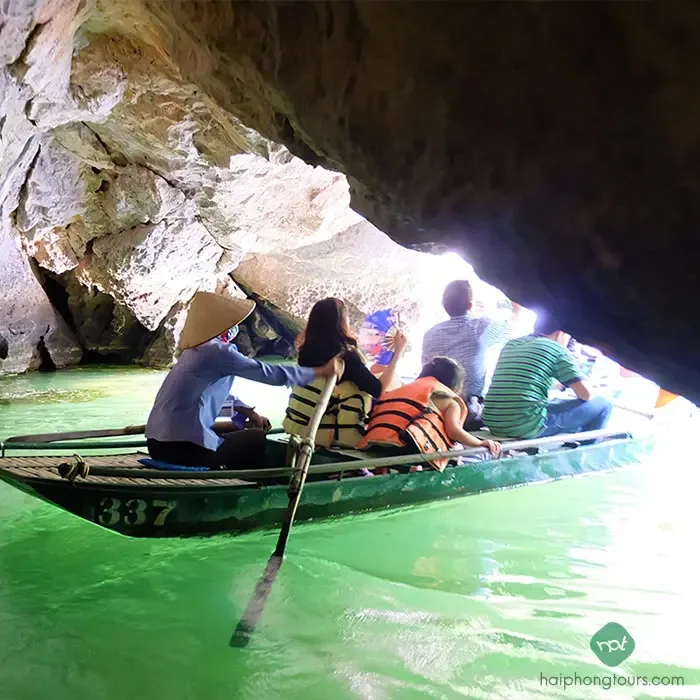
What you can actually visit
- Trang An Landscape Complex: a protected Ninh Binh landscape with boat routes through karst valleys and caves.
- Tam Coc and the Ngo Dong River: another Ninh Binh boat landscape surrounded by limestone and seasonal rice fields.
- Ha Long Bay: marine karst scenery seen from a licensed day or overnight cruise.
- Hoa Lu and surrounding countryside: cultural and rural context within the wider Trang An landscape.
- Not a current attraction: the former reconstructed Kong village set in Trang An.
Some film images combine locations, visual effects, controlled filming areas and camera angles that ordinary visitors cannot reproduce. Treat the landscape as the subject. Do not enter closed land, climb barriers or ask boat rowers to leave approved routes for a screenshot.
Ninh Binh: the strongest land-based film landscape
Ninh Binh’s tower karsts, flooded valleys and rice fields provide the most accessible North Vietnam setting for travelers inspired by the film. The Trang An Landscape Complex is also a UNESCO mixed cultural and natural property, so the visit should include its archaeology, sacred sites and living rural landscape rather than reducing it to a movie backdrop.
Trang An boat routes
Trang An boat trips follow managed routes through caves, valleys and temple stops. The available route, cave access and duration can change with water levels and management decisions. Choose the current route at the official ticket area and follow staff instructions.
The former replica film set is no longer part of the visit. Use the Trang An boat tour guide for current route choices, what to carry and the practical limits of several hours in a small sampan.
Tam Coc
Tam Coc offers a separate boat experience on the Ngo Dong River. It works well for travelers who want river-level views, caves and rice fields near a walkable accommodation base. Rice color and water conditions are seasonal; do not plan the trip around a single photograph taken in another month.
Van Long and other quiet landscapes
Van Long is a wetland reserve with limestone scenery and a different atmosphere from Trang An or Tam Coc. It can complement a film-inspired trip, but visit for the habitat and local boat experience rather than an unsupported claim about a particular frame. Wildlife sightings are never guaranteed.
Hang Mua viewpoint
Hang Mua gives a high view over the surrounding karst and river landscape. The climb is steep, exposed and often crowded at popular times. It is not a film-set visit and is unsuitable for travelers who cannot manage uneven steps or heat. Start early, carry water and turn back when conditions are unsafe.
Ha Long Bay: recognize the scale, not one rock
Ha Long Bay’s forested limestone towers supplied the broad visual language associated with Skull Island. The formations are seen from moving boats, and weather changes the view substantially. Mist can create atmosphere but may reduce visibility; clear conditions cannot be guaranteed on a fixed date.
A day cruise suits a short schedule. An overnight cruise adds changing light and more time on the water, but the exact route, cabin and port matter. Compare current itineraries on the Hai Phong Tours cruise directory rather than booking only from a movie-related photograph.
Do not ask a boat to approach cliffs, caves or isolated beaches outside its permitted route. Marine safety, conservation zones and harbor schedules take priority over matching a scene.
How many days do you need?
Two days: Ninh Binh only
Stay two nights near Tam Coc, Trang An or Ninh Binh City. Use one full day for a boat route and one compatible land stop. This is the best choice when film scenery is an interest but not the purpose of the entire trip.
Four days: Ninh Binh and a day cruise
- Day 1: travel from Hanoi to Ninh Binh and settle in.
- Day 2: choose Trang An or Tam Coc, then add Hoa Lu or one short countryside activity.
- Day 3: transfer to Ha Long and sleep near the confirmed cruise port.
- Day 4: take a day cruise, then continue only if the scheduled return leaves a safe buffer.
Five or six days: slower landscapes
Add a third Ninh Binh night and an overnight cruise. This gives more time for weather changes and removes the pressure to connect a long road transfer directly with boarding. It also lets you experience the places at different times rather than rushing between photo points.
Independent visit or organized tour?
An independent stay gives you more control over light, pacing and repeat visits. It works best when you can arrange local transport and accept that exact conditions are unpredictable.
A day tour simplifies transport and ticket coordination but uses a fixed schedule. The current Ninh Binh day tour from Hanoi offers multiple itinerary packages that may combine Trang An or Tam Coc with Hoa Lu, Bai Dinh, cycling or Hang Mua. Check the selected package rather than assuming every stop is included.
Photographers should consider an overnight stay instead of expecting a group tour to wait for specific light. The North Vietnam photography guide covers weather, respectful portraiture and practical equipment care.
Plan around conditions, not a fixed image
- Rain: paths and stone steps can become slippery, while some caves or routes may be adjusted.
- Heat: exposed viewpoints are demanding; boat rides offer limited shade at some times.
- Mist: creates soft atmosphere but hides distant formations.
- Busy periods: affect queues, sound and the ability to frame an uncluttered photograph.
- Seasonal fields: rice color changes, and some fields may be bare, flooded or under cultivation.
Check the forecast and attraction status close to the visit. Keep one alternative that does not depend on a panoramic view, such as Hoa Lu, a museum, a temple or a slower meal.
Responsible film-location photography
Stay on public paths and approved boat routes. Ask before photographing residents, homes, workers or religious activity. Do not bring props that block paths, disturb wildlife or imitate dangerous scenes.
Drones are not a casual solution for reproducing aerial film shots. Airspace, heritage, security, protected-area and local operating rules can apply, and permission may be required. Use a licensed operator only after the exact location and date have been approved.
Leave rocks, plants, fields and structures unchanged. Buying a local service, meal or guide is a more useful connection to the place than collecting material from it.
A better goal than recreating the movie
Use the film as a reason to notice how water, limestone, forest and human settlement shape North Vietnam. In Ninh Binh, allow the boat route and cultural sites to explain the landscape. In Ha Long Bay, choose a safe itinerary that matches your available time.
The old Trang An set is gone, but the real landscapes remain. Travelers who arrive with that expectation avoid a wasted search and gain a much stronger reason to visit.