
A heritage stay in North Vietnam is worth booking when the building’s history is specific, the adaptation is respectful and the room still meets your needs for sleep, safety and access. Ask what is original, what has been reconstructed and how modern bathrooms, fire safety, climate control and soundproofing were added.

Do not choose a property only because its listing says “heritage,” “colonial,” “traditional” or “ancient.” These terms can describe architecture, decoration, neighborhood or marketing rather than a protected historic building.
Four types of heritage stay
- Adapted historic building: an older villa, shophouse, public building or residence converted to accommodation.
- Traditional family house: a home or compound that still carries local building forms and household use.
- Reconstructed vernacular stay: a newer building designed with regional materials and techniques.
- Heritage-area hotel: a modern property whose value comes from access to an old quarter, village or cultural landscape.
Each can be useful, but they offer different relationships to history. Ask the property to describe the building accurately rather than assuming one category is more authentic.
Questions that reveal the real story
- When was the building constructed, and what was its original use?
- Which walls, floors, roof, doors or decorative features are original?
- Was the adaptation guided by a conservation authority or specialist?
- Are historic claims explained on site or supported by a reliable local record?
- Does the owner or community still use part of the building?
- How does guest revenue support maintenance, craftspeople or local employment?
A compelling story does not replace evidence. A building may have character without needing a royal, wartime or celebrity connection.
Hanoi: architecture with urban trade-offs
Hanoi offers old shophouses, narrow tube-house forms, villas and buildings from several political and architectural periods. A converted property can provide a strong sense of place, but the central location may bring traffic, nightlife, stairs and compact rooms.
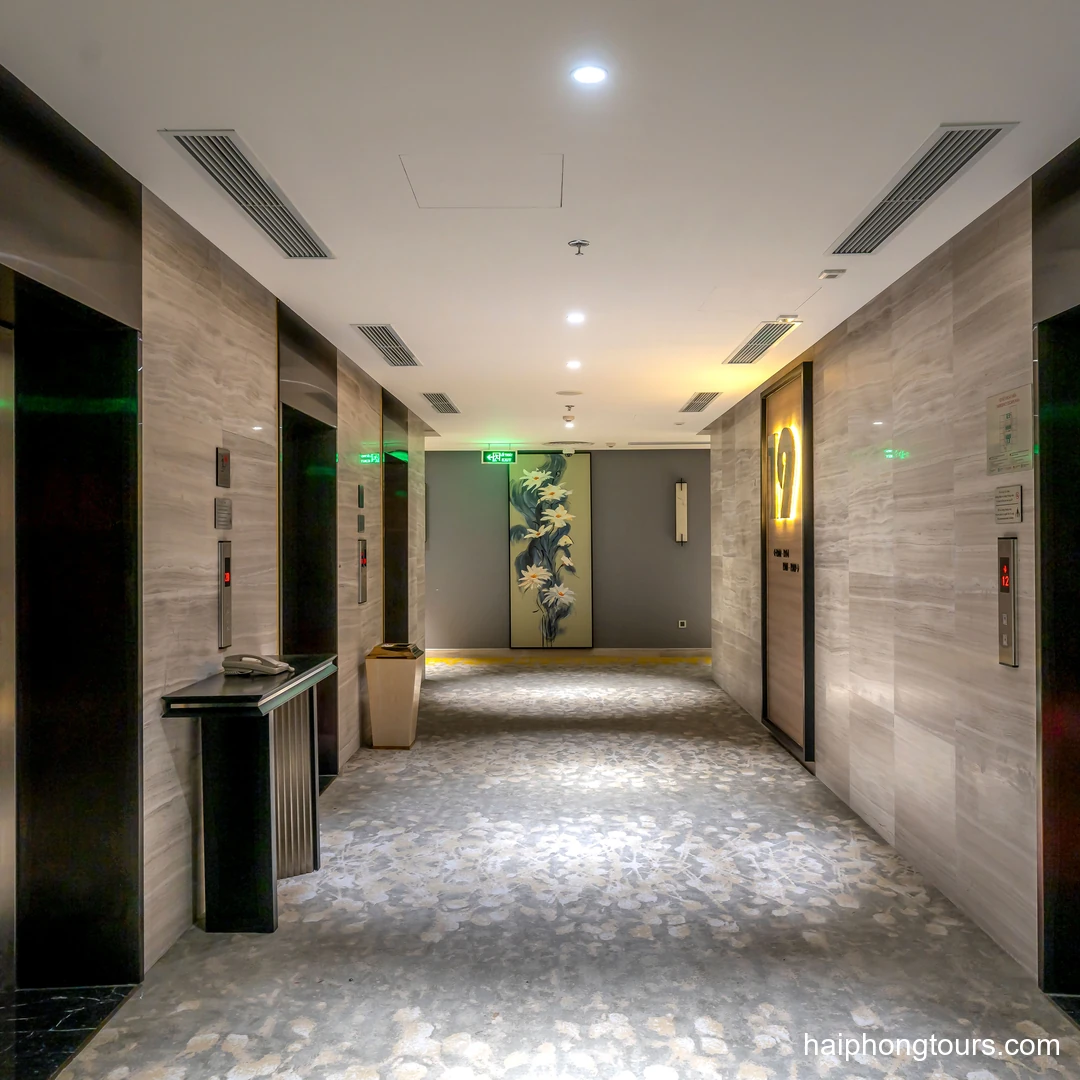
Check the exact entrance, lift, window direction and escape route. An internal courtyard may improve light while carrying lobby or restaurant noise upward. The North Vietnam architecture guide helps distinguish building traditions without reducing them to a single “colonial” label.
Duong Lam and Red River villages
A village stay can place you near communal houses, lanes, courtyards and working homes. It can also mean shared space, early household activity, limited sound insulation and bathrooms inserted into an older plan.
Ask whether you are staying in a lived-in family house, a separate guest building or a new structure styled to resemble an old one. Follow household rules and do not treat private rooms or altars as exhibits. Use the Duong Lam guide to plan a respectful village visit.
Ninh Binh: landscape first, building second
Ninh Binh accommodation often uses local-looking roofs, stone, timber or garden layouts. Verify whether the property preserves an older building or is a modern resort using regional design references.
The setting can be more important than the construction date. A well-run modern property near fields and karst scenery may deliver a stronger local experience than a poorly adapted old house. Check flood exposure, insects, humidity and vehicle access.
Mountain and ethnic-minority areas
Traditional house forms differ between communities and landscapes. Avoid listings that describe all elevated timber houses as one generic ethnic style. Ask which community owns or hosts the property and what guest behavior is expected.
A family homestay may prioritize cultural exchange over hotel privacy. Floors can transmit footsteps, cooking begins early and bathroom access may be shared. The North Vietnam homestay guide explains questions about hosts, rooms and community benefit.

Hai Phong and coastal cities
Port-city buildings can carry merchant, civic, industrial or residential history. A central converted building may offer food and street life, while a coastal property may use heritage language mainly as decoration.
Ask about the original function and surviving fabric. Salt air, humidity and storms make maintenance visible; water stains, corroded hardware or a persistent damp smell deserve practical attention.
Comfort checks for an old building
- Climate: effective air conditioning, heating, ventilation and dehumidification for the season.
- Noise: street, courtyard, timber floors, plumbing, events and neighboring rooms.
- Light: shutters, curtains and usable bedside lighting.
- Bathroom: private or shared, hot water, drainage, ventilation and step height.
- Bed: size, mattress, mosquito protection and access around it.
- Connectivity: mobile signal and Wi-Fi in the actual room.
- Smoke: smoking policy, kitchen smoke and incense near guest rooms.
Historic character does not compensate for a room that prevents sleep or creates a health problem. Compare the choice with the North Vietnam accommodation guide.
Accessibility and evacuation
Old stairs can be steep, narrow or uneven. Thresholds, low beams and split levels can affect travelers with limited mobility, vision or balance. Ask for current photographs and the step count from street to room.
Confirm smoke alarms, emergency lighting, exits and how staff assist at night. Do not block a narrow route with luggage. A lift added to an old building may serve only some floors.
Respect a lived heritage space
- Ask before photographing family members, altars, ceremonies or private rooms.
- Keep noise low when walls and floors transmit sound.
- Do not move historic furniture for a photograph.
- Follow rules for shoes, food, incense and sacred spaces.
- Use water, power and air conditioning responsibly.
- Buy crafts because the maker and item are clear, not because a sales story feels urgent.
How to compare two properties
- Write the exact historic claim made by each property.
- Check whether the claim describes the building or only the interior design.
- Compare room comfort, access and safety using the same questions.
- Identify who owns, operates and benefits from the stay.
- Map transport, meals and the activity you actually came to do.
- Read recent guest comments for recurring facts such as noise, dampness or stairs, not overall ranking alone.
A heritage stay should deepen the destination rather than force the traveler to tolerate preventable problems. Choose the property whose history is clear, adaptation is legible and practical room details have been answered before payment.
Would you like help fitting this experience into your trip? Contact us with your travel dates, starting point, available time and group size. Tell us about walking limits or special interests so we can suggest a practical itinerary.