
A North Vietnam homestay can mean a room in a family house, a shared sleeping floor, a small guesthouse, a bungalow complex or a lodge that uses the word for atmosphere. Choose by the actual room, host interaction, meals and transport rather than the label.
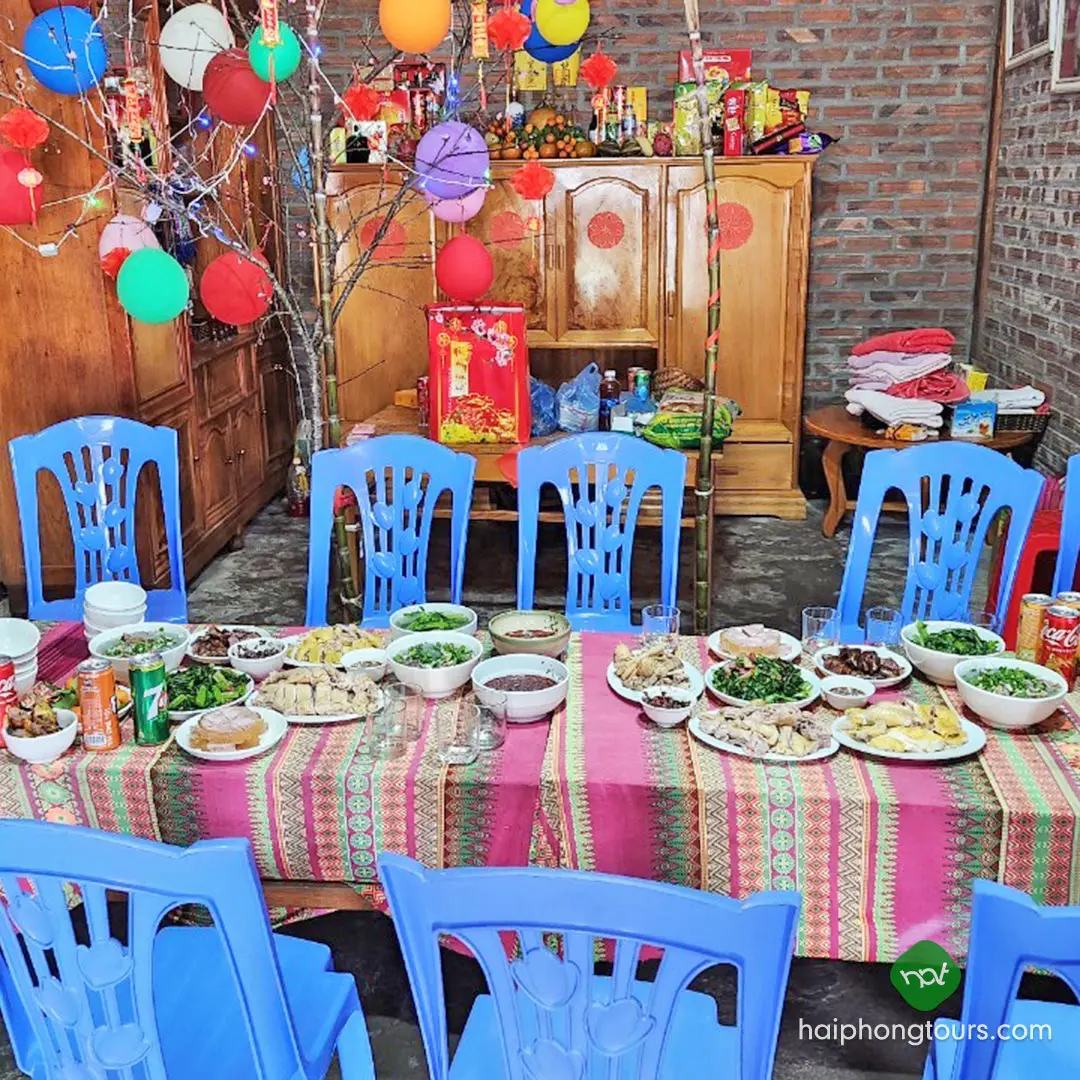
For most international travelers, two nights work better than one: the first evening is arrival, while the full day gives time for a village walk, meal or conversation without turning the stay into a photo stop. In remote areas, confirm that the property can receive foreign guests, that the road is usable, and that your dietary and bathroom needs have reached the actual host.
Decide what you want from the stay
- Family interaction: ask whether the host family lives onsite and which meals or activities are shared.
- Private comfort: confirm the assigned room, bathroom, bed, heating or cooling and noise level.
- Rural scenery: accept that food, shops, taxis and mobile signal may be limited.
- Trekking base: check the trail, guide, luggage storage and return transport.
- Community tourism: ask who owns the property, employs local staff and receives payment for activities.
- Remote work: verify electricity, mobile signal, Wi-Fi speed, workspace and backup rather than assuming them.
A property can offer a valuable stay without daily family interaction, and a simple family house can be more meaningful than a polished lodge. The important point is that the description matches the experience you are buying.
Homestay, guesthouse or lodge?
Family home
The host lives in the same house or compound. Sleeping, bathroom and dining areas may be shared. This offers the closest domestic context but also requires flexibility around privacy, household routines, noise and facilities.
Guesthouse-style homestay
The property is small and locally run, but guests stay in separate rooms and may have private bathrooms. The family may operate reception and meals without sharing its private living space.
Bungalows or eco-lodge using the homestay label
Guests stay in separate buildings with hotel-style service. This can be a practical rural base, especially for families or travelers needing a private bathroom. It should not be booked on the assumption that you will live with a family.
Shared stilt house
A large sleeping area may use mattresses or partitions for several guests. It can be social and affordable, but privacy, noise, stairs, shared bathrooms and secure storage need checking.
Questions that reveal the real experience
- Does the host family live at the property?
- Is the booked space a private room, private bungalow or shared floor?
- Is the bathroom private, shared or outside the room?
- Are towels, bedding, hot water and toiletries included?
- Does the room have a lock and secure storage?
- Which meals are included, and who prepares them?
- Are guests expected to join a shared dinner?
- What stairs, slopes or paths lie between the road and the room?
- Can a car reach the entrance in current weather?
- What time is check-in, and will someone be present after a late bus?
- Is the property currently permitted to host international guests?
Request photographs of the actual room and bathroom. A platform gallery may combine several room types, seasons and buildings.
Where homestays work best
Sapa and nearby valleys
Sapa offers the widest range, from dorm-style village stays to private bungalows and modern rural lodges. Decide whether you want easy town access or a remote valley. A property described as “Sapa” may be a substantial drive from Sapa town.
For a trekking stay, confirm who carries luggage, where the walk begins and ends, and whether a road vehicle can collect you if weather changes. Ask whether dinner is with the host, a set restaurant-style meal or a group buffet.
Mai Chau
Mai Chau’s valley villages are well suited to a gentle two-night stay with walking or cycling. Traditional stilt-house architecture adds character but commonly means stairs. Travelers needing a ground-floor room, private bathroom or step-free route should confirm a newer room type.
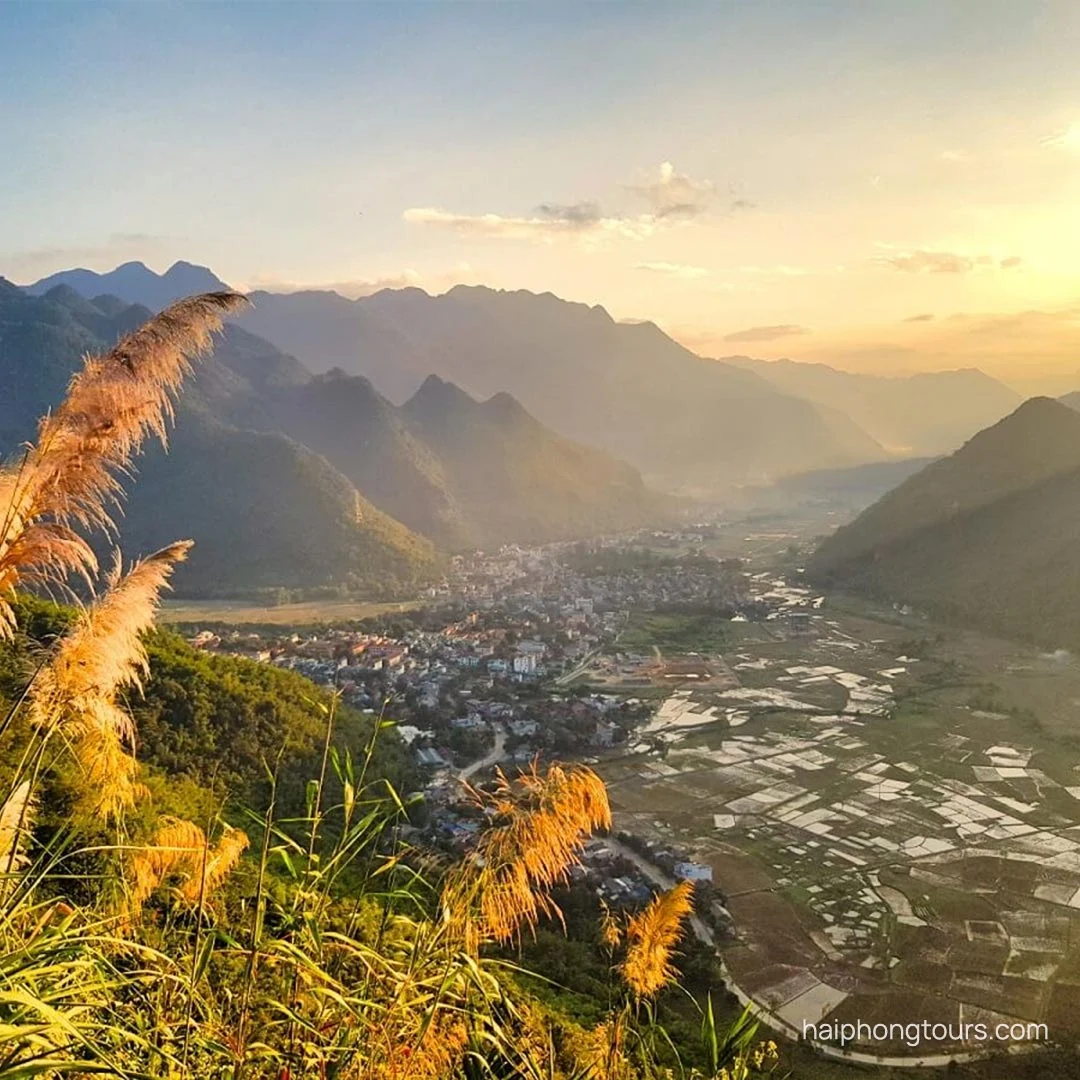
Cultural performances may be offered for groups. Treat them as a scheduled activity with local performers, not proof that every evening is a spontaneous household event.
Pu Luong
Pu Luong provides rice valleys, hills and village trails, but properties are dispersed. A scenic hillside room may sit far below the road and dining area. Ask for a video of the route from vehicle drop-off to the room when steps, luggage or mobility matter.
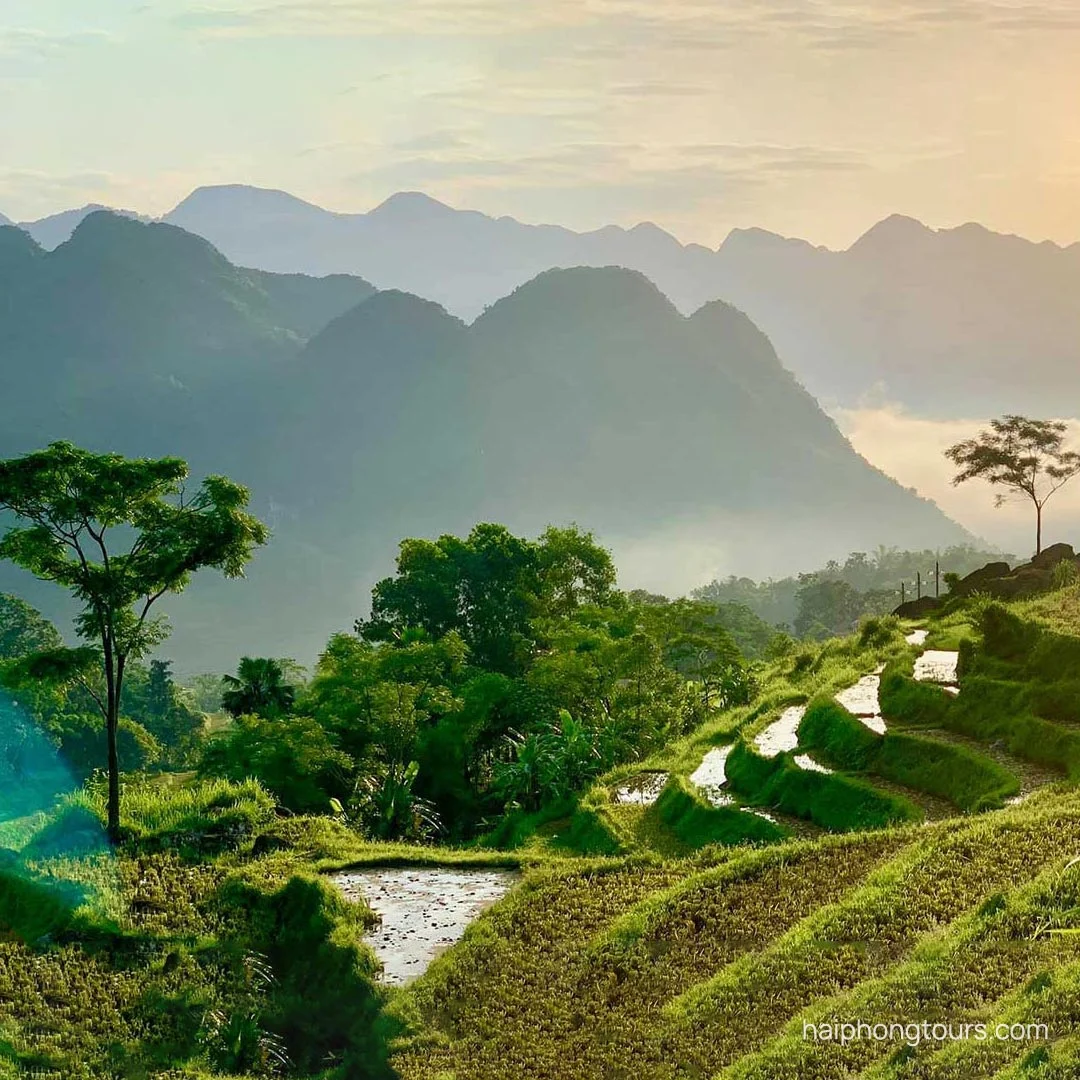
Confirm meals and transport before arrival. A map may show another restaurant nearby while the actual path or slope makes it impractical after dark.
Ha Giang
Homestays along the Ha Giang road circuit range from lively group stops to quiet private rooms. Ask about room sharing, bathroom ratio, late-arriving tour groups, music and quiet hours. A beautiful traditional building may offer limited sound insulation.
If you travel independently, confirm the exact pickup and onward transport before the previous driver leaves. Do not arrive after midnight without a staffed reception plan.
Cao Bang and Ba Be
These areas suit travelers who want a slower rural stay near waterfalls, lakes, caves or community landscapes. Public transport may reach the district or town without reaching the property. Ask the host to describe the final road, boat or walking segment and arrange the return.
Meals are often an important part of the stay because alternative restaurants are distant. Dietary requirements should be confirmed before the shopping and preparation are done.
Bac Son and Huu Lien
A Quynh Son stay in Bac Son Valley combines Tay village life, rice fields and an optional viewpoint climb. Choose the room for its privacy and access rather than assuming every stilt house has the same arrangement.
For a landscape-led stay, Huu Lien and Dong Lam combine village accommodation with seasonal grassland or water scenery. Plan the final road transfer and choose activities from the actual water conditions.
Mu Cang Chai, Y Ty and Hoang Su Phi
Terrace regions reward two or more nights because the road journey is long and field conditions vary. Accommodation can be simple, and cold, rain or fog changes what feels comfortable. Ask about blankets, heating, hot water and drying wet clothing.
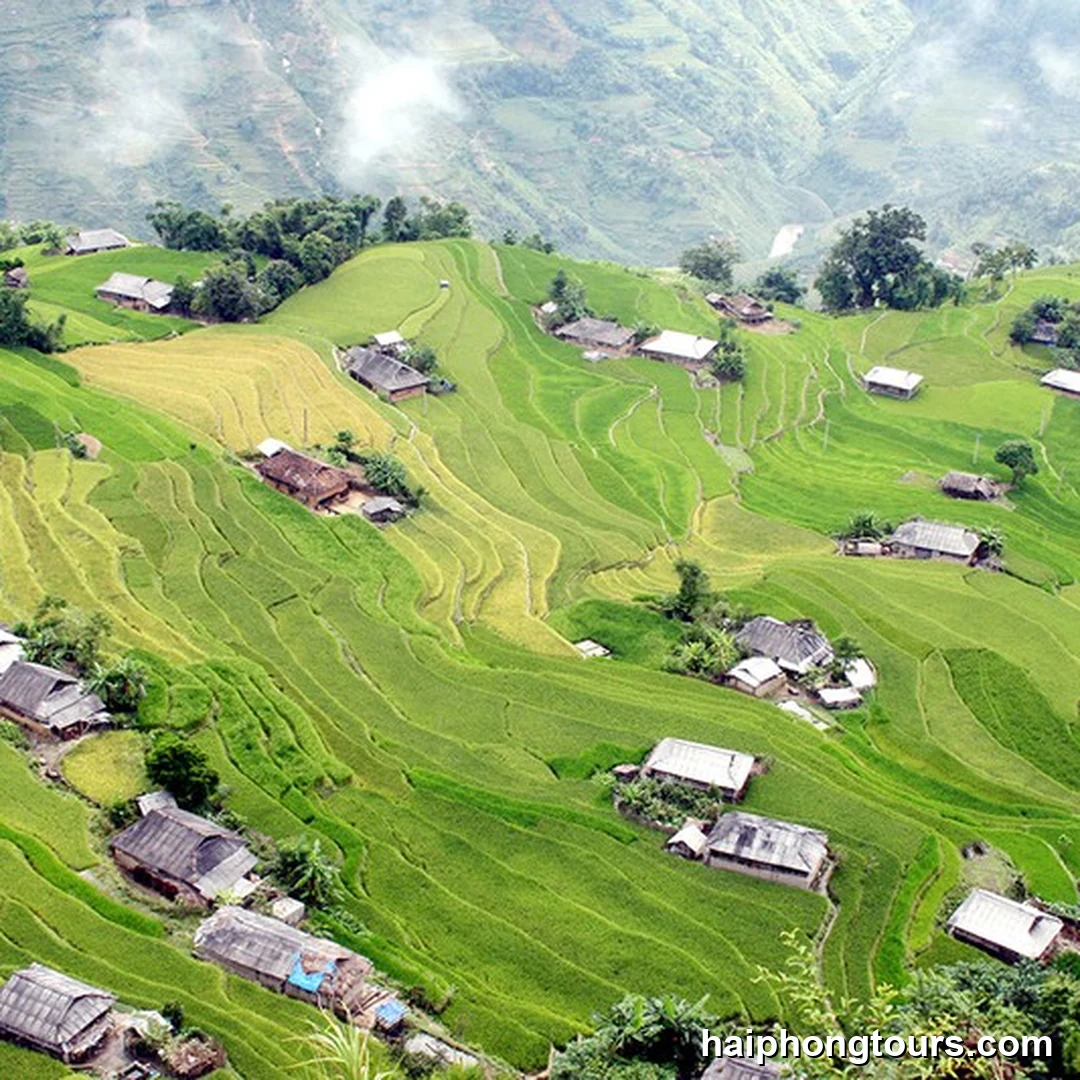
Y Ty lies in a border area. Confirm that the property currently accepts and registers foreign guests before traveling. The Y Ty travel guide explains road timing, border-area behavior and weather limits.
Nghia Do in the Nam Luong valley
The Nghia Do village guide helps plan a Tay household stay around field walks, basket weaving and local food. This is the Bao Yen area of Lao Cai, a separate destination from Nghia Lo and a deliberate stop on a northern road journey.
Ninh Binh
Ninh Binh countryside stays range from family properties to resort-style bungalows. Tam Coc is easiest for independent food and transport; a rural Trang An or Hoa Lu address trades convenience for quiet.
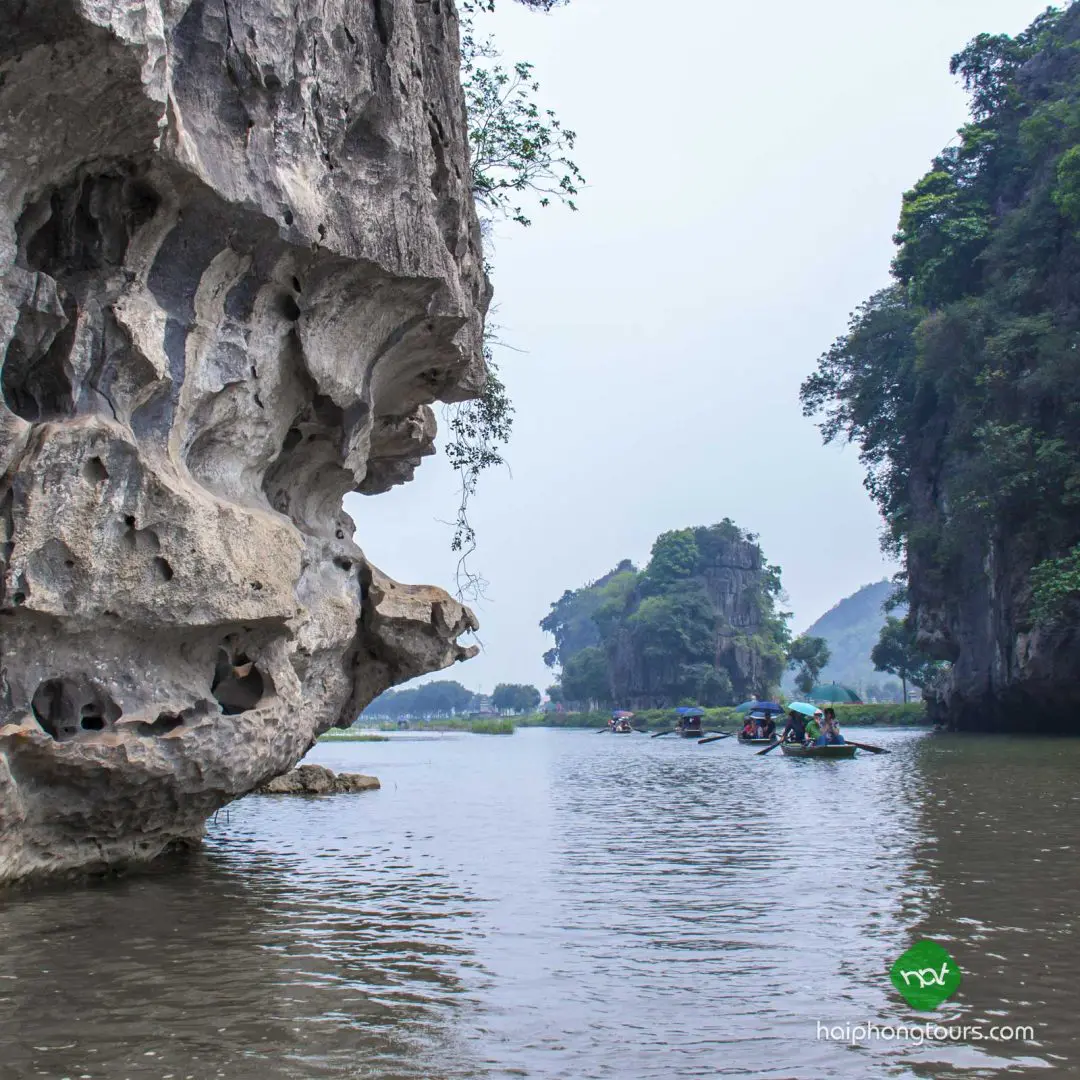

A Tam Coc boat route between limestone cliffs and rice fields.
Ask whether the property is beside the road or down a narrow lane, and whether bikes, taxis or drivers can be arranged. A scenic pool does not answer how you will reach an early train or boat departure.
Cat Ba
Cat Ba town provides easier food, boat and bus access. A homestay elsewhere on the island can be quieter but requires road transport. Confirm the full ferry or cable-car arrival process, final pickup and late check-in.
Near the national park or Viet Hai, ask about electricity, mobile signal, meals, insects, luggage and the route out. Island weather can delay a transfer, so avoid a tight flight connection after the stay.
Meals: ask before the host shops
A family dinner may be the most memorable part of the stay, but it is rarely an unlimited restaurant menu. The host often plans ingredients for the expected guests. Send dietary needs early and reconfirm at check-in.
For vegetarian or vegan travel, list fish sauce, oyster sauce, shrimp paste, meat stock, egg, dairy and honey according to your diet. The North Vietnam vegan and vegetarian guide includes Vietnamese cards and regional meal planning.
For celiac disease or a food allergy, discuss ingredients and cross-contact separately. A rural kitchen may use one wok, knife, cutting board and frying oil for many dishes. Use the North Vietnam gluten-free and food allergy guide to prepare the medical request and backup food.
Do not expect the host to infer a complex diet from the word vegetarian. Clear notice gives the kitchen a fair chance to say what it can and cannot provide.
Privacy, bathrooms and sleep
Ask whether walls reach the ceiling, whether rooms share a floor and whether the bathroom is inside the room. Mosquito nets or curtains can create visual privacy without reducing sound.
Rural sounds can include roosters, dogs, livestock, family routines, vehicles, karaoke and other guests. Ask about quiet hours and whether the property hosts group tours. Earplugs help with ordinary noise but do not fix a stay that conflicts with your need for sleep.
Hot water may come from a small heater with limited capacity. Ask how it works and allow time between showers in a shared group. In cold highland weather, a heated mattress or sufficient blankets may matter more than decorative room features.
Heating, cooling and weather
Mountain properties can feel cold and damp even when daytime conditions are mild. Ask whether the room has safe heating, sealed windows, extra blankets and a way to dry clothes. Do not use an unfamiliar charcoal or combustion heater in an enclosed room.
In warm valleys and summer months, ask about air-conditioning, fans, mosquito screens and ventilation. A pool or open view can mean more insects and outdoor humidity.
Use the North Vietnam weather-by-month guide to choose a broad season, then confirm the road and property conditions close to arrival.
Transport is part of the booking
A homestay address can represent the village center, while the actual property lies down a local road or footpath. Ask for the entrance pin, road surface, final vehicle size and how luggage reaches the room.
The North Vietnam transport guide helps choose the intercity leg. For a rural last mile, ask the property whether it provides a car, shuttle, motorbike pickup or walking escort. State clearly if you will not use a motorbike.
When a direct road connection is needed, compare the current Hai Phong Tours transfer routes by pickup and drop-off, then confirm whether the final property access suits the vehicle.
Accessibility and family needs
Traditional buildings, hillside bungalows and rural paths often involve stairs, thresholds and uneven ground. The word family-friendly does not prove that a cot, guardrail, stair gate, child seat or shallow pool area is available.
Send the age of each child, sleeping arrangement and any mobility requirement. Request a continuous room-access video when steps matter. The accessible North Vietnam guide lists the hotel and vehicle measurements to confirm.
Keep children away from farm machinery, animals, water edges, fires and road traffic unless a responsible adult is supervising. A village is a working environment, not a closed resort.
Wi-Fi, electricity and remote work
Do not book a rural stay for a critical workday based only on a Wi-Fi icon. Ask for a recent speed test from the room, mobile-network backup, power reliability, desk, chair and quiet period. Weather can affect both access and connectivity.
Download documents and maps before arrival. Carry a charged power bank within transport rules and finish important calls in the previous city. A homestay is better treated as a place to disconnect unless the property proves otherwise.
Photography and cultural etiquette
Ask before photographing a person closely, entering a kitchen or recording household routines. Seek a parent or responsible adult’s permission before photographing children. A paid room does not provide unlimited access to the family’s private space.
Dress and behave appropriately at household altars, temples, cemeteries and community events. Remove shoes when the host requests it. Learn whether a meal, performance or craft activity is private, communal or staged for guests before presenting it online.
Do not identify a person’s ethnicity from clothing alone. Ask the host or guide for accurate context and use the name a community uses for itself.
How to support local value
- Book directly when the property has a trustworthy current channel and clear terms.
- Pay the agreed price for rooms, meals, guiding and transport.
- Use local guides for routes that cross farms, villages or protected land.
- Buy crafts from the maker when you understand the product and price.
- Avoid bargaining that removes the value of a small service.
- Do not give sweets, money or gifts directly to children as a way to obtain photographs.
Community benefit cannot be proved by a marketing label alone. Ask how activities are organized and who provides them.
Safety and medical planning
Save the property pin, host number and nearest appropriate medical option offline. Carry regular medication in the passenger bag and tell a companion or host about a condition that could affect hiking, food or emergency response.
Check balcony rails, floor openings, stairs, pool access and fire exits after arrival. If the assigned room differs materially from what was confirmed, address it before unpacking or moving heavy luggage inside.
Do not depend on mobile signal as the only emergency plan in a valley or forest. For a guided outing, ask who carries first-aid and communication equipment and how the group returns if someone cannot continue.
What to pack
- Small arrival bag that is easy to carry over steps or paths.
- Earplugs and an eye mask for shared or open buildings.
- Warm sleep layer for highlands and light rain protection.
- Slip-resistant footwear that can be removed easily indoors.
- Insect repellent and any personal mosquito protection.
- Toiletries and medication that may not be sold nearby.
- Cash in small denominations for rural meals and local transport.
- Offline booking details, address and translation cards.
A practical two-night pattern
- Arrival afternoon: travel in daylight, inspect the room, confirm meals and agree on the next day’s route.
- Full day: use one guided walk, craft visit, boat trip or vehicle-supported outing, then return before dark.
- Departure morning: eat a confirmed breakfast, settle charges and leave enough margin for the next bus, train or cruise.
This pattern creates time for the place itself. A one-night stay often becomes only check-in, dinner, sleep and departure.
Red flags before booking
- The room type is described only as “homestay experience.”
- The property cannot confirm a private or shared bathroom.
- The map pin, entrance and final road do not match.
- Foreign-guest registration is uncertain in a remote or border area.
- A dietary promise comes from a platform but not the kitchen.
- The host says any vehicle can arrive without checking current road conditions.
- Accessibility is promised without photos or measurements.
- A late bus arrival has no named person or staffed check-in plan.
Frequently asked questions
Will I live with a family?
Sometimes. The term homestay is also used for guesthouses, bungalows and small lodges. Ask whether the family lives onsite and which spaces or meals are shared.
Do homestays have private bathrooms?
Some do and some use shared facilities. Verify the exact room type, bathroom location, hot water and access before paying.
Is one night enough?
One night works as a transport stop. Two nights are better when you want a full village, walking or community day without arriving and leaving immediately.
Can a homestay prepare vegan or allergy-safe food?
It may be able to prepare a suitable recipe with notice, but allergy safety also depends on cross-contact, packaged ingredients and kitchen equipment. Get a direct answer from the actual host.
Should I book a remote homestay without a motorbike?
Yes only after arranging the last-mile pickup and return. State that you will not use a motorbike if a car or walking transfer is required.
Are homestays quiet?
Do not assume so. Ask about animals, roads, karaoke, group tours, shared rooms, thin walls and quiet hours.
Book the real stay, not the word
A valuable North Vietnam homestay matches your expectations about family contact, privacy, meals, comfort and transport. Confirm the assigned room and the complete arrival, stay for long enough to understand the place, and treat the household and village as a living community rather than a hotel theme.
Travelers choosing between a working agricultural experience and family hosting can use the farm stay versus homestay guide to compare activities, ownership, animal contact and community benefit.
Planning transport around this stay? Contact us with the property name, travel date, pickup and destination, plus the room or reception times your journey needs to fit.