
Plus-size travelers can plan North Vietnam comfortably by asking for exact seat, bed, bathroom, life-jacket and activity details before payment. Use private transport when shared seats or luggage space are uncertain, choose fewer hotel changes and treat equipment weight limits as safety information rather than a judgment.
Terms such as “spacious,” “large vehicle” and “deluxe room” are not measurements. Request current photographs, dimensions or a direct answer about the exact room, vehicle and equipment assigned to the booking.
Start with the traveler’s priorities
- Seat width, legroom and armrests.
- Seat-belt length and extension policy.
- Bed width, mattress support and space on both sides.
- Shower entrance, toilet position and load-bearing furniture.
- Heat tolerance, walking pace and rest needs.
- Life-jacket, harness, bicycle or kayak fit.
- Privacy when discussing size or equipment.
Send one concise list to the provider. A traveler should not need to repeat personal measurements to several unrelated staff members.
Flights and airport assistance
Seat dimensions, seat-belt extensions and adjacent-seat policies vary by airline and aircraft. Contact the operating airline, not only a travel agent, and ask how the chosen seat is configured. An exit-row seat can have fixed armrests and safety restrictions.
Request mobility or distance assistance when long terminals are difficult. Assistance is based on need; it is not limited to travelers who use a wheelchair every day.
Cars, vans and buses
A private car gives more control over front-seat use, stops and passenger spacing, but vehicle categories still differ. Send the passenger and luggage count and ask for the proposed model or an equivalent with sufficient seat and belt space.
Shared limousine seats may have fixed shells or armrests. Sleeper-bus berths can be narrow and enclosed. Choose daytime rail or private road transport when the berth cannot be verified.
Use the Hai Phong Tours transfer directory to select the exact route, then request a vehicle based on people and luggage rather than the route alone.
Trains
Ask about seat or berth type, armrests, ladder access and toilet layout. An upper berth adds climbing and has less convenient access. A lower berth or daytime seat may be more comfortable, but availability must be confirmed.
Keep the aisle clear and use luggage that fits the carriage. The luggage guide helps reduce what must enter the compartment.
Hotel rooms
Request the exact bed type and width rather than “double.” Ask for current room photographs showing the path around the bed, bathroom entrance and shower. A freestanding tub or glass cubicle may reduce usable space.
- Confirm lift access and stair alternatives.
- Ask whether chairs have arms and whether a sturdy armless option is available.
- Check the shower entrance and fixed door width.
- Request a room near the lift when long corridors are difficult.
- Confirm climate control because heat can increase fatigue.
The accommodation guide provides a complete location and room checklist.
Cruises and boats
Ask about the complete journey: road transfer, terminal, gangway, tender boat, cabin, dining chair, deck stairs and excursion craft. A comfortable cabin does not guarantee an easy transfer boat.
Every passenger needs a correctly fitting life jacket. Ask the operator to confirm suitable sizes and any equipment limits before payment. Do not board a kayak, bicycle or harness activity when the provider cannot state the limit or fit the equipment safely.
Compare active vessels through the cruise directory, then send the selected operator the access and equipment questions.
Hanoi and Hai Phong
City bases provide taxis, restaurants, pharmacies and indoor alternatives. Sidewalks, small stools and compact cafés can be uncomfortable, so choose a full-service restaurant or ask for a standard chair.
Use one neighborhood per outing and take a vehicle between distant areas. A private city tour can allow planned rest and vehicle access, while a group tour may use fixed seats and timing.
Ninh Binh
Boat seats are low and entry can require a step down. Ask the ticket operator or tour provider about stability, boarding help and life-jacket fit. Do not assume every boat route uses the same craft or landing.
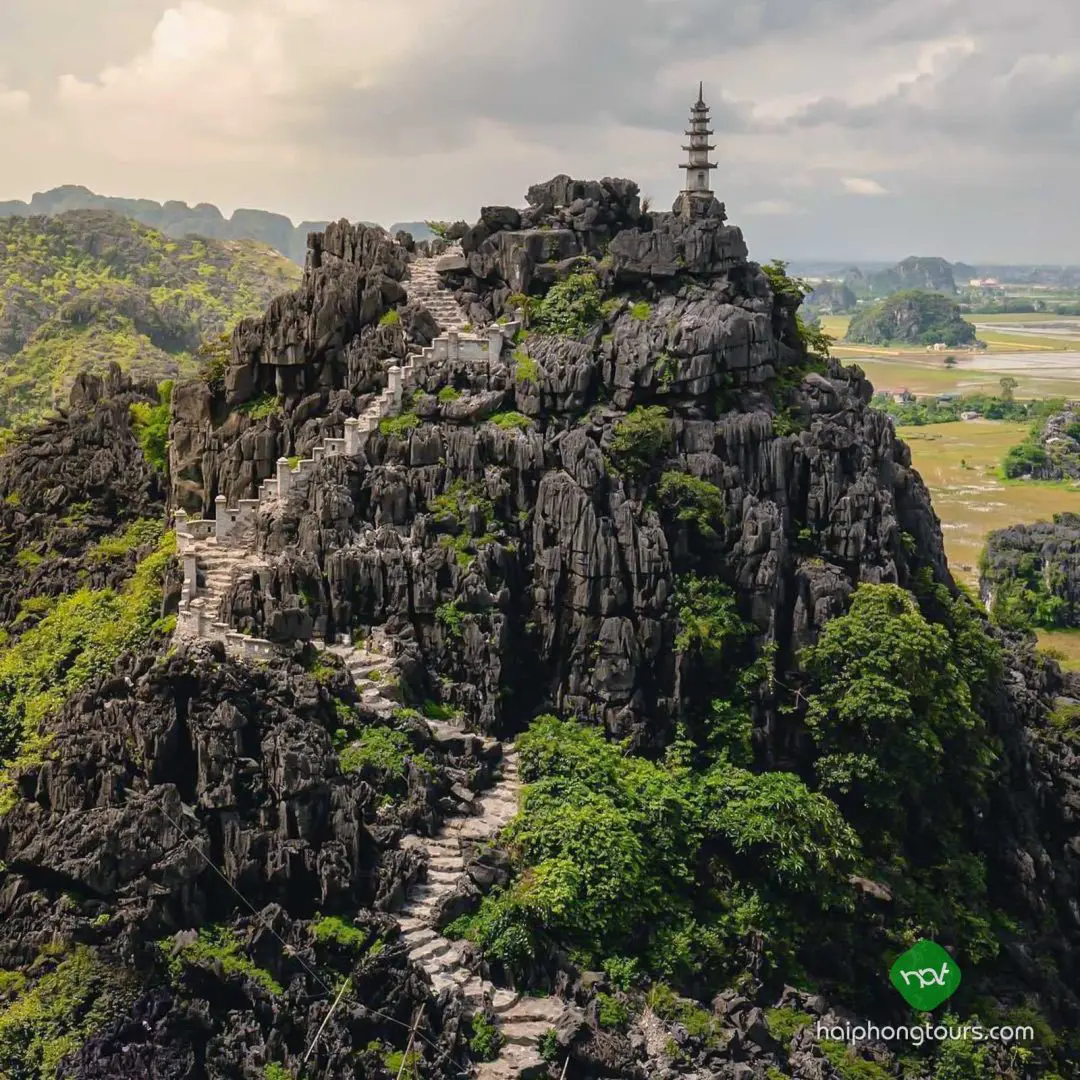
Hang Mua has extensive steep stairs and exposed sections. The landscape can also be experienced through boat routes, level village areas and ground-based viewpoints when the climb is unsuitable.


Sapa, Ha Giang and mountain areas
Heat, altitude, steep streets, wet surfaces and long drives can combine. Choose a town hotel with vehicle access and plan shorter guided walks. Add rest stops on winding roads and avoid an itinerary that treats every viewpoint as compulsory.
Motorbike passengers need a safe seat, suitable suspension, protective equipment and a rider who accepts the combined load. A car is the better choice when any part cannot be verified.
Food and seating
Local dining may use low stools, fixed booths or floor seating. Ask for a standard chair and table without apology. A food experience remains local when the seating is comfortable and safe.
Do not let a guide or companion turn food choices into public commentary. Dietary and body-size decisions belong to the traveler.
Heat, chafing and routine care
Pack clothing that dries, a proven anti-chafing product and any personal skin-care supplies. Use shade, water and midday rest. Seek medical care for severe heat symptoms, infected skin or any condition that is worsening.
The health and emergency guide covers insurance, medication and finding care.
A provider message template
I am confirming comfort and safety for this booking. Please send the exact vehicle or room type, seat or bed dimensions if available, seat-belt and life-jacket fit, bathroom access, stairs and any equipment weight limit. A photo of the actual setup would help.
A useful provider answers the question directly or says what still needs checking. Choose the option with verified fit and a workable alternative, even when another listing uses more attractive language.
Would you like help fitting this experience into your trip? Contact us with your travel dates, starting point, available time and group size. Tell us about walking limits or special interests so we can suggest a practical itinerary.